Welcome to the Sparks of Light series.
You're in for a huge treat.
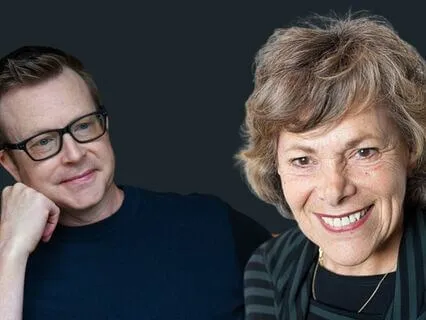
In this episode I'm interviewing award-winning social psychologist Ellen Langer and we are looking at her new book here,
The Mindful Body.
It's a must-read if you want to understand how your mind works,
The power of your mind,
In being able to influence your physiology,
Your health,
Your mental health,
All of it.
She gives so much in here that what I'm going to recommend is that you get out a pad of paper or open a Word doc or open the notes on your phone if you're listening on your phone and start to take notes and see how this really applies to you because this could change your day to day,
Change the month ahead,
And change your life in so many ways.
And we can expand on it in the actual book itself.
Enjoy,
Enjoy,
Enjoy.
We'll see you in there.
Welcome everyone to the Sparks of Light series.
Sparks of Light are like a transmission,
An interchange of ideas and energy that's constantly flowing between us and we're all impacted by it.
And today we're going to receive these from Ellen Langer.
I'm going to introduce her in a moment but first a question to you.
Do you believe that you can accelerate healing by merely influencing your thoughts?
Do you believe that you could reverse a sense of perceived aging by harnessing the power of belief?
Do you believe you can impact your physical health by just thinking a particular way?
If you're skeptical about any of this I want to introduce you to the groundbreaking work of Harvard's distinguished psychologist Ellen Langer.
I interviewed Ellen a number of years ago and I'm so happy to have you back here.
And I just want to let everyone know that Ellen's not just another name in psychology.
She's a true trailblazer.
She was the first tenured woman in the field of psychology at Harvard.
She's often been revered as the mother of mindfulness and we'll kind of explain what that means,
What her definition of that means.
And over four decades she's been incredibly prolific and really trailblazing the field of mind- body connections,
Influenced my work quite a bit as well.
And she's written books like Mindfulness,
The book Around Counterclockwise which is a foundational book in the field,
The Art of Noticing,
And so many more.
And her insights and discoveries now are brilliantly encapsulated in this book The Mindful Body,
Thinking Our Way to Chronic Health.
It's a must-read.
And so welcome Ellen,
Welcome.
Thank you so much.
So I wanted to get right to it.
And the subtitle of your book,
The Mindful Body,
Says Thinking Your Way to Chronic Health.
Can you kind of give us a foundation of that?
Sure,
Sure.
Well you mentioned the counterclockwise study,
So let me put everything that you've said so far in perspective.
So to me you have a mind,
Body,
This is what people are talking about.
Where are they?
How do you get from this fuzzy thing called a thought to something material?
It's all nonsense,
Or at least not productive.
Let's put the mind and body back together.
If you do that,
It's one thing.
They're not connected.
It's one thing.
And so if you understand it that way,
Wherever you put the mind,
You're necessarily putting the body.
And that means every thought influences your health.
Every move you make influences your thoughts,
Subtle as it may be.
And the first test of this was the counterclockwise study.
But let me go back to where this really started.
So I was married when I was very young.
And let me let me tell your listeners that the book started off as a memoir.
And so there are lots of very personal stories,
This being one of them.
Not a spectacular story,
But fun nonetheless.
All right.
So I was 19 going on 40.
We went to Paris for our honeymoon.
And now I was,
You know,
I had to be very sophisticated.
And I ordered this mixed grill and on the mixed grill was pancreas.
So I asked my then husband,
Which was the pancreas,
He pointed to something good.
Now I'm a big eater.
So I eat everything happily.
Now comes the moment of decision,
Can I get myself to eat the pancreas?
And I literally become nauseated,
Sick.
He starts laughing.
I say,
Why are you laughing?
He said,
Because that's chicken,
You ate the pancreas ages ago.
Well,
You know,
Getting sick on something that I actually like was because of my thoughts kind of interesting to me.
And there was another experience.
My mother had breast cancer that had metastasized to her pancreas.
As you may know,
That's the endgame.
And then magically,
It was gone.
And the medical world can't explain it.
And this idea of putting the mind and body back together,
Can explain both of these events.
Alright,
So in the counterclockwise study,
And Alicia,
I don't know if you know,
I can still retain a modicum of modesty and say this is a famous study.
Because it turns out,
You know,
If you watch the Simpsons go to Havana,
They talk about the study.
So let me just say it very briefly,
So we can get on to the newer stuff.
So we retrofitted a retreat to 20 years earlier,
And elderly men live there as if they were their younger selves.
So they spoke about the past,
In the present tense,
Everything around them said it was 20 years earlier.
And by allowing their minds to go back in time,
We had findings that still seem rather incredible.
Just being your younger self,
For a week,
No medical intervention,
Their hearing improved,
Their vision improved,
Their memory improved,
Their strength improved,
And they look noticeably younger.
Okay,
So let's go fast forward to some of the more recent studies,
All the studies that are explained in the mindful body.
And just to pick out two of them.
So we had people had type two diabetes come in,
And we gave them all sorts of tests to find out,
You know,
How they were at that moment.
And then,
And this will make sense when I get to the end of the story for people.
Okay,
But we had them play computer games.
And the instruction was to change the game they're playing every 15 minutes or so.
Now,
The reason for this was that we had a clock.
And to change the game every 15 minutes,
They had to look at the clock.
The clock was rigged.
For a third of the people,
The clock was going twice as fast as real time.
For a third of the people,
It was going half as fast as real time.
And for a third of the people,
It was real time.
And the question we were asking was,
Does blood sugar follow so called real time,
Or clock time,
Perceived time?
And the answer was perceived time.
And we have lots of these studies.
The most recent was about wound healing.
Now,
It would have been nice for science,
If I could inflict a really bad wound to run the study,
But you know,
We don't want to hurt anybody.
How long ago was this study?
Which one?
The one you're about to talk about right now?
Oh,
I don't know,
Months ago.
Yeah.
So Yeah.
And so we inflict a minor wound.
And again,
I've gotten into clocks,
I guess,
People are in front of a clock,
The clock is going twice as fast as real time,
Half as fast as real time,
Or real time.
And the question we're asking is,
Does that wound heal based on clock time,
Or real time?
And the answer again,
Was clock time.
People in a sleep lab wake up,
They see a clock,
The clock says,
Wow,
I got two hours more sleep than I usually get.
Or I got two hours fewer,
Or it tells you the amount of sleep you actually got.
Biological and cognitive functioning follow perceived time.
The control we have over our health is so,
So much greater than most of us realize.
And I think that part of that,
You know,
When you get a diagnosis for a chronic disease,
The way people hear that is that it's uncontrollable.
Now,
We can never prove that anything is uncontrollable.
All you can prove that if you tried something that didn't work,
Doesn't mean something else wouldn't work.
And,
But so we're settled,
You know,
With,
With these bad diseases,
And we don't do anything about it,
Because we don't think we can.
Well,
So we've developed a strategy,
Where you attend to the variability in your symptoms,
What attention to variability,
That's a fancy word for mindfulness.
We forgot to tell people,
What do I mean by mindfulness?
Let me finish this,
And then we'll go,
Then we'll go back.
All right.
So when you have,
Let's say you have chronic pain,
You think the pain is going to stay the same or get worse.
Nothing only moves in one direction.
Sometimes it's a little better,
Sometimes it's a little worse.
So we have people paying attention to when it's a little better,
When it's a little worse,
And then asking themselves the question,
Why?
Well,
Several things happen when you do this.
First,
To see that it varies,
You immediately feel better,
Because you thought,
Oh,
I was in pain all the time.
And,
You know,
No,
There are times I get some relief.
By trying to figure out why now,
And not before,
In,
In doing that search,
You're noticing new things.
This is the essence of mindfulness,
As we studied,
Actively noticing new things.
When you do that,
The neurons are firing,
And many,
Many years of research has shown that that's literally and figuratively enlivening.
And finally,
That I believe you're much more likely to find a solution,
A cure,
A remedy,
Treatment,
Whatever you want to call it,
If you're looking for it.
So to make this clearer,
So let's say,
Alicia,
You're,
You know,
You're suffering chronic stress,
You think you're stressed every minute of the day,
No one is stressed all the time.
Yeah,
Well,
What happens is that the moments you're not stressed,
You're not thinking about the stress,
Right?
And then you're stressed again.
So that intervening time gets forgotten.
So let's say you do this,
Now you start paying attention to when you feel stressed,
And when you don't,
What is different in your environment.
And you discover,
You know,
When I feel stressed is when I'm talking to Ellen Langer.
Well,
If that's the case,
The solution is easy,
Right?
Don't talk to me.
So finding the solution into some of these diseases is not always so easy.
However,
The search for that answer is good for you,
Whether you find it or not,
Because just this act of noticing is good for our health.
And we've done this with multiple sclerosis,
Chronic pain,
Parkinson's,
Stroke,
Stress,
Depression,
A lot of big problems that people experience.
And in each case,
They're able to find significant relief,
Simply by realizing that maybe I have some control over this after all.
And what people don't realize is that all the information the medical world gives us from their studies,
Their studies are no different from psychology,
Studies,
Biology,
Physics,
Or anybody else's.
A study can only give you a probability.
What that means is it says that if I were to do the exact same study again,
It can never be exactly the same,
But let's assume it could.
If I were to do the exact same study again,
I'm likely to get the same findings.
People understand that as if,
Let's say,
One of my favorite examples is this man at a horse event I was at asked me if I could watch his horse because he wanted to get his horse a hot dog.
I'm Yale,
Harvard,
All the way through.
Nobody knows better,
As well maybe,
But not better than I,
Horses do not eat me.
He came back with the hot dog and the horse ate it.
And that's when I realized that everything I know could be wrong.
To me,
That was very exciting because it opened up all sorts of possibility.
But so if you were to do an experiment with horses and you give them meat for argument's sake,
Meat mixed with grain,
Whatever,
All you'd need to get a significant finding is that most of the horses ate it.
I didn't eat it,
Excuse me.
Most of the horses wouldn't eat it.
Then that's translated as an absolute,
Horses don't eat meat.
All right.
So the disorders we have,
We assume that there's nothing we can do when it's based on data.
Those data are saying probably.
And if it were my health at stake,
I don't think I would be dissuaded from doing something to take care of myself because of a maybe.
I love the idea that you bring in here around the naming of things and how in our system we're told that we're ill or sick and how this is about the amount of time that it takes to,
This is how much time it's going to take to heal.
And then you say,
Well,
It might be better if we talk about a range of time because people's perception or their expectation,
Let's say,
Leads them to actually impacts their bodies.
Exactly.
So we're doing a follow-up to the study where we're doing this with a few kinds of disorders.
I want to do broken bones,
But so far we don't,
We haven't gotten there,
But it would be the exact same thing.
But for whatever the disorders are,
Where we find out initially how long does it take to heal?
All right.
That's what you're usually told how long it typically takes you.
We want people to know the fastest healing that's ever occurred to change their expectation and to see if they can match that.
I've done lots of research on fatigue.
And if you ask somebody to do as many of whatever as they can,
Lifting their arm,
Jumping jacks,
It doesn't matter what it is,
They stop.
And if you were to ask them,
Can you do 10 more?
Sure.
Even though they say initially they're doing as many as they can.
That's kind of interesting.
We find that people get fatigued around two thirds of the way through whatever they're doing.
So we did a little study with jumping jacks.
So we tell you,
Alicia,
Do a hundred jumping jacks and tell me when you get tired.
So you tend to get tired at around 70.
All right.
Now we tell the person in the office next door to you,
All right,
We want you to do,
Excuse me,
200 jumping jacks and tell us when you get tired.
They get tired at 140.
I mean,
This is really practical.
If you're a listener listening to this right now,
You have to ask yourself,
What are my expectations?
What are my hidden expectations around something that may keep me in a limited space?
And if I expanded these expectations,
What might be different for me?
This is what I'm getting from the research.
Yeah.
Well,
So there was a wonderful study that Frank Beach did decades ago.
He took a little boy mouse,
A rat,
I think,
And had a little girl rat and they would copulate.
And then what would happen is a little boy rat,
He's had enough.
He needs a refractory period,
A rest period,
Right?
And this is always the case.
However,
When he introduced a new female rat,
The boy rat didn't need that time.
He was ready to go again.
So as soon as you change,
You know,
And the example for people,
I sort of have this image of somebody who's word processing all day long,
Fingers are hurting,
Back hurts,
And then work is over and they go home and they play the piano.
In other words,
When you change the context,
You typically get renewed energy.
By the way,
I see this in my kids all the time.
I'm exhausted,
But you bring a friend over and they're all of a sudden like all over.
Right.
Right.
Right.
And one of the things,
Let's talk about mindfulness,
Just so I can make all this clear to people,
Because mindfulness has nothing to do with meditation.
All right.
Meditation is fine.
This is just different.
In fact,
Meditation isn't mindfulness.
Meditation leads you to post-meditative mindfulness.
So after you meditate,
You're going to be mindful.
Mindfulness into meditation.
Yeah,
You could.
But ours is,
It happens instantly,
You know,
And it's not a practice.
So let's say,
Alicia,
If you came to visit me now,
You've never been to my house.
You've never been to the area around here,
That you wouldn't have to practice being mindful.
You'd come,
Everything would be new.
And you'd notice,
You'd say,
Oh,
What books is she reading?
And that's a funny one.
She has two dogs,
Huh?
You know,
And all that noticing,
The neurons would be firing now.
When you're having a good time,
Can you have too much of a good time?
I can't.
I don't know about you.
You know,
Mindfulness,
It turns out,
Is energy beginning,
Not energy consuming.
It's what you're doing when you're having fun.
In fact,
You know,
If you think about humor,
That when something is funny,
It's only funny because you're caught by a surprise.
Now,
If we had more time,
I'd tell you a bunch of jokes.
But then you'd say,
Don't give up my day job.
And so I'm not going to put myself out there.
But anyway.
It's up to you,
Alan.
It's up to you.
All right.
Now,
More seriously,
That 40 years,
45 years of the research on this mindfulness,
We find when we have people actively notice things about things that they thought they knew,
But now realize they don't know,
They come alive.
And every single measure we've put in there has turned out to be effective.
You're happier,
Your relationships are better,
You're healthier,
You live longer,
You're seen as more charismatic.
It even leaves its imprint in the things that we do.
And given that it's so easy,
It's hard for me to understand that anybody who understands what I'm saying,
Or will read the mindful body for a clearer,
Perhaps explanation,
Would hesitate,
You know,
And would jump on board immediately for their own good.
I was I was saying before we even came on this interview,
How this morning,
Just based on,
You know,
Reading your latest work,
How you know,
I was always into the expectation,
Or I think my habit has been to be under the expectation,
I need to sleep a certain amount of hours to feel rested.
And,
And I kind of like threw that expectation out to some degree.
And when I when I looked,
I guess I'm using a wearable,
You know,
As an example,
But that I got,
I didn't get as much time,
But it said I got deep sleep.
And I'm like,
I'm gonna wake up early.
I'm gonna see.
Right?
Yeah.
Well,
It's so it's so funny,
Alicia,
The,
You know,
That since I've been doing this for so long,
I noticed a lot of my own mindlessness.
And then I go,
Yes,
I'm right.
I don't get upset by it.
I find it humorous.
But there is this one thing that if I drink coffee,
After 1230 in the afternoon,
I'm up till three in the morning.
Now,
If I stop and have my last cup at 12 o'clock,
It has no effect on me.
Fascinating.
Right.
So and then,
You know,
Lots of the things that we believe need to be questioned.
Anytime you think you can't,
You need to say to yourself,
Or remember that there is no evidence that you can't.
And,
You know,
Just do it differently,
Do it in smaller steps.
And what people need to understand is that what is exciting and fulfilling is the process of mastering,
Not having mastered something.
So,
You know,
For example,
And I've been using this on podcast after podcast,
So I hope your viewers are brand or listeners are brand.
Everyone hears you in different places.
But if you've heard me on enough of these,
I expect that you'll go out and give some of these so I can go play golf.
Okay,
So now I don't really play golf.
But if you were to play golf,
And you want to be the world's greatest golfer,
And every time you swung the club,
You got a hole in one,
There'd be no game.
And if winning was important to you play tic tac toe against a four year old.
So there's some way we sort of know that,
You know,
That we don't want it,
You can do something either perfectly mindful,
Mindlessly,
Or imperfectly mindfully.
And so we don't want it all wrapped up,
You know,
Academics learn this as you're growing up in the field,
You know,
You write a paper,
And then you have to write another paper.
And then you get 10 year and you say,
Wait,
Yeah,
Maybe I don't need to write that other paper quite so quickly,
You know,
That the world isn't going to fall apart,
You know,
That we need to,
We need to be more aware of the control we have over virtually everything in our lives.
Most of us are trying to maximize all the good things,
Run away from minimize all the bad things,
Without realizing that whether it's good or bad is in our heads,
It's not in the event.
And when you really appreciate that,
Then you can just stay still.
Because whatever happens will be fine.
So we're talking now I'm enjoying your company.
I'm hoping that people are getting something from this.
If my internet went out,
All of a sudden,
I go play with my dogs,
Take the walk,
I promised him I was going to do,
You know,
It wouldn't be Oh,
My goodness.
So I have a one liner for your listeners,
Which is when something happens,
And you're Oh,
My God,
You know,
You feel you're losing it.
Just ask yourself,
Is it a tragedy or an inconvenience?
And it's almost never a tragedy.
In fact,
I think it was Mark Twain,
Who said,
Almost everything we worry about never happens.
Uh huh.
Right.
He said some,
Some,
Some form of that.
Yeah.
Let me ask you a question on because this is also something so far,
We've talked about,
You know,
The power of expectations.
In a lot of ways,
We've talked about languaging,
We've talked about probability,
In some ways,
You mentioned that with a horse,
Like that,
You know,
You thought the horse horses don't eat meat,
But then it did.
And so you're like,
Wait a hold on a second,
Maybe my beliefs aren't right.
We also talk about naming the power of naming something,
You have a study,
The chambermaid study that was that came earlier that I thought was fascinating,
Because when I work with people,
And I and I talked to them about play,
Which is a big part of your background to create play and this type of stuff,
Which is which is really inspiring.
And when I say Nate,
When you name things you do like that,
What is the difference in the experience for you?
And so bring us back to the chambermaid study.
Okay,
I'll tell you about the chambermaid study.
But naming things,
You know,
It depends on what you're naming.
So remind me to talk to you about the borderline effect,
Where naming has the reverse effect.
Okay.
Okay,
So we saw this chambermaids,
You know,
Chambermaids are exercising all day long,
Right?
That's what their work is.
And so we asked them,
How much exercise do you get?
And to our surprise,
They said,
They're not getting very much exercise,
Because they see exercise as what you do after work,
And they're just too tired.
It's a very simple study.
All we do is take half of them and teach them that their work is exercise,
Making a bed is like working on this machine at the gym,
And so on.
So now we have one group that's oblivious to the fact that they work as exercise,
The other that now very clearly,
My work is exercise,
Which means that everything I've been led to believe happens when you exercise,
I should experience,
Right?
This is a test of mind-body unity.
Okay,
So we want to make sure that there aren't other differences between the groups.
I mean,
Is it that they're eating more now,
Or eating less,
Or different foods?
Are they working?
No,
No different.
The only difference,
As far as we could tell,
Was that they saw their work as exercise.
As a result,
They lost weight,
There was a change in waist-to-hip ratio,
Body mass index,
And their blood pressure came down,
All just by changing their minds.
Yeah,
That's typically what they're doing.
Yeah,
So you know,
Yeah,
I mean,
And you know,
This is funny,
I was writing a paper many years ago about gastroenteritis and labeling,
Just as you were talking about it,
And I had hurt my finger,
And so I was using,
I don't know what the program was,
Newton,
Naturally speaking,
Which now,
You know,
The tech people have made this wonderful,
But at that time,
It was not very good.
And so I say,
You go into a doctor with a stomach ache,
And you come out,
And he tells you have gastroenteritis,
And the computer types back,
Castro decided to invite us.
I talked about beliefs,
And it took me on a trip to Belize,
And then I had so much fun with the program,
That I forgot and didn't bother writing the paper.
But the point was,
You know,
That when,
Oh my goodness,
What do I have?
Do I have something bad?
And you know,
Then it's given a name,
And especially,
Or maybe only,
When that name means that it's not that serious,
And it'll go away,
Or that we have a treatment for it,
The name serves a very useful purpose.
Now,
The borderline effect,
And this is,
I find this really interesting,
And this also supports the mind-body-unity idea.
And people should just accept,
You know,
Mind-body-unity means whatever I'm thinking,
You know,
Can have glorious effects on me.
Okay,
So let's say we take,
You and I are both taking an IQ test.
Yeah.
And I get a 69,
You get a 70.
Now,
You don't have to know anything about statistics to know there's no real difference between us,
Right?
I could have sneezed and then read the question wrong.
You could have guessed,
You know,
On one of them and got it right,
And the next day you would have gotten it wrong.
So we're essentially the same.
However,
There's always a cutoff point,
A borderline.
Now,
In this case,
You would be below,
Above the borderline,
And you'd be normal.
I would be,
At 69,
Below the borderline,
And be cognitively deficient,
What we used to call mentally retarded.
I don't know what terms we're using these days.
Now,
So at time one,
We're the same,
Right?
69,
70,
What's the difference?
But we go out,
Now let's say six months,
Even if it doesn't even have to take that long,
And the label becomes a self-fulfilling prophecy.
We know there's no difference between 69 and 70,
But yet at the end,
You're treating yourself,
Everybody is treating you as if there's,
Your abilities are limited,
And so you're not growing,
And then eventually you're going to know less than I.
I mean,
I'm going to know less than you,
Right?
I'm the one who has the problem.
Always give it to myself,
Because why not?
But anyway,
So I have,
You know,
So I don't read,
I don't think that I can do this or that activity.
Nobody gives me,
Assigns me to the,
The task that requires some,
A little more expertise.
The system treats you differently,
Right?
Exactly,
Exactly,
And so now I say this is exactly what happens with respect to our medical diagnosis.
There's always somebody,
There's always a border,
Right?
There's always a point with whatever test with,
If you get above it,
You're okay,
You get below it,
You're not okay.
Now,
Sometimes people say,
Yeah,
Well,
They tell you when you're around the border.
I say,
Okay,
Then let's go right below that,
You know,
Where they're not going to tell you,
But the person,
You know,
Who's one point or whatever the unit is,
You know,
Above or below is going to be given a different diagnosis,
And the diagnosis,
Again,
Too often becomes self-fulfilling.
Yeah,
I hope everyone's listening.
When you're listening to this,
You're listening to Ellen talk with you,
You're obviously so full of so much experience and knowledge,
And it's,
It's,
It's so much wealth in here for us,
That you're asking yourself the question,
Like,
How does this apply to me?
How can this support me and help me?
Obviously,
We can go deeper and expand in,
In the book,
And,
But there,
I'm sorry.
Now,
I think that on almost every page,
Because that,
You know,
That was my goal,
You know,
Not to write something lofty,
And some say,
Oh,
Isn't she smart,
But actually to be able to have an impact on people,
And,
You know,
So let's switch for just a moment to our thoughts,
Okay,
And how our thoughts get us crazy,
And,
You know,
It used to be the case,
I don't know if you know about the old medical model,
But the old medical model was that psychology is irrelevant to health.
It's just irrelevant.
The only way you're going to get sick is if there's an introduction of an antigen,
Okay,
Bacteria,
Whatever,
And now most people believe that,
Well,
Stress is not good for your health.
I don't think they realize just how bad for your health it is,
But everybody knows it's not good for your health.
Yeah,
I think that it's the major killer,
Actually,
And stress is psychological.
So when you're stressed,
You're saying to yourself,
Something is going to happen,
And when it does,
It's going to be awful.
Well,
It turns out you can't predict.
People think they can predict,
But you can't predict.
So the first thing,
Say to yourself,
What are three reasons this thing might not happen?
Three good reasons,
Well,
So maybe it won't happen.
So you immediately feel a little better,
But then the fun one is to say,
Okay,
Let's say it does happen.
How is that actually a good thing?
And,
You know,
Depending on how bad the thing is,
That's how easy or difficult it is to turn it around,
But there's always a way to do that.
So let me give you a silly example,
But let's say,
Alicia,
You and I go out to lunch,
And the food is wonderful.
All right,
Wonderful,
The food is wonderful.
You and I go out to lunch,
And the food is awful.
Wonderful,
I'll eat less,
And that'll be better for my waistline.
I'll actually not be so intensely eating that I can listen to,
You know,
Pearls of wisdom you're tossing my way.
You know,
There are always advantages,
And they're big or small depending on how you create them.
You know,
You can make the bad gigantic and the good a tiny little thing,
So it's not going to feel very good,
But there's no reason to do that.
Another part of the book that is very important to me,
And so funny with after 45 years of research and all of these findings,
The one thing that I found most exciting was very,
Very simple,
And it's an understanding that behavior makes sense from the perspective of the person who's doing it,
From the actor's perspective,
Or else the person wouldn't do it.
Nobody wakes up in the morning and says,
Today I'm going to be cruel,
Slovenly,
And clumsy,
Right?
You know,
So what were they intending?
Well,
It turns out every single negative understanding we have of anyone or our own behavior has an equally strong but oppositely balanced alternative.
You see this is a bad thing,
There's an alternative that's just as potent,
That's good.
So I can't bear talking to Alicia because you are so inconsistent.
Well,
That's because from your perspective you're flexible,
And you don't have the patience for me because I am so gullible.
That's because I'm trusting.
Now,
If you ask me,
Do I want you to stop being flexible?
God,
No.
And do you want me to stop being trusting?
Probably not.
And you can see how the relationship would then end up in a very different place.
So by becoming more mindful,
Several things happen.
One,
By doing this,
Just asking the question,
What sense can that behavior make?
Our relationships improve,
And our feelings about ourselves change.
When we're coming down on ourselves,
Why did I do that?
Well,
There's a good reason why you're doing it,
Or else you wouldn't have done it.
And so we,
You know,
We have data that supports that.
But it's also the case that when you're mindful,
And you're living in a maybe,
Could be world rather than an is world,
You know,
Lots of possibilities exist.
And when you come up with a reason for something,
You're not going to be mindless in thinking you've got the reason.
You know,
Here's the one reason.
You know,
You're going to have many reasons at your disposal.
And then you get to say,
Well,
Which of these,
I,
You know,
Can assume that it doesn't matter really,
Which is true,
Let's just go forward and be in the present.
Or I can say,
Which of these makes me feel good?
You know,
That if you're nice to me,
Are you ingratiating?
You know,
Or you just like me?
You know,
I'd rather think you just like me.
And then if I think that positive about you,
I'm going to respond more positively to you.
And in turn,
You're going to feel good and reciprocate.
What do you say?
I'm just gonna say that,
You know,
Mindfulness is crucial to good relationships.
We shouldn't be judgmental.
Not we shouldn't be judgmental because it's not nice.
Yeah.
You see,
That's,
You know,
I agree with lots of the things people say we should be,
But not the way they suggest we get there.
Once you realize you don't know,
You sit up and you pay attention.
Once you realize that anything can be explained in multiple ways,
You're less wedded to any particular way.
And all of this is,
You know,
Is very exciting.
And it turns out,
And so this mindfulness is the essence of engagement.
It's what you're doing when you're happiest.
And it's so good for you.
I'll let you ask me a question.
Go on.
Yeah.
Well,
What I was going to say,
I love that the way you kind of open our minds to realizing that things are kind of,
Again,
Coming back to this kind of idea of probability.
This could really help people who are experiencing or have experienced depression in the past or anxiety,
Whose minds become really rigid and fixed on a certainty of some kind,
Which then reinforces the feeling and the state that's there to open up and say,
Well,
You know,
I know my mind's telling me this,
But it could also be this.
That languaging could help also negate a little bit and open up to probability or possibility.
Yeah.
Yeah.
You know,
Then sometimes in a smaller way,
Not a deep depression,
But people often experience regrets and that makes them depressed and regrets are mindless.
So the first thing the person is doing,
So let's say,
Should I do A or B?
Now you can fill in what the A or B is,
But should I do A or B?
I'm going to do A and oh God,
A is awful.
I can't stand it.
I should have done B,
But B could have been even worse,
You know?
So for that reason alone,
Regrets don't make sense.
But also again,
If we say,
Well,
Why did we choose what we chose?
There was a good reason.
And then you add to that what I said before that outcomes,
Things that happen aren't good or bad.
So if you want to see it as bad,
Everything is going to be bad.
And,
You know,
I've had some really terrible experiences.
You know,
I'm 76 years old.
Some people say I should hide that.
I'm proud of it.
So things happen.
And,
You know,
One of the things that happened,
For instance,
Is that I had a major fire that destroyed 80% of what I am.
Okay.
So now this is kind of interesting because first of all,
The insurance agent,
When he came out to the house,
He said,
My gosh,
He's been doing this job for 25 years.
This is the very first time that the call was not as bad as the fire,
As the loss.
Usually people,
Oh my God,
Oh my God,
He comes in.
It's not so terrible.
But to me,
You know,
My feeling was I've already lost those things.
Why lose my sanity along with it?
But the story gets much better.
So I move into a Charles Hotel in Cambridge and I'm a sight because I'm there with two dogs.
And,
You know,
Some people,
Everybody seems to be doing that,
Whatever it was,
I was not anonymous.
And it was Christmas Eve and I go out and I come back to the room and it's full of gifts,
Not from the owner of the hotel,
Not from the management,
But from the so-called little people,
The chambermaids,
The waitresses,
The people who parked my car.
It was beautiful.
And I spent years telling the story and every time I would tell it,
I would start to cry it.
It was so sweet.
And,
You know,
Every Christmas it comes back and sort of reminds me and leads,
Helps me be the optimist that I am and believe in the ultimate goodness and people.
And I really don't remember anything that I accept the notes for a course I was supposed to teach.
I don't even remember anything else that I lost in that fire.
So was it,
Was it good or bad?
And I'm not saying people need to experience,
You know,
These big things.
But if you can do it with the big thing,
Then we should be able to,
You missed the bus,
You didn't get the paper,
You know,
Project done on time.
You had a fight with your best friend,
You know,
Whatever that all of those are really,
In my mind,
More inconveniences than tragedies and not worth getting upset about.
But you get upset about,
You ask yourself,
Why,
Why did you do what you did?
There's a good reason.
So don't come down hard on yourself and take whatever happened and,
You know,
Open it up and see how that's an advantage.
You know,
Your spouse leaves you,
You're going to fall apart.
Oh my gosh,
This is terrible.
And for me,
Relationship loss is probably the only thing that I really suffered with.
But if you,
If you think that a relationship requires two people,
Right?
And if one of them is not there,
It's not a good relationship.
You know,
So you were sort of in it by yourself for some time and it's better life is short to,
You know,
To move,
To move on and actually get your needs met.
Yeah.
There's probably a way to,
To honor the grief that's there,
The natural emotional algebra that happens where it's like this perceived loss.
And then,
And then,
And then be able to also shift the way you're relating to it in the way that you're saying,
Which is,
Which kind of helps support you in being more resilient.
Reminds me a little bit of the quote,
Wherever your focus goes,
We invite an energy to flow type of idea.
And it creates an emotional energy that's there by being able to open to the possibility of a variety of perspectives.
Yeah.
But it's also realizing that if a relationship ends,
Somebody leaves you that it doesn't mean that there was something wrong with you.
And I was very lucky.
I'm lucky also to have a good memory.
When I was in fifth grade,
I was involved with the,
I had my boyfriend was in sixth grade.
He was adorable.
That's early,
Very early,
But you know,
Nothing big happened,
But eventually he left me.
And so I had to find out why,
Well,
It turned out he left me because I was better in kickball than he was.
And,
But there was a lesson in that,
That served me well,
My entire life,
You know,
That people do what they need to do.
And in most ways,
It really doesn't say anything about us,
But even if it did,
We don't know what it says.
It could say,
You know,
You were too good.
You weren't good enough.
You know,
What,
Whatever.
But the,
The idea that it couldn't be a good relationship,
Unless both of you were in it together.
I think recognizing that it's,
You know,
Helps move on.
Absolutely.
Yeah.
This has been incredibly valuable.
I want to make sure everyone understands that everything you're saying is so practical and I know you have it in the mindful body too.
And it's so,
To me,
It's so clearly understandable.
This idea that this mind and body are one,
I mean,
It is,
It's just,
Here it is.
And so,
Right.
And so of course,
We have to understand that the way we believe,
Our expectations,
The way we're relating to certain situations,
This is all based in science and research as well.
It's not just something that Ellen's kind of coming up with.
This is like,
This is all has a lot of data behind it too.
And it's just all makes so sense.
Once you get into it and understand it can really change your life.
Well,
At least let me tell you one other thing that if people are looking for things that are practical,
You know,
It turns out that most of us are making decisions that are just fine,
But we're not doing what decision theorists say we should do,
Which is a cost-benefit analysis.
And so I want,
I don't know if I'll be able to in this time.
And I spent a lot of time in the book and lots of homey examples,
Some sexy,
But for people to understand why a cost-benefit analysis makes no sense.
If every cost is also a benefit and then you add them up,
It's not going to get you anywhere.
When you're making a decision,
There's no natural endpoint to what information to take in.
And every piece of information could change what you should be doing.
Not only that,
But you know,
If you go right to the beginning,
Then the decision to make a decision,
How do you decide that?
And then how do you decide that?
And it's sort of an infinite regress.
It's okay.
So read the book.
It's all very clear with homey examples.
Just take this one thing away.
Rather than waste your time trying to make the right decision,
Spend your time making the decision,
Right?
Expand that just a little bit.
Prediction is an illusion.
Decisions require predictions,
Right?
So if I want to say,
Should we go for pizza or should we go for Chinese food?
That it's a prediction that the Chinese food will be like the Chinese food we had the last time,
Which it may be.
It may be much better.
It may be much worse.
You may have come up with an allergy to any of it,
You know,
So on.
And the same thing with the Italian,
The pizza.
So we're predicting,
We're holding everything still when we're trying to decide between A and B.
Now,
Not only that,
That everything about your decision,
You know,
Let's say I just love pizza.
So I want to go for pizza.
But if I go for the pizza,
You know,
I'm going to gain weight.
But if I go for the Chinese food,
I'm going to be hungry a half hour later.
And you can go back and forth with this all day long.
And then which Chinese restaurant or which pizza place to go to.
So,
You know,
There really is no sensible way to decide.
And so I had my students,
I said,
OK,
Flip a coin,
Roll dice,
Whatever way you want to do it.
But for every decision that you're going to make this coming week,
I want you to make it by this little rule.
So you flip a coin and heads it's one thing,
Tails it's the other.
You know,
You're always going to decide on the first option.
In other words,
Don't make a decision.
Randomly choose which of these alternatives.
And then at the end of the week,
Come back and tell me how your week was.
They loved it.
They didn't have to worry about anything.
Yeah.
Yeah.
And that,
You know,
What does it mean to make the decision work?
Well,
You know,
There's data,
Not mine,
That if you are given a chance to go to a party and you decide to go and you don't want to go,
But you go anyway,
You almost always have a good time because you're going to be there.
You might as well have a good time.
Right.
So we make it work,
You know,
So that let's say,
You know,
That you want to go for pizza and I'm afraid I'll gain too much weight.
So we go for pizza.
And what I do is,
You know,
I eat a little less or I drink a lot of water.
So I'm thinking that it's not going to be on my waistline or whatever it is.
I mean,
It's kind of a silly example.
But interestingly,
I'm suggesting and this is too much for people to swallow,
But it's the exact same process,
Whether you're deciding whether you should have pizza or Chinese food as whether you should get married,
Have an abortion,
Take the job.
There is no way to know.
And it doesn't matter how much information you take in.
You still are not going to know.
So don't waste your time trying to know.
Flip a coin and then whatever happens,
Make that the best alternative.
Now,
There are some people who no matter what they decide,
They're going to be miserable.
You know,
You decide on one thing and all you do is look at how that's awful.
And then you think about how that thing,
The choice unchosen,
You know,
Had all of these good things.
You know,
It is true.
We can make ourselves miserable.
We can make ourselves happy.
When you realize that emotions are really choices,
Then you have to ask yourself,
Why do I want to be miserable?
Unless I'm in some context where,
You know,
I want to be the most miserable person here.
Or another way,
An advantage.
Yeah,
I think to unpack that a little bit,
Just to say the when you say emotions are choices,
It's that when you come back to what you said earlier,
Which is like,
We never nothing's really necessarily a fact.
There's all these different possibilities that are here.
You're are a lot of us are conditioned to for our brain automatically to implicitly shift to a particular direction,
Which can then put us in a state of being chronically miserable.
You're saying that,
You know what,
There's a variety of different possibilities here.
Why not get into a practice of knowing that that's the way you default,
Your mind kind of defaults,
Take a breath,
Release and open up to these possibilities.
Practice this,
Work this out.
Well,
You just ask yourself,
How might it be other?
How might it be other?
Very simple.
How might it be otherwise?
You know,
How might this be the greatest thing that ever happened to me?
And,
You know,
And if you're making a challenge,
Because coming up with these alternatives is good for you,
As I said,
You're being mindful,
The neurons are firing,
And you're helping your health while you're trying to improve your emotional state.
But the bottom line,
We should do all of this is the amount of control we have over our health and well being is so much more than most of us realize.
That I hope people read The Mindful Body,
Even if they only take away and try a few of the things that are there.
I think that they will appreciate the changes in themselves.
Yeah.
Okay,
That's a great place for us to for us to end.
The Mindful Body is right here.
I'll say that if you do move yourself through it,
Your belief in what Ellen's talking about will improve and the power of belief,
You're talking about the power of the mind,
We know and in here,
You'll see examples of this,
The power of belief actually impacts your physiology,
The way your brain shoots off different chemicals and and firings too.
And if you can kind of if you can build that and understanding your there's a way to use your this mind body towards more exactly what you're talking about towards more chronic health.
And so a very seminal piece to go into Thank you so much,
Ellen.
This has been really valuable.
You've given us so many insights in here that I hope everyone listens to this with repetition,
Take some notes,
Bring it to yourself,
Read the book and bring it into your life.
And thank you again so much for your contribution to our lives.
Thank you.