This is From Anxiety to Love Radio,
The show about undoing anxiety through a course in miracles and other pathways of love.
Gain insights and tools to deepen your awareness of the peace that already exists within you.
I'm your host Corinne Zupko,
Author of the award-winning and best-selling book From Anxiety to Love.
Hey my friend,
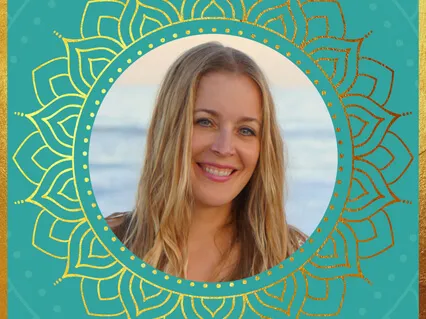
In today's episode I am super pumped to interview Andrea Owen.
Andrea and I got connected through our publicists because our books came out around the same time in early 2018.
Andrea Owen is an author,
Mentor,
And certified life coach who helps high-achieving women let go of perfectionism,
Control,
And isolation to choose courage and confidence instead.
She has helped thousands of women manage their inner critic to create loving connections and live their most kick-ass life.
She is the proud author of 52 Ways to Live a Kick-Ass Life and her second book,
Which is what we'll be talking about,
Is How to Stop Feeling Like Shit 14 Habits That Are Holding You Back from Happiness.
Andrea is a certified professional co-active coach and is a certified Daring Way facilitator based on the research of Dr.
Brene Brown.
Andrea's book is not about a course in miracles but it is about 14 habits,
In course of miracles terms,
Ego habits that hold us back and how to overcome them.
So let's listen in to my conversation with Andrea.
Andrea,
Welcome to the show.
I'm so happy you're here.
I'm so excited to be here,
Corinne.
Thanks for having me.
Yay!
So we're gonna dive in today.
Andrea wrote this amazing book called How to Stop Feeling Like Shit.
Andrea,
I'd love to begin with would you just tell us a bit about your story and how you came to write this book?
Yeah,
Well I mean the whole journey is like my whole life brought me to write this book and it really came from more specifically it came from just paying attention over the years to you know as a life coach and mentor to women,
Paying attention to the patterns that I was seeing over and over again with my clients and not to mention in my own life.
And I wrote a book previously that was sort of the precursor to this and then I was also certified in Dr.
Brene Brown's work on shame resilience and vulnerability and connection and she talks specifically about a few of the behaviors that I talk about in the book but upon further digging into it I realized there was this whole sort of library of behaviors that many people do not just women my primary audience audience is women but we just do out of habit that we've learned over the years to cope.
I mean these are our coping mechanisms and I know that your audience struggles with anxiety and I personally was diagnosed in 2003 so it's been 15 years with severe anxiety and panic disorder and it's been quite a journey and learning how to manage that and I'm super happy to be here to talk about it.
Oh I'm so so happy and we're really gonna dive in because I love how in your book you know you're talking about these 14 habits that hold us back from being happy and from a course perspective I could call those ego habits because they're sure,
They're totally ways that the ego shows up and I really want to dive into what you mentioned about shame and vulnerability but I'd love to back up because there's a big course of miracles parallel with that but I want to back up and just tell us more about you tell us more about you know your history and just your journey with how you've come to be where you're at now.
Yeah so I grew up in a pretty normal household and you know I was lucky enough to to have two parents as I grew up and they didn't split up until after I had left the house which is a whole other story but I you know the on the flip side the the part that I wish my parents would have done better was that they never talked about the hard stuff and there wasn't even like a whole lot of compassion or patience for any kind of mental illness or struggle I really at all it was kind of a family motto of you know brush yourself off soldier on you can do it and if you had if you had feelings other than being happy then you went and did those in your room by yourself and when you were over it you came out and you know welcome back to the family but there wasn't a whole room for embracing all of the feelings all of the struggles all of the challenges and I grew up met a guy got married we'd been together for 13 years and we were just talking about trying to conceive our first child and he had an affair with our neighbor and got her pregnant and my whole world fell apart and and more devastating to lose him was losing his family that when my parents split up when I was 18 his family embraced me and I was you know pretty much adopted by them without the legal paperwork but he had a large family and they were very involved with each other and looking back it was very dysfunctional as a lot of families are but they were my dysfunctional family devastated to lose them and then I started dating someone whom I thought was Mr.
Wright which is really probably the last thing I should have been doing and at that time and he had cancer and it was this really difficult relationship with him being sick several months after that I found out that he did not in fact have cancer that he was lying about the whole thing as a cover-up to cover up his opioid addiction and he had conned me out of thousands of dollars my divorce wasn't even final yet I was pregnant and really didn't know which way to go and looking back that whole time that was really a low-grade depression for me I had isolated myself from the majority of my friends I was ashamed and this was also right around the time I was 31 so it was like right when a lot of my friends were getting married and or having babies and so it was very awkward and just awful so it was then that I decided okay so the common denominator and all of this chaos is me and not all the blame on me the people you know had done some pretty awful things to me but I had really put all of my happiness and other people and also blamed them for my lack of fulfillment and I decided to take responsibility for my life and all throughout there from probably my early 20s my anxiety was building I didn't have a whole lot of patience for it I tried to push it away and stuff it away I was addicted to relationships and an eating disorder and then it became booze and so I've been sober actually for gosh almost seven years now and and man your anxiety will kick up when you get sober sober thank you for that congratulations and yeah so that was like I know I just talked really fast and through a bunch at ya there's so much in there that I could unpack and first of all just want to like stop and pause and acknowledge the really intense situations that you've been through and for you to come out of that and to say to be able to say wait a second the common denominator is me and that you're gonna take responsibility for your life and no longer look for happiness and others like that's a big deal so just I really want to stop and acknowledge that because that to me exhibits so much strength and so much resilience and courage a lot of courage so I felt honestly current I didn't have any other choice I was it was in I was in the fetal position on the ground in my apartment that was empty by the way because I had I had gotten out of the lease of my apartment and quit my job that I loved because me and the con artists were gonna move away together this was before I found out everything because I was pregnant we were gonna like live happily ever after and then I found everything out and I really just was like I hadn't I felt like I had nothing and that actually wasn't true I had a lot I had people that loved me and still cared about me and a lot of support but it just I was out of money I didn't have a place to live I wasn't homeless but I had a movement with my sister and her family and it was just so humiliating and I just decided like okay this whole like putting all of my eggs in somebody else's basket clearly isn't working try to do it myself and like take care of myself and not from like a pay my bills standpoint but from an emotional mental well-being standpoint that was scarier to me than anything wow wow wow wow I again just want to acknowledge for anybody listening who you when you feel like just like the walls are crashing down all around you for you to say that you felt like you had no other choice like it literally brought you like to the ground in the fetal position and there's rock bottom right and so then at that point it becomes a beautiful opportunity for there be for there to be nowhere to go but but up I was hoping that that was the direction I was gonna go in and I do credit a lot of my friends who just were there and even though they were some of them were moms of young children and it just it was it was hard but I did it anyway and the person that I relied on the most was myself and higher power as well but definitely myself mm-hmm that's awesome that's so awesome because you start out your book talking about shame and vulnerability and the work of dr.
Brené Brown can we start there sure yes and I think that's such a great place to start because I was really surprised that my work had to do with shame because what I hear a lot from my clients and people in my community and myself too you know it's like I don't walk around feeling ashamed I haven't done anything in my life that is so shameful that I haven't told I think you know we've all done things that are shameful but nothing like gigantic where it's this big thing that that I think about every morning when I wake up and what I learned was that anytime we are engaging in pretty much all of the behaviors that I mentioned in the book people pleasing perfectionism hiding out and isolating we do it at it as an effort to try to protect ourselves from shame that was sort of the aha moment for me even the inner critic negative self-talk that that all of us have a lot of that is rooted in shame those are our shame triggers that are you know that are manifested as words or for some people it's just a feeling so hopefully that makes sense that that it really is an effort for us to avoid shame when we are participating in the behaviors yeah so what is shame what you just said that you mentioned this and I remember you saying this in the book that like typically we think about shame as like that moment when you know some like really bad thing that we did comes out in the open and it's like oh my gosh we feel so shameful that that happened but but the way that you actually defined it and worded it in the book was was a little bit different than that yes and I I love that that resonated with you because sometimes the definition of shame can be a little clinical and the way I describe it is that feeling of feeling other than or the fear that you are going to be rejected from the group and that might not be from a literal sense but I think we've all been in middle school where somebody has made like a snide comment about what we're wearing or anything about us my son's in fourth grade and he's already starting to experience this and I'm what I'm glad about is that he's telling me the feeling of being left out or I give an example in the book about a meeting I was in when we had just moved to North Carolina my son was starting the first grade and he's he's high-functioning autism and so we had a meeting with some of the the powers that be and I had just met these people and it was all women and teachers and principals etc and we're chatting before the meeting and then we go in and they're reading his health history out loud at this meeting and all of a sudden they say and Colton lives with his mother and father and sister his mother has a history of alcohol abuse and then like she keeps reading from the health history and I'm like in that moment just like holy crap what just happened and I knew I was in shame and the thing is is like I know I've been sober for several years but these people don't know that and immediately the thoughts came in of oh are they judging me are they gonna are other parents gonna find out and then not want their kids to play with my kids because I have a quote-unquote history of alcohol abuse and it's moments like that where sometimes they're fleeting sometimes they quickly change over into just embarrassment and we all experience it if there's no if someone's trying to sell you like how to become shameless run because there's no such thing normal human emotion just like being happy or scared it's just part of our our life that's that's big and I'm so glad thank you for sharing that story and I want to actually quote you quoting Brené Brown in your book you said that Brené Brown describes shame as the intensely painful feeling or experience of believing that we are flawed and therefore unworthy of love and belonging something we've experienced done or failed to do makes us unworthy of connection so what you just said now and reading that quote in your book a light bulb went on in my head because I too didn't really feel like I could connect with the term shame but like you're clearly saying we all feel it and just to make a quick course of miracles parallel here of course miracles talks about how we carry unconscious fear and guilt and that to me that definition that I just read and what you just shared really is reminiscent of you know carrying around fear fear and guilt that were somehow flawed or somehow unworthy you know we're not worthy of making a connection or being truly loved so that's a really big that was a big aha moment for me so thank you for that yeah I think sometimes even Brené's definitions can be clinical because she's an academia in social work but the way I would even I think that that quote from a course in miracles I think that you could even replace guilt with shame because the difference is guilt is a focus on behavior like I did something wrong and shame is that I am wrong so my example that I gave of being you know outed as someone who used to have a drinking problem if I felt guilty about it that would mean that I felt like it was not a great thing that I drank too much sometimes but shame is I am a bad mom because I was an alcoholic they're very different and some people say like oh it's just you know semantics and I disagree I think that and there are studies I mean I could go into the studies about what the behaviors are of people who are more guilt prone versus shame prone but I think that it's important to make that distinction in your own life of what you're actually feeling that's that's so so helpful I think that was just such a brilliant way of I have not thought of the difference between shame and guilt before so that was just so super helpful and thank you for that what does shame have to do with the 14 habits that you write about in your book yeah it's it's definitely when we are participating in these behaviors then we are doing it as kind of a cover-up or mask or armor if you will to try to avoid shame because if I'm if I'm employing especially perfectionism those are easy examples or people pleasing then so for instance I'll give you an example say I had messed up the time for this interview and you called me on Skype at the appropriate time and I am like oh my god I just got home from the gym and I'm not ready can you give me like 15 minutes to get ready I I have the it's very risky that I could fall into shame you know because I don't want Corinne to think I'm inexperienced and I'm unprofessional that I'm unorganized and I'm a flake etc etc we all have these kind of unwanted identities that we do not want to be seen as from seen by it by other people so what that means is what I might do is send you like just go overboard afterwards and say like oh let me connect you with this person that I think you would be you know just really going like above and beyond basically ass-kissing try to make up for what I did because I feel some shame about it or really trying to or just like never speaking to you again like maybe you reach out afterwards and say oh I would love to have you on the podcast again and then just like ignore your email because I'm so ashamed about what happened so that's you know perfectionism and hiding out that's what we do a lot of time to try to just to figure out just to cope is what I'm trying to say and that never the reason I think it's so important and why I wrote the book is because yes we all do those behaviors but rarely if ever does that line up with the person that we want to be I don't want to be the person that ignores you if you're reaching out to me I don't want to be the person who who Brown knows it is when that's not really authentically who I am so what I try to do the point of the book is not to say hey Corinne here's 14 things that you're doing wrong I think you should probably fix those so you can be better at life like the rest of us I don't want people to feel like that at all what I want the win to be is that you recognize quickly when you're doing them so that you can try to employ different coping mechanisms that line up and make you feel better about the person that you are trying to be that you are what might be some of those coping mechanisms that we would do to not keep going with that pattern the hiding out and isolating one is a big one and I'm wondering if that might be one of the biggest ones with your audience especially for people that struggle with anxiety I know myself included I had a really hard time getting people to understand what I was going through and even I went through a period of time where I didn't even know what I was going through I just felt like I was losing my mind I didn't feel like I had support I had little tolerance for for mental illness and a knowledge of it at all and it was confusing and conflicting so what I would do is and when I'm talking about isolating and hiding out I'm not talking about people who are naturally introverts who would rather stay home than you know and watch their favorite Netflix show then go to that big party you know or happy hour or whatever I'm talking about when things are really hard in your life and challenging and you don't tell anybody about it you know six months later somebody finds out that you were really struggling with your anxiety and had to get your meds changed and you know it's like one of your best friends and they're like why didn't you reach out to me and it's those types of situations that I'm talking about and so what that one specifically is about it's about finding the right people and this you know coincides with Brené's work as well and and this can be tricky grown-up friendships can be I don't use the word complicated but out of college or maybe you work from home or something and you just don't have those built-in systems to meet people that have similar interests as you you have to be proactive and go out there and find friendships and try to nurture them and that's what I talk about in the book but it's finding those handful small handful of people that have what Brené says have earned the right to hear your story who you trust enough to from an organic way slowly and surely tiptoe into sharing the bigger parts of your life I'm so glad you went there because that was gonna be my next question because I remember you talking about that in your book about having that that small group that has earned the right to hear your story because I will share from my experience the periods that I went through of like on the couch can't get up dry heaving like those periods of anxiety it wasn't that I isolated and just wanted to I mean I did I did isolate but I still did reach out to certain key people that I knew could help me in the way that I wanted help and for me very specifically that was I didn't want a pity party I didn't want the oh you poor thing this is terrible like that to me like trying to brainstorm solutions for you exactly exactly like no thank you like yuck and and instead I went and shared with people like my husband and my mom who were willing to see past the you know yuckiness of what I was going through and and side with the belief that they knew that I was gonna pull through this like those were the people that I reached out to and talked to and shared with because I just knew they wouldn't give me advice and they wouldn't give me that pity party either well and I'm glad you brought that up because what I want people to know and I do talk about this in the book and it's it's no coincidence that it's one of the very first chapters in the book because it is so incredibly common but if I could just give people some more advice on this that those people can't read your mind you know your husband and your mom they can't read your mind about what you need and I was just literally on the phone this morning with a client who is working on communicating with her partner about asking for what she needs because her partner tends to go into fix-it mode when she brings something and as many people tend to do because they care about us and they love us and they don't want to see us in this challenge or pain anymore and so it's about coming from a place of love and saying thank you so much for your advice and trying to help me with this here's what I need from you when I'm in these moments when I can't get up off the couch and and I'm having all these physical symptoms I need you to just sit with me and hold my hand and ask me if I want a hug because like you might not want a hug in that you know I know sometimes we don't want to be touched in those moments so in its and people the people that care about you the most they want to know how to show what best for you they do they might get a little bit defensive when you tell them but this it's all like like grown-up communication is one of those things like why don't they teach us that in high school we need to know to have successful relationships I've had to learn it the hard way and now I'm like oh there are classes and books about how to do this and how to say this and a lot of times we don't know what to say and you know whether you're the receiver or the giver of this particularly challenging moment but I just it is so important to be clear on what it is that you need and say it as best you can from a place of kindness I am so glad that you went there because that is just such an important point to remember that people cannot read your mind and we literally can teach those that we are close with you know around us how to give us that support and I love how you worded it saying that people want to know how to show up to you they want to know how to help you so that was so incredibly helpful yeah awesome awesome awesome I'm wondering if you feel if another one of the habits that you write about in your book is coming forward for you that might be relevant to share with my own wondering yeah there's might be a couple of them and you tell me because you know your audience best I would say chapter three about numbing out or chapter four compare and despair or you know what even um the self-sabotage I think people who struggle with anxiety tend to self-sabotage sometimes either but what do you think let's start with self-sabotage I want to okay yeah self-sabotage is that thing that place that we go to where we usually know what's best for us but we do something else and we do this for a couple of reasons sometimes we do it because we're so used to doing the other thing we know what the outcome is going to be if we keep texting that ex-boyfriend or girlfriend who is not good for us we just it's a pattern that we know and other times it's a little bit deeper than that and it's a worthiness issue you know we don't feel worthy of of having anything better in our life and so we continue to self-sabotage and make things harder for ourselves and I think that it can be layered and it really is about doing the work as all of these as all of these things are but you know just one thing about it is one thing that you can do is like if anyone's in therapy I highly encourage you to like come right out and tell your therapist I tend to self-sabotage can we dig deeper into this can we can we look at this but I think that I can just offer one tool that's from the book is about just making a list of what exactly it is that you're looking for when you are going after the thing that you really want that you know but you're self sabotaging so and it's not it's usually not the thing that we want it's you know so maybe it's a promotion at work and maybe you really want to get a raise or a promotion but you keep showing up late or you say that you're going to apply for the promotion and you don't you know you leave early on Friday instead so I would be really curious like what is it that you actually want because it's not the promotion it's something else and it's probably not even the money it's something else like related to it so is it the recognition do you want the validation like none of these things are wrong like you're allowed to want whatever it is that you want do you want the financial security do you want the your parents to say that they're proud of you like this is all important for you to know that you actually want so that you can dig deeper around that does that make sense yeah that makes so much sense and you're actually reminding me of something that I talked about in my book about looking at I use I think I mentioned self-sabotage but I refer to it you know Freud called it the death instinct I call it in my book you know yeah right but the unwillingness to heal and you're reminding me of that you know important question that we need to also ask ourselves is that what is the benefit here like what am I what is the benefit that I'm getting by hanging on to this negative behavior you know how is it yeah yeah yeah and uncovering that could be so super helpful well and sometimes it's just because you know what the outcome is gonna be so for the woman who keeps texting her ex-boyfriend when she's single when she knows that it's not gonna be good for her she knows what the outcome is gonna be there's certainty in it and we as humans are like typically allergic to uncertainty like we don't it's because it's vulnerable it's vulnerable and we don't have any control you know for her to actually go out with some like her friend you know it's setting her up on this blind date with someone who might be actually perfect for her that is scary she might actually have to show up in a different way and and receive love like these are the deeper topics that I would love for people to dive into in their own life that's awesome that's so rich I'm I would love if you're a game to also talk about numbing and compare and despair because I think that both of those are so super relevant so could we could we touch upon each one of those yeah I mean numbing is a big one right we numb I don't know anybody that doesn't do it so let me just start by saying that like this isn't again this isn't like here's the thing that you're doing wrong and you need to stop doing it I think it can be tremendously helpful for you to know what it is that you're actually doing and why I think you know for a lot of people listening who struggle with anxiety there is probably a numbing mechanism that you do that helps your anxiety there's a saying in the 12-step program that says it works until it doesn't and that's the case with all of these I think especially numbing and we get to a point where it works until it doesn't and I know personally for me drinking was the one that I did it to quote-unquote take the edge off and it worked for a little while until it wasn't working anymore and it wasn't fun and it was actually this cycle that was making my anxiety so much worse and I knew for me given I have a family history of alcoholism I knew that this was a path that I was going down I knew where I was gonna end up essentially and and so I quit but before that my numbing mechanisms were controlling the food and the amount of exercise that I had and the size of my jeans it was also I was extremely codependent it gave me relief to try my hardest to control other people and that ended up exploding in my face because Lord knows we can't control right right I try it I'm gonna die trying you know I go ahead I was just gonna jump in and just say another numbing mechanism that comes to mind with anxiety and I feel like often people engage in this not recognizing that it's anxiety driven is when we get so busy where our schedules are so filled because we don't want to if we get quiet and stop that's when the anxiety starts creeping up so the numbing is to do it's like a form of distraction you just say stay so super busy where we're always on the go always non-stop always doing a million things because it feels like you know if we stop then we're just not gonna be able to handle what comes forward yeah busyness is definitely I mention it in the book it is is so much and that's the one that I've struggled with since I quit drinking it's work and busyness and I have had to intentionally create meditation practice and and gaps of time in my calendar so that I can sit in that discomfort of what you were just saying because it's a practice it's rewiring your brain to be able to to do those types of things and and for me to you know kind of jumping ahead a little bit my anxiety does still creep up I think the difference is now when it happens versus when it happened before the anxiety is the same it feels the same but the difference is now is that instead of resisting it I've surrendered to it I got the word surrender tattooed on my arm for moments like that and it's never comfortable it's never fun I would rather not there's so many other places I would rather be than at home alone in my anxiety but I have learned to sort of I mean for lack of a better way of explaining it sort of like open the door and just say like alright you're here today come on in I'd rather you not be here but whatever and you know let anxiety dance around the house for the day do whatever it is that I can you know watch my caffeine intake etc etc and then the next day typically it's gone and the more I tried to like close the door on it and like stack furniture and what you're talking about is not bypassing you know not taking even a spiritual bypass of like oh I'm just gonna not feel my feelings and I'm just gonna do my course of miracles lesson and just you know try to pretend that everything's okay and to like get there you're talking about facing your feelings and I love in your book how you called could you speak about what controlled emoting is yeah so controlled emoting is it and and honestly one of the biggest wake-up calls for me when I got sober in 2011 was learning how to feel my feelings I remember the first time that something big happened in my life and I could not turn to alcohol where I had to sit through it and I'll tell you what I don't know if anybody listening can relate to this but I had a subconscious belief that if I walked through those really challenging times that I would not make it out alive I really felt like it was too big for me like if I opened up Pandora's box I might never stop crying and that was too scary for me so controlled emoting is like when you know you have this big thing that's happened in your life and you have been avoiding it for a lot of people it's family of origin stuff or some kind of trauma which you know PS of course I have to say a disclaimer if you have big trauma please go and see a professional to work through that but I think for many of us there can be some sadnesses that we have where we've been avoiding it and it's and it's really quite simple you just get out whatever sad music really does it for you you know if it's Adele if it's you know whatever and get out photographs that might sort of jog your memory in that or you know get into your bed and just feel it just feel it for some people it's writing about it journaling about it and then whatever comes whatever waves kind of feels like it's crashing over you let it crash over you and I and I just want to say one more thing about it it's it's trust that it maybe set the intention where you trust that you will be okay on the other side I think one of the biggest lessons for feelings is you know even just asking myself the question what if feelings were just information what if it's just my body knowing what to do when you have to sneeze like you can't hold that back your body is like trying to get out whatever it is I don't know what happens your body when you sneeze or like sweating you know your body is just like it's like a cooling system what if crying was just the same thing it's so interesting to me like what if it was that easy is what I'm trying to say I love that I love that thank you so much for that that's so so super helpful and with control demoting like would you if you need to feel like there don't is going to be an end could you like set a time like I'm gonna do this for 30 minutes or well you can put a timer on it and then even you know if you're gonna reach out to a friend and say like I'm gonna do this can you text me at 4 30 and just check in on me and say I'll see how I am or check you know text me tonight to see how I am I love that I love that thank you thank you thank you for that yeah I'd love also now to just touch on compare and despair favorite oh boy there's you know one of my favorite quotes is comparison is the thief of joy one of the the Roosevelt's I believe said that and so yes let's go here I just would take it in one step further than that like comparison will kick the crap out of you it really truly can take you from 0 to 100 I mean have you ever done that before where you like you're feeling pretty good about what you're doing you know you're like oh you know good proud of yourself and then you look over you stumble on somebody else's website or you know somebody post something on social media and then you're back to feeling like the biggest loser that ever walked the face of the earth or sure it's happened to all of us and I think that there's several you know ways to practice combating that and one of the things that I mentioned in the book is control what you can and I talked about you know I went on an unfollowing frenzy on Instagram this is just an example because I had I had followed all of these fitness people who and at the time it was not working out at all so my goal was especially the people who did like these short little videos these one minute exercise videos I'm like oh that looks interesting like maybe that'll like come on like dude I really think I was gonna like stop it at what I was doing like while I'm sitting on the couch or the toilet and like a bunch of leg lifts for a minute like that's gonna get me in shape I thought it was gonna be motivating and inspiring and it was not at all and it you know had quite the opposite effect and you know and and I know offensive fitness people that used to be my background I love them and I think that they're necessary but it just was making me feel crappy so I unfollowed all of them and just was really mindful of it and now what I do is when I find myself going down into that compares in despair crap I have a mantra it's the same mantra I say when my inner critic is getting chatty which compared to spare is pretty much the same thing and I say well that just happened and I change what I'm doing so I'm not I don't what it doesn't even really work for me to do positive affirmations it doesn't sometimes I especially if I find myself getting jealous of somebody else's success anytime it's a woman I celebrate that and I'm like that is amazing for her like just celebrate the crap out of her success and then move on but for the most part I'm just acknowledging what just happened and move on from there that's awesome that's I love how you say that well that just happened and then you change what you're doing and that just implies you know well that just happened you're just noting it you're you're witnessing it seeing it come up seeing it go and then moving on that's doesn't have a positive or negative charge to it and and really like you know I say this because that has worked for me if you want to say positive affirmations in that moment and that works for you go for it if you want to I'm just what I say and do is not the gospel you have to do what works for you but I have found that putting a positive and negative charge on it a takes more effort to come up with words and B is just it's not it doesn't work for me so I just like neutral mantra done awesome I love that so much this has been so incredibly helpful I feel like there's so many delicious takeaways from this and I'm wondering as we wrap up is there one piece of advice or one takeaway that you feel moved to leave my listeners with I think that a few but I think that especially people that struggle with anxiety I feel like in some cases and some people might like roll their eyes and like want to punch me in the face for saying this but I think we're the luckiest we feel harder than other people the world is I remember when I was really in the depths of mine I used to close my eyes and imagine a zipper from my head to my leg and just like wishing I could like unzip and like crawl out of it like I wanted to crawl out of my skin and I just felt like a raw nerve all the time but I think now that I've been able to get a handle on it by doing so much work and I know that the people listening are doing that because we're listening to your podcast that you know what if you could change the perspective and feel like maybe we have a leg up on everybody else that doesn't have anxiety you know that and just be kind to yourself for it and again once I surrendered to it and sort of let it in and just kind of gave up the notion of trying to fight it and making it bad or making me wrong for having it honestly Corinne that changed everything because I wanted so badly to make it wrong and bad so that I could be good and better and not just it didn't work and I don't think that would work for anybody so self-love self-compassion self-kindness will get you far that is everything Andrea thank you so much everybody go out and get Andrea's book it's how to stop feeling like shit 14 habits that are holding you back from happiness and Andrea I just have to tell you that I love the cover it has this really colorful confetti all over it and it's just beautiful it makes me happy the people that had chat books did that but I love me too I love because the font is very masculine and I feel like you know I'm not it's not like a heavy book so the confetti was perfect it's awesome it's awesome thank you so much for joining us thank you so much for having me wasn't that a fun conversation I absolutely love Andrea's energy her passion and her work in the world so without further ado here are my takeaways takeaway number one take responsibility in healing we need to take what I call radical responsibility so whether you are a student of A Course in Miracles or not we are always the common denominator in every situation in which we find ourselves I was so inspired by Andrea she was at rock bottom and still rather than get stuck in blame and in pointing the finger at others she chose to take responsibility for her life I really believe that this is the first step in making new choices whether our choice is now for a spirit or maybe some other change that we feel moved to make takeaway number two tell others how they can best help you this point that Andrea made is so important because often we lapse into thinking that others should be mind readers and know how to best help us as I shared when I was in the throes of anxiety I didn't want people siding with the unwell picture of me I wanted people to see me and side with my strength my wholeness a great example of this is the story in my book where my stepdad looked at me while I was curled up on his couch having panic attacks and he said the light in you is too bright to fail so whatever it is that you need choose who you will confide in and tell them how they can best show up for you they will feel good about being truly helpful and you'll feel good for getting the help that you need takeaway number three Andrea shared some of the habits that hold you back including self-sabotage compare and despair and numbing of course there's more she covers in her book but reflect on these and consider how you use them after examining this with radical honesty take whatever you uncover to spirit without any guilt and offer it over to spirit to learn more about Andrea's work and her book how to stop feeling like shit 14 habits that are holding you back from life visit Andrea's website at your kick-ass life calm or come on over to the show notes at from anxiety to love comm forward slash 20 in the show notes you can always get my written takeaways as well so let's keep the conversation going in our Facebook group which you can join at from anxiety to love comm forward slash group thank you so much for tuning in I am with you in your journey of undoing fear I'll leave you with the last few sentences from my book from anxiety to love I believe in you we're healing together every gain that I've made is a gain for you and every game that you make is a gain for me my gains are yours and yours are mine because we are one we're going to make it the light in you is too bright to fail if you buy a copy of from anxiety to love make sure you take advantage of your free bonus the from anxiety to love summit which features six interviews with experts in undoing fear get access at from anxiety to love comm forward slash summit thank you so much for listening and I'll see you on the next episode