Aloha,
I'm Reverend Cindy Palos and this is another episode about the key elements of finding peace.
And this one's about how worry takes away from a peaceful state of mind.
And I was realizing this as I started to see many people going on to Facebook or the news,
Listening to the news of course,
Can do it.
But all of a sudden you start to worry and we know that when you worry,
A lot of things happen that you don't necessarily want to have happen.
But the thing is there are alternatives to worry.
And part of that is actually recognizing what's going on in your mind.
Being aware of where your mind might be spinning out of control.
And that's what you learn when you meditate.
And that's what you learn when you're aware and you can actually train yourself to be aware and to take certain steps to keep yourself from worrying.
In the last year and nine,
10 months,
There has been a lot of worrying and concern about what was going to happen with COVID.
And many cases where people ended up in the hospital,
Of course you worry when someone's in the hospital that you love.
You can even worry about someone you don't even know,
But you read about on Facebook that's in the hospital wanting prayers.
You can worry about things that you hear in the news with no one you even know,
But you worry about their situation.
But instead of worrying about the future,
Your situation,
If you can live in the present moment and really draw yourself right back and train yourself to go back to right now,
Right here and now,
You can indeed find that you can make a difference in the way you are thinking,
Your state of mind.
And I know that a lot of what we're covering in the Elements of Peace actually go right back to some of these same principles that you can do to bring yourself peace of mind.
And it's important that we,
First of all,
Realize that we can.
We can indeed say,
Okay,
I can do something about this.
Lao Tzu said,
If you're depressed,
You're living in the past.
If you're anxious,
You're living in the future,
Which would be worry.
If you're at peace,
You're living in the present.
So living in the present is a present.
Living in the present is indeed a wonderful way to deal with things because most of all,
We can deal with what we're or where we're at right now in this very moment.
Now,
Of course,
This right now moment could be a very,
Very,
Very tense moment.
So you have to use some other tools that you have available at that time if that's the case.
But just knowing that you can train your mind to stop worrying and going to these other places,
Just knowing that helps you to stop worrying.
You know,
Why worry if something can't be done right now?
You can make plans,
You can make lists,
But worrying does not help.
In fact,
Worrying actually draws what you're worried about to you because you're thinking about what you're worrying about.
And when you think about it,
You're actually programming and directing your mind to think about those things that can indeed come and become real.
So stop worrying.
Stop worrying.
Don't worry.
Be happy.
And I know it's easier said than done.
There's some wonderful quotes about worrying.
One is worry is a conversation you have with yourself about things you can't change.
Prayer is a conversation you have with God about things He can change or She can change.
And prayer is one of the keys.
It's one of the good keys you can use to stop worrying.
Because at that point,
You feel like you're doing something about it that's positive.
And that's very important for your peace of mind.
So think about taking some moments to pray,
Not to pray in a negative way,
But to pray for a positive outcome and a positive frame of prayer.
And when you are saying your prayer at the end,
Remember to release it,
To have that faith,
To let it be.
And so it is.
And there's a wonderful saying in Hawai'i at the end of a prayer.
Puli is the name for prayer in Hawai'ian.
At the end of a prayer,
A puli,
You say,
Amama,
Amama,
Ua noa.
That means the prayer is free.
So what are you doing when you're praying?
You're taking the worry out.
You're talking to God in a positive way and letting God take care of it.
And you're letting it go and freeing it.
It's a wonderful feeling,
Actually,
After that,
If you can just go instead of worrying pray.
Another thing you can do is breath,
Breathing.
My Zen teacher,
Bill Kwong-Roshi,
Said,
Breath sweeps mind.
And if you really watch your breath,
If you watch and be aware of your breath,
Sometimes when you're worrying,
You are breathing very shallowly or you're sometimes even holding your breath.
And if you breathe,
You immediately can start sweeping your mind and changing that state of mind to release that tension in your body,
To change that whole state of mind to be clear by breathing.
When you are breathing consciously,
You are focusing on your breath,
Breathing.
Breath,
Breathing in,
Holding it,
Breathing out,
Watching the breath out,
Holding the breath out,
Pausing and breathing in and extending that.
So it's four breaths in,
Holding for four breaths,
Breathing out for the count of four,
Holding out for the count of four.
And as you do this,
You'll find that your mind has something to focus on.
So just that alone takes your mind away from worrying.
It also helps to relax your body and to relieve tension.
And it clears your mind and sweeps your mind,
A wonderful way to stop worrying.
Positive affirmations are also very helpful.
I have written so many positive affirmations.
And again,
What you're doing at that time when you're writing or saying a positive affirmation is you are creating and envisioning a successful solution to what you need.
So again,
You're reframing and rethinking what is in your mind to create something to have a positive outcome.
So again,
You take your mind from worrying and you re-picture it and re-envision it to have a positive outcome.
And if you are doing a positive affirmation,
You want to frame your affirmation in positive words.
You don't use negative words.
You use positive words.
I am at peace.
You know,
It's a positive,
Not,
I'm not going to worry.
But I am at peace.
Use that positive affirmation and repeat it as necessary.
And it really helps for your mind,
Again,
To draw to it what you need because your mind is an energy magnet.
And you can then actually create the patterns and vibrations for the solution.
Another wonderful tool to overcome worry is for a way to look for what's right and what's not wrong.
There's always two sides and two ways of looking at anything.
If you start listing all the things that are going wrong and what is bad,
You are going to draw that negative energy to you.
And it could be overwhelming.
If you instead think of the things that are going right and you count your blessings and say the things that are right,
That you do like that are happening,
You are going to,
Again,
Let your mind think positively.
And as your mind thinks positively,
You start to believe that indeed good things are happening.
And when you believe good things are happening,
You don't worry.
You know,
You start to see,
Oh,
All these things are all right.
I'm all right.
It's okay.
It's okay.
You begin to find that that anxiety starts to slip away.
And you start to think,
Hey,
It's okay.
I can deal with this.
Another key is acceptance for peace of mind.
And you don't want to ignore situations that are very imminent that you have to deal with.
But if you learn,
As you do when you're sitting in meditation,
To accept what is going on in your mind,
To accept that situation and see it from the objective observer's point of view,
Then you're not engaged in the drama and the emotions of it.
You see it in a whole different light,
A different perspective.
That acceptance really can indeed help you to deal with the situation from a higher point of view.
There's a term called positive reframing.
That would be my next key.
It's a way of reminding yourself what's happening right now won't last forever.
It's not going to always be like this.
You know,
It's tough right now,
But I can get through it.
Just tell yourself,
You know,
Right now,
Maybe I'm going through something,
But I can take actions.
Knowing these keys I'm telling you about is actions that you can take.
And then you won't always feel the way you're feeling when you're very anxious and upset.
Many people lose their state of peace of mind when they're upset by something or someone who has done something.
And that's when the practice of forgiveness comes in.
Forgiveness doesn't just help you.
It helps the person that you forgive and it helps you.
When you are feeling more forgiving over a while,
They found out over a course of five weeks,
You can indeed experience less stress and fewer mental health symptoms.
Holding on to anger and grudges and slights really just takes away from your peace of mind.
You don't want to feed that emotion and that disappointment or that resentment.
It can cause problems with your sleeping.
It can cause anxiety.
It can cause depression.
It can cause poor heart health.
It doesn't really help you at all.
So it's a deep practice,
The practice of forgiveness.
Hoʻonopono Pono in Hawaiʻi it's called.
I forgive you.
I'm sorry.
Please forgive me.
I love you.
That's some of the basic simplified version of it.
Another key to keep your peace of mind is having compassion.
I mean,
It helps if we imagine we are a Buddha sitting there in a beautiful state of peace,
Having compassion for what's going on in the world right now.
There's so much going on in the world and you have to have some compassion for yourself and you have to have some compassion for other people because it's been a tough,
Tough time for a lot of people.
And you may not even know the half of what other people are going through.
Walk a mile in their shoes and you'll find that you have more compassion for them.
See yourself and what you've had to go through and have first some compassion for yourself and then it's easier to have compassion for others.
I think one of the greatest ways to overcome worry is to practice meditation.
There are lots of ways you can practice meditation.
Mindfulness is one of the ways.
I've written many things about meditation.
But if you just again follow the keys here of breathing,
Of being aware,
Of being aware of your body,
Of being aware of your state of mind,
With just letting yourself be at peace,
You will find that meditation is really so important and so helpful and such a way to reconnect with your true self.
A true gift every morning you should meditate.
Every night you should think about meditating and play back how your day went and do what you need to do to let go and release.
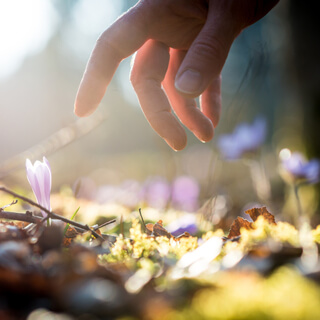
And a couple other things I just want to conclude with this walking in nature and listening to music.
I love walking in nature.
I walk in nature every day.
Walking in nature reduces stress in so many ways.
It helps because you are thinking of beautiful things.
You have trees around you,
You have air,
You're doing something good for your body,
You're also doing something good for your mind.
You are thinking,
I mean you should think about how many things that are beautiful that you're thankful for.
Go for a walk by the ocean.
If you don't live by the ocean,
Go for a walk in a park.
Go for the walk on a path.
Walking is a wonderful gift to do every day.
And stay in the now.
That would be number 10.
Staying in the now is so important.
If you can just bring yourself right now to the here and now and not let your mind spin into what's going on in the future.
Not let your mind worry about what's going to come.
Not look back on what has happened.
But know right now,
Here in this moment,
You are okay.
Right here and now you can deal and expect only yourself to be at peace.
And you can do that through all of these wonderful keys.
By breathing,
By just letting your breath sweep your mind,
By praying,
By meditating,
By forgiving,
By going down the whole list that I've given you.
You will find that you can stop worrying.
You can be happy.
Don't worry.
Be happy.
Find that peace of mind you need.
You can do that and you will find that it will really be the best thing you can do to release worry and anxiety and stress and to feel good.
So let yourself feel good and say thank you because gratitude works too.
So I'm saying thank you,
Thank you,
Thank you.
I appreciate it.
Thank you,
Thank you,
I appreciate you listening.
Be happy.
Don't worry.
Be happy.