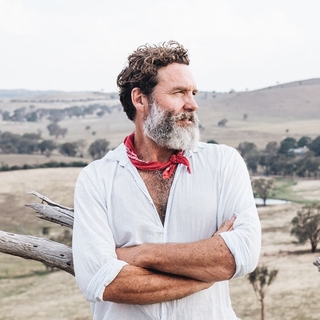
If a problem is an unmet need,
In this case the problem is global health or human health,
We need food to be produced in a way that is regenerating that landscape and is nutritionally dense.
Now that is a solution to a problem,
The need to save this planet.
That was Charlie Arnott and you're listening to The Regenerative Journey.
We acknowledge the traditional custodians of country throughout Australia and internationally,
And their continuing connection to country,
Culture,
Community,
Land,
Sea and sky.
And we pay our respects to elders past,
Present and emerging.
G'day,
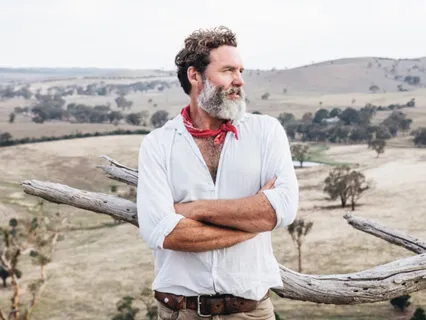
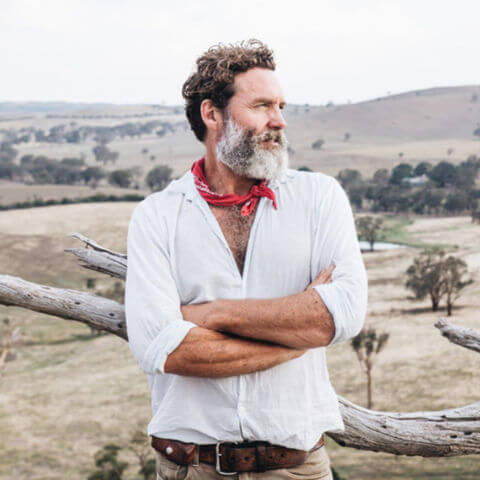
I'm your host Charlie Arnott,
An eighth generational Australian regenerative farmer,
And in this podcast series I'll be diving deep and exploring my guests' unique perspectives on the world so you can apply their experience and knowledge to cultivate your own transition to a more regenerative way of life.
Welcome to The Regenerative Journey with your host Charlie Arnott.
G'day,
Welcome to episode one of the third series,
Actually I'm not sure whether to call it a series or a season.
I kind of like the word season,
They use that on the internet,
On the line,
On Netflix and others more than series I think.
But nonetheless the third instalment,
Let's just say,
Of The Regenerative Journey,
Very excited to be kicking it off again.
I've had two months away from the microphone,
Well actually not from the microphone,
Two months away from releasing the weekly podcast,
Which I say I actually have missed that process,
I mean it's quite hectic at times.
I trust that series three,
Season three will be a much smoother ride as we all pull together to keep it on track.
For a number of months I think we are still in the process of working out how many numbers,
How many episodes we're going to do.
There are more than enough potential interviewees to last a couple of lifetimes to be honest because there is so much interesting and wonderful storytelling to be done by our wonderful interviewees.
So it's actually,
I'm spoiled for choice I have to say and that's a wonderful thing.
So look welcome to the show again.
I can't remember which episode this is in the total line up but I thought that it was probably worthwhile me kicking off season three with some insight,
If I can call it that without pumping up my tyres too much,
Insight into where I see regenerative agriculture and its associated modalities,
Which there are many of them,
How I see that sort of playing out in 2021,
What's happened in the last couple of months and I guess,
For want of a better word,
Insight into a number of the sort of trends I see happening and continuing I trust because they're all good trends generally in this sort of space and certainly I'm looking forward to digging into the insightful journeys and wisdom of my interviewees as we roll through this instalment,
Which yeah,
Maybe you can tell me,
Anyone out there,
A bit of feedback,
Series or season,
I'm not sure what really matters.
So look before I get cut to the chase with sort of some insight as it were,
Look the last couple of months have been wonderful.
I've spent a lot of time at Hanaminahou our farm.
It was such a wonderful January I can't tell you because the previous January was very challenging.
We had,
We didn't know it at the time of course but we were just coming to the end of a very challenging sort of 18 months with very little rain.
We're in massive rainfall deficit I'd have to say and the country is still playing catch-up.
We've had a beautiful rain,
Look six,
Seven months now it actually started raining in about this time last year,
Early February it started to fall.
We just sold our,
Literally within a week or so we'd just sold sort of the last of a fair chunk of cows.
We'd kept some cows but there was a last sort of sale of our cows that were probably,
If I'd known had the crystal ball,
Wouldn't have sold.
Nonetheless that's just the way we roll.
It was a decision that we made based on what I knew at that point in time.
So yeah look January was amazing.
It was reasonably cool.
It was sort of good in a way to have had the benchmark of the previous January just to really appreciate it and be grateful for the people on our team.
The grass we had,
We oodles of grass,
Probably like fair to say twice as much grass as we probably could have dealt with at the time.
The cattle prices are amazingly good for those selling,
A bit tough to get into if you're buying and sheep not so different.
Little birdies flying around,
Is that a noisy miner?
He's sitting there going what are you doing in my garden?
And the beautiful magpies,
Don't you love that?
It does remind me of Macca,
Macca on a Sunday morning in the ABC.
Is Macca still on?
He used to always have like a little break,
Run a few magpies like that.
It was pretty much like that.
Good on you Macca.
So look that was the farm and that was the two months.
But yeah I'm really looking forward to 2021.
Looking forward to filling your ears and ear waves,
I should say with some wonderful stories.
So look before I get onto dare I say insights,
I just want to let you know that we have and I know you've probably seen it on newsletters and that sort of thing and I'm not even sure if we had it going for when we finished there in the last year,
I can't remember now.
But Patreon is a wonderful platform where people can sign up to basically support in this case,
In our case,
The continuation of the regenerative journey into production.
I'll bang on a bit about that later on but there's some seriously good stuff going on in terms of if you sign up membership benefits I guess you'd say and exclusive content.
I'm still getting my head around what that even means.
So trends,
Trends in the space.
I want to start with I guess the other end of the spectrum from where I am.
Yes,
I eat food like most people do but I guess I really consider myself more a farmer than just a good old fashioned eater.
But I'd like to start at that end of the spectrum.
There's no doubt,
I don't know as many people who could actually argue the point that there's many many people more and more growing tired of curiosity and maybe there's a bit of curiosity.
Maybe fear and hopefully just intrigue and empowerment in consumers,
In customers,
In people,
In eaters wondering where they're,
Well not wondering anymore because they can find out,
Wanting to know where their food comes from and who's grown it and how they've grown it and what conditions and what are the environmental benefits and what are the nutritional benefits.
And that I've got to say it's a really simple concept.
It's a simple thing to say and the trend is obvious but the impact of that,
The outcome of people just being more curious about the food is absolutely,
Has a global significance not just to what they put in their shopping trolleys but where they're actually going to.
So that's the nutrition thing and I know I drum that into everyone all the time really but it's just a wonderful wonderful trend.
If you're going to be excited about any trend in the world right now I reckon this is the one to put your money on because,
Well and literally probably because I'll get to that later on.
But the benefits are undeniable that from environmentally and nutritionally for the human species and pretty much all species on the planet which is a big thing to say but I think not too far from the truth.
This style of farming and the philosophy around it and the people who support it,
It's absolutely critical we,
Well it's critical that the customers and consumers and eaters that this trend is happening because it's you guys,
It's anyone who eats food,
Buys food.
That's the demand we need to create and that's the demand that is being created and that's wonderful.
They're curious,
They're asking better questions and they're getting excited and their kids you know kids are such powerful wonderful motivators and motivations for the parents and they,
I mean it's not a tired old thing to say but it's certainly something that's said a lot is that we do these things for our children and the future generations,
Absolutely.
But those children don't have to wait for us to do stuff.
I'm not abdicating responsibility at all but you know we don't have to sort of think oh righty oh well no we'll do this for our children so when they get to this point that they'll do okay.
You know it's really the responsibility of parents to show the children how they can contribute now so it's dual pronged you know it's the parents setting those examples,
Going to the different places to eat and source their food and the children understanding and sort of appreciating that that's actually normal and they do it.
So when you know it's time to go to the shops they just know where to go you know they get to that age where they're doing that themselves so you know it's not like we're doing it now so the kids can do it later it's like let's all do it now and it sets some wonderful examples for living,
For life you know because food's kind of important for life I reckon.
So you know who are these people?
These people are not just you know people who eat food they are I think a lot of families are getting on board this stuff you know and as I've said before and I said today I forgot to mention that I'm actually sitting in the beautiful garden here at Binnaburra of Fee and Adam Gibson who are hosting for the third time in about six months one of our two day introduction to bio-damics courses sitting in their wonderful garden and which Adam has the plan to turn into a bit of a,
Eight years turning into an education facility as it were so we are very honoured to be here in all this bird life you can hear.
So we're also going with that,
I can't remember now,
Who?
Yeah families you know it's mums and dads who are really getting excited about you know where their food's from and the children are getting on board and you know getting curious and they you know it's really the women who hold,
Probably the wrong expression to use but hold the power to make the most amount of change I think.
You know men we're good at finding solutions and getting things done you know but I tell you what if your wife or your partner is the one who's supporting you to do that you'll get it done twice as quick and twice as well you know and if those partners and those wives and those women in businesses whether it's on farm or just in the household you know situations are really you know they're so,
They're nurturing,
They're passionate,
They're strong,
They're resilient you know we,
I'm not trying to bash men about all this I'm just highlighting the wonderful traits and characteristics and I am generalising somewhat but you know the women are the ones I think and I'm not the only,
The first person to say this that have,
Will probably play the most significant role in the healing of this planet you know from a nutritional point of view who's buying the food you know what food is being bought and what's being done with it in the kitchen and even in the medical world not so much medical world but in the health space you know around the nurturing of people you know whether it be through meditation whether it be through medication which I'm not a big fan of but it certainly has a place and you know the appropriate use of that and even you know stepping into plant medicines and those things you know you look around on social media or anywhere you know who's,
Who are writing those books you know and who are really in the space with the women because they have this sort of,
As I said men are looking for solutions and we just want to bang it out and get it done but the women are putting some really deep thought into this and they're you know let's all get them to be I don't know prime ministers and the like the countries that have women prime ministers and so on are doing pretty well I have to say sitting a wonderful example.
So men have,
If you're a man out there listening I'm not bashing you around as I said I just want to make the highlight to the world the role that women are playing and doing it absolutely so well.
So those eating food are making a stand and really demanding and that's creating a wonderful demand you know economy and that's where we should be heading I think and if that demand is there then farmers will front up you know we're really good at innovation you know we're really good at seeing an opportunity and making what we currently have work to fit that need you know and let's just say you know if a problem is an unmet need in this case the problem is you know global health or human health you know we need food to be produced in a way that is regenerating that landscape and is nutritionally dense now that is a solution to a problem the need to save this planet without making too grandiose statements about it.
As an example and I just want to plug Harris Farm here not just because they have and I'm honoured to be their regenerative farming ambassador as it were but here's a passionate family a retail model retail business in Australia who has and I don't know where else it's been done in the world really is identified in store in identifying in store the products that have been regeneratively grown and now I know there are some you know regeneratively grown sort of certified programs that are popping up around the world and that's great.
I think what Harris Farm the point of difference here is that they've created their own and it's not you know it doesn't lack integrity and it doesn't it's not like a shortcut they're actually bothering to contact their producers suss out exactly what they're doing and put them through a verification system that I'm involved in to identify them again in store as if they're regenerative and you know it's not putting the skids on any certification current organic and bio dynamic certification it's more about just acknowledging that there are lots of products on shelves in Harris Farm and other other retailers that are actually as good as if not better than the certified stuff as I said before I've tasted plenty of crap organic food that's really organic by default we've taken chemicals out and they don't really support that with a fertility program and a sort of an environmentally nurturing sort of program.
So that's a wonderful thing it's a wonderful initiative I trust that it will be taken up by others at some point in time but the fact that you know Harris Farm have put resources behind it and they're backing their supplies you know yes it's based on trust to some degree but there's you know there's a lot at stake if those suppliers aren't doing as they have said and have identified that they do do do and so that's again in store for customers at that end of the of the of the food cycle the food system they have the opportunity to go to their stores and find the good stuff so I think that's that's wonderful that's another sort of you know another benchmark for me that is saying this is happening when those guys you know like Harris Farm get on board then that's identifying identifying to me and everyone that this is a significant movement that is taking place and and their involvement is just going to accelerate it even more which is fantastic you know we're getting we're actually we're putting on a taster the biodynamic taster session on the 13th of March a bit of a plug for that Ryan Watson the Fairlight Butcher there in Sydney is helping us put that on he's got a little session the night before with Charlie Massey and myself and I think there's tickets available for that they're opening up more tickets for that event on the night before but my point is you know we're getting more inquiry from people in the city to learn about biodynamics which is wonderful and you know they want to know where their food's from you know what they actually they want to go and grow their own food and identify and understand why the stuff that's done regeneratively whether it's organic or biodynamic or you know is better for them and why they should be supporting that sort of food so that's wonderful so look that's a that's a you know oh no one more thing I'll just say about that was and I've said it before you know and this is somewhat comical but true you know no one's walking into Harris Farm or any Greengrass for that matter and saying hey can you get in some more of that GMO corn because it's delicious and I want more of it or saying can you get in that lettuce that's had a douse of you know I don't know some other pesticide or something that is simply not happening you know no one can argue that they're doing the opposite they're going to those stores and they're saying you know what you know you had you had organic lettuce here last week can you get some more in because it's all gone or you know what can I can you just give me the stuff that's not GM and that creates a whole that's a whole discussion around you know labelling of food as I've said before and many others have you know when you walk into a store it should be there should be two labels if it has to be a labelling system and there currently is food and organic food you know we should be able to walk into stores and actually identify food being the organic normal non-chemical food and the stuff that's growing with chemical should be called chemical food you know or non-organic food or chemically enhanced food or whatever you want to call it so or traces of chemical could be found on these foods I think that's that's a much fairer and a much more descriptive statement because you know before chemicals everything was food and I don't know why the organic movement and those who are certified and even you know why they they have to set themselves apart and pay money for that that right to be labelled you know it should be maybe it should be the other guys who should be labelling their food chemical and get it tested and if they don't want to be labelled chemical will they go get it tested and just approve it's not chemical because that's the questions that consumers customers and clients and eaters are asking more and more that's what should be identified in store not the fact it's organic there you go that's what I reckon so let's move on to another trend which is again you know I sit sort of fairly squarely in being a farmer is that there's much more interest I think weekly monthly for knowledge thirst for knowledge and curiosity and there's some degree of fear I have to say in from the farming sector as to you know what is this regenerative stuff how do I become a regenerative farmer is it profitable will I be able to transition without you know my bank having a heart attack you know I guess all those questions all the answers those questions yes it is you know then that's probably another podcast another another interview at some point or some way my interviewees perhaps but you know it's the wonderful thing is people are asking those better questions and it's sort of the questions I was asking 15 years ago which led me down this path you know questioning my current thing and as I've said before you know there's a wonderful situation here for farmers right now and they're identifying it doesn't matter which side of the sort of the equation they fall on here a lot of them are actually on both sides you know they're saying I actually not sure I want to do this anymore you know I'm not sure I want to be spraying chemical on the crop just outside the bedroom window of my daughter or my family having breakfast there or dinner or whatever it is you know I don't know if I want to watch my paddocks blow anymore and I'm not saying this is like the typical you know conventional farming you know stuff that like I used to do I'm happy to bag myself out but this is the this is the push away stuff that I was thinking many years ago you know so I sort of know what it's like to be questioning one's current behaviours and you know and values you know and was I living those values so that's a wonderful position to be in because I think it's healthy to question your current behaviour and alignment of values to your whether it's your business or your family life or your just your your activities so that's a that's a that's a kind of good thing and then we've got on the sort of the other force that's at play here is there's a there's a there's a there's a pull towards a different way of doing things and in this case Court Regenerative Ag or different practices of biodynamics or organics whatever it happens to be it might be a philosophy wrapped around that or it might be just a practice just one simple practice which is different which they're going you know what I'm going to give that a crack you know I've heard about this Yeoman plough stuff I'm just going to buy one and rip up a few lines or natural sickness farming course or you know one of the courses I did which changed my life which you know was was the crazy for profit course put on by RCS Resource Consulting Service Australia 16 years ago on Cowra I think it was 2004 yeah 2004 thereabouts and you know it's those sort of opportunities that now exist that you know back in the day before I sort of did this sort of stuff and was and transitioned you know I think there wasn't as much there was certain opportunity there but I think there was probably more more of the push away you know at farmers identifying I want to do things differently but the wonderful thing now it's like a vortex you just you know once you make that decision to go and change as I said it might only be a practice it might be a thought it might be a paradigm it might be a tool like an implement then there is so much support around whether it's in book form its courses its individuals you know even the banks I'll get onto that later but even the banks are supporting they're looking at this stuff it's like how much carbon have you got in the soil you farmer you know that should be appearing on the balance sheet there's a you know it's it's it's not so much there's no excuse for it now that's not what I'm saying I guess it's if one wants to change there are less barriers you know there are less barriers physically and mentally and financially I have to say so I mean who are changing all sorts of farmers you know who are looking at this and questioning their current behaviours you know vegetable growers horticulturalists broadacre you know cropping and grazing so there's you know there's no sort of in my view like a particular sector in agriculture that is going faster than the other and that's kind of reassuring that there's a it's a you know that again the application and all the transition to a different way of farming is is something that is accessible for everyone you don't have to be of being you know been doing something in a particular way to then give you a you know access or a one-way ticket to do something different you know this is because again it comes down to the principles of this of of of farming differently and working with nature apply in any situation which is wonderful you know it's it's it's not a it's it's it's you know it's it's more as I say you know you could change the paddock between your ears first because it's that's that's more the mental hurdle totally understand it too because I had that you know it took a lot of pushing and shoving and tension events and and other things for that to for me to then take that step so that's you know that's the way I see it again that's not that's not new that's not things you haven't heard before but I just wanted to make a point and emphasise that is it is it's it's it's a growing thing it's a wonderful thing you know our courses are filling up our bio dynamic courses that workshops are filling up we've already sold out for burrow which is on in about a month less than a month three weeks away three weeks today yesterday it's truth you know it's already sold out actually we sort of had to yeah we just have to cap the numbers there we've got ones in South Australia coming up in the in early May and you know they're they're they're selling fast too so any crowed is down there or anyone nearby wants to sneak across the border as long as there's no covered restrictions I would just book yourself in don't worry about the COVID thing we'll sort if there's a cancellation just because of the border restrictions we'll sort that out then and you'll get your money back or get a credit so don't feel that that's not yeah if that's a risk as it were we'll sort that out so we'd love to see anyone down there in the beautiful Barossa Valley in the McLaren Vale and that just because we're in those environments doesn't mean we're just going to be drilling down on and biodynamics and its relationship or use in in vineyards and so on so it's it's it'll it's again principles are gonna apply everywhere hey look at the time 25 minutes my god that has gone quickly I was wondering how I was gonna fill up the time maybe I'm rabbiting on too much what else we got here oh the sort of third point I want to make in terms of sort of trends or or what I'm seeing and feeling and understanding is the interest that the financial sector which is a pretty broad term I know is taking in regenerative agriculture from an investment point of view and supporting and being involved and adapting their current the funding models as it were and and structures to essentially provide funds to farmers and organisations in that space and this is a wonderful thing because this is just this is a support crew right now this is the you're driving around your regenerative car or your business is called a business you know and you need support crew you need your mechanic you need the guy puts the fuel in and you know you need the guy's gonna polish a dashboard and you know there's there's a lot to lot that sort of that needs to be supported in driving a car as we all know and it's not dissimilar in a business you know and so these cars are getting are getting faster you know these cars are getting the regenerative ag car there's a concept is you know because getting that support around it that it needs you know so the banks you know what I call that fuel maybe call it some you know some some mechanical help there the oil I don't know you know drop in any any sort of concept descriptive concept in there you want my point is that this is the wonderful thing that's happening that this you know we are having banks and other funding organisations and you know private and public that are looking at this cultivate farms a wonderful example this you know the Sam Marwood and Nigel Sharpe and others are you know helping people who need to get themselves into farms and onto farm and and and you know essentially funding them those opportunities that's that's one example you know different different funds are being opened up you know people can invest in and then those will be applied with different criterias to different situations regenerative agriculture situations whether it's a business that that is on on a farm or it's actually the purchase of those farms so look there's there's so many wonderful things happening in that space and when you've got big business you know stepping in I mean that can be a little bit scary but when you've got banks taking note and that's something they're starting to look at on balance sheets they're that's the questions they're starting to to look at and even getting valuations done on property you know and considering the potential you know and and and formulating a value based on not just the bloody sheds and the fences and the you know the house and how what the bloody picket fences around the house and that sort of stuff I'm not being cynical about that it's just you know it's a visual thing and there's obviously the you know the geography and proximity to different things that comes into it of course but what has not really been looked at today what's under the ground you know so whether you're a farmer or a banker that's again some of the most important real estate you know it's what you can't see it's what's under your feet so with the banks coming on board and you know pegging and this is sort of happening now pegging interest rates to if not the sort of carbon levels and the and the percentages of carbon that are being sequestered or levels being raised the other practices and other kpis that are being met from a you know the point of view of the farmers from sorry the bankers that they can actually it reduces risk you know reduces risk to drought reduces risk to you know the influence of the market because you know people don't have to panic sell their sheep and cattle and they are in a better position to go out in the market when they when it's cheaper when other people probably may not be in the market to go and buy those and restock so you know I guess it's beholden to the banks and the financial sector to play catch up you know and as I said it's a bit like a farmer adapting a practice to their farm you know whether it's a bit of machinery or it's a grazing management you know it's also that concept of adaption is reflected should be reflected in the financial sector as well and the banks adapting their they don't have to go and rewrite the whole banking textbook.
It's just about how can they serve their customers better their farming customers and I think they want to and of course there's always you know well they're going to make more money well yeah that's fine that's they're in business to make money then that's they're not denying that but I think you know when they start looking at some of those more subjective assessments of property and people and the businesses it doesn't make it grayer it actually puts the people back into those you know into those businesses it puts the it puts the colour back in and it puts the humanity back into it you know because I think I think I'm not acting on you any bankers out there by any means I actually applaud the fact that you guys are looking at this base much more seriously and contributing in a meaningful way I just think that it's you know the fact that that that sort of stuff is and can be included on balance sheets it it's really it's a really positive thing you know it is it's putting the humanity back into into into finance.
What else have I got here?
Oh look I think that's really really what I wanted to say there.
Oh Adam Gibson who's the the host here the Biodynamics thing he's certainly in that space as well and doing some wonderful things in in partnership with some of the some of the Sam and Nigel and you know I mean again watch this space whether you've got money to park whether it's your super money whether it's just yeah some assets you want to you want to you know farm into you know I won't use the word plow plow into put into regenerative agriculture or you are a farmer looking for some funds and looking to partner with with these sort of people or you know where you've got land you want to sell and and and perhaps it's a bit of a succession play that you you want to make sure that your land is being sold to and looked after by people that are similar to you that you know who are going to continue the wonderful legacy and the ecological sort of asset that you're creating there through your lifetime and then and and you know to some degree guaranteeing or assuring yourselves that you that that's going to continue you know it may not be your family member it may not be your son or your daughter and I think we're going to see more of that too where you know that becomes more important.
Succession is a many-headed beast and not always done well and I think the more people understand you know the value of their assets and it's not just you know cows in the paddock and cash in the bank but it's what's under the ground of the ecological value and also the legacy the importance of legacy and the respect you know that that sort of that comes with that we're going to see more people considering at least that succession also includes people not in their family you know I think that's a really healthy thing and obviously it's all agreed to and it's all sort of you know it's it's it's something that is that I think more and more people are looking at doing and I think you know Sam Sam and Nigel are doing wonderful wonderful things to to facilitate that and that's healthy you know we want the right people not the right people we want the appropriate people on the team you know to be farming and growing this nutritious food and and and improving the environment and you know sort of I don't know it's not for me to say who who should and shouldn't inherit land I'm just sort of I guess putting on the table it's a consideration as to I reckon you know how those legacies want to be continued and that's not to say that conventionally farmed land can't be you know inherited by you know there might not be a legacy necessarily to environmental legacy to continue you know might just be there's there's an asset there's land and giving those people who may arguably do a better job looking after that land and producing nutritious food giving them a leg up into that space and and to create businesses so look that's that's that's big oh I'm nearly out of time I should be wrapping up soon and I just want to finish on getting back to the to season three you know we've got some wonderful people lined up David Pocock is he'll be episode two or yeah he'll be after me next week which is very exciting we've got people like Dr Libby Weaver lined up we have who I'm sorry it wasn't very well prepped was I Cindy O'Meara interviewed her the other day she's fantastic nutrition plastic free mermaid Kate Nelson I'm gonna grab Neil Perry Neil if you're listening to this you are I'm coming to get you in Sydney he's already agreed that's all right I'm not stalking him it's not weird Aaron McKenzie who's a origin of energy anyone who I've been trying to track him down for ages he's moving his gym and all sorts of stuff fantastic example of someone who's taken well not just diet seriously but life and movement and health really seriously and helping others so that's that's a wonderful thing look like a going for ages about who else Maggie beer I'm coming after you Maggie because you are a classic and I love you and I'm going to South Australia so I'm trying to line you up down there because you would be a riot I reckon so the other thing I little question is going to put out there was zoom so with the cold covert show which is something I was thinking about talking about but I don't know I think everyone's up pretty over it I am let's just bypass that one I was wondering what everyone's thoughts were on zooming because every interview I've done to date has been face to face I think yeah sure yeah they're all face to face you know and or side by side and that's the way that I've really enjoyed doing it and it wasn't necessarily a purposeful I am only interviewing people you know face to face that was just how it rolled and then it actually did become a thing it's like no I really enjoy this sort of forum and the engagement the connection that you form or hopefully form of the interviewee but obviously with kovar coming along and no one's flying that took out Lizak Bush I was going to interview him last year Diana Rogers was coming over for the launch of sacred cow Nicole Masters was going to do a course at Burra and be cruising around the neighbourhood and many others who had in principle said yeah cool let's do it well that's not going to happen anymore not face to face so I'm sort of toying with the idea of zooming with them or whatever the there's other zencast or all sorts of other little platforms I could use so if you could be bothered let me know maybe two things if you think that's worth me trying because I'm not sure how that's going to sort of translate in terms of connection and not so much authenticity but in just sort of the style of interviewing that I love doing and I'm happy to try it of course and also if I'm going to go I'll bugger it I'm just going to zoom around the world then please let me know somehow I'll tell you what go to the website and leave your details there and just tell me that'll be the go with the I'll probably even tell you contact at charliearnett.
Com.
Au Fiona will field those questions and let me know who you want from me suggestions from overseas because I'm up for it if I'm going to zoom it and bugger it like if it's just about getting a decent internet connection then I'm willing to do that so let me know please.
Angelica my beautiful wife she suggested the other day John Chester listening to a goop podcast Gwyneth Paltrow who's a classic she's great I reckon anyway John Chester who's one of the he's one he's the the one of the he was the man in the couple how do you say that he was the he was the male who in the couple who were oh god I've lost my no in the movie Biggest Little Farm and how it was fascinating his chat and and he said you got to interview him so you know if I'm going to zoom I can I can I can jump on people like John Chester anyone else you let me know I'd love to hear what you have to say now just to wrap it up I am going to give Patreon a plug because it is the new platform we've got underway thank you so much to those who have already signed up and already benefiting I guess from the membership as in they're getting monthly webinar with this month which will be the day after this actually gets released so hopefully you'll listen to it on day one Charlie Massey it's been a bit of a coup he is getting hammered for you know appearing at things and and there's only there's only one of him so honoured to have Charlie doing a monthly webinar as in the month of February for you know an hour or so just it's Q&A it's you know what are his thoughts at this point in time so it's access to people like Charlie Massey essentially for membership to Patreon that's one of the memberships transcripts to the the interviews and a few other bonuses like we'll get some codes going and that sort of stuff discount codes so look I hope that that interests you it's we put a lot of thought and we're a bit nervous about doing that actually because it was a something we hadn't tried before and it was also you know the regenerative journey is free essentially you can just go on any phone or whatever and listen to it you know and it wasn't we certainly didn't want to to put any hurdles up for people who wanted to listen to it because I love doing it and I love the feedback and I can't tell you how many people have said you know this new year podcast and it's really inspired me to do X,
Y and Z whether it's to grow carrots in the backyard or buy a farm even or just change what they're doing and you know that that that's that's that's the that's that's all I need to keep going you know that in terms of the the the regenerative journey there are costs involved of course we've got a car going by what's going on here we've got the electrical man the spark is here where was I the yeah look I just love doing it and so a bit nervous about doing this this particular platform but what we've also identified is it gives us an opportunity to give those who want to support us access to as it were our interview our interviewees in a more intimate way and I think that's you know I love that as well and I'm really grateful to the interviewees that and ones that I haven't interviewed I'll invite them as well to share their experiences on a sort of a not a one-to-one by any means but certainly much more intimate sort of a forum to get it give give access to and live so look that's the plug for Patreon just go to to my website charliannet.
Com.
Au and click on the podcast button at the top there and you will take you to that page and you can do what you want but I trust that that's something you think you'll find value in and I'd really appreciate anyone who decides that that is a good idea and good use of their money.
Oh just one last thing too because it is confusing sometimes it's in the US dollars it's five dollars or ten dollars and it works out to be like six and a half six and a half dollars who says half dollars anymore six dollars fifty how funny six dollars fifty or seven dollars and ten dollars is eleven fifty or twelve something like that but anyway you'll work that out when you if you get that far.
What else just a couple thank yous thank you to Reese again thank you to Fiona.
Reese putting this together helping with the editing and so on Fiona for cracking the whip on me making me get and do this thank you to all the interviewees that are yet to be interviewed and have been interviewed for season three really excited about what we're going to achieve this season and we're going to be you know it's going to be abroad again okay you can expect some doctors and I don't know nutritionists and meditators and all sorts of stuff I think that it's just that's just what goes on I can hear some voices in the background you know wherever you've been you bloody sparkies.
So that's a that's a wrap I hope you're still here listening 42 minutes in now Reese I hope you're still here you don't have to chop any of that out because I think it's okay and really excited that you had great feedback that people are looking forward to the to the to the launch again and getting back into their daily no their weekly dose of the regenerative journey and I'm really looking forward to getting back you know on the mic and chatting with these wonderful people that sharing you know generously sharing their stories and you know in many ways changing changing lives and that's the intention of this is that you know if people can just get one little bit of gold little gem from from each interview or or a interview then you know that makes it all worthwhile and and often it's those you know from little things big things grow and that's certainly a bit of a theme for the regenerative agriculture and regenerative living kind of movement which is what it's all all about is you know you just get a whiff of this stuff and you can't un-know it you know it's very hard to put aside and not get attracted and not get more curious so that could be the word that could be the word for the season curiosity I love it.
Okay I hope you're curious enough to to tap into next week's episode with David Pocock on the regenerative journey episode two of season three and so looking forward to sharing all those stories with you over the next few months.
Thank you.
Thank you.