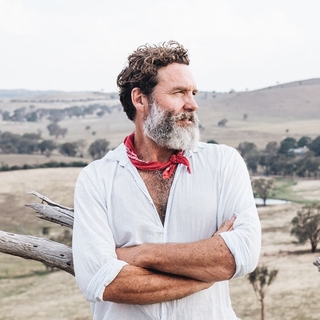
It's not just a nutritional thing either,
You know,
When biodynamics we talk about the energetics of it,
It's not just what you put in your mouth,
It's what you're absorbing through your skin,
It's the attitude you have when you're eating the food,
It's the engagement with the,
With the engagement with that food.
It's a reverence for that food and there is something in that.
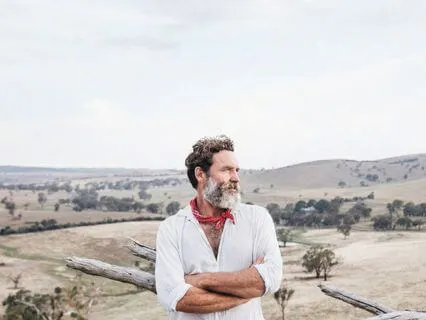
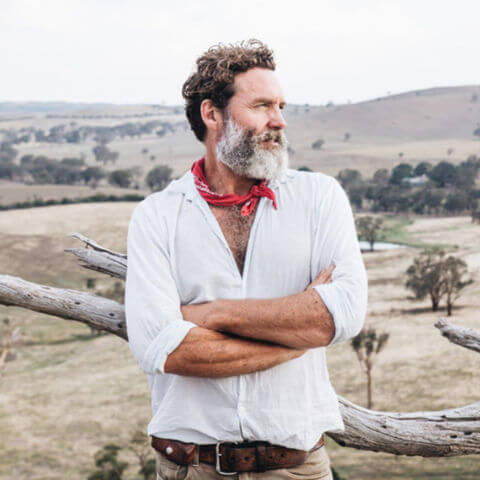
That was Charlie Arnott and you're listening to The Regenerative Journey.
We acknowledge the traditional custodians of country throughout Australia and internationally and their continuing connection to country,
Culture,
Community,
Land,
Sea and sky and we pay our respects to elders past,
Present and emerging.
G'day,
I'm your host Charlie Arnott,
An eighth-generational Australian regenerative farmer and in this podcast series I'll be diving deep and exploring my guests' unique perspectives on the world so you can apply their experience and knowledge to cultivate your own transition to a more regenerative way of life.
Welcome to The Regenerative Journey with your host Charlie Arnott.
Don't forget our spring Intro to Biodynamics workshops are coming up fast.
We are at Hanamino in Boorawa in New South Wales on the 7th and 8th of October,
Then travel to Victoria in mid-October,
Tasmania in late October with our last workshop for the year in the beautiful Margaret River in WA during late November.
All are welcome,
Urban gardeners,
Broadacre farmers,
Graziers,
Viticulturists alike.
No previous experience required as Hamish and Charlie cover it all.
For more details check out our website www.
Charliernott.
Com.
Au and follow the events link.
G'day,
Welcome to episode 1 of season 4 of The Regenerative Journey and I find myself on the veranda facing north at the farm at Byron Bay where I spend a fair bit of time actually and for very good reason which we might even touch on.
I might make a note of that actually.
There you go,
There's my first little variation on the theme already.
This episode is really about a bit of a kick off for season 4,
A bit of touching on who you look forward to hearing about,
Why,
As is the theme of the show obviously,
Their regenerative journeys.
I am just reminded quickly,
I'm sitting on the veranda here at the farmhouse and there's a slight wind and I've had to put one of my socks,
Those who are on the YouTube machine or any other visual device or platform would see a reasonably smelly sock.
I wish I had put clean ones on this morning that is on there acting as a fluffy rabbit thing to stop the wind so hopefully you don't hear the whistling wind.
So yeah,
So a bit of a rundown on season 4 which is really exciting because I should have checked this morning but I think we're up to 320,
000-30,
000 downlives which I think is not too bad after.
.
.
Ooh,
There's a little bit of wind just there.
Which is not bad after I think just over 12,
14 months.
Of those 14 months we've probably had four or five months off I think.
We've had a pretty long stint away this time.
And what's beautiful to hear and to read and to see is messages of thanks and appreciation,
Gratitude for the show.
You know,
There's still.
.
.
Well,
Of course,
And I hope it continues,
People are discovering it now after three seasons which is awesome.
You know,
And we're going to do our best to keep promoting it and make sure more and more people keep discovering because I think that's one of those things that,
You know,
Given the feedback we're getting,
Given the vibe,
You know,
And I guess the energy and the momentum we feel that we've got,
You know,
We think it's going alright.
So,
You know,
We were nominated for Best Interview for the Australian Podcast Awards last year.
They are on again this year.
We haven't quite worked out which categories we'll jump into.
Maybe that's a thing.
Maybe that's something I'll ask you right now.
Our lovely viewers and listeners at this point,
Because we haven't got all our videos online yet,
On the line.
There's a dog about to piss on a mint bush.
It's just here.
Andy Carbone,
Where are you,
Mate?
Your dog is desecrating the vegetables.
Yeah,
Question to our lovely listeners is,
Who would you like to.
.
.
Who do you think our best interview was with from.
.
.
I'm going to say season three.
I'm still not quite sure what the parameters for the Australian Podcast Award submissions are.
But I reckon they're probably from somewhere like,
You know,
July.
Would it be July last year?
Maybe it's August last year.
I can't remember.
But anyway,
Certainly it would encapsulate season three.
We'll get some details on that close to the time.
But if you are listening to this and you have a voice,
And you always have a voice,
Which is something we'll get to later on.
I'm going to write that down,
The voice.
And I'm not talking about our favourite singer,
Johnny Farnham.
I'm talking about your own individual voice.
You let us know who you think you would like to see us put in the category of best interview.
Because I'd just love to know,
You know,
You guys are the best,
The best reference point for us to understand what really resonated with you.
So to season four,
We're backtracking,
Aren't we?
So let's step into the future,
Which is going to kick off on September 7.
You should be listening to this on or after September 7,
If all goes to plan in 2021.
And we have a cracking season lined up for you.
We have more than half of the ones we're going to interview and release for season four in the bag.
We have got Maggie Beer.
I'm going to kick this one off.
I think it's safe to say that,
Oh,
I'm not saying Maggie Beer is next week.
Who doesn't love Maggie Beer?
And I tell you what,
I didn't.
Just,
I mean,
I appreciated her.
I appreciated her cooking,
Her books,
Her personality.
But when you meet,
You know,
And I had the pleasure of interviewing Maggie in her piano room,
A music room at her house,
A cottage in the Barossa.
So not the farm that,
Where they sort of,
Colin and her first settled many years ago,
40 years ago,
I think it was,
And grew quince and produced pheasant.
Their own personal farm,
Which is just such a beautiful,
Just speaks so loudly of her style and her attitude to life.
In a music room,
And what an absolute delight it was to chat with her.
And she was under the pump too.
I turned up in the morning,
I walked in the wrong way,
You know,
Sort of nearly fell into the pool,
Found my way,
Tapped onto the glass window.
Anyway,
We got set up.
In the music room,
I had to pretty much dismantle what she'd,
You know,
Just against Maggie Beer in there and everything.
She's so charming.
And forgiving at the same time.
And we had such a lovely yarn.
It was only about 45,
50 minutes because she was having to then go and shower and head to,
It was in the middle of Taste Australia there in South Australia,
In the middle of the celebrations in late April,
Early May,
And she was under the pump.
So I just really appreciate the fact that Maggie Beer,
The legend that is,
Who was the Australian of the Year,
The Senior Australian of the Year a few years ago,
She gave me that time.
So that's awesome.
She's next week.
We've got a really good,
I think so far,
Because we're sort of only,
You know,
So 60% of the way through the recordings,
I've got a few more to do this week.
And we are at the farm at Booram Bay and you will hear a buggy driving past.
Oliver,
Oliver's eggs,
If you don't know Oliver and his eggs,
Get yourself at the Mullumbimby markets or somewhere and get them.
So that's why we're on a working farm.
So that's why you can hear the noise and the dog pissing on the mint.
Where was I?
You did,
You did,
Who was next?
I can't remember,
I was banging on about then.
Yeah,
So pretty good,
Pretty good,
I guess breadth of subject matter this season.
We've got farmers,
We've got current farmers,
We've got carbon farmers,
We've got transitioning farmers.
Nick Mace,
I am hoping to interview,
That's to be decided.
And Stuart Austin,
Who is Wilmot Cattle Co,
Who you might be aware earlier this year,
Did a deal with the organisation or the business he works with,
Did a deal with Microsoft in regard to carbon credits,
Which was quite eye opening and sort of setting potentially a bit of a standard in how to activate property natural capital,
Landscape natural capital.
And that's an interesting topic,
Which I might touch on a bit later on,
That what is natural capital,
But also,
Not so much what right do we have to activate it,
But how can we and how,
What are the parameters and what are the long-term impacts and sort of the,
I've got some sort of questions around,
Around sort of farm sovereignty and those sort of issues.
So Stuart Austin,
He was just,
And I've been following you,
Sorry,
Stu for some years now,
And he's fascinating,
Fascinating story.
Who else have we got?
So that's sort of a bit more farming,
What's some viticulturalism,
Some wine makers,
Grape growers,
Melissa Brown there,
Gemtree in South Australia and Amelia Nolan at Alkina in the Barossa as well,
Where did I say,
Gemtree in McLaren Vale in South Australia.
So,
I don't know,
Oh no,
Pete Windrum,
I interviewed there in series,
I think it was series two actually.
And we did talk a little bit about grapes and wine and yummy things.
So go back to that episode,
If you wanna hear about Pete's amazing story and sort of stepping into the water of biodynamics.
So some really good yarns about grape growing and how biodynamics is playing a part of that for those guys.
And in Amelia's case,
Some fascinating use of technology to work out the terroir and the differences in soil,
Not within like a paddock or a block of vines,
But doing some sort of like,
I guess it's sort of seismic,
I can't remember quite the terminology,
But some seismic crazy cool stuff and working out the rock type and the soil type,
I guess is the rock that produces the type of soil.
And then correlating the characteristics,
Sorry,
There's correllas everywhere,
The characteristics of that soil and the wine it produces and the terroir,
How that is reflected in the wine and actually harvesting,
I don't think I'm giving this away too much,
Actually harvesting grapes,
Not as a block,
But as a block of,
Not as a normal block,
As in a square block or rectangular block,
But as a block of soil,
As an area of soil or a quadrant of soil.
It's fascinating stuff.
And that's a really good example,
I reckon,
Of science and technology and some pretty cool sort of seismic action being used,
Hand in glove with a very ancient farming practice of growing grapes and producing wine and then identifying and separating and really letting the individual soil type be expressed in the wine,
As opposed to a big block,
Two different,
Three different types of soil,
All coming together,
Those grapes going into the thing.
And then those nuances just being a little bit sort of diluted,
Literally diluted by maybe a more,
A stronger flavoured sort of soil.
And that's,
I guess it's,
You know,
Think about it,
The flavour of soil,
But it's that flavour of soil and the characteristics which you will taste in wine.
And it depends on how much you wanna break that down into its individual components.
Obviously,
Diversity is a wonderful thing,
But yeah.
Anyway,
That's another one,
Bang on about that.
But it was just fascinating stuff.
And what Melissa's doing down there in McLaren Vale with husband Michael,
Just lovely,
Lovely people and just doing wonderful,
Wonderful things with biodynamics and the setup they've got down there to demonstrate that,
It's just awesome.
So go get yourself to gem tree down there as well.
Who else?
We're touching the food.
We've got Maggie,
Rebecca Sullivan,
Love Rebecca and Damo down there in South Australia.
And the Claire went to visit their farm and was down in South Australia earlier this year.
And just to her wonderful story and,
You know,
Her love of food,
The love of people,
The love of Indigenous culture,
And also the use of and the propagating and the reverence she has for Indigenous foods and the culture.
It's just fascinating.
So I loved having a chat with Rebecca.
Who else have we got?
Matt Evans,
You mate,
I've still got to get myself down to Tassie or to you with all the lockdowns and so on.
It's been pretty tough to get our diaries aligned.
We've had a few cracks at it,
But I'm hoping before the end of season four,
I've sat with Matt.
I did a bit of a sneak preview at the Regionality Conference a few months ago where I spoke with Matt for 20 minutes as part of a combo episode,
You can get that sort of at the back end of season four,
Three,
Season three.
Such a,
He loves a yarn.
He got some really good,
Really good,
I was gonna say tales.
They are tales I guess in a way.
Stories to tell and fascinating blokes.
So loving,
Looking forward to catching up with Matt there.
I've got a few others I'm not sure what I'm gonna mention because I haven't actually interviewed them yet.
But I don't know.
Oh,
Tammy Jonas who I have interviewed down there at Joni Farms in Dalesford.
She is awesome.
Talking about Australian Food Sovereignty Alliance who worked there,
How she got to be where she is now and her husband,
Her very resourceful lovely husband,
Stuart and just an amazing transformation of their farm from what it used to be to what it is now.
What they're doing for community,
For food,
For advocacy of good,
Decent,
Nutritious food is awesome.
So that's a cracker that's in there as well.
Michael Taylor who I've known for a couple of years now there at sort of Walca,
I guess it is between Armidale and Guyra somewhere in there.
Is that right?
No,
Kentucky it is,
Kentucky.
And Taylor's Run and Michael and his family there,
There's quite a few family members still on the same,
On the block there.
But just the work that his family,
Mum and dad did,
30 plus years ago with planting agroforestry,
In native and exotic species there and the workshops that they run and Michael's regenerative journey is awesome as well.
So I think that's pretty much touched on all the ones that have actually interviewed.
I've got a few more lined up but maybe I won't touch on them until I've actually got them in the bag and keep you in suspense a little bit.
Let's talk about the farm at Byron Bay.
What an awesome place.
It's pretty quiet now because it's lockdown.
We're all in lockdown and we are,
Yeah,
It's a bit sad,
It's a bit sad.
I reckon that,
You know,
We're at that part of human history where it's an example of a place that has pigs and chickens and some horses and macadamias and vegetables and people and flowers and seedlings.
It's empty,
You know.
That is,
That's sad.
It's sad that,
Look,
I don't know,
I don't know how much I wanna bang on about this sort of thing.
I guess I might as well go there now.
Yeah,
Hang on,
Before I do that,
I've gotta mix this one up here.
Just before we leave the season four,
A new segment we're gonna do and it's something I have to play with to catch up on and I think it's probably only gonna be available to our Patreon members as a bit of a bonus,
Is,
Or it might be on YouTube,
I'm not sure how we're gonna rig it up yet,
You might have some views either way,
Listeners,
Is sort of like some rapid fire questions,
Which I've heard other podcasters do and I kinda love the fact they're a standard set of questions that I ask my guests and they're pretty short,
Sharp answers.
That's the whole point of rapid fire as per.
So that's what I do.
So if you guys have got any suggestions,
I actually don't know quite how we're gonna gather these bits of feedback from you guys.
One is the,
This sort of,
The rapid fire questions.
And the other one,
I can't remember what I asked you to do just before,
About 10 minutes ago.
Oh God,
I'm going vague.
Yeah,
How are we gonna gather that information?
Whether that's,
Go to the website,
That's what you can do.
So go to the website,
Drop your email in there and say,
Hey,
Just listen to the podcast.
I reckon you should ask these questions.
We'd love to hear what you'd like to,
For me to ask in the rapid fire,
The series of rapid fire questions to my guests.
That's right.
The other one was,
What was your favourite interview of season three?
We'll keep it to season three for the time being.
Get on the website,
Let us know,
Love to hear what you reckon and we will get on it.
There are other categories in there as well in the Australian Podcast Awards,
Which they're in there.
I'm not sure if they're up on the website yet,
But Google Australian Podcast Awards and check it out.
And hopefully when we line ourselves up and we apply and we get accepted as an application,
I'm not sure how the process works anymore.
We'll get you the vote.
We'll get you the vote.
Now,
Getting on to the COVID.
Don't know where to take it.
I did have a bit of a rant on my newsletter the other day.
I guess I might just reiterate that without exploding.
I'm trying to look,
I'm looking at this pretty logically and systematically and objectively,
Right?
So,
And I don't know if I need to dwell on this too much.
Cause this is not,
This is a rant of sorts,
But it's not like a,
It's not a challenge to anyone.
This is not a,
Yeah,
Bloody do this or,
You know,
Yeah,
This is not to sort of,
This is just a prompt a bit of thinking or some asking questions of me or of oneself or of the government or anyone else they want to ask questions of.
I don't think we're actually asking enough questions,
To be honest,
There's something in that.
If,
And these are questions I'd love answers for.
If we,
If the whole idea of the lockdowns or the mask wearing is to save lives,
I think I don't know as many people in government in the general public,
In any industry that,
You know,
I wouldn't probably agree that the premise for this is we are doing these things,
Is taking these measures to save lives,
Right?
If that's not the premise,
Well,
I've told you,
It's totally lost on me and someone won't want to tell me.
If that's the,
If that is indeed the premise for this,
To save human life.
So are we actually doing that?
Has the last 18 months saved more lives by going down this path of lockdowns,
Vaccinations,
Mask wearing,
Restrictions,
Quarantines,
Are we saving more lives?
If that is our foundational assumption,
You know,
Throw a bit of science peak around there,
But testing the assumption that this is all about saving lives,
Then let's do the audit,
You know.
Someone needs to do the audit.
I think there are people sort of throwing bits and numbers around,
But I'm talking about,
Okay,
If the COVID is killing people,
And it is,
You know,
How many people?
What I'd love to know is,
You know,
In a situation where on the news there's say 200 positives that pop up in,
You know,
Someone's going,
Oh,
There's 200 extra cases,
Positive cases today.
And yesterday there were 100,
Let's just say,
And the week before it was 50 or whatever it was,
You know.
And so to look at that,
You go,
Oh,
There's more cases.
Yeah,
Okay,
That's fine.
But what is the bit that I think is missing is,
What is the proportion of people who are tested are positive?
Because if that's proportion is not changing,
Then we're not actually,
There's not a higher outbreak.
It's not as though there's more in the population.
We're just understanding and we're verifying that,
Yes,
More people are tested and there are more positives.
But if there's no change in the proportion,
That's why I look at it.
And that's not what we've been told.
We're doing lockdowns and masking and the whole show based on positives,
Okay.
Can we trust those positives?
I don't know.
Yeah,
That's the questions I've got.
What are the death rates?
Well,
That's,
You know,
There's a couple of.
00s there in terms of deaths as a percentage.
So I'm not convinced that,
You know,
We've got the,
It's the killer.
And look,
People are happy to challenge me.
I'm not saying this to challenge anyone.
It's just like,
This is what I'm,
You know,
Looking at the numbers and going,
Okay,
So,
Are a lot more people dying in the world from this than any other year,
You know,
Any other seasonal flu year,
Any other sort of viral outbreak?
I don't know.
I'd love to know the answer to that.
And then you look at the other side of the coin,
Which is,
Well,
As a result of the lockdowns and everything,
What is the,
What's been the impact?
What has been the loss of life as a result of that through suicide or drug overdose or domestic violence or any number of the,
You know,
Probably the,
I shouldn't say unforeseen,
So it should have really been seen,
I reckon.
The,
You know,
What's the next bit?
The bit that the result of the lockdowns,
Which is supposed to stop the spread,
Is it really stopping the spread?
I don't know.
But what is not stopping the spread is the fear and the anxiety and the pain and the often,
You know,
The death of those,
Those procedures and the conditions that have been put in place.
So,
You know,
I'm really struggling with,
Are we saving more lives,
You know,
Because I just don't know that we are.
And if we aren't,
Then we've failed.
You know,
The measures have failed,
Really.
It's just who is dying,
You know?
And then the other thing that's interesting is the people who are dying,
You know,
Say,
Oh,
You know,
Someone died,
A 40 year old died in a hospital in somewhere.
And I'm not being,
I'm not saying that,
You know,
Let's be clear.
I'm not a fan of death.
And every death is a tragedy,
You know?
And that sounds like a bit of a cliche,
But it is,
You know,
I don't care about people dying,
Of course I care about people dying.
I'm also interested in how they died and what conditions did they die under.
You know,
I did that 40 year old who died in that hospital.
What were his,
What were his,
You know,
Sort of other conditions?
Were you diabetic?
Was he overweight?
Did he have heart condition anyway?
Like all of the comorbidities that are never talked about,
You know,
It's just like someone died.
Okay,
Well,
You know,
And how many people didn't?
Let's talk about that,
You know?
How many people didn't?
How many people that did get COVID that didn't die?
That's an interesting stat.
And you want,
And you know,
We're not just,
And just sort of getting to a sort of a health,
The health side of it,
You know?
Like this is a great example of stuff that I and others in our sort of,
You know,
On our wavelength,
Bang on about is,
Let's,
Why aren't we as a society,
As a culture,
As a world,
You know,
Species,
Focusing more on the cause of these problems,
Not the symptoms,
You know?
You know,
In farming we go,
Oh,
We're gonna kill weeds.
Well,
Let's not just kill the weed.
Let's see what,
Let's identify what the cause,
Why that weed's there.
We will look at it totally differently.
The,
What we'll do to solve the problem,
If we,
Indeed there is,
You know,
We can identify there is still a problem,
Will be totally different.
And this is no different,
You know?
It's like,
What is the,
You know,
What's the cause of this?
I'm not talking about some viral escape from Wootone.
I'm talking about why are people getting COVID,
You know,
As an individual,
You know?
It's about susceptibility,
I think.
It's about,
Because it's in the air,
Viruses are in the air the whole time.
We as a species have evolved with viruses and I don't think we could have actually evolved as we have without them.
So,
You know,
Sometimes our viruses have had,
Some we'd rather not have,
Of course.
But,
You know,
When we are,
When our immune system is working,
When we are eating healthy food,
When we,
It's not just the nutritional thing either,
You know,
When biodynamics we talk about the energetics of it,
It's not just what you put in your mouth,
It's what you're absorbing through your skin.
It's the attitude you have when you're eating the food.
It's the engagement with the,
With the engagement with that food.
It's a reverence for that food.
And there is something in that.
And I,
You know,
I'm not about to have arguments with people about it,
But that's just something that I really,
I believe.
And,
You know,
It's a biodynamic philosophy.
It's just a life philosophy.
There's more out there than just that is in this piece of steak or that carrot,
X number of elements and minerals and enzymes.
And that's,
That's a recipe and you put that in your mouth and away you go.
There's other stuff that happens,
You know,
It's the engagement with that food.
So why isn't the government talking about that?
It's the same old thing.
What's the symptom?
People getting sick,
Let's hit them with something.
You know,
Cause this isn't going to go away.
There'll be other variants and other versions and things.
Man,
Let's talk about health.
Let's talk about the food we eat.
Let's talk about where it's from.
Let's talk about the health of the soil to produce healthy food,
To build our immunity,
To be healthier,
To be more resistant to these things and not be as susceptible,
You know?
And it's,
And if we think about,
Okay,
You know,
Look,
You look at all the,
All of the,
The things that are killing people the most,
You know,
It's heart disease,
It's cancer,
It's,
You know,
It's all nutritionally based,
I believe,
You know,
It's a result of shit food,
Purely and simply and shit living,
You know,
Not thinking,
Not thinking,
You know,
Thinking negatively or not thinking.
I mean,
The food is,
You know,
When we eat our food,
That impacts our thinking,
Absolutely.
And there's plenty of studies now with nuns and prisoners and things about,
You know,
And sort of reasonably isolated or,
You know,
Conditions that they can sort of remove the variables of and do some correlations with,
You know,
Good food,
Nutritious food and biodynamic food at its finest,
Producing good thinking.
Positive,
Not positive,
I think that's the wrong word.
Just good thinking,
Sound thinking,
Deep thinking,
Conscious thought and conscious action and conscious behaviour.
You know,
So the health minister or ministers,
I mean,
We should call them the illness ministers because it doesn't seem like they're really wanting to be able to get healthy.
That's all the conversation around agendas and who's running the show.
Well,
I mean,
I guess it's more that,
But also,
You know,
Where's the money?
Who gains from health,
Who gains from illness?
And I don't think anyone's gaining much at all at the moment,
You know.
So,
And I don't know,
I just don't think that's the answer.
I just think,
You know,
Let's look at the food,
Let's look at the lifestyles,
Look at the health and separate that and really look at,
You know,
Long-term,
Long-term,
You know,
Do we need so many people with diabetes?
Do we need so much cancer?
Do we need so much heart disease?
You know,
High blood pressure,
All those things.
Respiratory malfunction,
All those things.
Anyway,
That's,
I don't know how clear that was all,
But it's really,
I'm really quite sensitive at the moment because of what's going on,
But there's,
You know,
Yeah,
I'm frustrated.
I'm not openly being on about it,
But it's on my mind.
I think if any parent,
And this is the thing that really gets me,
You know,
If there's a tear in my eye at any point,
It's just thinking about what it means for the kids,
And the sovereignty and the freedom of a family and what we can do or now can't do about that.
You know,
What rights and freedoms are literally being taken away.
And I don't know,
I really question the whole idea of,
You know,
If you follow the guidelines of what government telling us we should do to regain our freedom,
I just don't know whether that's exactly what we're gonna get.
I just don't know.
Well,
I kind of do,
But I don't know if I'm gonna talk about it too much.
So that's the COVID show and that's,
You know,
This is not over.
I'm just grateful I've got a farm that I can go to and I've got food,
I've got good people,
I've got like-minded,
You know,
I've got nutrition,
I've got sanctuary.
It is not a coincidence that property prices around,
You know,
Australia,
Dare I say,
I'm not familiar with that sort of west,
Far west,
But certainly the Eastern Seaboard,
Property prices are going up because people wanna get out,
You know,
They don't wanna be,
It's a risk mitigation strategy,
Isn't it,
You know?
And it's probably a combination they wanna get out of,
Get out of the urban areas where there's population concentration and,
You know,
Maybe they're thinking,
Oh,
There's a lot of COVID here,
A lot of illness or a lot of exposure to things and they just wanna get out of it,
Which is great,
I reckon,
You know?
Let's change the,
Let's turn the tide of depopulating the rural areas and get people back out there as it used to be.
So that's a good thing,
I think,
And that's a choice,
You know,
People wanna get out of there,
Good for them.
And if they've got somewhere to go,
You know,
And they've got the finances to do it,
That's wonderful.
And they've got,
You know,
Farms they can look at and that's forcing property prices up and that's a whole other thing.
But that brings a whole other,
Another sort of realm of culture into,
In the rural communities,
Which I think is needed,
You know,
And I've banged on before about young people bringing with them to the country,
Not just young people,
Any aged person who's not a farmer and bringing skills and experience that is not necessarily prevalent and rife in those communities.
It used to be because there was a lot more people and more diversity,
More biodiversity of thought and thinking and behaviours and experience and skills.
Let's get them back in there.
Let's get them back into the rural populations and,
You know,
No matter what the drive out of the city,
Out of the cities were,
Is or was,
I think that's a good thing.
And that affords,
You know,
If they can get themselves some land rented or bought,
You know,
Some sovereignty and some space and sanctuary and they can grow their food.
I mean,
There's just so many multiple benefits,
Isn't there?
The kids growing up with chickens and dogs and sheep and cows and plants and carrots and everything,
Just what a wonderful experience for kids.
Rented or bought properties,
Let's just do it.
Let's help them out there,
You know,
Bring our skills into the communities.
And there are great organisations like Cultivate Farms and others who are helping people get on land and doing,
You know,
Doing and being supported to do so and aligning,
You know,
Blocks of land with people who want to do something with it.
And it's really emphasised to me the real privilege it is to be a steward of a landscape where we can,
Yes,
Maybe even under a little duress at the moment,
Identify,
Acknowledge and grow food.
What a wonderful thing.
And this is not to sort of,
You know,
How can anyone who can't do that?
This is maybe just a little bit of a call to action to say,
You know what,
If you can't own some,
Go and find some anyway,
Go and visit,
Take your kids.
But what an honour it is and a privilege to grow food and support your family as a parent.
Yeah,
That's a scary thing for me,
That whole,
The kids and what's in it for,
What's the future for them,
You know?
What will they be forced to do,
Have to do?
What world are we,
What world as parents and adults who are decision makers,
You know,
At government levels,
Industry levels,
You know,
What sort of future are we actually creating for our children,
You know?
Again,
A bit of a cliched thing to say,
But cliches are there because they said often and for a good reason,
You know,
Like really,
What's it all about?
When I had my first child,
Illa,
11 years ago,
It went,
Okay,
I get it now.
I understand why I'm,
What my role in the world is as a human,
As a man,
As a father,
You know,
I got it.
The world changed overnight and that hasn't changed.
You know,
My view,
It's only strengthened.
And you know,
When there's threats and there's uncertainty,
You know,
As parents,
How do we respond to that?
What do we do?
What is our response?
That good old expression,
You know,
We have a responsibility,
Break it into two words,
Ability to respond.
You know,
What,
We have an ability to respond.
We're adults,
You know,
We have resources,
We have experience,
You know,
Are we preparing our children to leave us and what are we leaving,
What are we creating as a society,
As a species,
As mankind to have our children leave into,
What are they going to into a world that is what we'd like it to be,
You know,
Is that are we setting them up for a fire?
Are we setting them up for,
I don't know,
Where I was watching the Truman Show last night and with the family,
It was awesome.
Anyone hasn't seen Truman Show,
It is Jim Carrey.
He's just fantastic.
How old is it now?
It's 20 years old or something more,
20 years plus,
I can't remember quite now.
98,
1998,
Motovane.
Anyway,
It wasn't made last year,
That's for sure.
And there's a scene and there's a girl wearing a badge and said,
How will it all end?
I think that's what it said,
How will it all end?
And I just got thinking going,
Oh,
Well,
I don't know actually,
I don't want it to end.
Maybe the question is where is it all going?
What are we heading towards?
Don't know.
Be interested to know your thoughts on it all.
I think there's no better time for,
You know,
Like-minded to put their heads together and think about what sort of world.
There's even more motivation,
More prompting,
More good reason to be proactive and not reactive,
You know?
And really think about why as parents and as citizens of this planet and as members of the species,
You know,
What are we doing?
I just don't know.
The whole,
It's not as though the climate debate has any less relevance now,
It was less important.
In some ways for me,
I'm going,
Oh,
Okay,
I reckon this is not a cop out by any means.
I'm thinking,
Wow,
I've always said nature will find,
Nature will work itself out.
Like we're gonna ruin ourselves,
Right?
Yes,
Ruining the planet,
We would no doubt ruin ourselves.
But like if there is no species,
If we have just killed ourselves,
Regardless of what we've done to nature,
We've actually,
We are behaving in a way that in some ways is not relate,
Doesn't relate to nature,
But relates to our own nature,
Our own behaviours.
Like the earth's probably cheering going,
Oh,
This species that's been ruining me for however many years we've been ruining it,
It's probably sighing,
Sigh of relief going,
Oh,
It's just gonna implode.
This mob's gonna just wreck themselves and nature would just have a bit of a clear run,
Bit more runway now.
It's kind of ironic,
Isn't it?
Anyway,
That's a bit of a bang on.
Yeah,
The Code Red,
Durman,
Gloom,
The UN,
They announced their sort of Code Red stuff the other day,
Sort of plays that a bit.
It's,
I guess,
Just to that is regenerative agriculture,
Regenerative farming,
Farmers who are working with nature,
It just emphasises even more the importance,
I reckon,
Of the role we can play in this world,
Whether it's talking about COVID and health and improving and boosting our immunity or just putting that aside,
Just feeding the masses.
And in doing so,
In producing beautiful,
Nutritionally dense,
Clean food,
We can't not,
We can't but not improve our environments because that's just,
By definition,
It goes hand in hand because those clean environments produce that kind of food.
So where do we focus?
What do we focus on?
Yeah,
And that's a little bit of a theme over series four with our different guests as to what their views are,
Not necessarily about COVID,
But certainly about the world,
Where it's going,
What role are we playing?
I mean,
Apart from feeling a bit sort of miffed about where the world's going,
I'm pretty,
Again,
I'm glad,
I can't tell you how stoked I am,
How relieved,
If I think about it,
That I'm in the industry that I'm in.
In farming,
Yes,
But specifically in an industry or a part of the industry which is taken upon themselves to go against the grain and grow cleaner,
More nutritionally dense food.
Again,
Whether it's COVID,
Whether it's any other sort of diseases in general,
Whether it's drought,
Flood,
Anything,
The changing climate and the impact of humans on it,
This industry has a wonderful role to play.
I mean,
We could bang on about those who are against regenerative ag generally,
More to do with the element of regenerative agriculture,
Which involves animals and people having a problem with animals being part of the solution.
I just don't know,
I mean,
Everyone's got their blinkers on,
Everyone has their biases,
But I just,
Again,
Trying to be objective and I don't go out of my way to have those discussions with people who are affronted by the fact that animals are involved with every part of the environment on the earth and the plants evolve with animals and vice versa.
And so I think that methods of farming that just involve plants and often involve,
Genetically,
I can't even say,
I don't wanna say the word,
Genetically modified plants is a way forward,
Is a way to produce clean,
Healthy,
Nutritious food.
I think those guys are missing the point altogether.
Instead of siloing things,
Which is easy to do,
I just think that,
It's another big one.
It's another big one.
I don't really wanna step into the ring with that one.
It's not cause I'm afraid,
It's more like,
Ah,
My job is not to convince anyone of anything.
My job,
If I had a job that related to what I'm doing right now,
It's to pose questions,
Ask better questions,
Incite a bit of curiosity,
Not necessarily incite agreement or disagreement.
That might be the outcome and that's fine.
But it's really about putting things on the table.
And again,
I think that's getting back to sort of the beginning of this episode.
It's about the feedback we get.
It seems that it does that,
Gets people thinking,
It gets them questioning things,
Right or wrongly.
Their current behaviours,
Their previous behaviours,
Behaviours of different industries,
Of government.
I think it's really healthy.
I think not to look at both sides,
Not to explore,
Not to be curious,
Not to have a healthy dose of courage as well because a lot of this stuff,
Whether it's new talking health or agriculture,
I know it's pretty much the same thing,
Environment,
It's all the same thing.
It does actually take some courage because we know that internally,
We may not like what we're gonna hear or see or discover.
And externally,
We might find ourselves in confrontations with people about our behaviours or our thinking or our opinions.
And that's the interesting thing is like,
Man,
Everyone's got opinion.
Like,
Why do we have to be intolerant of other people's opinions?
Because no one ever said,
No one's ever had the argument,
An argument and the other one going,
You know what,
Hey,
You know what,
Thank you for changing my mind on that.
That's so enlightening.
People don't have arguments to win the other person over.
They think they are,
It never happens.
It's just,
It's a debate.
It's put it on the table,
Walk away,
Highlight that it's there,
See what happens.
And that's another conversation around,
I guess being a little bit political about,
I don't remember if I talked about this the other day,
Somewhere,
Maybe it was on another podcast or I can't think anyway,
About sort of,
I don't know,
The left and right of politics and where that's all going and political correctness.
And that just baffles me as well.
We're getting off farming for a little bit,
But it's so relevant.
It's about people and life.
You know,
Those in the spectrum of politics and culture,
That are all about tolerance.
You know,
It's about you need to tolerate,
And I don't disagree by the way.
You have to tolerate,
And tolerate's probably not the wrong word.
It is in this context,
But generally it's probably not quite right.
Tolerate my skin colour,
Tolerate my behaviour,
Tolerate my sexuality,
My gender.
You know,
There's a,
I believe that everyone has a right to express themselves however they want to.
That's fine,
That's human nature.
And I don't mind the fact that other people were very adamant that everyone needs to tolerate everyone else's behaviour.
But the interesting thing is that I see it often,
You know,
Not so much personally,
But I see it online,
Which it doesn't make it valid.
It's just,
You know,
I take it with a grain of salt,
But I've seen enough of it that,
You know,
Those who are often banging about,
Everyone needs to be more tolerant of everyone else,
And not at all tolerant if your view just doesn't happen to align with theirs.
You know,
It's really ironic,
And it's just a really interesting scenario that plays out.
That's not the conversation.
And it's not my forte,
It's not,
I'm no expert,
But it's just my observation from the world that I don't know how that snuck into this episode,
But anyway,
It did.
Oh,
It's true.
Rees for up to 45 minutes,
Mate.
And the Corellas are still here.
I have to get myself to something.
So I think I might wrap it up.
We've gone,
Oh,
It said total 35 minutes.
I've gone over 10 minutes.
But I think the first one and the other episode went for about this long too.
So,
Hey,
I just want to thank you if you've got to this end of it and my rant,
Whether that might have in any event or in the least,
You know,
Incited some curiosity and maybe some thoughts of your own about those topics.
I kind of enjoy doing this.
I didn't really have much of a plan.
I did have a plan,
But as most plans need to be flexible,
I've sort of veered off that a little,
But that doesn't matter.
It's all about being,
Adapting,
Adapting to the Corellas,
Adapting to the dogs pissing on the meat there,
Adapting to the changing sun as it moves across the sky.
It's not as hot as it was 45 minutes ago.
And I think that's enough for me.
Can't wait to introduce you to the guests in season four.
We've got some great surprises.
We're really pumped.
And again,
I just want to say what an absolute joy it is when we receive that wonderful feedback.
We see the downloads,
We get the,
You know,
We get the good vibes coming from you guys.
And,
You know,
We will continue to do this as long as we can.
I hope you see some value in the time you spend with your headphones on,
Walking the dog,
Driving the tractor,
You know,
Driving the kids to school.
I was going to say walking the kids to school.
I guess some people do walk kids to school if they're around the corner.
That's if the schools are open.
We love the fact that,
You know,
We are part of your day or your week.
A lot of people say they can't wait to Tuesday mornings when the episodes come out.
And I'll tell you what,
That just makes it even more worthwhile doing.
Just love it.
So it's a real honour to be part of your lives.
And I trust that season four will be a part of your life as well as we move through the next couple of months towards the end of the year.
What will the end of the year hold?
I don't know.
That's why we're moving there,
I guess,
To find out.
So enjoy all the guests and all the frivolity and the discussions in season four of The Regenerative Journey.
This podcast is produced by Rhys Jones at Yeager Media.
If you enjoyed this episode,
Please feel free to subscribe,
Share,
Rate and review.
For more episode information,
Please head over to www.
Charlianet.
Com.
Au