Hi,
I'm Curious Cass and this is Curiosity Junkie.
Have you ever felt like you don't fit in or like you might have to change everything about who you are to fit in?
Today's episode is part one of a two part series on love,
Acceptance and belonging.
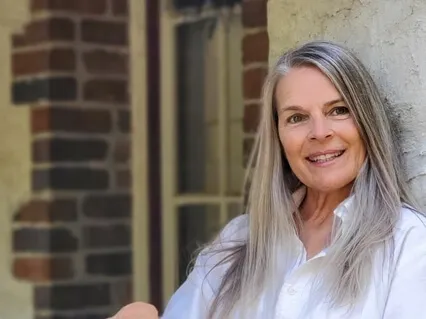
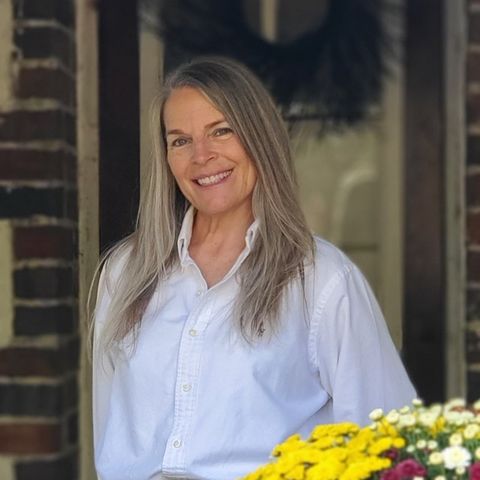
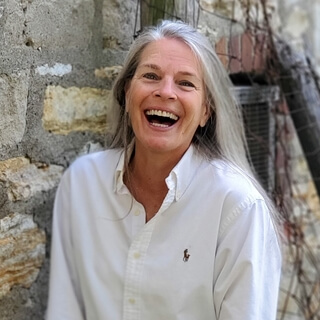
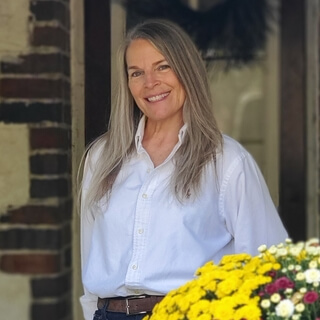
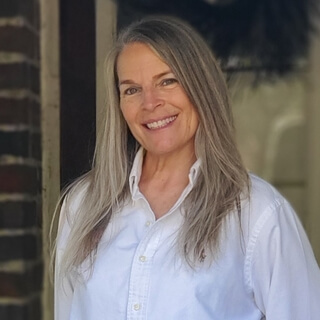
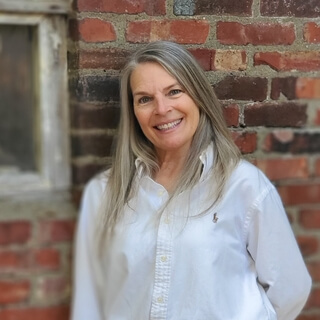
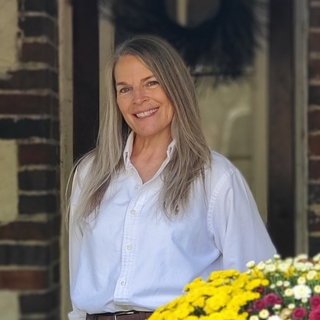
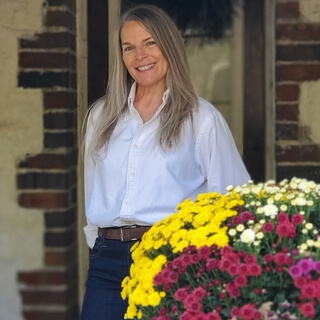
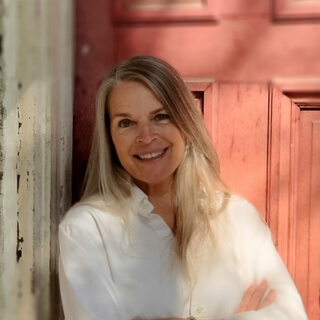
Please welcome Nancy Habouche to the show.
Hi Nancy.
Hi,
How are you?
I'm fantastic.
I'm so excited to have you on today.
I'm excited to be here.
Good,
Yay.
I want everybody to know is my connection with you and how important it is and the friendship that we have that I value.
Nancy was my VP of sales when I first started in the tuxedo industry and I have always considered you a mentor.
You were very instrumental in my progression in that company and helping me grow and constantly challenging me to continue to grow and read and learn.
And so I just absolutely adore you and value your wisdom.
My feeling is quite mutual.
Oh yay.
I love it.
So I wanted to have you on today to talk a little bit about how you are evolving as you're coming into some new spirituality and just some discovering in your life.
Let's start with,
Because I think the journey to how we get to where we are is the key and the thing that most people will connect with.
So I want to start with a little bit about how you grew up,
Where you grew up,
And then just kind of let's evolve into where we are.
Is that cool?
Oh my gosh.
So we're going all the way back to the beginning.
That's awesome.
I love it that you start with the word journey because it's a hot word for me right now.
I think maybe five years ago I ran into a quote that was some,
I'm going to butcher this and I have no idea who said it,
Which is an awful thing to quote.
But this great quote on journey and it said,
What if the journey isn't so much about becoming something someone,
But rather unbecoming all of the things we've learned so that we can become who we were meant to be in the first place?
Yes.
I'm close-ish to the quote.
Yes.
And I think the interesting thing about that quote for me is that I never gave myself permission for a long time.
I think I was well into my forties before I gave myself permission to stop believing things I didn't believe because I didn't think I had the right to choose that for myself.
Isn't that crazy?
Right.
You know,
But I don't think you're alone in that.
I think there are so many of us that think that way.
Yeah,
Absolutely.
And I think it comes from,
I have,
I have an incredibly strong family who I love and adore.
Grew up in a very small town in Northwest Iowa and a farming community and all the yummy stuff that comes with that.
And I mean that sincerely,
The community that anything happens,
The whole neighbor's hood is at your house helping you do that for your neighbors.
I mean,
The sense of community is huge when you grow up in a small town and it's also challenging because when you grow up in a small town,
Everyone knows everything and not much of it's factual.
Exactly.
Yes.
Yes.
And you get put in a box at a very early age,
Especially I'm one of seven children.
So our family of nine,
I mean,
That's a lot of kids,
Right?
God bless my parents.
That's a lot of kids.
I know,
Right?
Your poor mom,
Sorry.
She's an amazing woman to say the very least.
And I think that the interesting thing about community is that we had our own community just in our family of nine.
And then you extend that to the town.
We were part of the Catholic church.
And so all of the things that you would say,
Gosh,
When you're brought up that way,
There's such tradition and there's such,
Um,
Security and constant.
I mean,
My parents will be married 60 years next year.
And so just the experience of having two parents that have stayed together and stuck it out through thick and thin and have a beautiful relationship and are still madly in love with each other,
The sense of security that comes from being raised in a family like that is enormous.
And the expectation of how you should be and what you should and shouldn't do when you have perfect,
A perfect family.
Cause I would say I came from a pretty dang perfect family.
If you don't buy into those things,
It's,
It feels like you must be wrong because everybody else,
It makes sense for everybody else.
What's wrong with me?
Like,
Why doesn't this make sense for me?
So if I said like the key things,
Like I grew up in,
In,
Um,
Classic,
All the things you would think about small town,
Um,
You know,
Everyone is Christian in that town.
Everyone is white.
Everyone is heterosexual.
Um,
I would say by and large,
Most are Republican.
And I think when you grow in up insaneness,
The ability to think that there's other ways to think about things is very far from,
I never knew there were other ways of thinking.
And I was an incredibly naive,
I mean,
I was fifth out of seven,
So I'm middle child,
But in so many ways,
My family,
Because when you think about nine people going on a vacation,
Which we were farmers.
So in the sixties,
Seventies,
Eighties,
It wasn't always good.
And so my parents would take the four oldest on trips and they would take the three youngest on trips.
And that was my first sense of,
I don't fit in anywhere.
Like my four older siblings,
I'm only a year younger than the fourth.
Right.
So my brother is,
You know,
One,
Not even a full year older than me.
And um,
It's like I was closer to them in age.
My little brother was two years younger than me and then my little sister,
Seven years younger than me.
So I'm on a trip with my younger siblings who I have nothing in common with because my little sister is so much younger than me.
Thank God.
I'm not going to be in a relationship right now because she's one of my favorites.
When you have six siblings,
You can have favorites cause there's a lot of issues from pretty good deal.
Um,
But anyway,
I think that the interesting thing about that is,
Is that I didn't fit.
I didn't fit with the youngest.
I wasn't really included with the older ones and there's so many of us and that's not right or wrong.
It's just kind of what happened.
So it was really my first sense of,
Um,
Man,
This doesn't,
I don't really belong.
Like I'm,
I don't have this common thing here.
And so I kind of isolated and I think I have a little bit of older child,
You know,
Tendencies because I was the oldest of the younger group,
But I was definitely in the middle and the youngest in the older groups.
When people say,
What's your birth order and how'd that influence you?
I'm like,
Yeah,
That's,
That's a chaos question.
Like,
Well,
I'm like an older,
The oldest,
But I'm kind of a middle child.
Yeah.
And then top it all off.
I'm a Gemini.
So depending on the day,
I'm going to answer that question different.
It's one of the twins is the answer to the question.
Yes,
Exactly.
You're like,
Who knows?
So you're in rural America,
Small town,
Everything is the same.
You fit in or you don't in this town like that.
You just conform or you leave.
Yeah.
And I think at what age did you go?
Yeah,
This,
I,
There's gotta be more.
It's interesting.
I'm a lot longer than that,
But I think my,
Um,
You know,
In high school,
One of the interesting things is that because that town is so small,
You know,
Even being on a sports team,
Like I was on varsity as a freshman in basketball and I'm five foot five and not good.
And back then it was six man ball for women.
And so we really played three on three half court,
Right?
So I was a basketball player,
So I would have been considered more to belong to the jocks.
And um,
You know,
In elementary school,
Most of my,
My friends were engineer and I ish were,
Were cheerleaders.
And then that kind of separated us when we went to high school.
So we didn't really hang out together that much.
So the interesting thing about,
Um,
My upbringing is I had this one best friend and we did everything together.
We were inseparable,
Absolutely inseparable.
And it shows with having one best friend has been something goes wrong.
You don't have any friends.
And so I had this boyfriend when I was 14 and a half,
Just maybe 15.
I wasn't allowed to date.
You can't really call him a boyfriend because we talked on the phone and we talked at school and held hands.
And,
Um,
It was a very interesting time of my life.
This might be TMI for you,
But,
Um,
He kept pressuring me to have sex with him and I'm like,
Yeah,
I don't think so.
And I'm telling my best friend,
I'm saying,
I don't know what to do.
He's like pressured me to have sex.
And she's like,
Oh my God,
Don't do it.
Like don't be one of those people.
And so I remember our conversations for months.
And then finally one day I show up at class or gym practice or something,
Basketball practice.
And one of my acquaintances,
I wouldn't say we were close friends.
She goes,
I just can't stand this any longer.
And the whole town knows except you,
But your boyfriend's been sleeping with your best friend for months.
And I'm like,
In what universe when you're 15 years old in one universe does that happen?
So overnight I lost my best friend.
I lost my boyfriend.
My parents had caught in wind of seeing my boyfriend's car parked on a country road with the windows all steamed up.
Well,
It was my best friend in him,
But my father thought it was me.
And so we had this huge long argument.
I got grounded for six months or something crazy and he didn't believe me.
And I mean,
Right,
Like why would you?
And so I,
I get in trouble and that also added to,
Well,
It wasn't me.
I wasn't in the car with him.
So who on earth was he with?
And then this other person says,
Oh,
By the way,
Guess what?
And so that single event altered so many things in my life.
Like my ability to trust women,
To have friends that you could count on my feeling of not being good enough to have a boyfriend cheat on you at that early of an age.
I mean,
That's a pretty impressionable time to have something like that happen.
So my,
My willingness to care about somebody or love somebody more than they love me,
That ended up being kind of a theme for a little while.
And so,
But it was one more thing of you don't fit in.
And at that point too,
I was really,
I mean,
It always kind of had this high energy and love of life and just trying to figure my way out through things that I would go to sleepovers with,
You know,
Like in junior high with friends,
Distinctly remember this one mother,
God bless her.
I know,
You know,
If she ever knew that this leveled me the way that it did,
She would feel so bad about it.
But she told me to,
To be quiet,
That I was too loud,
That I was just too much for the group.
And I was never invited back.
And I was,
My,
My laugh was too loud.
I had too much energy.
And so that was the first time that I kind of was told to sit down and mind my p's and q's from an outsider,
Not just for my family,
You know,
Be quiet in church and be respectful and not that you shouldn't be those things.
There's a time and a place,
Right?
Right.
But you know what there is,
That's like being told to stop being you.
That's what you were told.
There must be something wrong with me.
Wow.
I'm too loud.
I'm too energetic.
For my boyfriend,
I wasn't enough something.
And no regrets.
Gosh,
I'm so glad I made that choice.
Right?
Hello.
Um,
Because imagine if Yeah,
Anyway,
That would have been way worse,
Right?
For sure.
But those tapes play.
And I know I'm not alone because you know,
I think eventually this led me to my current career in coaching.
And I don't know that there's a single person that doesn't have a demon or dragon.
They're still trying to slave from their childhood that still has some little voice in the back of your head saying you're not enough.
Or that you're too much like,
So it's this constant.
Okay,
In this group,
You need to turn it up.
And in this group,
You need to tone it down.
And I'm not talking about situational,
There's a time and place I'm talking about that.
I'm talking about the fundamental you have to change to belong.
Yes.
And that's the part that like,
Will forever be one of those things where because I have always had this need,
You know,
Maybe it's the middle child thing.
Maybe it's the gem of the king.
Maybe it's just female.
I don't know.
The need to be liked and have people like you and to fit in and be accepted was so strong that if I could be who you wanted me to be,
And it made you happy,
That was enough.
Mm hmm.
Yes.
How sad is that?
No,
I think it's human nature.
I don't think it's I don't think it's female or male.
I think it's human nature.
And Tony Robbins has that.
I think it's five or six now.
But the significance piece,
The connection,
Those are two of them.
And I think we,
As human beings want to belong,
We want to be connected and a part of something bigger than ourselves.
Yeah,
There's nothing wrong with that.
I think there's power in that.
However,
You have a really great definition on belonging from Renee Brown.
I do and I don't remember which one of her books this is in.
But this has really challenged me to consider the difference between belonging and connection and where our longing for it comes from.
So it goes like this.
This is Renee,
Not me.
True belonging is the spiritual practice of believing in and belonging to yourself so deeply,
That you can share your most authentic self with the world and find sacredness in both being a part of something and standing alone in the wilderness.
Yes,
True belonging doesn't require you to change who you are.
It actually requires and demands you to be who you are.
And that's the that's the caveat for me.
It's like this whole idea of if I have to change who I am to fit in.
I'm in the wrong group.
Absolutely,
Absolutely.
And that spoke the loudest to me when I did an interview,
The transgender journey.
Yeah,
That was a young man realized that if I have to defend who I am,
If I have to explain to you so that you will like me,
And you'll be comfortable,
You're not my people.
You're not my people.
I need to be around people who set me 100% for who I am.
And that means they don't have to understand it.
Because understanding and acceptance are different things like I can,
I can appreciate I can,
I can see somebody who's living a different way of life than myself.
And accept that you're living your authentic life and being the best version of you.
It doesn't have to make sense to me.
I can love and accept even if for me that's stretching the way I think about things.
And I think that's what we get wrong.
It's like,
If I can't grasp it,
Or I it has to go in this box,
Right?
It's the box of right or wrong,
Black or white.
Yes,
Yes,
Get us in a lot of trouble.
All right.
Maybe that's why everybody's always saying,
Think outside the box.
Live outside the box.
That brings up this is my one of my favorite quotes is the opposite of what you know is also true.
Because you're only taught a certain amount of knowledge and beliefs and it's restricted by the people who taught it to you.
And somewhere on the other side of the table,
Country,
World,
Whatever,
Someone who was taught the exact opposite and it's true for them.
You know,
Open up a little bit and try to just understand not be afraid of not want to squish it in a box,
But really want to learn this where the curiosity fits in.
Then we're never we're never going to be a unified collection of people.
And I think that's the biggest struggle is we want people to conform to the thoughts that we believe are true and right.
Right.
Not open up.
I think it's so true.
And I think your point on we're limited our capacity to understand and learn and grow is limited to who we spend time with.
So had I stayed in the small town,
I don't think I don't think my beliefs would have ever been exposed or challenged beyond what was around me.
And that's not anyone's fault.
And there are plenty of people living in small towns all around the world that are perfectly content with their life are happy,
Wonderful,
Contributing people,
Including my family.
And that wouldn't have well,
It's funny,
Because one of my sisters and I talk all the time,
She's like,
I could never have done what you did.
Like I couldn't have moved,
You know,
800 miles away and I picked the career and you know,
Had that be my focus.
Like that just doesn't mean I'm like,
Well,
I think it's we're all one decision away from a different life.
And had I married somebody in that small town,
It would have probably been enough for me because I wouldn't have known any different.
And I'm so grateful for my upbringing.
I'm so grateful because it's so much a part of my work ethic and who I am and my integrity and living an authentic life.
Because my family taught me that my parents were extraordinary examples of that.
Yes,
I think you know,
There's probably times they're disappointed with what authentic looks like to me.
But I know that they love me.
Right.
And I know that they love me no matter what,
And they don't have to understand it to love me and to extend grace to me.
Much like I learned over the years.
It's the same thing.
Like,
Once you know more and suddenly you're exposed to new ideas.
You want everybody to like hear them.
And so I remember in my 30s trying to cram down my new ideas down my family's throat and my family being like,
I don't know who you are or what happened to you.
Who is this Nancy?
Bring back the other one.
Because I moved to Colorado when I was 18,
But not for any other reasons.
It seems like man that was bold and courageous.
You're,
You were so brave.
And I'm like,
Yeah,
No,
I followed a boy.
And I took one look at the mountains.
I had no intention of staying I was going to go back and try and move to the city.
I really wanted to live in Des Moines and,
You know,
Work in a two or three story building because I didn't have those.
And so those are my big dreams.
I was gonna be a secretary and have really big dreams.
Because I didn't know any different I didn't know what was possible for me.
Absolutely.
We're restricted by our thoughts.
That's it.
So I love your point of how to not move to Colorado.
My exposure to Oh my gosh,
Everyone's not white.
I know that sounds so dumb.
It really is.
So while I look at it now,
It seems like I cannot believe how naive I was.
And so the first time I met somebody who didn't believe in God,
It's like,
There's people that don't believe in God.
I never knew that.
But it challenged and inspired me at the same point because there's some amazing people who have very different beliefs than I do.
There's amazing people who look really different than I do.
And thank goodness that experience kind of just opened my eyes to the possibility that maybe the way I wasn't taught is maybe that's not the only way.
Maybe it's not because I definitely was raised that I was raised in a church and in a community where this was the truth and the only truth and any variation of that was something less.
And so,
You know,
I was,
I was well into my forties before I decided,
Well,
My daughter helped me decide that because she fell in love with a woman.
And it's very hard to be Catholic when you have a daughter who marries a woman feel included and feel like you're not,
You know,
Getting beat up about something that's a pretty strong pillar of the Catholic church.
And again,
I love my Catholic upbringing.
It was the solid foundation of my relationship with God because I'm Christian and now we're Lutheran and I had to discover that for myself though,
Right?
Like it's to have it be okay that I don't and that I'm not Catholic,
That I can practice my faith in my relationship with God in a community that's not Catholic and not feel like I'm going to go to hell for that.
That was the,
That was probably my biggest growth in my life because it opened up lots of other possibilities about the way I see myself and the way I see other people.
Yes.
And I like that it was later in life that you come to this because I,
I feel like that's when we really start doing a lot more self reflecting.
Our kids are at it,
They're older,
Their lives are starting to happen and we're really in that self reflection mode where we start looking at who am I,
What is my purpose?
Am I doing something that makes me happy?
We just start questioning and I'm so glad that you brought that up because I think there are a lot of women,
Men too,
I can only speak from the female perspective,
Sorry guys,
But there are a lot of people out there that are in that place or headed into that place now or they're coming out the other side of it.
So I think it's important that we talk about all of the pieces that go into that self discovery and the belonging piece,
Which is so powerful to belong,
To fit in and do and conform.
Yeah.
And the truth is it took,
Well,
I would say this happened in the last 18 months.
This idea of belonging,
There is no such thing if you don't belong to yourself.
And that idea,
The first time I heard it,
I'm like,
That's silly.
You belong to yourself,
Like of course you belong to yourself until you really spend some time with that and personality like mine where I've spent my whole life making sure,
Well,
If my husband's happy,
Then I'm happy.
If my children are happy,
Then I'm happy.
If my parents are happy,
Then I'm happy.
And yet not happy and not knowing what's wrong,
Like where is the disconnect and what the heck is wrong?
Okay everybody,
I'm making them happy.
Why am I not happy?
And the thing that's weird about that,
I do get joy on creating environments,
Doing things that bring joy to others.
The difference is my joy can't depend on that.
And that's been the hardest separation about I do those things and probably the most expressive way I do it now is I love to entertain.
I love to cook a beautiful meal for people.
That's how I show love,
Feeding people.
And that I would say is my mother to a T because my mother,
If you showed up at her house and announced she would pull a pie out of the freezer and you'd have a fresh baked pie in 30 minutes.
So hospitality,
Service,
Those things matter to me,
But you have to be doing them coming from a place of joy that you're complete already.
That's not what's completing you.
And that's been the probably the biggest journey is figuring that out.
And it took like,
You know,
Last year,
My husband and I separated and I was frustrated and confused and so much of my life I've spent trying to fix the people that aren't doing all the things they should do for me.
My husband's favorite.
He loves being fixed.
And so it took me,
It took the break.
It took me being on my own and really looking at what's at the heart of this.
And it came to,
I have to fix this.
I had to fix me.
I have to fix my own mindset and find what it is in me that keeps train wrecking relationships or hurting friendships or,
You know,
Sabotaging things when I get scared or when things aren't working out exactly how I wanted to and the need to run before someone leaves me.
Right.
Like that's old high school crap.
Like,
Oh my gosh,
I love him more than he loves me.
And then something's going to go wrong,
Which was never true,
But it was true in my head.
So we make up all these crazy stories and then totally sabotage our lives for no good reason because we get stuck in this crazy spin cycle.
So the belonging to me and finding where is that joy coming from?
How am I filling myself up?
What do I want?
And being able to voice that and speak that,
Which luckily my husband didn't give up on me while I was figuring that out and we reconciled this spring and,
You know,
Having a second chance before you blow it.
It's a pretty big deal.
So I'm very grateful for that.
Yes.
Yes.
Okay.
On your,
This last 18 months and on your journey,
What were some,
What were some of your go to books or people,
Information?
What,
What guided you on your,
On your journey?
Of course you know that it was books or people.
I think,
You know,
If you're not,
When you get stuck,
If you're not seeking out help and from someone,
Something else,
You can stay stuck for a really long time.
And I would say the first exposure that really just kind of shifted my brain was Brené Brown,
Which I think that's true for a lot of people on shame and guilt and that need to belong and connect to other people.
And you know,
I went a year without alcohol.
I did that two years ago.
That was really a commitment of mine to discern what am I masking?
What am I hiding?
Where,
Where am I running when I should be leaning in?
I'm running away.
And I could cover that up with a Jameson really easy.
And so I made a commitment.
I know,
Right?
I made a commitment first for 30 days and then that turned into 60 and then at 60 I went,
I'm going to do it for a year because I think if I could go through all the seasons and all the events and the holidays that trigger old stuff for me,
I will,
I will be a better person at the end of that year,
One way or the other,
Just because I faced whatever it is.
I have surprises and lots of,
I would say upset in the midst of all that.
But what it allowed me to do is really connect to every conversation I had for a year in a new way because there was nothing masking or numbing or,
And it showed me all the ugliness of stupid things that I would do and say that hurt other people when I was drinking because I would just get careless about,
You know,
Thoughts that come out of your mouth.
And so you,
You know,
You realize you hurt a lot of people when you're struggling on your own because you project all that.
I mean,
We all know that like when I'm mad about somebody else because I think they have a big ego,
It's because I'm showing up with a big ego,
Right?
Like whatever we don't like in somebody else is usually because we see ourselves and people that are being stubborn and they only can see things one way and then I'd be like,
Oh my God,
That's what I'm doing.
I'm totally doing that right now.
So it taught me a lot about my own blind spots,
I would say.
And so Brene Brown in the beginning for sure I absolutely love Elizabeth Gilbert and I adore Glennon Doyle,
Which you know,
She came through this crazy,
Wrote her first book and then in the midst of her book,
Found out her husband had been having an affair.
I mean,
And her book was on marriage.
So that's kind of a hit,
But I look at her resiliency and I love that.
And she has some really great things to say about how you find yourself in spirituality versus religion.
And so she's probably the first author who really challenged my thinking about God being so much bigger than one organized religion's path.
And that introduced me to a healer that's local in Colorado.
Her name is Trish Amley,
Unfolding Divinity.
Most brilliant,
Courageous,
I would call her a saint because she probably is really instrumental in saving me.
And she connected what I was comfortable with,
With Catholicism and the universe and you know,
Oracle cards to help with meditation.
Like she exposed me to some things I never thought were part of God and put all of it together.
The angels and you know,
Creation and you know,
Your ancestors and you know,
She just had the most beautiful way of making it all make sense instead of making me feel guilty for I could believe something outside the four walls of the church and gave me permission to accept that there could be more and it's okay if that felt good to me,
Even if people that I love might not understand or it might hurt them.
And that was huge.
And I think you know,
One of the things you said earlier about,
Isn't it cool that you figure this stuff out later in life?
I think what's cool about it is that we give our children permission to keep growing when they see us doing it in our 50s.
It's like for them to see like my son still is because my son has always been,
Mom,
Your religion isn't about these four walls like,
And he believes he believes in,
You know,
Energy from the world and he believes in angels and he believes in crystals and like all this kind of crazy.
I mean,
But he has always accepted big bang theory and God can coexist.
But like what's scientific and what's faith actually work really well together.
And even from the time he was 16,
We would have these crazy talks with me like,
Oh my gosh,
Jacob,
That's not that's not how it works.
But the truth is he had figured out long before I did.
Right.
You're like,
Damn it.
Yes.
Well,
And as a mom,
Doesn't every mom say like,
You know,
You think you're teaching your children,
But they are forever teaching you and probably teaching you more than you'll ever teach them if you're open to it.
Yeah.
Yeah.
So I would say Glen and Doyle helped me with my spiritual journey of just connecting the dots and helping me resolve.
And like I read her when we were going through McKinsey marrying Allison,
Which was the most beautiful day.
Like if you had to say,
Nancy,
What's your favorite memory in your entire life?
I would say my daughter's wedding day,
Like exceeded all expectations of everything you ever thought a wedding could be.
It was just the most joyful,
Wonderful,
What might feel in comparison to the day my granddaughter was born,
But that's another story.
So I would say Glen and Doyle transitioned because that I read her during the time and Glen and actually married Abby Wombach,
So she went from a heterosexual relationship to a gay marriage.
And so she had all the things and all the,
You know,
Challenges with her own biases and beliefs around that too,
Which helped me with my daughter.
And then I would say Byron Katie,
She's,
I don't,
She's just not,
I don't know,
She never made mainstream,
But a colleague introduced me to her when I was really struggling with some big things that I've felt righteous about.
And she wrote a book called Loving What Is,
And she has Byron Katie,
Female,
Her first name is Byron.
And she she has a worksheet,
Like if you just even Google the PDF form,
The work,
She has this worksheet where you take this thing that you just know to be true.
Like,
You know,
Well,
I'll use the example that my parents didn't come to Mackenzie's wedding because of our Catholic faith that means something to them that you know,
That's not something that they believe in as gay marriage.
Love my granddaughter,
They love me,
They just couldn't,
They just couldn't make that leap.
And so I had all of these awful feelings about it.
And my statement was,
My my mom and dad should come to this wedding.
That was my belief.
They should,
It's an absolute they should,
They should be there.
And the worksheet goes through four questions.
And one of them is,
Is that true that they should be there?
And I'm like,
Well,
Yes,
It's true.
And then it's like,
Was it really true?
It's like,
Well,
If I unpack that and said,
Should they really be there?
It's like,
Well,
According to their faith,
They shouldn't be there.
I mean,
My parents have never changed their stance on what they believe.
They are solid in their faith and in their convictions about what they believe is right and wrong.
And I've changed,
They haven't changed.
So for me to expect that they should do something that goes against everything they've ever said they believe in,
That's just not reasonable,
Right?
Even though I felt that way.
So then it's like,
No,
It's not true.
The next question is,
Who would you be without that thought?
And I'm like,
Well,
If I didn't worry about the fact that they should be there,
I could love them for who they are.
I could accept that it's not necessary.
It's that I know they love me.
They don't have to be there to show that.
Mackenzie knows they love her.
And I could let go of that and be at peace.
And then you have to,
At the end,
You have to turn around the statement where it's,
I should be at the wedding.
And the turnaround can be lots of different ways.
Like my dad shouldn't be there.
My mom and dad shouldn't be there and I should be there.
So once you kind of work through it all,
It's like you kind of go to the ownership of they're in charge of their own lives,
Their own decisions for their own reasons.
And I have to love them unconditionally for that if I want the same.
Her work took me through this separation of us putting our expectations onto other people.
Because we know damn well we don't want those expectations on us.
I mean,
If I follow that I wouldn't have been able to be at the wedding,
Right?
If I stayed Catholic and I believed what the Catholic Church teaches,
I wouldn't have been able to show up to my own kids wedding.
But I've lived with that.
Right.
That's not who I am.
I don't believe that.
I believe they have a beautiful love story.
And I believe that God's present in their marriage.
I believe that their love is blessed and it's magical.
And you know,
It took Byron Katie's work to help me just get out of my head that it didn't matter who was there.
It didn't matter.
It mattered that I was there.
And that I was fully supportive and in love with their marriage and in love with them and just there for them that day to celebrate everything that they've ever wanted.
And she got me through a lot.
So Byron Katie love her.
I got to check her out.
Oh,
Yeah.
So from me,
When we have a staunch position on something like the other thing that like whenever I have this issue with people judging me,
And I'll say,
Thomas shouldn't judge me or shouldn't be so freaking judgmental.
And if you go through the questions you end up with,
I shouldn't be so freaking judgmental.
It always comes back to what I'm doing,
What I'm who I'm being,
How I'm showing up.
And so I would love to tell you that I'm done with that work.
But I'm pretty sure it's called the work because it never ends.
I think of you know,
We're all a work in progress.
And the first step in the keys are becoming self aware.
And being able to identify when you're putting expectations on someone when you're trying to place them in the box or yourself in a box and really becoming aware of that.
So you can slow it down or stop it or redirect it.
It's not always successful.
Like I'm right there with you girl.
I'm,
I consider myself a work in progress and learning.
I'm still learning so much and discovering new things all the time.
And that's one of the reasons I wanted to do this is people who might introduce me to something else new and wonderful that I have no idea anything about it.
So when I think when you look from if you look at the theme of all of these authors that I have really come to appreciate is that the constant and all of it is love.
It's just this,
If we're always coming from a place of love and acceptance,
If we can do that for ourselves,
And then extend that to other people,
You won't make as many missteps.
And just,
You know,
It is it's just,
This is just what is and I don't have to change it to be okay with it.
I can love somebody for being who they are,
Even if they're not showing up perfectly how I want them to be.
My husband would tell you I'm still falling short on that.
But like,
Damn it,
I'm a work in progress.
Give me a way to control things.
I really do like to control things.
But no,
You control like,
Maybe this much of anything on a good day,
Right on a good day.
It's funny.
I'm trying.
That's absolutely right.
I watched a fascinating my friend Tracy shared it with me last night and I was watching it on forgiveness.
And in this Oprah because her and her mother and their relationship.
And in this video,
She had a guy on and he was explaining she was talking about,
You know,
Well,
What if your parents aren't the parents you expect them to be?
What if he can't?
What if what if they don't give you what you need?
And he said,
He looked at her and he said,
Oh,
This kind of chokes me up even when I think about it.
You're a 10 gallon human being.
And sometimes 10 gallon human beings are born into people who are pint size human beings,
And they can only love you pint size.
That's all they have.
They're giving you everything they have.
But it's all they have.
And you're a 10 gallon person looking to fill up your 10 gallon.
You're never going to get it.
So there you have to understand they're giving you all they can.
They don't have it to give.
And I was like,
Oh,
That makes like beautiful sense.
Yeah.
When you look at a lot of your past relationships or people that you wanted more from,
And you go,
Oh,
They couldn't do it.
I get it.
And it's not because you weren't enough or they weren't enough.
It's that you just weren't a fit.
Or at the right time of your life.
You didn't show up together at the right time of your life.
Like,
You know,
My first husband,
The way I followed to Colorado,
Which I'm so grateful for so many things about my first marriage,
Like I would have never ended up in Colorado,
I would have never gotten my first job at Mr.
Neat's formal wear,
Which opened up every door in my career that I could have possibly dreamed of the mentor of my life and Mark Burke.
And all of those things changed me and brought up potential I didn't even know I had.
And if it wasn't for my first husband,
None of that would have happened.
And I wouldn't have my first two children,
Jacob and Mackenzie,
Who I adore.
And so it's one of those things where I didn't know who I was when we got married.
And when I finally figured it out,
And I became more and more of who I was,
It was less and less of what he married.
And so,
Great man,
Really great man,
Just once I became who I was,
I was so different,
Because I had no idea what I was capable of.
And I wouldn't change.
I wouldn't change a thing.
I really wouldn't other than,
You know,
I,
We heard a lot of people I,
You know,
That's marriage and divorce is a tricky thing.
And I'm so grateful.
And I look at the growth of when you talk about this 10 gallon and this time,
It's like we were just we were just different like in the beginning.
It was,
It was fine.
And again,
It was so much my need to belong and do what everybody else was doing.
I needed to get married.
He was safe and secure,
Wonderful man,
I knew he I knew he would never leave me fiercely loyal for all of the right reasons and all of the wrong reasons.
And so I think that as you become more of who you are meant to be that either you either figure out how to grow together or you don't and it didn't work out for us.
And still,
You can just have just so much gratitude for that.
But my thing about the parenting piece of it,
Cass,
I mean,
It's,
It's brilliant.
And it doesn't mean because you are too much or too different or too whatever for your parents,
That they did anything wrong.
Because I think that's the part I always struggle talking about this because my parents are phenomenal.
And I'm so lucky.
And I'm sure there are so many times they wonder to themselves,
Where did we go wrong with her?
What did we do?
Like,
I'm the only one who left the Catholic Church.
You know,
I left at 18,
I was the first one to leave the state.
You know,
I got divorced,
My siblings all married one person,
And that's when they're still married to and.
And so I think there's just this,
You know,
Tattoos and piercings and,
You know,
I did all these weird things.
And so I think and I,
You know,
This career first thing for me,
Like,
I've always been super drawn to having a career that really mattered and can make a difference in purpose.
And marriage and family is super important to me too,
But,
You know,
My husband's,
Both of them were more the primary parent than me,
Which was unusual for my family.
And you know,
My sisters all,
You know,
They have a family and a career for sure.
But I think everyone got an eternal gene and I may have missed it.
Doing the best I can.
But I'm probably gonna have kids who say,
I was 10 gallons and my mom was a pipe,
Right?
And I think too,
But once you have children,
You have so much compassion for your parents,
Because you're like,
Man,
Do I know that you did the best you could.
On any given day,
I am failing 100%.
Right.
But,
You know,
You just hope at the end,
Your children will forgive you for not being perfect because there is no such thing.
All doing our best.
Absolutely.
And it's interesting when I think about kids and when you said when you have kids,
You have some compassion for your parents.
I think when you first have kids,
You're probably a little judgy because you did everything wrong.
You're oh my god,
Don't.
You can put me in a car seat.
Are you kidding me?
How am I alive?
You fed me what?
I had sugar for breakfast every day.
What were you thinking?
And then they get older and they start pushing back and you go,
Oh my god,
Mom,
I love you.
Like you did such a phenomenal job.
Yeah,
It's the evolution of parenting,
Right?
Oh my goodness.
Absolutely.
Yes,
Yes,
Yes.
Well,
Nancy Habush,
Thank you so much for coming on and sharing your wisdom and the journey through belonging and being okay with not fitting into the box.
That's just a beautiful journey.
Thank you.
Well,
It's a pleasure.
I really just appreciate and value you and all that you are and what you're doing with this podcast.
Thanks for having me.
It was a treat.
Yay.
Thank you.
And to everybody out there,
Thank you all so much for tuning in,
Listening,
Watching and stay safe and stay curious.
Bye.