Hi,
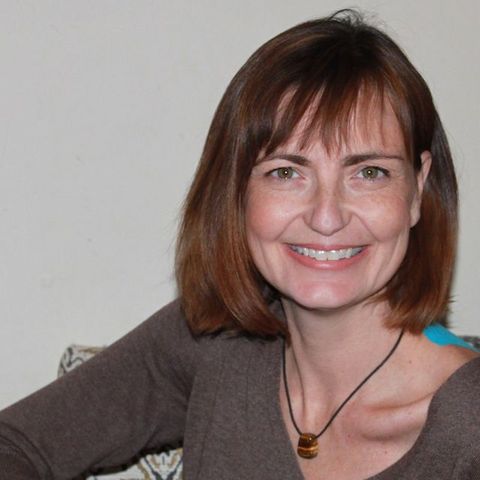
It's Barbara.
I'm a certified health and life coach and as you know by now I wear a lot of hats.
Consumer researcher,
Mom and widow.
My husband battled a rare type of cancer and unfortunately he died at 41.
But before he passed away I was his primary caregiver.
This is the fourth part of a series I'm presenting that focuses on caregivers.
And while I'm reflecting on caring for my late husband,
I really hope that this is relatable for all types of caregiving.
Because obviously caregiving covers a lot of ground.
Caring for your children,
Caring for a spouse or partner,
Or caring for your own parents.
I have a question for you today.
I'm genuinely curious.
Who is your role model when it comes to being a caregiver?
Is there someone,
Whether you know them personally or not,
That comes to mind that depicts or demonstrates what caregiving looks like?
Did you realize that this was the person you had in mind before I asked you?
What traits do they have that you are trying to emulate?
For me,
My whole life I had heard stories about my grandmother and how she had selflessly cared for my grandfather.
He died before I was born.
It was family lore,
Her dedication,
Her positive attitude,
Her relentlessness as she cared for him in his sickness before he died.
It was a really high bar.
And reflecting on this now,
I don't doubt her sacrifice.
I don't know those of you who are listening,
But I don't doubt how hard you are working,
How much you are doing for those you're caring for.
But holding ourselves to a high bar is stressful.
At the time,
I didn't even realize I was judging myself and holding myself to this impossibly high bar.
So ask yourself,
Are you holding yourself to an impossibly high bar?
After the fact,
When I think about this family lore,
It's the storytelling part of my grandmother's experience.
It was able to soften the edges.
It summarized things.
It pulled out the best parts.
But when I think about the reality of what she went through,
Think of the reality I went through.
I know she had some bad days.
I know she had tough moments.
My point today is to remind you that you don't have to be a perfect caregiver 24-7.
You don't have to live up to an unattainable bar.
I would love for you to give yourself permission to have a bad day.
To be kind to yourself when things are too tough,
When you're feeling overwhelmed,
When things aren't going right.
They're actually going wrong.
If you've been listening to this series,
You know I like assigning homework.
But don't worry,
It's doable.
I came across a great article titled,
Having a Bad Day?
Give Yourself Permission to Start Over.
It's by a woman named Mary Saar and it appeared in success.
Com.
Her article is about when you recognize you're having a bad day,
It's not a fait accompli.
You have the power to hit the reset button to give yourself the chance to have a restart.
Kind of a day within the day,
A new day within the day.
So the next time you're having a bad day,
I'd love for you to consider some of the ways you can do this.
And she lists suggestions like going for a brisk walk,
Completing the sentence,
All feel better when,
Listing three things you can control right now,
Listening to an uplifting song,
Or maybe looking at photos from your favorite vacation.
The article ends with this quote from a Stanford professor named Leah Weiss.
And she says,
A bad day can really be a useful tool.
What made it bad?
Why?
How can you fix it?
What did you learn or recognize about yourself?
By recognizing our weaknesses,
We build strength.
Thanks so much for listening today and thank you for your caregiving through the good days and the bad.