Giving dāna,
An offering,
A gift,
We do it to the level where the mind has peace,
Faith and rapture,
And that the object of dāna given is gained purely as well.
So before we give dāna,
The mind is very delighted and uplifted to give,
And we are pleased and content to give and abandon it away.
And those who give dāna regularly,
Who have rapture and fullness of heart arise.
Wherever they are,
They want to have an opportunity to make merit and give dāna constantly.
So this is one who does it often,
Making good karma through giving,
Through abandoning.
The mind is uplifted,
Constantly thinking of doing dāna.
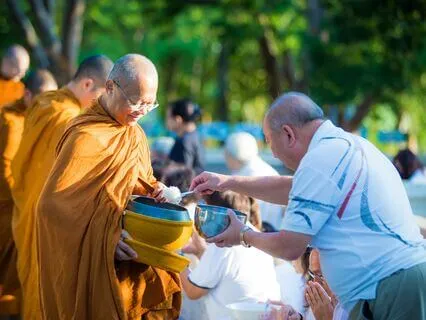
The object of dāna may be material,
Or it can be vitya-dāna,
Giving knowledge.
The teachers who educate others,
They teach with an uplifted mind and enjoy and want to give knowledge to the students.
So this is giving dāna.
And at the time we are giving,
The mind should be uplifted,
Not clouded.
There is determination to give,
And the mind is uplifted.
After having given it away,
We think back to having given that dāna,
And the mind is uplifted once again.
So this is the pure intention at the time of doing it,
And being pleased when doing it.
And after having done it,
The mind is really uplifted.
So this is merit that is arising.
The merit for someone who gives,
Who has abandoned it away.
Those who receive should be one who is an incomparable field of merit.
So the receiver of the dāna needs to be pure as well.
They have sila,
Morality,
Virtue,
And goodness.
The giver and receiver can both be lay people,
Who have sila and dhamma.
So then giving dāna will give more results to us.
And here we need to have sati,
Mindfulness,
And wisdom as well.
Like all the things in the world that we like and buy,
We will choose things that are good and have value.
The object is worth our money that we have done and bought it.
Whether it is a consumable,
Or food.
If it was expired,
We wouldn't buy it.
Or if it is something close to its expiry date,
We wouldn't buy or like it.
Because it will expire soon,
And we wouldn't have time to consume it.
So clothing and garments are the same.
Or for our dwelling,
Or building a house,
We need to build it to be livable,
Pleasant to live in,
Clean and safe.
So in giving dāna,
We need to have wisdom in giving.
And we can see that in living life,
We can't lose our mindfulness or lose our wisdom.
If we lose our mindfulness and wisdom,
And become full of greed,
Then we will go badly.
Like if we want to invest just a little,
But get back a lot of money,
It won't go well.
The noble disciples within the dhamma and discipline of the Sama Sambuddha,
The perfectly self-awakened Buddha,
Are free of mental stains,
That is,
Stinginess.
Even in the householder's life,
They have a mind that is brimming with generosity and self-sacrifice.
And the ones who are able to give dāna,
They possess wisdom.
Even the noble disciples of the Sama Sambuddha,
Who are laypeople,
Can give dāna very abundantly.
This is because they have wisdom in generosity and self-sacrifice.
They see stinginess as being something bad.
So they have giving consistently.
And giving good things,
One will naturally receive good things as well.
So what are the good things?
They are giving things that are clean,
Giving things that are of quality,
Giving things according to time and occasion,
According to appropriateness,
And knowing how to select.
This is done regularly,
And the mind is bright.
Having given,
And one is delighted.
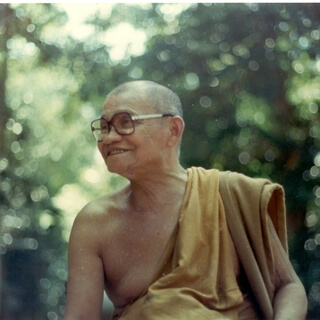
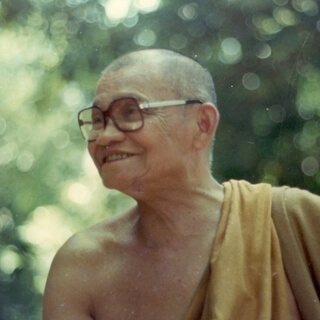
Venerable Ajahn Chah retold that his mother planted a mango tree,
And when she picked the big mangoes,
She would think of the monks and take it to offer to the monks first.
This is giving things that are good,
Things that are of quality.
And then we will naturally receive things that are of quality as well.
Because whatever karma we make,
We will receive that.
Like giving rice or water that is clean,
That is of quality,
Appropriate to the occasion.
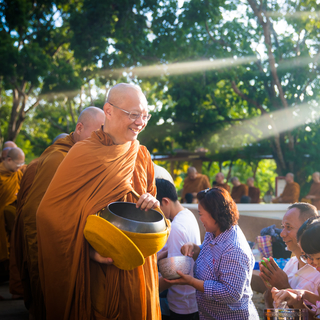
And we give regularly to those who are practicing.
Or it can be friends in the holy life.
And after having given,
We don't feel like it's a waste.
This is very important.
Sometimes we have made the decision to give,
But we give and we feel it's been wasted.
Then having made merit,
We won't get it fully.
So one who has mindfulness and wisdom will naturally see that this dāna has good results.
Then giving more and more dāna,
We will have the question that,
How rich do we want to be?
If we have wealth,
What will we do with it?
If we like doing dāna,
We think we will give this wealth away,
So it is of benefit.
As all the wealth of the world,
We can't take it with us.
So when we will give dāna,
We set up our minds well.
Before we give,
We go over it in the day,
That our mind has to be uplifted.
And giving to the place we have faith,
And our mind is bright,
We are delighted and don't feel bad about it.
The receiver is free of greed,
Anger,
Delusion,
Or they have sila and dhamma.
They may not be to the level of being freed from all the kilesas,
Mental defilements,
But at the least,
They are someone who is determined to give up the defilements.
And here the Sama Sambuddha has taught and answered about dāna.
Those who want the results of merit and dāna,
Who has a mind fond of giving dāna,
Should try to accumulate it.
We may think that after we die,
We will receive the results of that dāna,
So then we give dāna.
Or after dying,
We want to be friends of the devas,
The divine beings,
Like on the level of the Catumaharajika,
The four great kings.
Then we can determine our mind for that.
But the highest is the giving of dāna without wanting any results in return at all.
Giving dāna for goodness,
Giving dāna to self-sacrifice,
Doing it with letting go,
And not wanting anything.
This will have even more results,
Because our mind is pure.
So this is important.
But some people give dāna,
Thinking that their parents have given dāna,
And to maintain these traditions,
So then they make merit and give dāna.
Or having metta,
Goodwill and compassion,
In assisting those who don't earn their own living to find the four basic requisites,
Like all the monastics.
So we sacrifice and give them a part of what we have,
So that they have time to practice dhamma,
Can see and attain to dhamma,
Or to develop their parami,
Spiritual perfections,
Higher.
Because they don't make or cook food like us.
And even in the past eras,
When there were no monastic sangha,
But there were hermits who practiced austerities,
Who had many jhāna,
Absorptions,
And those who had faith would give dāna to those who were developing their minds,
Training in samādhi,
Concentration,
Which has a lot of benefits as well.
King Pasenadi,
Who was the ruler in the kingdom of Kausala,
He asked the Buddha,
Where should dāna,
A gift,
Be given?
The Buddha answered that we should give to those who we have faith and inspiration in.
Whichever person or group we are inspired by,
We should give it to them.
If one gives and there is no faith,
Then our mind is not at ease.
Here King Pasenadi had a lot of wisdom and further asked,
Where would one's gift be given to be very fruitful?
The Buddha said that if you want to have fruitful results,
You have to give to those who have sila-dhamma,
Morality.
Giving dāna to those without sila,
You will gain as well,
But it's not as fruitful.
But it's not that we don't give to them at all.
To make merit,
We have to give dāna to others as well.
To those who are under us,
Who we're looking after,
We give them encouragement,
Charity,
Giving knowledge,
Taking them to eat,
Taking them to see various things,
Or doing things to uplift their mind states.
This is giving so that they'll have enjoyment and happiness,
Have energy to do work,
And to help us with our work well.
And it brings up merit,
And is doing dāna as well.
But whatever our situation,
We people should not be heedless in building goodness,
In building merit and skillfulness.
Be it merit or wrongdoing,
Even little bits give results.
Like with each single drop of water,
The water that rains down and sinks into the ground,
It gathers together and can become a waterfall,
Become a stream or big river.
So,
We are not careless.
And in regards to the results of giving dāna,
We give dāna,
And we will be admired and loved by the greater society.
They are happy and delighted.
And whoever it is will want to associate with us.
This is because we are someone who is not stingy,
And we have only sacrificing to benefit the group.
And our fame of giving spreads far,
Like the rich merchant Anattapindika,
Who was a refuge of the poor,
Feeder of those who fell into difficulties.
And even in this era,
We hear the name of the layman,
Anattapindika,
Because it is the excellence of individual giving.
And those giving need to have dāma.
They have cāga,
Generosity,
Liberality,
Abandoning.
Cāga is karawasa dāma,
Virtues for a good household life,
Of which there is kanti,
Forbearance.
There is restraining the mind,
And sharing,
Giving.
These are the virtues for all the laypeople who are searching for freedom from suffering.
And when we have this fullness of heart,
Then we can be confident that when we die from this world,
The mind is bright,
We are at ease,
And have done everything completely.
Our mind is uplifted,
And it is in heaven before death.
One dies and goes to heaven,
A pleasant destination for sure.
And here if we have wisdom towards ourselves,
Then we will know what we have to do.
We associate with good friends,
And they can lead us to find better things,
To find those who have sila and dāma,
So that we can give dāna and make merit,
Or we can do it together with them.
We have faith,
And even if it's a little faith,
It is our starting capital.
Like if we are digging to find valuable minerals,
We want gold or gems,
Then initially when we dig,
We will find stones and pebbles,
But we can sell that first.
Then we can find tin,
Lead,
Then bronze and silver,
And it can be used as our growing capital.
And later,
We will sift through and find gold.
So this is similar to associating with our own heart,
Or associating with wise people,
With good spiritual friends,
Kaliyanamitta.
Even though they may not have gained noble attainments in the practice,
But they have sila and goodness,
Then they will take us to meet with wise people.
They will advise us,
Because they are good people and have gratitude to those who have given to them,
So they want people to give to us and to have faith in us,
And we will then get better things,
And we will continue to get good advice.
And then we will continue on to meet those who are dhamma practitioners,
Practicing monastics,
Who have sila and who have dhamma.
And then to Krupa Ajahn's great masters,
Who are well-practiced and attained.
So initially,
We need to have wisdom and to associate with good spiritual friends.
In the giving of dharma which is greater than material gifts or knowledge,
Which will free us from suffering of all the hurt in the heart,
Is abhaya dharma.
Giving forgiveness.
Giving fearlessness.
This is higher and is for dhamma practitioners.
Because it's true that we give exterior dharma and we have joy and happiness,
But the thing that is painful for the heart,
Which we can't get out of,
Requires dhamma practice and developing the mind.
And so is sitting meditation considered dharma?
We have given dharma of all sorts already.
And so we give dharma of the sense and mental objects,
Which we don't want any of it anymore.
We want the mind to be firmly established,
To be still and peaceful.
And there will be wisdom arising.
And the more wisdom we have,
The more we'll have the feeling that this giving of ours is easy.
It's done with mindfulness and wisdom,
With inner brightness,
And with not wanting anything in return,
So that our mind is pure.
The Sammasambuddha gave love equally to Rahula and Devadatta who tried to harm the Buddha.
This was the highest love.
So we try to slowly train in it.
We have metta to those we love first.
We have metta and compassion to those we love,
To those we have no anger,
Ill will towards,
To those we are indifferent to.
And when we can do it well,
Then we may be able to give it to those we dislike.
We're able to give,
Whether it's exterior wealth or by way of the mind.
We can spread metta to them.
May you all grow in dhamma.
May you grow in blessings.