Hi,
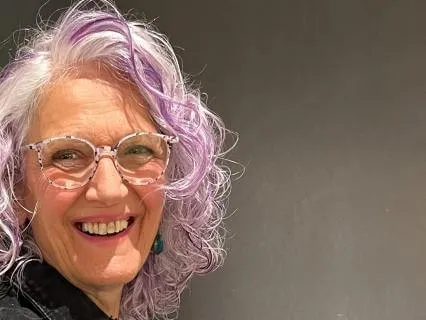
This is Teresa Conte.
Welcome to Part 3 of Grief,
The journey no one plans for,
For parents and the friends who walk beside them.
Today's episode was created for friends and others who wish to offer support and is called walking beside a grieving parent.
If you're here to deepen your understanding of grief and how to support someone you care about,
I so appreciate your presence here and helping to change the paradigm of how our culture responds to grief.
It's my hope that the information and practical suggestions I provide in Part 3 helps you feel more confident and at ease in knowing what to say and do,
As well as what to avoid,
As you support the person you care about through their grieving process.
As I was creating the series,
I flashed back to previous generations and how the community showed up and supported someone who was grieving the loss of a loved one.
For instance,
Depending on your age,
You may recall that years ago,
It was common for people to die at home.
And for the families to have a memorial service right there in their living room.
Surrounded by family,
Friends,
Neighbors,
And others who would visit,
Pay their respects,
And offer support to the family.
This often included bringing meals,
Gift baskets,
Sympathy cards,
Financial donations,
And other gifts and services,
Like caring for the family's other children if they had them,
To help give the family respite.
And doing things like cleaning their home,
Shopping,
Taking pets out for their daily walks,
And other types of support,
Which help to relieve the burdens of daily life for the grieving family.
This open acknowledgment of the family's loss fostered a sense of acceptance,
Both for what the family was experiencing and,
Although extremely painful,
That dying was a natural part of the cycle of life.
People shared stories about the loved one who passed,
Which included laughter about the person's behaviors,
Habits,
Quirks,
Or the things they did or said,
As well as shared fond memories of their time together and the contributions their friend or loved one made.
And while funerals and memorial services can bring people together in our modern culture,
They often take place for a few hours on a particular day,
And the grieving parent or family member may never see or hear from many of those same people again.
Often leaving the bereaved feeling disconnected and alone with their grief.
Our culture does little to educate or prepare us for loss or how to support one another through the process.
In fact,
Talking about death and grief has become anathema A taboo,
Despite the fact that loss is something we will all experience at some point in our lifetime.
So if you feel awkward and don't know what to do or say or how to support someone who is grieving,
You are not alone.
Most of us were never taught how to do this.
Although you may think it's best to avoid talking about your friend's child or mentioning their name,
In fact,
As a grieving parent myself,
Hearing my son Ian's name and the experiences his friends shared with him has been a healing bomb,
Reminding me of who Ian was and aspects of his life I may not have known anything about Their stories helped me learn something new about Ian as they shared their treasured moments and memories with me.
Your friend may feel the same as you share experiences of their child with them.
And seeing photos that Ian's friends posted on social media or shared privately with me after Ian passed brought me so much comfort and joy,
As some of them were photos I hadn't seen before and didn't know existed.
Although somewhat bittersweet,
I felt like I was receiving yet another treasured gift.
So while it may be helpful to ask your friend if it's okay to share a story of their child with them,
It may be exactly what they need and helps them on their healing journey.
If you are at a loss for what to say or do,
I'd like to offer a few additional suggestions of things that I've personally found helpful since the end past.
And I'm sharing them with you in the hope that perhaps they may also bring comfort to your friend.
Saying things like,
I'm so sorry for your loss.
My heart is with you and your family.
I wish I knew what to say,
But just know I care.
I will have my phone on night and day and can talk whenever you need.
In fact,
That was something a friend of mine offered and was so helpful.
I never called her in the middle of the night,
But I knew that she was there if I needed her.
But please,
Only do this if you mean it.
Other things like,
There are no words,
But I can listen.
I would love to hear about your child,
Of course using their child's name,
If and when you ever want to talk about them.
It's okay to feel whatever you're feeling.
I'm here to listen.
And one of my favorite memories of the child's name is and then sharing the experience.
The important thing is to be present,
To breathe,
To listen without trying to fix or ease their pain.
Listen also for what's beneath the surface,
For what may be unspoken through their body language,
If you're with them in person or even on video.
For instance,
Does it look like they've been crying?
Are their shoulders hunched?
Are they slouching in their chair?
Greeting them with kindness,
Compassion,
And an open heart can be your gift to them,
Letting them know that you're there,
Present,
To listen if they'd like to talk about how they're feeling or what's going on for them.
And simple acts like silencing your cell phone when you're with them or speaking with them on the phone or via video.
Deepens connection by keeping the focus on them.
And don't try to fill the space.
Let it be okay to sit in silence if that's what they need.
Your very presence may be the support they need most in that moment.
If you live in close proximity,
Another meaningful way to offer support is by helping them with everyday needs,
Just as people did in the past.
Bring a homemade meal or arrange for food delivery that aligns with their dietary needs and preferences.
This may help them stay nourished as they may not have the energy or desire to prepare a meal or cook for themselves.
Or you can give them a gift certificate to their favorite restaurant,
Supermarket,
Or delivery service so they can choose what they find most replenishing.
An acquaintance of mine unexpectedly purchased a gift certificate for me,
And it was such a beautiful thing to receive.
I felt valued and cared for.
Another suggestion that can be helpful is offering your time.
By running errands or taking care of small tasks,
Like picking up groceries or taking the garbage and recycling out.
These things can lighten their mental load and reserve their energy.
Again,
If they have children,
Offering to take them to the park or spend time with them can give your friend some much needed time alone to rest,
Sleep,
Process,
Or simply breathe.
Most of all,
Just love them.
Be there,
Listen,
Rather than trying to fix or make them feel better.
What they need to know is that you're there,
That you care.
That they're not alone.
I share this because,
As a grieving parent,
This was crucial for me.
Most important,
People often disappear after the first weeks or months after someone passes,
But grief has no timeline,
So do keep in touch.
Regular check-ins,
Even weeks and months later,
Can mean a lot.
You can also read articles or books or listen to podcasts from people who have experienced the loss of a child to build your reservoir of learning.
And just as helpful,
Here are a few things to avoid saying or doing.
While your intentions may be good,
They may not land inside of your friend the way you think or expected.
For example,
Don't say at least.
At least they aren't suffering any longer.
At least they're out of pain.
At least you don't have to worry about them.
Time heals all wounds,
Or there is a reason for everything.
You're stronger than you think.
I know how you feel.
That was a while ago.
Meaning they should be over their child's passing by now.
Actually,
Someone said that to me and I was stunned by their comment.
Don't say it's going to be okay because the loss of their child will never be or feel okay.
The messages underlying comments such as these diminishes what your friend is feeling rather than acknowledging them.
When you don't know what to say or do,
You can ask,
How can I support you right now?
What would be most helpful for me to say or do right now?
How do you need me to show up for you?
Megan Devine,
Who is a therapist and author,
And who experienced the loss of her husband,
Wrote that the medical model calls grief that lasts more than six months a disorder.
But every honest conversation we have about grief and our experience of it helps to change that fallacy.
The more we listen and learn,
The better we can care for ourselves and for one another through life's hardest moments.
Lastly,
Don't expect your friend to be or act the same as they did before their child passed.
Their life will never be the same.
Yet your friend,
Like me,
And other parents who are grieving the loss of a child,
Are learning to live in a new way.
As well as always carrying our children with us.
I'd like to end with a quote from Rumi.
He wrote,
Grief often shows up in quiet ways.
Love rests on no foundation.
It's an endless ocean with no beginning or end.
I hope you found today's episode helpful.
If you haven't yet listened to parts one and two of this series,
I invite you to take a little time and check them out.
They may help you on your journey of understanding what your friend or loved one may be experiencing.
Wishing you much peace as you move forward in supporting the people you care about through their grieving process.
With love,
Teresa.