Social Battery Crash - Neurobiology Of The 20m NSDR Session
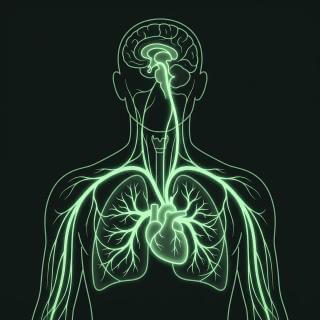
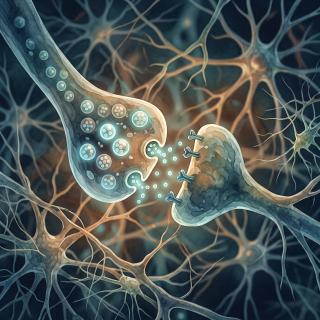
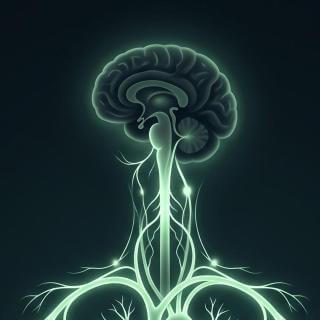
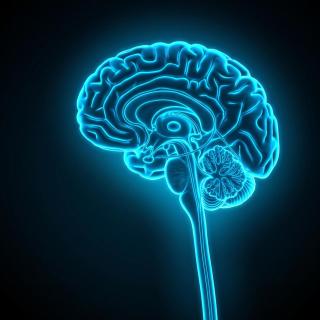
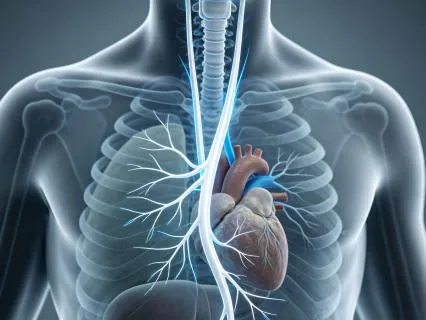
When midlife high-achievers experience profound social exhaustion, it is often driven by a structural downregulation of the social engagement system. In this clinical session, we analyze the neurobiology of chronic burnout through the lens of polyvagal theory, exploring why social interactions suddenly feel like an overwhelming threat to your metabolic reserves. Under sustained allostatic load, your body deactivates its primary neural mechanism for calm: the vagal brake. Managed by the myelinated vagus nerve, this physiological brake directly regulates your sinoatrial node to slow your heart rate and maintain emotional equilibrium. When chronic cortisol load forces the vagal brake to release, your autonomic nervous system drops into defensive sympathetic hyper-arousal, impairing the cranial nerves responsible for facial expression, vocal tone, and auditory filtering. To counteract this systemic collapse, this audio track guides you through a targeted Non-Sleep Deep Rest (NSDR) protocol

Meet your Teacher

São Paulo, State of São Paulo, Brazil