There is nothing to do tonight.
Whether you drift off in the next few moments,
Or whether you simply lie here quietly,
Comfortably resting in the warmth of this voice,
And the weight of the covers across your body,
Your mind and your muscles,
Are already doing exactly what they need to do,
You may notice as you settle in,
That your shoulder have already begun to soften,
Just a fraction,
Just enough,
And that the surface beneath you is holding you completely,
The way it always does,
Steady and solid and warm,
You are entirely safe in this quiet space,
Tonight you are going to step back in time,
Into a world where everything is soft,
Misty and remarkably still,
So let the present grow quiet,
The path narrows beneath your feet,
And the bamboo closes overhead in slow indigo arches,
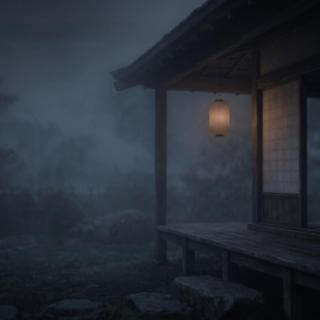
And somewhere far ahead in the mist,
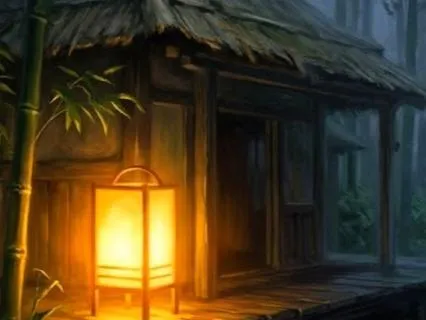
A single amber lantern is waiting for you,
This is the western edge of Kyoto,
In the year 1698,
In the deep hush of a genroku autumn,
And the day has already given itself over to evening,
The sky between the bamboo combs has turned the colour of wet ink,
The fog moves through the grove in slow low rivers,
Threading itself between the great green stalks,
Softening every edge it touches,
There is nothing sharp left in this world,
Only the soft,
The slow,
The heavy,
You walk without urgency,
Because there is none,
The grove was here long before you,
And will be here long after,
And the path is in no hurry to deliver you anywhere,
The bamboo breathes around you in long hollow tones,
The wind passing through the grove,
The way breath passes through a flute,
Carved by an old craftsman,
Who no longer remembers his own name,
With each step,
The modern world grows fainter behind you,
The hum of streets does not need to be thought of,
The light of screams does not need to be seen,
Whatever you carried into this grove may stay in it,
You may let it slide from your shoulders onto the mossed stones of the path,
The bamboo will hold it,
The night will hold it,
You have permission to put it down,
Perhaps you notice the soft press of moss beneath each footfall,
And the faint give of damp cedar where a flagstone has half sunken into the earth,
Perhaps you do not,
Either is perfectly fine,
The grove asks nothing of you tonight,
It is simply holding the path,
And the path is simply holding you,
And that is the entire arrangement,
A heavy wooden bridge rises ahead,
Low and old,
Its planks the color of long rainfall,
Beneath it a slow stream moves almost without sound,
More shadow than water in the gathering dusk,
As you cross,
The wood gives a low drowsy murmur beneath your weight,
The murmur of a thing that has carried many travelers before,
And is glad to carry one more,
The mist rises from the stream in great drowsy banks,
And as it climbs around your knees and your chest and your shoulders,
You may notice that whatever weight you were still carrying when you stepped onto this bridge does not need to be carried across it,
You may walk on lighter than you arrived,
Beyond the bridge the lantern grows nearer,
The amber light throbs softly inside its paper shade like a snow heart,
And the small thatched roof beneath it begins to take shape out of the fog,
Low,
Dark,
And waiting,
This is your hermitage,
You have been expected,
You have always been expected,
The door is not so much a door,
As a heavy wooden panel,
Dark with age,
And the slow oils of many hands,
It slides on its old runner with a long low rumble,
Soft as thunder,
Several mountains away,
And then you are inside,
And the panel is closed behind you,
And the night and the mist remain on their side of the wood,
The hermitage is small,
It was built to be small,
Six tatami mats from one wall to the other,
And the air inside is the kind of deep settled warmth that only old wooden places hold,
The warmth of cedar that has stood through many winters,
And remembered them all kindly,
You may notice that the cold of the path has already begun to leave your skin,
You do not have to hurry it,
It will go in its own time,
In the center of the room a small clay brazier sits half sunken into the floor,
Within it the charcoal has burned down to its slow red heart,
Soft as a closing eye,
Glowing without smoke and without sound,
Beside the brazier on a small lacquered tray lies a single thin paper taper,
Its tip already darkened from earlier night,
You may kneel here,
Easily,
The tatami beneath your knees is dense and dry,
And faintly fragrant with old weed,
Your weight settles into it the way water settles into a low place,
Without effort,
Without question,
Now the first small task of the evening,
You take the taper between your fingers,
It is light,
Almost weightless,
Its paper twisted into a slow careful spiral,
You lower the tip into the brazier's red heart,
Slowly,
And you wait,
The paper does not catch immediately,
It only browns then darkens,
Then breathes a single thread of pale grey smoke upward,
And then a soft unhurried bloom of flame opens at the tip,
Small and steady,
The color of warm amber,
Ease,
Towards the andam,
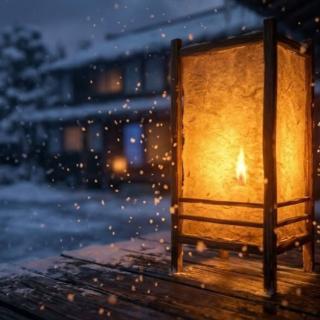
The paper shaded floor lamp standing in the corner like a quiet companion,
You bring the flame to its wick,
The wick takes the flame the way moss takes rain,
Without ceremony,
Without protest,
And then there is light,
Soft light,
A light,
A kind of light that does not glare,
And does not declare,
It simply exists,
Low and golden,
Inside its paper shade,
And it begins,
Slowly,
To push the shadows of the room a little further back towards the walls,
You lower the taper to the floor of the brazier,
And let it darken there,
The small task is done,
You have done enough,
In fact,
Exactly what was needed,
And now there is nothing else that must be done at all,
The room comes into being around you in the slow amber of the lamp,
The walls are made of plain plaster,
The color of old cream,
Softened further by the lamp,
Into something closer to warm sand,
The ceiling beams above you are dark cedar,
Heavy and cross-laid,
Blackened gently by a hundred winters of brazier smoke,
To one side,
Two shoji screens slide closed against the night,
Their paper panels the color of pale milk,
Faintly translucent,
Holding back the deep indigo of the grove beyond,
You can see the bamboo only as the bamboo wishes to be seen tonight,
As long,
Soft shadows that move very slowly behind the paper,
Like the breath of some great,
Quiet,
Sleeping animal,
Against the far wall,
Your bedding is already laid out,
The futon mat is thick and pale,
And folded across its foot,
Waiting,
Is the kakabutum,
The heavy winter coverlet,
Deep indigo on its outer side,
And quilted in long careful rows,
Stuffed thick with raw silk and cotton wadding,
Waiting by old kindness,
You may notice it there,
You do not need to go to it yet,
It is enough,
For now,
Simply to know that it is waiting,
That there is a heavy,
Warm,
Generous weight in the corner of this room that has been waiting for you all evening,
And is in no hurry,
And will still be waiting whenever you are ready,
The lamp moves a little,
The flame inside it shifts,
Perhaps because of some small breath of air finding its way under the door,
Perhaps for no reason at all,
The shadows on the cedar beam stretch slowly toward one wall,
And then slowly back,
And then slowly forward again,
They do not flicker,
Nothing in this room flickers,
Everything moves the way old things move,
Patiently,
Without urgency,
With a quiet assumption that there is plenty of time,
Outside the bamboo grove is at its evening work,
The wind passes through the long hollow combs in low breathing tones,
The way an old monk passes a held note through the inside of a shakuhachi flute,
There is no music to it,
Only weather,
Only breath,
Only the long continuous voice of bamboo at night,
And somewhere further off,
Beneath the grove,
A slow stream moves over moss and stone,
In a sound so soft and so unbroken,
That you may not be entirely certain it is sound at all,
It may simply be the room's own quietness,
Breathing,
You can hear,
Faintly,
The small drone of crickets in the moss outside the wall,
They do not chirp tonight,
They only hum,
The way crickets hum when the air is cooled enough that they have grown drowsy themselves,
As the bamboo grows softer and slower out there in the fog,
Your own thoughts may grow equally soft and slow in here,
The two are not separate,
The grove is breathing,
And you and the night is breathing,
You may sit here for a moment,
On your knees,
Simply looking at all of this,
Just simply being inside,
While the night arranges itself outside,
There is a particular kind of safety in being a small warm thing,
In a small warm room,
With the mist on the other side of the paper,
And the bamboo on the other side of the mist,
And all the long roads and long days of the world on the other side of the bamboo,
You are exactly where you are supposed to be,
You have nothing further to attend to,
The Kakibuton is in the corner,
Heavy and indigo and waiting,
And you may notice,
Only if you wish,
That even from here,
Even before you have gone to it,
You can almost feel the imagined weight of it across your chest,
Settling,
The way snow settles on a low cedar branch,
Steady,
Heavy.
After a long while,
For time has begun to behave differently in this room,
Less like a sequence and more like a slow tide,
You may rise from your knees and move,
Easily,
Toward the corner where the bedding waits,
The tatami beneath you barely registers your weight,
The lamp behind you sends your own shadow forward,
Long and quiet,
And faintly amber,
Your shadow arrives at the futon a moment before you do,
You may lower yourself onto the mat,
The cotton wadded base receives you the way a long prepared welcome receives an expected guest,
Without surprise,
Without ceremony,
With a slow deep give,
You feel the floor beneath the futon,
Distantly,
The way one feels the earth through deep snow,
Present,
But very far below,
Steady,
You may draw the Kakibuton up from where it has been folded at your feet,
It is heavier than you remembered,
It is always heavier than one remembers,
Its outer cloth is cool against your fingers,
Old indigo dye,
Smooth from many washings,
And its inside,
Against your throat and shoulders,
Is warm before you have even finished settling beneath it,
You may notice the long quilted rows pressing gently across your chest,
And across your arms and across the tops of your legs,
Distributing their slow patient weight,
Evenly along the length of you,
The way a shoreline distributes the weight of a long incoming wave,
You are inside now,
Inside the hermitage,
Inside the lamplight,
Inside the heavy indigo quilt,
And outside,
Far outside,
On the other side of the paper,
On the other side of the mist,
On the other side of the bamboo,
The grove continues its low breathing work,
Asking nothing of you,
On your back beneath the Kakibuton,
With the lamp still burning low at the far side of the room,
You may simply notice,
You may notice the way the indigo quilt molds slowly to the shape of you,
Softening at the shoulders,
Settling into the curve of the ribs,
Draping heavy,
And even across the long line of your legs,
You may notice the warm cedar smell of the beams,
You may notice the soft milk paleness of the shoji screens,
Glowing faintly,
Where the moon has finally found its way into the grove,
You may notice perhaps,
That you cannot quite tell anymore,
Exactly where the warmth of the room begins,
This is enough,
This has always been enough,
After a long while beneath the indigo quilt,
Long enough that the room has had time to grow even quieter around you,
Long enough that the lamp has lowered itself another finger width toward its own slow ember,
You may notice without urgency,
The small lacquered tray that waits on the tatami beside the futon,
It is a low and unhurried thing,
Its lacquer is the deep brown black of river stones in shadow,
And upon it,
Arranged in a slow uneven row,
Sit five small unglazed chawan,
Five tea bowls of the kind a hermit keeps,
For no reason other than that he has always kept them,
Beside the bowls,
Folded into a careful square,
Lies a length of soft pale linen,
Washed many hundreds of times into the colour of old milk,
This is the evening's last small habit,
Not a duty,
Not a chore,
Only the slow ritual of a quiet person at the close of a quiet day,
The bowls do not need to be cleaned,
They were cleaned this morning,
And the morning before that,
They are wiped each evening only because they are wiped each evening,
And because the hands of the hermit have been wiping them at this hour for so many years,
That the wiping has become a kind of inward weather,
Something that simply happens as the night arrives,
You may sit up halfway beneath the kakebuton,
Easily,
Drawing a heavy indigo quilt with you,
So that it remains across your lap and your knees,
You may notice the long slow drag of its weight as it follows you up,
The way it pulls gently on your shoulders and across your chest,
The way it does not let go of you,
The way it has decided,
Quite firmly,
To stay,
You reach for the first bowl,
The clay is unglazed at the foot and softly glazed only on the inside,
A faint inner sheen the color of wheat tea,
You lift the bowl from the tray,
You draw the folded linen across its outer wall,
Slowly,
In one long unhurried sweep,
The linen meeting the clay,
With a soft hush of two old fabrics meeting in the dark,
You turn the bowl once in your hands,
You set it down on the tatami beside you,
Where the woven reed receives it,
With a sound so soft it is barely a sound at all,
A low note,
Less heard than felt,
You reach for the second bowl,
It comes into the palm of your hand the same way the first one did,
Cool at the base,
Faintly chalked at the foot ring with the dry grit of unglazed clay,
A sensation almost like very fine sand against the pad of the thumb,
You draw the linen across its outer wall in one long slow pass,
The linen has been washed so many times that it has forgotten how to be rough,
It moves across the clay the way mist moves across moss,
Without resistance,
Without sound,
Without hurry,
You turn the bowl once between your hands,
The clay has begun to warm a little where your palm has held it,
You set the bowl down on the tatami beside the first,
Set down,
The kakabuton settles a little further across your shoulders as you lean forward to the tray,
And a little further still as you lean back,
You may notice the way its weight redistributes itself with each small movement,
Heavier at the chest when you lean forward,
Heavier at the lap when you lean back,
Always somewhere on you,
Always pressing kindly downward,
Always pulling you gently toward the warm,
You reach for the third bowl,
This one has been sitting nearer the brazier and is faintly warmer than the others,
You draw the linen across its outer wall slowly,
The linen is itself growing warmer now,
Gathering the heat from each bowl as it passes,
Gathering also the faint earthen smell of the clay,
So that by the time it crosses the third bowl,
It has begun to smell faintly of warm kiln and warm cedar,
All braided softly into one slow scent,
You set it down beside the second,
The hollow note of the bowl meeting the tatami is the same hollow note the second one made,
And the first,
And you may begin to notice how the room has arranged itself without your asking into a slow continuous rhythm,
The fourth bowl is the heaviest of the five,
Its walls are slightly thicker,
Its foot ring is broader,
You take it into both hands without thinking,
Because the hands have already learned that this bowl needs both of them,
You draw the linen across the outer wall once,
Slowly,
Then once again,
Because that is how this particular bowl has always been white,
The clay grows warm in your palms in the slow patient way that clay grows warm,
A heat that arrives so gradually,
You cannot quite mark the moment it began,
You turn the bowl in your hands,
You set it down on the tatami beside the third,
The weed receives it with the same low hollow note,
The note is so familiar by now,
That it has begun to feel less like a sound,
And more like a small soft punctuation,
The gentle full stop of a sentence the room has been speaking to itself for hours,
You may notice that your hands are beginning to feel pleasantly heavy,
As the bowls grow warmer in the palm,
The palms themselves may grow heavier in the air,
As the linen softens with use,
The room itself may soften around you,
None of this requires your attention,
It is simply happening,
The way the fog outside is simply happening,
The way the bamboo is simply breathing,
The way the lamp is simply lowering itself toward its own quiet ember,
The kakabutom across your lap has grown heavier still,
Or perhaps you have grown lighter beneath it,
It is difficult now to tell which,
The indigo cloth has warmed all the way through,
From its outer dye darkened surface,
To its inner cotton and silk wadding,
And the warmth is no longer the quilt's warmth,
And no longer your warmth,
But some third warmth that belongs to neither of you,
And to both of you at once,
It fits entirely within the cup of one hand,
You draw the linen across its outer wall in a single short slow pass,
Because there is not much wall to cross,
You turn it once between your thumb and fingers,
You set it down on the tatami at the end of the slow row,
The hollow note is softer than the others,
A smaller bowl gives a smaller note,
And the note carries less far into the room and is met more quickly by the surrounding hush,
The five bowls now sit in a slow uneven row along the tatami beside you,
Each warmer than it was,
Each white,
Each set down,
Each finished,
The folded linen rests across the lacquered tray,
The small evening habit has completed itself,
The way small evening habits do,
Without announcement,
Without finish,
Without any clear scene between doing and being done,
You may lower yourself slowly back onto the futon,
The kakebuton follows you down,
It settles across your chest and your arms,
And the long slow line of your legs,
And you may notice that you can no longer say with any precision,
Where the heaviness of the quilt ends and the heaviness of your own body begins,
Both have become the same indigo weight,
Both have become the same warmth,
The lamp in the corner has lowered itself another finger width,
The amber has gone closer to ember,
The ember has gone closer to glow,
The cedar beams above you have begun to lose their light,
The cross laid timbers,
Blurring gently into the dark of the ceiling,
The ceiling blurring gently into the dark of the room,
The shoji screens have grown paler still,
Look pale,
The bamboo shadows behind them moving slow,
Slower,
Slower than that,
The amber has gone to ember,
And the ember has gone to glow,
And the glow is the color of a memory of light,
Not light itself,
You may notice the kakebuton across you,
But what was the kakebuton?
The indigo has gone dark with the room,
The quilted rows have softened into the warmth they were carrying,
The weight has stayed,
Outside the bamboo is still breathing in long hollow tones,
And the stream is still moving over moss without sound,
And the crickets in the cool grass are still humming,
Their low unhurried hum,
And all of it has come a little closer now,
A little further inside the room,
A little further inside the warm,
You may notice that you cannot quite tell where the quilt ends,
And you begin,
That is perfectly fine,
That is exactly as it should be,
And deep indigo is the color of snow water,
And slow water,
And a long evening is the color of sleep itself,
The lamp is almost gone,
The grove is almost gone,
The hermitage is almost gone,
Quiet room at the close of a long kind day,