Welcome to Awakening Torah,
Musar Mindfulness.
Delighted to have you.
Bless you.
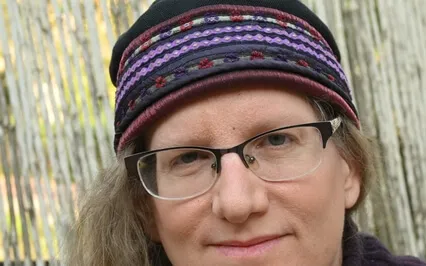
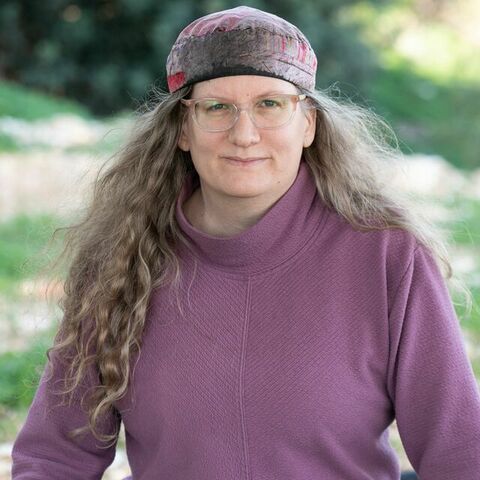
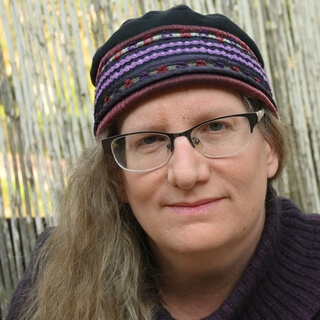
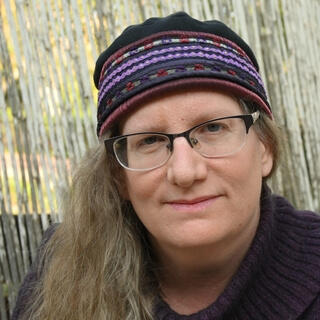
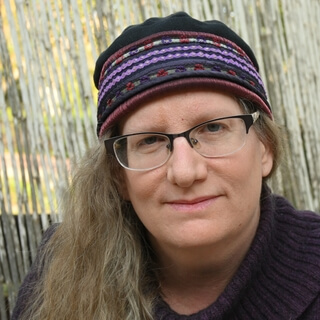
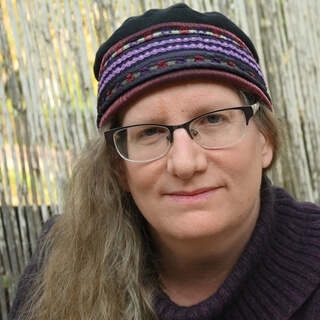
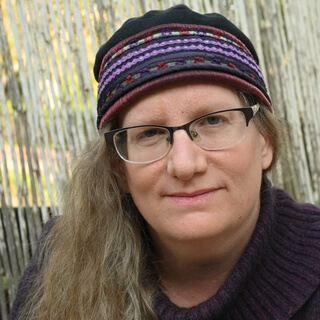
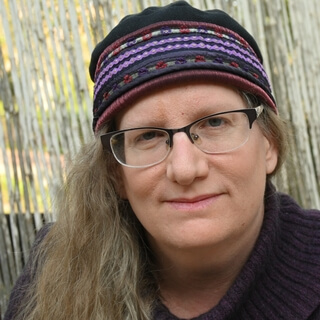
I am Rabbi Chassia Uri El-Shteynbauer,
The founder and director of the Institute for Holiness,
Kihilat Musar.
We didn't meet last Sunday because it was Rosh Hashanah,
The New Year.
So we weren't able to jump in and cover together Nitzavim,
Which was the Torah portion on September 25th,
2022.
We met the former year,
Because we're now in Tofshen Pei Gimel.
So we will be covering Nitzavim so that we stay on top of the parashiot,
The weekly Torah portion together.
And Bezrat HaShem will meet this following Sunday to jump into the next one together.
So we always begin with our kavenot,
Our intention for today's practice.
So we will begin with that.
I'm going to share screen for those of you who have vision and are watching this video versus listening to the audio.
I will read it out loud for those of us who are without vision or are on the audio.
So you have before you,
Before doing acts of caring for the self,
We say the following.
So why are we saying this kavenah,
This intention for today's practice and for joining together during this awakening,
Learning and practice together?
Because we see this as an act of radical self-care,
You are dedicating time to your practice,
To the intention of this transformation that happens as we take refuge in the learning and the teachings together and the practice.
So we say this is something I'm doing to strengthen my own soul.
In order,
G'day,
In order to be of benefit to others in the future.
We also see this as we're doing this for an act for others.
We say this is something I'm doing to strengthen my relationship to others.
So I can be a better conduit of God's good to others when they need me.
This is part of our daily intention.
We practice so that we can be a better conduit of the good that Hashem,
That the Divine gives all of us into the world.
The ability for us to be with utmost kindness and compassion and care and responsibility to one another.
The final thing that we say is before doing acts to strengthen your relationship with the Divine because we are doing this practice to strengthen our relationship to the Divine also.
So we say this is something I'm doing to strengthen my relationship with the Creator,
However I may define the Creator or that relationship.
So that I can be a better conduit of God's good to others when they need me.
Okay,
So may it be so,
May we merit that today's practice fulfills these intentions and we begin.
So as I said we are covering Nitzavim.
I'm going to give a brief summary of what this Parsha covers and then I'm going to delve in.
I'm going to delve in what I want for this year and you have to remember that we were supposed to be studying this about to enter Rosh Hashanah.
About to end the whole month of Elul practice before we enter the 10 days of Tishrei in between Rosh Hashanah and Yom Kippur,
The Day of Atonement.
That we are at the cusp,
We are entering the new year,
We are ready,
We have been practicing Musa mindfulness together all year.
It's not just something that we either practice for a month or either just two days of the year on Rosh Hashanah or Yom Kippur or even the 10 days in between.
And so we are standing before God,
We are standing before community,
We're standing before ourselves and we are here with this Parsha.
And I want to make sure that we really get out of it what I feel is necessary for right at that moment of entering Rosh Hashanah and where we are right now.
So a summary.
This Parsha deals with the brit essentially a covenant again between the bonds between the divine Hashem God and B'nai Israel,
The children of Israel.
And the key thing that this is worded here is that this brit includes everyone and the language is very intentional.
It's women and men,
Children,
Babies,
People who were part of B'nai Israel at the actual time of the children of Israel at the exact time,
And even those who weren't there.
Hashem is saying in this brit that this covenant I was setting back forth with our ancestors back then is for you today,
And for your children and grandchildren and onward.
That God is entering this covenant with our people.
An eternal one.
And even more amazing is that it includes all classes,
All peoples,
In the sense that it says that even the water drawer,
Even the person who today the equivalent might be a janitor and the caretaker of babies at a daycare center,
Or a kindergarten teacher who are paid the poorest who are often ignored or absent from society who are not seen,
Perhaps even caretakers or nannies and.
And,
You know,
The scholars really kind of contemplate who is this right is this part is this the Jewish peoples as part of an Israel are these also people who join the people in the desert along the way,
Who maybe even serve the people in these positions.
So what we obviously don't know exactly who these ancestors are,
But it's meant to say that even those on the margin,
Even those who we don't see are hidden or are so poor.
They are included in this covenant with our ancestors who are standing there at that day and Hashem promises to be our ancestors God including our God because it's for those who weren't even there and promises to be faithful.
It also goes on to say that if we do what is right and what is commanded in the Torah.
We will enjoy brachot blessings.
And if we don't do what's right,
Then we can always change our ways.
It's called to shuvah.
It has the shorashin va'vet meaning to turn to return.
Has the ability to do what we call in English repentance,
The sense of I recognize I am off the path.
I have not done something right.
I've done something wrong and my behavior has not been wise.
And to take that responsibility and to turn back to God,
Back to responsibility to one another.
And so if this whole parasha emphasizes this power of to shuvah returning to God,
No matter how far away we have turned off the derek on the wrong path.
Hashem is prepared as it says in this Torah and this parasha to gather us back.
If we choose to return.
Okay,
So it is a practice,
The act of returning the active to shuvah is not just something that one bumps into it is something that requires great courage and strength.
It takes great courage and strength to face when we've done wrong.
To admit it verbally.
To take responsibility to apologize,
And to attempt not to do it again.
It's this returning this is what Hashem what God wants,
And this is a practice,
It must be exercised in order to do it well which means in some ways we're expected to fall off the derek we're expected to make mistakes.
And this is if we're expected to sin,
Along the way in our lives,
So that we have this practice of to shuvah of returning.
It is a key key foundational Jewish concept in our,
In our people,
And in our practice of what we call Judaism today.
This is here this is here in our parasha and Moshe goes on to emphasize that the Torah and the meets vote are close by and accessible.
And indeed,
They have to be if we're going to live and practice them and be able to do shuvah.
So in the sense it says they are neither up in the sky or across the sea.
This is something that we can do.
This is something that we can be.
So,
Finally,
Moshe tells me Israel our ancestors that they face a choice between life or death,
Blessings or curses.
And he of course encourages them to over heart of a time to choose life that you shall choose life.
So,
This is what I want to hone in on today I want you to remember I always try to encourage that we remember what a little bit.
Well,
We should try to be cloud in general remember what came before in,
In the Torah and the Hebrew Bible,
Because it's all it's connected.
It's our master narrative what our ancestors want us to get out of life and and and from our story,
And how to live so if you recall in key travel in the parasha.
Now two weeks ago,
A,
We were told that Hashem has given us a heart to know.
And it's a it's very beautiful line essentially this concept.
This idea that we've been given the eyes to see the ears to hear.
This is back in,
In chapter 29 lines one through three this idea is.
Okay.
Hashem Natan lechem lev la daat ve'enayim lirot ve'oznayim lishmoa ad ayom hazeh.
So we are to remember that we have been given this ability.
If you recall back in Bereshit and in Shemot,
I talked about this concept that religion,
At least the way we understand it today,
Really was something called a fear of God.
That was what it was before Hashem commanded the laws of the Torah so when when our patriarchs and matriarchs have this fear of God,
Including the classic example I always bring are the midwives in Egypt who refuse to,
To participate in Paro's command of genocide of murdering the Hebrew baby boys.
They said they had a fear of God.
And that's what I interpreted as is that they were,
They had a moral compass within that taught them right from wrong and allow them to have the strength and courage to make that choice.
And that is part of what I call the heart to know right we have this lev la daat.
And tied to this week's parasha.
We're going to tie this all together.
So we enter this new covenant right we enter God,
We're about to enter the land.
Our beloved ancestor Moshe Rabbeinu is about to pass away he's imparting his last teachings to us.
And he says,
He reminds us that,
That all of us were at Sinai we all are at receiving this covenant to be entered with this heart that knows we have this ability and we're all standing there.
And why is this so important,
There is this concept,
And it's so foundational to who we are as a people and how we're the operate in the world which is,
We say that all of Israel is responsible to one another.
And so I apply that to all of us,
All of humanity I would say in general but in particular we learned that all of our ancestors all of the children of Israel all Jews are responsible for one another.
And by extension I apply that to all of humanity.
And why is this important because in this Torah portion.
In the first verses really we're talking about that the whole the Pesukim verses nine through 16 we're told about that there's this whole obligation that the whole community must must keep the Torah.
And then we learn in the verses just a little bit later,
From 17 through 20.
It speaks of the individual,
One of our fellow Jews one of our fellow people who wishes to shake him or herself free from this obligation,
Right,
Of the train of his or her thoughts.
And so it's a very very certain assumption of self confidence almost arrogance.
And it goes on to say,
Less there be anyone among you essentially man woman family or tribe that the heart turns away okay so the hearts has been given us a level of the arts and the person in a sense,
Does not know,
Right,
This heart that the person in a sense has chosen,
Or in practice or habituated behavior perhaps even being affected by habitual behavior or the hindrances has turned away from Hashem to go serve other gods of those nations.
And it brings up that the kind of thinking behind that goes on when someone basically falls off the path,
This idea that they think that they will have peace,
That they will walk in a sense of the stubbornness of their heart.
And because we are unbalanced in the media of stubbornness where it's not balanced.
We are almost blindsided right we feel that we are the one that knows,
And we're not able to listen to the console wise console and wise discernment of others.
And what I think that the Torah is describing for us is that this,
This type of person this type of behavior that you can guarantee will happen.
And it goes on to say that Hashem will not be willing to pardon this person.
There will be an anger that goes against them.
And in the sense that this person will receive the curses,
And that this person will be singled out.
I want us to take that language and that that very concept that it is upon us it is a huge is an obligation to have a heart that knows is an obligation to be responsible to one another.
It is an obligation to choose life.
This is all here in this parasha and then the whole Torah.
So given that even if Hashem turns away from this person,
Which we could debate or discuss.
We are not to turn away from this person.
Nowhere does it say this,
Or command it.
Yes,
You could bring up examples where someone has sinned,
And there was that behavior.
But if you take this concept that we have a lev ledaat,
We have a heart that knows,
We are to be responsible to one another.
We are to cleave to Hashem and Hashem's ways which means that we choose life.
Right?
Then we must also turn to this person.
We must also have complete kindness and compassion to see them as a holy soul created in the likeness and image of the Divine.
We must not forget each and every one holy soul.
It is our practice.
So,
Instead,
Even if someone among us walks in stubbornness of hearts,
Which sooner or later someone's going to,
Maybe even ourselves,
Maybe we have already once in our lifetime.
That we allow a softening of the heart,
We allow an opening for when that person's ready to return.
And we let them know that we haven't abandoned them.
That we are here.
That if they must go off the derek and off the path,
That is their choice.
But that we are here,
We are here to be responsible to them,
To be a people.
That is how we embody the Divine within.
That is our lesson before the New Year Rosh Hashanah and especially now in between the 10 masterful amazing days of practice before Yom Kippur.
And if you see now you see probably tears in my eyes and fear here to my voice.
This is deeply.
This is the,
This is the essence of life.
Are you going to forgive?
We are responsible and carry.
We carry the burden of each other.
This is what it means to live by these laws and tenets to allow the creator within to shine through.
This is what it means to be a Jew.
This is what it means to be a human in our full humanity as we turn toward one another.
Regardless if someone has gone off the path,
Including yourself,
If you if that applies to you today and you happen to hear this today.
We are here.
We are waiting for your return.
We're waiting for that softness,
That pliability of your heart.
When that stubbornness will soften and you will be able to do teshuvah in return.
We are here to be responsible to one another.
With love,
With kindness,
With compassion.
So with that today,
I will close the teaching that comes in from this concept in our Torah portion.
Finally,
This idea that the Torah is not in heaven,
Right?
The Torah,
The teachings,
The path is right here,
Right before us and in us.
A heart to know.
And so our beloved teacher,
Nechama Levowitz teaches us on page 325 of the studies of the Varem.
She says that this concept that the Torah is not in heaven,
It emphasizes the facility and feasibility of Torah affording.
There's no excuse for neglect then,
She says.
Meaning if the Torah is not in heaven,
Meaning it's too difficult to get to,
Whether it's across the sea or I don't understand it or I don't have the means or the strength to go and get the teaching and the lessons.
That since the Torah is right here,
We have no excuse for neglect.
I question it a little because there's always so much going on inside of us that can obviously cause one to neglect,
Correct?
But as she goes on to say,
It also implies a very heavy responsibility on students and scholars,
Teachers of Torah.
Because since it's not in heaven,
Since it is right here for us,
We can no longer rely on heavenly guidance.
We must interpret it and teach it ourselves with our own resources.
This is what we're doing today in our practice that moves through mindfulness.
The Torah is not the property of privileged cast of priests or monks or initiates or any of the sorts.
Even the book of Vayikra that seems so dedicated to just our priesthood and the leviyim.
The whole Torah is ours,
Is our teaching,
Initiates each and every one of us.
It is not in the heaven but is in our midst.
It is our duty,
It's the duty of all to study,
To teach and practice its tenets.
This is what we're doing today.
This is what we are applying.
We're going to move into our mindfulness meditation practice together to internalize this,
To see the embodied experience for us to practice.
So I want you to assume one of the four postures.
For those of you new to meditation that can be a seated posture,
Whether it's on a zafu,
A meditation cushion or on the ground,
Or in a chair.
Others can stand often in a strong mountain pose so that you are held and secure like an unmovable mover or like our Almighty.
You can do a walking meditation understanding that you are walking not to get to somewhere but to be.
And you'll follow my instructions as this is a guided meditation.
And the final posture of course is lying down.
For those of you who may have chronic pain or issues,
Feel free to lie down.
I encourage you to keep your eyes open if you have vision so that you remain awake and alert and do not fall asleep.
So I will assume the posture that is seated,
And I ground my feet held by the earth.
Very important to do if you have any past trauma,
Or even are dealing with the effects of it now,
That you feel really held and grounded.
Feel your seat bones,
The feet,
And we begin.
If you feel safe and comfortable,
You may close your eyes.
You can allow your hands to settle in your lap or maybe place them on your heart or even hold them in whatever position works for you.
And we begin with three deep cleansing breaths.
Inhalation.
Exhalation you're beginning to arrive.
Inhalation.
Exhalation.
Allowing the shoulders to fall to begin to feel some sense of relaxation.
Inviting your full presence.
Inhalation.
The gift of the breath of oxygen from the divine and exhalation.
You can make even a sound with it coming out your mouth.
We are settling and arriving coming to stillness.
Allowing the breath to settle.
And that may be no need to control it.
Beginning to do a short body scan starting with our feet,
Feeling them grounded.
May feel the bottom of the toes.
And the pads of the feet.
The heels on the ground.
Noticing the sensations as we move through the body of the calves.
To the knees,
The thighs.
What is here for you?
What needs to be recognized and accepted?
As we move into the seat bones and the whole pelvic region.
Moving up the back.
The stomach.
Into the chest.
The shoulders.
Shoulders can be a sign that we are carrying too much.
See if that's the case for you.
It need not be.
Down the arms.
There's so much energy that we can feel often in the top part of the arms here.
It's a gift.
It's a sign.
Carries so much.
Into the lower part of the arms and into your hands.
The fingertips.
Feel the breath flowing through you.
Coming into the felt sense of the body.
Coming back up the arms to your neck.
Into the jaw.
Into the cheeks and the tongue.
Your ears.
All the way to your eyes,
Even behind your eyes.
The eyebrows and the forehead.
The top of the head and even the back of the head.
Just allowing what is here for you.
Notice if there are any strong emotions that are associated with the sensations of the body.
Noticing like all things in life.
It emerges.
It has a short shelf life.
And it passes and moves on.
There's no need for us to judge ourselves or what's going on.
Simply witness.
Like a beloved friend.
Witnessing what is going on.
For those of us,
We might be pulled away from my voice or the anchor of our breath and body by thoughts.
That is completely healthy and normal part of the practice.
As my beloved teacher,
Joseph Goldstein,
Loves to say,
You simply begin again.
You bring your attention back to my voice,
Back to the breath,
Back to the body.
So those thoughts might be ruminating over something that happened in the past.
Or planning for something in the future.
Simply notice investigating the felt sense of your body.
From time to time,
I will go silent.
This gives you an opportunity to practice your meditation in silence.
See what is here for you.
As we move into this practice of gratitude and in particular compassion that emerges from the awareness of the gratitude that we have and should have in life.
What we call hakara tatov.
A awakening,
A recognizing of the good.
When we do this as a practice,
Immediately what naturally emerges flows from the heart that knows is rachmin,
Compassion towards self and others.
And we will begin with that very important statement that kol yezrael,
Arevin zebazeh,
That all of Israel are responsible for our surety.
For one another,
For each other,
All of humanity.
And so part of the aim of this practice as we're sitting here in meditation,
In the spiritual life of this path,
Is to awaken this recognizing of the good,
The compassionate heart,
The heart that knows.
Maybe even in spite of everything or perhaps because of everything.
This gratitude is a gracious acknowledgement of all that sustains us.
It is a bow to this gift to have that we recognize that we do have a heart that knows and can recognize the blessings,
The appreciation that we are being sustained by Hashem,
By God and by others.
On every day of our lives.
Indeed,
We do have so much to be grateful for.
The heart that knows this compassionate heart full of gratitude is a sense,
A bit achon,
A trust in God,
A confidence in life itself.
As this recognizing and awakening to the good,
It gladdens our hearts,
The heart that knows,
It softens it,
It gives rise to compassion and sympathetic joy.
It is an open heart.
It is a heart that is responsible,
All of Israel to one another,
All of humanity.
And as we sit quietly and at ease,
We allow the body to be relaxed and open that pliable soft hearts,
The heart that knows the hearts of compassion,
Your breath natural.
We begin in this critical beautiful blessed period of Rosh Hashanah,
The New Year,
The days leading to Yom Kippur,
The Day of Atonement.
Knowing that we have practiced year by year,
Day by day.
We have cared for our own life.
We have practiced this radical self care.
Which by extension,
It strengthens us,
Gives us that which we need to serve others and to serve God with joy and care.
So now you will whisper these statements to yourself after I do,
As we extend now this awakened heart full of recognizing the good that allows compassion to flow.
Compassion for the Jew and the person among us who may have gone off the path,
Maybe even for ourselves.
With gratitude and compassion,
I remember all of life,
The people,
The animals,
The plants,
The insects,
The creatures of the sky and sea that Hashem has created,
Of air and water,
Fire and earth.
All that blesses my life every day.
May I extend that blessing and compassion back to them.
With gratitude and the awakened heart,
The heart that knows.
I remember my hue,
My obligation and responsibility.
The care and labor of thousands of generations of my ancestors of the elders who came before me.
Without them,
I would not be here today.
I extend the compassion to them and to all those today.
I offer my gratitude.
And therefore my compassion.
For the safety and well-being I have given.
And I extend that safety and well-being to all who need.
I offer my gratitude for the measure of health I have been given.
And by extension,
I offer that compassion to those and their measure of health,
Whatever they may need,
Recognizing that there are those among us with less health,
With less well-being,
Who are in need of our care,
Of our presence.
I offer my gratitude for the family and friends I have been given,
For the community.
I offer my extension,
Compassion to family and friends and community,
To these concentric circles of obligation,
That my heart that knows is open and ready to serve.
I offer my gratitude for the community,
For my people,
For my nation,
For all those that I have been given who have carried me and sustained me to this day.
By extension,
That I allow my compassion to extend to all those in community,
In nation,
In my borders and outside of my borders.
I offer my gratitude for the teachings and lessons I have been given.
And with compassion,
I offer these teachings and lessons,
I allow them to enter me.
I offer them to you.
That we may all be responsible to one another.
Let me all strengthen the heart that knows.
That we all allow a teshuva for anyone,
Including ourselves,
Who need to return.
I offer my gratitude for the life I have been given.
And with that gift is great responsibility.
And I offer the compassion to all those in need to strengthen and give life to others.
Continue to breathe gently,
Allowing yourself to bring to mind all those that you care about,
All those near and far,
All those who are on the path with you and those who have gone off the path.
Holding them all as you are capable of in your hearts,
This heart that knows,
Full of compassion,
Knowing that you have been given the ability to be with this and hold it all.
This shuv,
This turn,
This return,
Expresses both our ancestors' return to God and God's return to us.
The very idioms of taking to heart and doing something again.
This root is found in today's Torah portion that we are studying and practicing together.
This act of shuv by God and our ancestors appear.
Seven clauses.
Seven times to teach us.
We can return.
We can soften.
We can forgive.
We can recognize and allow and nurture and not identify with what we've done and as if it is essential to us as if it is who we are.
So if you have sinned and gone off the path,
There's no need to add upon it.
The storytelling.
The more the identification or even the aversion,
The pushing away.
Just simply having it be before you.
Recognizing it.
Allowing yourself to sit with what is before you,
Knowing that you can return,
That you have this ability.
It is here before you.
The heart that knows that you have community here.
Sitting and waiting.
Accepting you and compassion,
Loving open arms so that you can in turn model that for yourself,
Become your own best friend and that spiritual friendship of this practice.
We say to one another,
May you be joyful.
May you know gratitude.
May you act with compassion.
May you return.
May you forgive.
Your good fortune and causes for joy and gratitude increase.
May you not be separated from community or that great deep knowing,
The great simcha and joy of knowing Hashem,
Being in alignment with your values.
Torah,
Dharma,
Was our mindfulness.
Taking refuge in the teachings.
Taking refuge in the divine.
You may extend this sympathetic joy and gratitude and compassion to all beings everywhere.
Near and far.
Whether physically or internally on this path towards holiness.
We will sit in silence for the next minute.
We will be in silence for the next minute.
We will be in silence for the next minute.
We will be in silence for the next minute.
We will be in silence for the next minute.
We will be in silence for the next minute.
We will be in silence for the next minute.
We will be in silence for the next minute.
We will be in silence for the next minute.
We will be in silence for the next minute.
We will be in silence for the next minute.
We will be in silence for the next minute.
We will be in silence for the next minute.
We will be in silence for the next minute.
We will be in silence for the next minute.
We will be in silence for the next minute.