Hello and welcome back to the Temple Podcast.
Thanks for stopping by.
Thank you for being here.
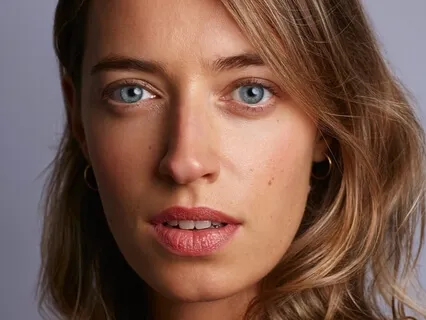
This week's guest is Maite Hauragi.
I've known Maite for quite a number of years already and she's actually been a member of the Temple since its very beginning in 2017,
I think.
So it's been a real honor and pleasure to just know her and to work with her in this way.
Yesterday,
We had a beautiful conversation with myself,
Maite and Rob Hamilton and really got to kind of meet Maite at a deeper level than we have before and really turn the spotlight on her for the podcast.
And through this conversation,
You'll see really receiving her understanding and her capacity through a very profound moment in her life to share and express love through her creativity.
So Maite does a number of different things to do this.
She writes,
She does theatre,
She's an actress and she recently created or wrote and produced a short film called La Masa which has actually now won a few awards and which will be showing on Sunday at the Temple Sunday service at 10 a.
M.
UK time.
So if you want to check out her little film and you want to meet Maite in person,
Then you're very welcome to join us on Sunday at the Sunday service.
You can find all the information on the Temple events page.
But for now,
Just sit back,
Relax and enjoy the podcast.
Okay,
Hello Maite.
Hello.
Hi Ed and Rob,
How are you?
Yeah,
Good.
Good to see you.
Good to see you.
Yeah,
I've been seeing a lot of you in the past few months,
In the past couple of years,
But the past few months specifically.
I was going to say long time no see because I actually didn't go to last Sunday's service and coffee or to last night's,
Last night's?
Was it last night?
Yeah.
Yeah.
I feel like I haven't seen you in a long time because I've just gotten used to seeing you so regularly.
Even though we're thousands of miles apart.
Yeah,
Exactly.
Yeah,
But you know what?
Actually there's something that during the lockdown kept me grounded,
Which was the Temple and it was because there were all these things that I used to do,
Which were suddenly on Zoom.
But with you guys,
It's always been on Zoom.
And so there was something about that that was,
It was just wonderful for me because it wasn't a shift.
It didn't change how I used to do that.
And that was great.
Yeah.
And I think we did see you last week at the movement.
Yes.
Oh yeah,
That's true.
That's true.
Yeah,
Yeah,
Yeah.
It's true,
But we didn't sit down and talk with a big group of people.
It was just a couple of us.
It's true.
So my dear,
First question,
The ritual question of this podcast,
Can you tell us in your own words what it is that you are expressing and sharing and being in the world right now?
Wow.
Well,
I hope I am expressing love.
I think that's.
.
.
I don't know,
It's such a difficult question.
I'm an actress.
I'm an artist.
I write.
I play music.
I paint for myself more than anyone else,
But it's part of what I do.
It's part of how I express myself.
I dance,
I move.
But yeah,
It's a tricky question.
What do I put out in the world?
Yeah,
I hope I put out love.
I've lately also been doing something that I had been wanting to do for a very long time,
Which is collaborate with shelter.
And it has become an important part of me and my life.
It's something that I had always wanted to do.
And actually,
The pandemic has given me the opportunity to do it because I had time.
And it also came to me.
I joined this group of people who were just helping out during the pandemic so that people who couldn't go out to buy because they were vulnerable,
Older people or people who were sick with coronavirus and they couldn't get out of the house.
So they put together this group in Muswell Hill,
Which is where I live in London,
A WhatsApp group,
And they would just put out what was needed.
As a vulnerable person,
You could get in touch with them and ask what you needed,
If it was to go to the post office or to the bank or to do some shopping or whatever.
And then there were a lot of volunteers like me who just volunteered to do that.
And then with that came the opportunity to also help a local shelter.
And now I cook for the shelter.
And it's funny because you asked me that question of what you do in life.
For a lot of people,
I guess,
It's connected to how they make their money.
But maybe because I'm an artist and I've worked so much for free,
The lines are very blurred.
So when anyone asks me that question,
It's like,
Well,
You know,
Like it just came to me to tell you that I cook for a shelter.
It's not my job,
But it's what I do.
And it's part of what I am.
And it's an important part of me right now.
Because this is what this year has been like.
I haven't been able to work much as an actress.
But I've been able to write more because I've had the time.
I've been very lucky because I also have a job as a voiceover artist and that I could do from home.
So that's,
You know,
It's an absolute blessing.
And I'm grateful every day because,
I mean,
You do need the money to pay rent.
But yeah,
There's also those other things that I do,
Which are part of who I am.
I have a vision from when we were just talking.
I think the lonely artist up in the attic,
And I think as you were talking,
And you were saying how you connected with community during the COVID-19 pandemic.
And I always think,
Because Ed and I both used to live in London when we first met.
And I think of London as a very lonely place in the sense that,
Yes,
There is community and I guess where you are in London more so.
But for a lot of people in London,
They don't know their neighbours in the same way that you might live outside.
And so I'm curious,
Because I saw that as a correlation with the lonely artist.
But you seem to be very much connected with the community.
And there's been a big shift in people realising they're part of something.
I wondered how that shows up in your work,
Working with other people.
Yeah,
I mean,
It's everything.
Like there is a part of what I do,
And I guess that what we all do as artists,
Which is very,
Very intimate.
And I'm not sure I would call it lonely,
Because I don't think I feel lonely.
But it is very intimate and you are alone for a big part of the work that you do.
And it doesn't matter what it is that you do,
Even if you're an actor,
And you usually work with other people,
There's part of the work that you have to do on your own.
And that's just how it is.
But then you need the people,
You need the community.
It's everything.
It's just everything,
Because it's not just the people that you work with when you go to rehearse.
It's also,
In my case,
Or,
You know,
Musician,
Dancer,
Whatever.
But it's also the people that you're feeding off from and the people that you're learning from.
For example,
I've just been doing this writer's course,
Like theatre writing online in Zoom these past three weeks,
Which has been amazing.
And it's a teacher,
He's an Argentinian teacher who lives in Madrid.
And if it wasn't for the pandemic,
I wouldn't have been able to do this incredible course.
Again,
One of these silver linings of the pandemic.
And it was great because I felt like I was in Spain,
Because everybody else,
You know,
That's where I grew up is in Madrid.
And that's where this teacher lives.
And that's where most of the students were.
They were all Spanish.
And that,
For me,
Was very special,
Because there's a different flavour to it.
And it,
You know,
There's just different things that those people bring,
Not just the teacher,
Also the students who are there with me.
And you just learn so much from other human beings.
Yeah,
Doesn't even have to be artists,
Actually,
The people that you learn from.
In fact,
I've heard,
You know,
Actors who have been working nonstop,
Just nonstop,
Like,
Probably in film and TV,
You know,
Very successful actors that I know who,
They,
Because they're on set all the time,
They sometimes miss just like living life,
You know.
I guess it becomes a bit surreal when you're just surrounded by cameras all the time.
And you're just shooting these characters,
These other beings that are not,
You know,
Yourself in a way.
And you need to,
As an artist,
Have experiences and life experiences.
So you,
Yeah,
Community is everything.
I mean,
You know,
Socialising and having experiences with other people is absolutely essential to any artist,
I think.
And I love what you said about,
You know,
I'm here to express love,
I'm sharing love.
And there's something really powerful about art for that,
Isn't there?
Something about,
I mean,
In all these forms,
Painting,
Moving,
Film,
All these different modalities that we have to express our love beyond the everyday,
I mean,
Beyond the everyday in a way that people can maybe receive it and be slightly more open to it.
And I'm just noticing,
You know,
How much in our culture and our society we devalue the art.
You know,
It's not not everyone,
But,
You know,
It's kind of parked to the side as,
Oh,
It's nice,
You know,
But we need to focus on the real money making things.
Yeah.
And I just it's very interesting that dynamic of it,
Again,
The focus is perhaps on the more,
You know,
External,
I don't know,
Tangible kind of business side,
When art can be a beautiful way of expressing all of these nuances of the human experience,
Including love.
And I'm just really hearing from you that that potential that art has to do with that.
So I'm curious,
How has that been for you as a journey?
Is that always something that you've felt consciously?
Or has it been a recent kind of shift?
Maybe just a perspective,
How has that been for you?
So I've been doing this my whole life.
Since I was a child,
I was always performing in front of anybody who would watch me.
Whether they liked it or not.
Whether they liked it or not.
And they would sit down and they would watch me.
Yes.
Yeah,
Exactly.
Now you're gonna watch me.
So,
So it's,
I mean,
I come from a family of writers,
Storytellers,
Musicians,
And lovers of culture and art in general,
And that was my education.
And we,
We were all always performing at home.
It wasn't just me,
Although,
You know,
Some of my siblings were more shy,
And my dad specially would still,
Because he was so proud of us,
He would still,
You know,
We would always have people in the house,
Always.
My dad had so,
Well,
My parents had so many friends,
And so many interesting friends,
And of all kinds of backgrounds and worlds.
And so they would come over for dinner for lunch.
And then,
Like,
During the dessert or after desserts,
It would be performing time.
And some of my siblings didn't enjoy that as much,
Which is something that I've actually learned quite recently.
That for them,
It was a bit of a,
I'm the youngest of five.
So probably that's why I wasn't even aware that they didn't even want to do that.
But yeah,
My,
But they would.
And I was one of the ones who always really wanted to perform.
And my sister says,
Like,
You know,
You wouldn't have even,
Because I played violin,
She would be like,
You wouldn't have even like,
Studied the piece or whatever.
But you would just go out there and play,
You know,
Like,
You would just be so excited to play in front of people.
And I do remember that feeling,
And I still carry that feeling.
So yeah,
I've been doing this since I can remember,
Even though,
You know,
The people you have in front of you and the project that you're doing obviously vary and change from when you're a child just performing in your living room to working professionally.
But it's a similar feeling,
I would say.
I do work very hard now,
Though,
I wouldn't perform in front of an audience that hadn't worked very hard.
I haven't learned that.
What has shifted is,
So I went through a phase where I was very confused about what I was doing and whether what I was doing was actually necessary,
Even valuable,
You know,
I doubted that for a while.
It's happened a couple of times in my life that I've had sort of like breakdowns and I was like,
What am I doing?
Like I should be doing something more useful for society.
And,
You know,
My job is just so vain.
And there is a vain side and there is a,
You know,
A part of our job that can be very superficial,
If that's how you want to see it or if that's how you go on about with your work.
And I was also going through like a bit of a depression and I was having anxiety.
And one day I was just meditating.
I remember I was feeling quite unwell.
And I was just meditating.
And then it just came to me.
It just,
I don't know where from,
But it just came to me that what I was here to,
I was actually speaking.
I remember.
So I finished the meditation and then I was just like talking,
I don't know who I was talking to,
But I was just like,
I just need to understand like,
What am I here to do?
I just want to understand like,
Why am I here?
What am I here to do?
I get emotional thinking about that and it just came to me like,
You're here to express love.
You're here to give love.
And that was the answer.
And then from then onwards,
That's just how I live my life.
And that's just how I think about it,
My work and anything that I do.
So that has shifted.
Yeah.
And how did that change like the projects you were doing?
How did that shift?
And like practically the outcome of what you were putting out?
Well,
I think you start connecting or I started connecting more intuitively and understanding,
You know,
There's certain things and there's certain people that's also very important going back to the community that you don't want to work with because it just doesn't connect with you.
And I don't want to be doing something that I don't want to do,
That I don't feel in my gut that is right.
And of course,
It'll still happen from time to time that I will work with someone that I don't want to be working with.
But I'm conscious of it so I can do something about it.
And yeah,
I guess that's the biggest shift is consciousness really.
Or I was just doing,
You know,
And I was just accepting anything that came my way and now I'm,
It really needs to connect with me in a deeper way for me to want to do it.
And I think that something that also shifted my way of working was actually that I started creating my own work.
It was through this.
I started creating my own work and as an actor,
You're always,
Well,
In theory,
You're always depending on what other people want to,
You know,
What other people,
What other work people want to give you.
And you're just like,
Sitting down waiting for the phone to call,
And your agent to tell you have an audition and so on.
And I was really struggling with that.
And London is also as,
As we were saying,
It can be a very tough and lonely city and it's very expensive to live here.
So you need to work.
And what happened is,
I just,
I don't know if somebody told me I just,
I just remember,
You know,
Thinking I just need to create my own work.
And well,
What happened is I was actually very inspired by my husband,
Who was my boyfriend.
And he's a musician.
And he would just get up every morning and go to the piano and play.
And as an actor,
You need other people to do that.
So I would just,
I would just,
You know,
Watch him and see him growing exponentially all the time,
Just because he was there just practic,
Practicing all the time.
He was so happy.
He was earning,
You know,
Not a lot of money,
But he was just constantly happy and creating his music and writing these albums and putting them out there.
And I was like,
I want to do that,
You know,
I don't want to be always just waiting for somebody to call me.
So I started having these ideas and these dreams about writing a one woman show.
And then I just,
I met somebody.
So I was actually helping Jorgos,
Jorgos Caramallegos,
Who's a man we all know here,
Wonderful physical theatre mentor and director,
Artist.
And so I was helping him with this project he was doing.
And I was just an assistant there.
And then this man called Paua Rangimeno,
He's a dancer,
Choreographer.
He came for a few days and he was just helping them out to choreograph this part of the piece.
But he was doing more than that.
And the ideas that and the things that he would say,
I was just completely mesmerized by this guy.
So even though I had only met him for like two days,
We had barely spoken to each other.
I just knew it was this thing that,
You know,
Going back to like feeling connected to another artist or to him being.
And I just,
When the day that he was leaving,
It was going back to Germany.
I just went and I said to him,
Look,
I have this,
I mean,
This might be crazy,
You know,
But I have this idea for a one woman show and I would just,
You know,
Maybe love to share it with you and maybe we could collaborate in some way.
And he was like,
Oh,
That actually sounds really interesting.
Let's you know,
Let's keep in touch and let's talk about it.
And that was the beginning of an amazing journey.
So I ended up co-creating a one woman show with Pau,
Which we premiered in Barcelona last year and which,
You know,
We're hoping,
I was just Skyping with him yesterday to do,
You know,
More shows of that soon when the pandemic allows and everything.
But having,
Doing that,
I mean,
That project stretched me as an artist like nothing else ever has,
I think.
And then it also made me feel empowered and non-dependent of other people,
You know.
Yeah.
And then from then onwards,
I just started writing more and more and creating my own little pieces and eventually writing this short film,
Which I wrote this year during lockdown,
La Masa.
Which is,
You know,
A short film that I wrote one afternoon after I went for a walk with a friend.
And she was saying,
Maybe we should write a short film,
We should do something to get together.
And I thought,
Yeah,
That's a good idea.
And I came back home and I was writing about something completely different.
I was writing another story.
And then this dialogue came to me.
This beginning of a dialogue just came to me.
And I just started writing that and I thought,
Well,
I will write this,
I want to write this thing.
I don't want to forget it.
And then the whole thing came beginning to end.
Yeah.
And that was beautiful.
Actually,
That was a great,
Great experience when something like that happens is very,
Very,
It's like,
Yes,
It just feels right.
It just feels like it had to be done,
You know,
And it's done.
It feels like you've stepped into like abundance with this,
Abundance and,
You know,
By that I really am financial,
Of course.
But I mean,
I can just imagine that that kind of,
Like Rob said,
The metaphor,
The image of like a lonely struggling artist,
You know,
Which is kind of what we're sold also as,
You know,
Growing up,
You know,
You're going to end up in an attic struggling or whatever it is,
You know,
With mental health issues,
Which is kind of what we're sold.
And yet what you're saying is like,
You know,
From that moment,
From the meditation,
You kind of start to connect to like,
To what it truly can be as an artist,
You know,
This abundance of potential,
Of inspiration,
Of creativity that is possible.
Yeah.
Yeah.
I think it's,
It's having an intention clear.
It's just that it's just with whatever you do in life is just having a clear intention because we can all be doing the same job,
But it's going to be completely different depending on what intention you come with,
I think.
I guess the word that I have going around in my head is wholeness.
Because when looking at you,
Your energy is so alive,
There's a sense of innocence and listening to you speak,
I can see how love infuses your work.
Because you know,
As you described,
You had such supportive parents who love to see perform.
And so there's an association with love,
You know,
That was there in your home,
Like an acceptance of that as an artist of craft to do that,
Which is very different for some people who like,
No,
Don't be a lawyer,
Don't be a surgeon,
Like,
That's what you need to do.
And then there's the existential crisis that comes with Adopod.
Oh my god,
I'm gonna pay the mortgage,
The rent,
The gas bill,
Electricity bill.
So you go through that stages of life,
Like questioning the value of what's there.
And I get a sense that you've been on that cycle,
Like you've come back to that state of innocence of like,
As that young child of the joy,
The pleasure of that creation.
And then it seems to me that's infused your work and allowed you to move into that space of like wholeness.
Yes,
There's a need to make money from it,
Because there's the need to put food on the table.
But the work,
The creativity,
I guess,
Sense comes from that heart space.
And that's where the abundance comes from.
It's like that,
Living in reality,
But driven by heart.
Yeah,
Yeah.
Thank you for saying that.
That's really nice.
And it's so true.
I was so lucky and so blessed to,
You know,
Be born into a family that supported us and not just supported us.
I mean,
They were the ones who,
I was gonna say they were the ones who created us.
Well,
They are.
Also they gave us that whole artistic,
I guess,
Stimulation and opportunity.
I owe everything to them and the love that they gave us and that they give us.
I know a lot of friends who have struggled so much and who have maybe even done something completely different.
And it was only in their 40s that they accepted,
You know,
This is actually what I always wanted to do and now I'm gonna try and do it.
But it's much harder.
So I feel so lucky to have had that.
Yeah.
And tell us a bit about La Masa.
I've seen it and I don't think we can show the audience right yet,
La Masa,
We can't put a link at the moment,
But in due time we will somehow find a way to put it on the temple.
So yeah,
Tell us a bit more about it.
I mean,
I love the story you just shared of how it just came and was born through you in that kind of afternoon.
Tell us more about the whole process,
About what it is,
About what the message is,
As much as you can.
So yeah,
As I said,
I just wrote it in one go.
Of course then,
You know,
You take a step back and you go back to it and then you edit some bits.
But the main thing,
The main story was just written in one go.
And it's a homage to my grandmothers and to my mother and to my sister and to every woman in my life,
I would say.
As I say,
I didn't know that I was going to be writing this,
But it's funny because I have actually,
I didn't grow up with grandparents.
My granddad,
My maternal granddad died when she was a girl.
So I never met him.
And my maternal grandmother passed away the year before I was born.
And so I briefly met my dad's dad until I was three years old.
And I feel like I have some memories of him,
But I'm not sure if they're real memories or,
You know,
Stories they've told you.
And then my maternal grandmother passed away when I was six years old.
And I did have a very deep connection with her,
Even though she passed away when I was only six.
Because she lived with us for a while.
And I just used to play.
Apparently we used to play and also fight a lot because my mom says that we were,
My grandmother was quite old by then.
And apparently,
You know,
She wanted as much attention as I did.
When we grow old,
We sometimes go back to our childhood in some ways.
So apparently we would fight a lot,
But I just remember playing with her.
She would be sat down on this chair and I had this ball that was this ball of the world and we would just,
You know,
Play throw and catch.
I just remember playing that with her and loving it.
And yeah,
And she passed away.
And for,
You know,
My parents,
First of all,
Didn't want to take me to the hospital when she was very sick because she was full of tubes and stuff.
And so they thought that,
You know,
That I would be shocked by the whole experience and that they didn't want to take me.
But I insisted so much that they took me.
And I remember it so vividly going and my dad holding me and me going to kiss her forehead.
And I can remember her being,
You know,
Tubes coming out of her nose and stuff.
And then she passed away.
And again,
They didn't want to take me to the funeral and,
You know,
The whole shebang because I was very little.
But I insisted.
And not only that,
I insisted that they please put my jewels,
Which were these like plastic pearls,
I don't know,
Necklaces,
Whatever I had inside her box.
And they did.
And I went to the funeral.
And my parents say that I was just like,
You know,
Like stronger than anybody else there.
Or that's how it felt,
You know.
And anyway,
And then I asked,
So I asked my dad's a writer.
So he would write,
And he was a philosopher and social anthropologist.
And he would write in his books and articles a lot about us and the questions that we asked him as children.
So there were lots of questions that I asked when my grandmother passed away.
And luckily,
I can read that now.
And my dad just used to think that children are philosophers,
You know,
With all these questions that they have.
So I think that had a big impact on me.
And then as I grew up,
My dad told me so much about his mom,
Which is the other grandmother.
And sorry,
I'm aware of the time and I talk so much that are we okay?
Yeah,
I go first.
Okay,
Go.
So he told me so much about his mom,
My other grandmother who I never got to meet.
And I was just fascinated by her because she was this,
I mean,
She had a crazy life.
She basically went from being the rich girl from the village to having nothing.
It's a very long story.
So I'm just gonna,
You know,
Tell you the summary of it.
And being very young,
She had to go and I think she was 13.
She was sent to France to work because they didn't have any money.
And she loved it.
And she loved her experiences there.
And France was,
You know,
So much more developed and evolved in so many ways than Spain at the time.
And so then she eventually came back to Spain and she came back wearing trousers and riding a bicycle.
She had a bicycle,
And she smoked and her mother burned all her trousers,
Threw the bicycle to the river.
This is the story that my dad used to tell.
I don't know if she actually threw it to the river.
I hope not.
But she didn't allow her to have a bicycle.
And she didn't allow her to smoke.
So I mean,
She just she hated being in her village.
And she used to say that the smallest village in the world should be Madrid and things like that because she,
You know,
She just couldn't stand the sort of close-mindedness of Spain at the time.
And she used to sneak out into the woods or to the hills and smoke with her brother.
Her brother was allowed to smoke,
Of course,
And ride a bicycle and whatever he wanted to do.
And then she was the only woman who would go to the tavern and play cards with a man.
And she was the only woman in the village who would play the bells,
You know,
The bells and the very heavy church bells.
So it's usually a male kind of thing.
But she used to do that.
And anyway,
She was just this,
You know,
Very cool woman.
And then she very sadly lost these two girl twins.
One of them passed away as she was born and the other one passed away a year later from heart disease.
And that just completely broke her.
And after that,
She had my dad.
And a little while later,
She started getting very sick and she had multiple sclerosis.
So her whole body's body started shutting down.
This took many years.
It was,
You know,
It was it was progressive.
But you know,
Bit by bit,
She couldn't do all these things and imagine for a woman who's always,
You know,
Being very strong and wanted to do everything by herself.
It was it must have been so tough.
So anyway,
My dad used to talk to me a lot about her and I just admired her so much.
And yeah,
I've thought so much about my,
Especially my grandmother's,
My grandparents as well,
My grandfather's as well.
But there's something about my grandmother's that I've thought about so much and,
And I cook their recipes all the time.
And,
And when I do,
I always say,
You know,
When we eat them at the table with with Tom with my husband,
I always say,
Gracias abuelita,
Which is thank you.
Thank you,
Grandma.
Those recipes obviously come to me from my mom.
And I just love that.
And I just like imagining them cooking those dishes without,
You know,
What to call it in English,
A pressure cooker,
You know,
Like with these,
I guess they would take hours to cook like beans and things like that,
That for me just takes,
You know,
Half an hour,
Whatever.
I like thinking about that.
And I like thinking about the fact that what I'm you know,
What I'm,
Then being nourished by them in a way still.
So yeah,
I think I've,
I've always been thinking a lot about them.
And so this story came from that from the love that I that I have for my for my grandmother's and how much how much I value what I what I what I have in me from them.
And yeah,
I don't really know what to say.
I didn't I didn't write it wanting to send any messages.
I don't think I write,
You know,
Consciously wanting to send any messages.
I don't think that's my job.
I just write what what comes through me.
Elizabeth Gilbert,
Who's a writer,
I don't know if you know her.
She wrote this wonderful book called Big Magic.
Yeah.
And in it she talks about this.
Well,
She talks about inspiration being this like entity of itself that just comes knocking at your door in different ways.
Like it comes in dreams,
It comes in just like ideas that come to you.
And you can either open the door and co-create with it and let it in or not.
And if you don't,
Then it'll go to somebody else.
And then that story will be told by somebody else because those stories need to be told.
And whether that's true or not,
I really love that idea.
And I and I think about my work a little bit like that.
I about all the work that I do about everything that I do actually about my life.
I feel like it's a co-creation between me and I don't know what.
I love the idea of that in the sense of for someone to let go of control.
I need to know why I'm doing it or I need to know that I'm doing it the right way.
And just having this energy of co-creation is like,
I feel like I could surrender to that co-creation.
It's like,
I don't know,
But I'm doing it together with whoever.
Someone's going to go with the flow,
But I don't need to know how it's going to happen or what it's going to look like or I'm doing it the right way.
I'm just going to create.
It seems like to me that we have a beautiful process of creativity that could come from that energy.
Yeah.
I mean,
That's the best way of working.
And I think that that's where all of us want to be.
You know,
When we're when we're creating,
It doesn't mean that it always happens,
You know.
There are times where you just don't want to let go for some reason,
As you say,
You don't,
You can't relax,
You can't allow it to come in.
You want to control too much,
Just like in life,
You know.
And actually,
If you let it happen and you just flow with it,
You know,
You don't know what's going to come out of it.
And yeah,
Sometimes you'll like it more than others,
But it'll be honest and truthful and yeah.
And I think that that's important.
What really moved me in your story was what two things come to mind versus like the power of,
In this case,
Art and creativity to really also honor your ancestors,
Your ancestry.
That's really,
Really profound.
And it gives a whole new dimension to the short movie.
Like,
I want to watch it again now through with those eyes,
You know,
With the understanding,
With that love that you shared.
And I,
Yeah,
That's really,
I don't think I've ever made that connection between,
You know,
How,
As a way of honoring our ancestors through our creativity,
Through what we create.
And then now I'm making the connection with what I'm creating and I also feel moved because I can see them on the other side of me,
You know.
There's some beauty there.
I come from a family of them,
One side was explorers,
One side was farmers and this kind of combination feels really beautiful.
But also the idea of like,
You know,
The inspiration coming from somewhere,
There has to be that meeting point,
Right?
Because someone wouldn't have that ancestry or that connection with their grandmothers,
Their volitas,
Would not be able to write that story.
So that,
That the inspiration fairy,
It has to be like,
It really has to be co-creation.
It has to be like you might it with this breadth of history,
With all the ancestors and all their stories meeting or being open to receiving like this,
This wisdom,
This intelligence,
Right?
I couldn't write La Masa,
I didn't have that connection with my grandmothers as an example,
You know.
There's really is that sense of that co-creation really is the dance of the eye of the individual and everything that's created you,
Where you've come from,
Yeah,
You're upbringing,
You know,
This love for performance,
This support.
It's like that's the perfect even maybe space or container to then receive that idea.
Yeah.
And even more so,
I think that you need to be allowing the space physically for that to happen in that you need to sit down every day and write.
And so if I'm looking at,
Oops,
Sorry,
My phone just fell.
If I'm just looking at my phone all day,
I also don't allow the time and space for that to happen.
If I'm feeling up my mind with things,
With whatever it is,
But especially with things that are not inspiring and that are just,
You know,
Which is what has happened with the phone all day is that we're,
Or with internet is that we're just going,
You know,
Flicking through like fast things.
And sometimes you will actually find something that inspires you and,
You know,
Every now and then you will,
It can also be a source of inspiration,
Absolutely.
But you know,
You need to,
You need to,
Like,
If you're a painter,
You need to put yourself in front of a canvas.
And if you're a writer,
You need to put yourself in front of a,
You know,
Computer or notebook or whatever it is.
If you're a musician,
You need to go to your instrument and so on.
Like you also need to be there so that inspiration can come and you can be ready for it.
Yeah.
And that's something that I sometimes,
You know,
I think we,
Most of us do know,
But go through faces and there'll be faces where I'm writing every day.
And probably 99% of what I write,
No one will ever read and that's fine because that 1% of what,
You know,
Like La Masa,
La Masa wouldn't have come had I not been writing every single day for the,
You know,
The previous like three months.
It wouldn't have.
It wouldn't have come if,
You know,
As I say,
I was writing this other thing and then suddenly this inspiration came.
Not that it needs to come while you're writing.
Like inspiration of course comes when you're walking in the woods,
When you're taking a shower,
When you're,
But what I mean,
You know,
Is that you need to make this space.
You need to sometimes be quiet as well.
I think that's important.
That's beautiful.
Great practical also for people that are listening that that is also,
You know,
That's part of the magic,
Isn't it,
That to show up in that way.
And a good reminder,
As I said,
I kind of maybe know it or feel it,
But actually creating that discipline and that structure for playing with it and for seeing what comes is.
Yeah.
And practicing your craft.
Practicing your craft because you don't write the same way if you never write than if you write every day or,
You know,
It's like an athlete or whatever.
Like you need to,
You need to build that muscle as well.
It's important.
You can't just be like,
Oh,
Well,
Inspiration will just come and we'll just have a little dance and it'll be fun.
Well,
You also got to work in sweats.
That's part of it.
And sometimes it's harder and some days you enjoy it more,
But it's gotta be done.
I also see this need for an undercurrent of self-belief.
Like you mentioned,
Like being on your phone and that social media.
And I think of Instagram or YouTube and it's like people trying to fit a model.
Like I'm an Instagram influencer and people like will look at my Instagram and want to be what I am.
And so we try to fit in to something and we try to model our lives and what we do and what we see on Facebook and what we see on Instagram and all the different things.
The Kardashian syndrome and actually the,
Yeah,
You're right.
There is inspiration there to be had and it's like the stories can come from that,
But there has to be that self-belief in what you're creating more than anything for it to come from that heart space and for that creativity that's you to come through rather than it just be a carbon copy of what someone else has done.
Yeah.
Yeah.
And then also on social media,
It's maybe also important to choose the people that you're following so that you get a stream of things that you know could potentially be inspiring or that they're just,
That they just make you feel good.
That they just make you feel good or inspire you in whatever way.
Like a lot of the people that I'm following now,
For example,
Are chefs.
I,
First of all,
I just love seeing,
Seeing food and people cooking,
But also it inspires me to cook stuff.
And then just like you know,
Beautiful things.
I like architecture and I like nature.
So I'll,
You know,
I'll follow pages that show me that.
Yeah.
And you can,
You know,
If you start choosing,
I mean,
I'm so concerned right now because I have a 13 year old niece and a 12 year old niece.
And so I'm so concerned about social media and you know,
How,
How they're growing up in this world.
And yeah,
If,
If,
You know,
Young girl,
I mean young people,
It doesn't matter,
Girls,
Boys,
Whatever.
You know,
Are following people who are super beautiful and perf,
Perfect,
You know,
Who are supposed to have like the perfect life and whatever,
And how that can be so damaging,
You know,
So damaging,
Not just for kids,
For adults.
I mean,
For me as well,
Like you will start comparing yourself to,
You know,
What you see on social media.
And it's,
And it's just,
First of all,
It's not true.
It's,
You're only seeing a very small part of somebody's life.
And yeah,
Yeah.
Anyway,
I don't know why I ended up talking about that.
I think it's a really good point because you can extend that kind of point to creativity as a whole and comparison.
By this idea of comparison versus creativity in your journey,
You've gone,
You know,
From not comparison,
But kind of,
You know,
Maybe as you said,
That can call of casting agents and waiting for the next job and et cetera,
It's actually,
You know,
Kind of putting a bit of a line in the sand and start to create your own work and starting to express your own authentic work.
And that's the difference,
Right?
That's the difference.
It's easy to be creative,
But still be looking outside of ourselves,
Like,
Oh,
What's that?
What's the model?
What do they do?
And then you're trying to kind of reverse engineer to be what other people do,
But then you don't access your genius in that one,
You don't access the inspiration that you're speaking to.
It doesn't come from love ultimately,
In that space,
Like the way that you're speaking of it and that wholeness and from where,
From which I believe,
You know,
We can actually create a deep impact on people through a story,
Through a piece of art,
Through,
And then watching them,
I felt that I really felt the impact that it has.
And you speaking about you and the connection with your grandmother's,
You know,
Looking back at it,
It's completely there.
So obvious in the movie,
You know,
It's very,
You know,
The sisters and your grandmother and that's that connection and the food and it's all there.
I was,
Of course,
Also something I forgot to tell,
Which is so important in the film.
I was feeling in that most,
I had been dreaming with the sea,
Like dreaming awake and dreaming sleeping constantly,
Constantly every single day.
It was,
It was,
I mean,
I would wake up every morning and Tom would be like,
Okay,
Where have you been?
I'd be like,
I was in Ibiza and then I was swimming all the way to Sardinia and yeah,
It was just crazy.
Because,
You know,
We had been in lockdown for like four months and I had barely left my house.
And actually,
Last year I was supposed to be going to turn on not last year,
This year 2020.
I was supposed to be going to LA for various reasons,
But you know,
I was born in LA.
And I,
You know,
I wanted to have the experience of,
I'm obviously an actress,
So as an actor,
You know,
As an actor,
I wanted to have the experience of living in LA.
And but also I had this very deep,
I have this very deep connection to the city because it's the place where I was born,
Where I grew up the first years of my life.
And I just wanted to go back there and be there for a while.
And so I was,
You know,
I was already imagining that I was going to be living in a city that has these wonderful beaches and I was going to be going to the sea and then that got cut off and I couldn't go.
So maybe that's the reason why I was dreaming so much of it.
I don't know.
But yeah,
I was feeling quite.
What's the word?
Like I was going to say,
Like I was drowning,
Funnily enough,
In the city,
You know,
And so that's so the story also comes,
You know,
There's part of the story that also comes from from that,
Obviously.
And what did I want to say?
Yeah,
That that stories are in storytelling is important in whichever shape it takes.
Because,
Yeah,
Other people will will connect with those stories and hopefully not always on just a conscious level,
But it will go to their subconscious and it will go to their nervous system and it will.
It does.
It shifts things.
It changes things in other in other humans.
And that's why,
You know,
Now I'm happy with what I do,
Because I do think that it is important.
I do.
It happens to me all the time.
I'm so,
You know,
So moved and and and so many things change in me,
Depending on what I'm watching.
So I actually try to be careful with with what I watch,
Just as I'm careful with what I eat,
Because I know how deeply it can affect me.
So I just I try to choose.
Well,
But yeah,
I mean,
I've had experiences after going to the theatre that have been,
You know,
Life changing.
Yeah,
Yeah.
And what's next for you?
What do you do something that you're working on right now?
So I'm generally writing a lot more.
So I have several things that I'm working on and we'll see where that takes me.
And as I say,
I had this chat with Pau yesterday about my one woman show.
So I'm actually very excited to be doing that again.
I still don't know,
You know,
Any details of anything,
But the intention to do it is there.
And that is what counts for me because I know that it will happen.
The dorms he loves at the end of the podcast.
They know.
It's the time now.
You had enough,
Come play with me now.
Yeah,
I mean,
Right now I'm sort of very much flowing with life and accepting,
You know,
What there is because it's a very tricky year.
And I mean,
2021 is still going to be,
You know,
Different.
So I'm not really making any plans,
You know,
I'm not making any plans because I just I don't know.
I mean,
I have a short film which I wrote before La Masa that I'm hopefully shooting in the spring in Madrid.
We should have shot this earlier in October,
But we had to cancel it because of the pandemic as the cases in Madrid suddenly got much worse.
So we postponed.
But I'm very excited about doing that film.
And yeah,
And yeah,
I'm just not making plans.
So we'll see.
I'm asking a moment if there's anything else to add,
But I feel like I want to also like kind of contain a bit of what we said so far.
One thing I'm getting from this conversation really receiving is that the flowing with life,
You know,
The flowing with the inspiration,
Flowing with the creativity and how that in that flow and that surrender,
There's equally a,
Like Rob mentioned,
Like self-belief or kind of groundedness in who you are and your ancestry and everything in your whole experience,
As well as like a kind of openness to like what life brings.
And there's,
I'm reading a couple of weeks back that like,
You know,
It's like a river and like a river,
The river needs its banks and the banks like the structure that we give to it,
Like the practice that you mentioned,
But also,
You know,
I want to say our whole identity of that sense of being and upbringing and our connection with parents and grandparents and that kind of gives this beautiful bank for them,
This river to flow through.
And I feel like from this conversation as well,
Really getting a sense of,
From your experience with that,
Something that you have been kind of working with and creating and dancing with.
Yeah,
I like that.
I like the river.
I was really touched by what you said about even if just one person or 1% of the people who see a film or read a book or something that I've written are impacted by it,
Then it's done its job.
And it's like,
For me,
That's like an invitation to anybody who's in that creative process and questioning the value is that you can have such a profound impact on someone's life,
Like just reading a book or seeing a film,
It could change somebody's life completely.
And to have that as a gift to the world,
Even if you're never meeting this person,
You'll never know,
But just to know that that might happen from what you're creating is a real gift to someone to go,
Well,
Just do it,
Just go,
Just create and just allow that to ripple out into the world.
Because there's big magic in that process.
Big magic.
Yeah.
It's a lovely way to connect to that value.
Yeah.
And we can all do it.
And you don't have to be an artist or,
You know,
That be your work.
You can,
I mean,
Yeah,
You can do it.
It's just a way of living,
I guess.
So my turn,
Is there anything else that you would like to add to conclude the conversation?
I just want to thank you for giving me this opportunity to talk here and for everything that you guys bring with the temple,
Which I think is so wonderful.
And you touch a lot of people's hearts.
And I mean,
You've changed a lot of things in me as well throughout the years because I've been connected to you for a very long time.
And those connections have done me very good.
So I'm very grateful to you guys.
And yeah,
To anyone who's listening and yeah.
Thank you.
Which is really one last question actually,
Which is all of this and these banks of the rivers,
I'm curious,
Really curious,
How has that,
How has the temple and our connections and our campfires and everything we've done over the past three years now.
How has that influenced it?
The work or my life,
Just everything.
Maybe more specifically to what we spoke about,
Like the creativity,
The work,
Yeah,
The inspiration.
So I think that,
I mean,
For me having a space where I can go to regularly is very helpful for my sanity and for my,
Yeah.
And just knowing that you're there is very helpful to me.
I was actually talking with my brother about this the other day,
Talking about the temple and telling him he's a mindfulness teacher amongst a million things.
He's a writer.
He's been a yoga teacher.
He's everything.
He's wonderful.
And his name is Ed.
And I was telling him about specifically about the Sunday service.
And I was saying,
You know,
We grew up Catholic in my family,
Like most Spaniards.
And there was that thing of going to mass every Sunday.
And even though eventually we all,
You know,
Fell out of religion and none of us go to church anymore,
Except maybe to accompany my mom on Christmas Day or something like that.
But there's something about going to a temple,
To a place of prayer,
Of,
You know,
Listening to these stories,
Because there's also storytelling in that.
Having a moment of silence that is important or has been important in my life.
And I hadn't realized this until recently.
And actually having so having this space to go to is just so great.
I mean,
In a way,
I guess,
Because it's regular,
It creates a structure.
And as I say,
The knowing that you're there just keeps me,
I don't know,
Feeling calm and safe.
You know,
I feel safe.
And that for sure,
You know,
It nurtures me and it nurtures my work.
Because it comes hand in hand.
What I am is what I put in it.
Yeah,
That's beautiful.
I get the sense that the temple is also part of the backs of the river.
Yeah,
All those spaces that we have,
Including for example,
The temple,
But not many others that we all have.
Those are the banks that we can then let that flow through with.
Yeah,
Because it's also a space for expression.
You know,
You also allow each of us to say how we're feeling and what we're going through.
And that sharing is also so important because when somebody asks you,
So how are you doing?
When someone really asks you,
How are you?
You know,
As you do,
You don't know what you're going to say.
And what comes out is a little bit like when you're writing.
You say it and then you're like,
Ah,
This is what's happening.
I didn't even know because I haven't stopped.
You know,
I've been busy all week or whatever.
I haven't even stopped to think about how am I feeling?
So that's the sharing part is also a very important part for me.
Yeah,
I feel like we've come full circle.
Yeah.
You say that sharing the stories in the temple and how that inspires other people to really connect with their truth in that space as well.
I connect with something.
I didn't realize I was feeling that until you spoke and said that.
And it brings back to where we started about community and how living in a big city,
You can,
The difference between loneliness and alone.
And you can be connected through the temple on Zoom calls and have this online community of people that are part of something that supports you and you support,
You know,
It's that space of co-collaboration.
And if you're in different countries,
Thousands of miles apart.
Yeah.
And have completely different lives.
But it's absolutely a community.
Yeah.
Longing for language to share at the beginning.
Express and share that as part of ourselves.
So beautiful.
I was going to say thank you for being part of the community.
Thank you.
And so how do people connect with you apart from you now having a profile on the temple as a co-creator?
How do people connect with you and your work?
What's the best way?
So through social media,
I guess is the easiest way.
I have Facebook and Instagram so they can just follow me if they want to.
Because that's where I usually post.
That's,
You know,
Where I post what whatever is coming out,
Whatever I can share,
I will share there.
Most of the times I do have periods where I'm just like,
I'm going to go off social media for three months and then I'm not sharing anything that's happened before.
But most stuff is shared there.
And then my website,
I try to update it as much as I can and put on the latest works that I'm doing and they can see everything that I've done up till now more or less that can be shared.
I mean,
Yeah,
They can see my CV,
They can't actually see the plays that I've done.
They can see it.
That's the beauty of theatre that it can only be lived in that moment.
But yeah,
My website and my social media.
So I guess it'll appear in the show notes.
Exactly,
Yeah.
In the show notes,
We'll make sure it's there.
Okay.
Great.
Thank you,
Maite.
That was beautiful.
Thank you.
Thank you so much.
It was such a pleasure.
See,
I didn't know what I was going to say.
And as I was talking,
I was like,
Oh,
I like that.
That's nice.
I learned about myself.
I know,
Us too.