Hello,
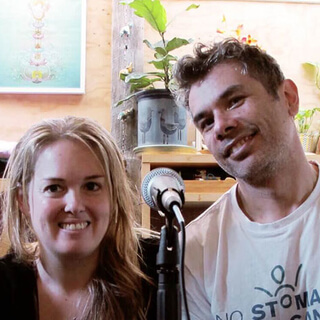
Welcome to another episode of the Flow Artist Podcast.
In this episode,
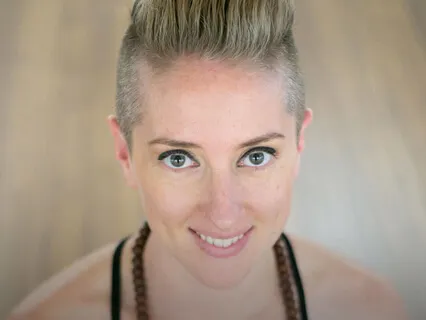
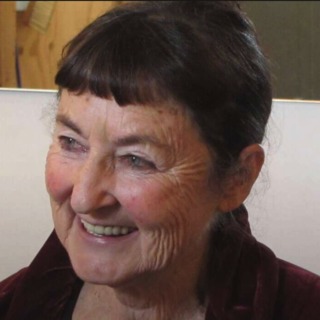
We have a conversation with Corinna Smith.
Corinna teaches yoga here in Melbourne and is an amazing facilitator of yin and meditation.
This lady is the essence of calm.
She also happens to be one of the teachers of my own yoga teaching certification at Australian Yoga Academy and I've personally learnt very much from her.
In this conversation,
We discuss her path to yoga,
How her background in dance informs her teaching,
How to maintain life balance with a busy work schedule and how her understanding of anatomy has changed over time,
Especially after her recent studies with yin legend Bernie Clarke.
There are some real gems in there,
Including some advice for new teachers,
Picking appropriate music for classes and the possibly esoteric signposts that led to her studying Chinese medicine.
Also,
Stick around for our picks of the week.
Enjoy!
Would you like to just begin by telling us a little bit about your background and perhaps where you grew up?
Yeah,
Sure.
My background,
Like my cultural background or do you just mean like my history?
Yeah,
Yeah,
Yeah,
Well either.
Whatever you're comfortable sharing.
I grew up in Gippsland,
So I grew up in Morrigal,
It's like an hour and 15 minutes out of the city.
My background is very Irish English like many of us Aussies.
Yeah,
And I moved to the city when I was about 18,
So one of those country kids that pretty keen to move somewhere else.
Yeah,
Yeah.
That was my story.
Yeah,
And then I have been living in Melbourne ever since and doing lots of different things.
Yeah,
So I came to the city to do my dance degree,
Which I did at Deakin and then kind of dabbled in the performing arts for a while and that got a little tiresome and you know,
Burnt me out a bit and then that's sort of when I really came to yoga.
More as a place of finding a sense of respite in myself and then like most of us just falling in love with it and then deciding that I wanted to teach it.
So that's kind of that segue from,
Yeah,
To yoga.
And so have you always been drawn to movement like from childhood or when did that kind of spark up in you?
I guess so.
I mean I started doing ballet when I was five,
So I don't know if I was drawn to it or taken to it.
Yeah,
Like just a real wriggler as a kid,
I don't know.
Yeah,
Yeah.
It's always been a part of my life moving and yeah,
I think about it all the time.
I draw from it all the time,
So I'll say yes.
Yeah,
And so how do you think that your,
Or does your dance background still inform your practice today at all?
Yeah,
Absolutely.
I think just even thinking choreographically or you know,
Even in teaching Yin,
I think a lot about sequences that make sense in the body.
So traveling from one area of the body to maybe like the neighboring area and then,
You know,
Traveling around the body rather than thinking about the postures themselves.
I kind of like to think of the journey of the movement,
Which then informs what I might do next.
Yeah,
You do that really beautifully.
It's just like this evolution around the body,
Right side,
Left side,
Drag them on side,
Drag them the other side.
Yeah,
Thank you.
I try and yeah,
That definitely,
That's where that definitely comes in.
Just thinking about sequencing.
And so are there any kind of key early teachers when you first kind of started getting into yoga?
Well,
Dominique Salerno for many people who is the,
One of the principal teachers and founder of the Australian Yoga Academy and also Robert Byrne.
I practiced with Robert Byrne at his studio,
Yoga Real in Albert Park for quite a while.
And yeah,
That space and his teaching was quite influential.
So I think they were my first two real key,
Yeah,
Motivating teachers.
And he's kind of an Ashtanga based teacher,
Right?
Yeah,
He is,
But he's also very creative.
So we would learn the primary sequence,
But we would use like a stack of different props just to help support that because really not everybody suits the sequence in Ashtanga.
Even if you've got slightly short arms or you know,
Whatever it is,
Like he makes it quite accessible and he has a very deep connection to his spiritual practice.
And I think now I think that's what was really drawing me to that space,
But it kind of makes sense in retrospect.
So yeah,
Those two were pretty important teachers for me.
Do you think that your practice has evolved or changed much from the early years to today?
Yeah,
Absolutely.
The first yoga classes that I did would become yoga classes.
Oh wow,
Yeah,
Really different.
Really different.
And I had that approach of just wanting to really push myself.
And I think going and learning Ashtanga as well was about really pushing myself and trying to cultivate that discipline.
And now I have a really,
Really gentle,
Mindful approach to my own body and my own practice,
But it's,
Yeah,
It has done that real 180.
And I guess coming to yoga as a strong,
Flexible,
Disciplined dancer,
Like that would be your movement mindset,
I'd imagine.
And so it's kind of been evolving to feeling your body in a different way perhaps.
Yeah.
And also,
You know,
How you feel about yourself.
Like when you're really pushing yourself hard,
It says a lot about how much you consider your own self or how kind you are to yourself.
Definitely,
It's like,
Oh,
I've achieved something today,
I'm sore.
Like,
Yeah,
I've gone a little bit further.
Just that real whip cracking approach to achieving and getting somewhere and accomplishing something,
I think has changed a lot for me.
Yeah,
Interesting.
Because I find it interesting that you came from that dance background,
Which is very,
Very driven,
I think straight into Ashtanga practice.
Yet,
In a way that was sort of a bit of a move in the calming direction.
Yeah.
Yeah,
That's quite interesting.
I guess though,
Sometimes like,
If you are a very like,
Strong physical person,
Like that's what you're comfortable in.
So that's an easier evolution towards meditation than just like lie down and be still.
Yeah.
Like sometimes that's just,
You know.
Yeah.
And for me,
I didn't know that anything else existed.
And I think that happens for a lot of people too.
Like now that Yin is so popular in Melbourne,
When people discover it,
I find that they're just like,
Wow,
I didn't know that this existed.
And this is so great for me,
But I've always thought that yoga was something more dynamic or more physical,
Because that's just what I've known in the popular mindset of what yoga is.
And so I think I just didn't know anything else yet.
And how old were you at the time?
When I started doing Vikram?
Yeah.
In the early 20s?
Yeah,
I used to go to the Richmond studio and sometimes South Melbourne.
Yep.
Yeah.
Interesting.
You've kind of touched on this before,
But you really take people on a journey in your class.
And there seems to be like a great balance between you holding space and giving people the space to explore their own experiences,
Which I guess is two sides of the same coin.
Is this something that you've worked on?
Or is this something that just kind of comes to you quite naturally?
I think it just comes through.
Yeah.
Honestly,
I think for myself,
I really like attending a class or having that lovely balance between knowing that someone's got me in the room,
But also giving me heaps of time and space to find my own stuff.
Yeah.
And so I guess I really value that for myself and not wanting to overcrowd me.
But I do,
Yeah,
Thanks for noticing that.
I do like to emphasize that for people because I also think,
Especially in the slower,
More mindful opportunities that you get in yoga,
That that can be the only time that you really get to listen in to something that's coming through for you.
And if someone's just talking the whole time or telling you what the experience is going to feel like and prescribing it for you,
There's no room for you to find your own stuff.
And so I think it's really important for people because most of the time we're just squeezed in every way mentally and visually and our time is so compressed that that might be the only space you get to go,
Oh wow,
This thing came up for me.
That's so important.
And I'm grateful that I had that space for it to come up,
That kind of thing.
Especially in Yin,
Because there is time and space and I have been in Yin classes where the teacher has spoken like the entire five minutes you've been in the pose.
And I think my tendency as a teacher is to talk a lot.
So it actually made me aware of that in myself just to be like,
Oh,
The space and the silence is so powerful.
And as a student,
I don't get bored in that time.
And yet it's almost like I had this idea in my head that people would get bored or would drift off and like needed to be guided every step of the way.
But sometimes the most powerful thing you can do is just give them some space.
Yeah.
And I think for someone who has taught movement in a yoga class and then teaches Yin,
Sometimes when we're first getting started,
You can think to yourself,
Oh,
Well I'm not doing too much moving as a teacher right now.
So maybe I have to fill in all the gaps with my words.
But in actual fact,
Giving an idea or even a score of ideas in a Yin class,
There needs to be,
I think it needs to be just that extra bit of time for them to land so that people can,
You know,
Get their own impression of what that was or how that felt for them.
It's like such a deep unfolding layered practice that it's like to get to those deeper layers.
You kind of need that time.
Absolutely.
I guess also as someone beginning to teach,
It actually also gives you that extra moment to think about what you want to say next.
Yeah.
So much better to like consider your words than just to like autopilot out your spiel.
Yeah.
Yeah.
And I think we undervalue just how impactful the less is more approach can be.
Even in a vinyasa class,
Just a few really key simple instructions can be so much more impactful than,
You know,
Just constant stream of ideas.
Cause we just want to give so much as well.
And sometimes it's like,
Whoa,
Whoa,
Whoa,
Lady,
Give me a minute.
Let me,
Let me digest that first and then,
And then I'll be good to go get,
But it's also really hard teaching Yin because you don't get any feedback from the students.
You're only really guessing how people are taking it on board.
And at the end,
Everyone might stream out and be like,
Oh,
That was so great.
But you don't really get,
You don't really get detailed feedback.
So it's a bit hard to know everyone's in their quiet Yin Zen zone afterwards as well.
And they might be lying there really irritated by your saying too much or whatever it is that's going on internally for them.
And they just got their eyes closing like,
Yeah,
Everyone's relaxed.
They're having a great time,
But you just,
You don't know.
And the flip side of that as well is like,
Especially when I first started teaching,
Like some people's concentration face kind of looks like they hate you.
And like,
Oh my gosh,
That poor person,
Like it looks like they just had such a terrible experience and then at the end they'd be like,
Oh,
That was really great.
And you'll see them every week.
And it's just like,
Oh yep,
That's just the face some people make when they're like getting deep into something or even just learning something new.
Well,
And I think that relates really well to the idea of giving people that time and space to unpack their own stuff or let their stuff actually rise up and be acknowledged because we,
You know,
We really can't take anyone's stuff on board as teachers.
We just turn up,
Offer enough of a scope for them to feel like they're being supported and then whatever comes up for them is theirs.
Yeah,
Totally.
That could be their like download,
Unload time.
Yeah.
And sometimes we like to put a story on that and go,
Oh,
This person's hating it.
Yes.
But we really don't know.
And you know,
It's good to be able to step away from that and just go,
You know what,
Whatever comes up,
Comes up.
Excellent.
Um,
Just to step back a minute though,
Do you think,
Um,
There was a particular moment in time or a particular event that led you to want to teach yoga or is it just something that sort of grew naturally as you progressed?
I don't think there was a defining moment.
I think I just really loved practicing and I guess I just thought coming from a dance background,
Yoga was a really nice segue.
And at the time I was just working in hospitality,
So I think it was,
You know,
I'd rather do that.
Yeah,
Totally.
Working nights in hospo anymore,
Even though it took,
It was only last year that I stopped working in hospitality completely and now I only,
Only do yoga stuff for my job.
Excellent.
Well,
I guess that actually leads us into the next question because you do have a really busy schedule of study and teaching and being part of a yoga teacher training program and finding your time for your own practice.
So have you got any tips on how to manage your time or things that you've found that worked well for you?
Uh,
I think it's important to make your life work for you and where you are working and trying to condense that as much as possible.
So I know many yoga teachers teach in lots of different studios,
So the travel time can really,
You know,
Just deplete your time.
And I think good time management for me and most of us do this anyway,
You know,
Teaching doubles rather than a single and thinking about where you're going to be at what time and so that you can maximize your home time.
For me,
It's really important that I get long stretches of time at home that are uninterrupted because I just get too drained if I'm scattered all over town all day.
And I don't know,
I live alone.
So like when you're at home,
It really is your time.
Yeah.
And I'm grateful in that sense.
I don't have to compromise with anyone else in my living space so I can work really hard at home and be writing content for a lecture or planning a workshop or doing my studies.
I'm studying Chinese medicine as well.
And yeah,
I'm pretty organized.
You seem pretty organized.
Yeah.
Yeah.
Yeah.
I don't know.
But having mindful practices really help.
So I meditate every day,
Generally.
And yeah,
Just try and stay really calm and chill and not get too overwhelmed with how much I take on board.
And so is your home meditation practice just your own?
What works for you like guided or setting a timer or just giving yourself open time and space?
I've kind of got into rhythm now where my body clock will just tell me where I'm up to.
So if I can indulge in a longer practice,
I can sort of sit comfortably for 40 minutes to an hour.
But generally speaking,
It's just 20 minutes.
And I do a mantra meditation.
And I've been doing that for quite some time.
And yeah,
That's it.
Sometimes I bring in a couple other things.
But generally,
Yeah,
You found what works for you.
Yeah.
Yeah.
And so what is your like,
I'll send out a practice look like?
Like,
Do you mainly do that yourself at home?
Or do you go to a lot of classes?
My alternate practice honestly is pretty minimal.
Because I've come from a dance background,
My body is so flexible and open that I actually need more conditioning.
Yeah.
So I actually go to the gym.
Yeah,
Right.
More than I do asana.
Yeah,
Yeah.
And but my meditation practice does get a bit more priority than my asana practice.
Because for me,
I really feel like the asana practice,
The purpose of the asana practice is to make you comfortable enough to be able to sit for long periods of time.
So when that's happened,
And so long as you don't have a lot of discomfort in the body,
Like if I do,
I'll spend a lot of time like rolling out on my o'fascial balls or doing some yin openings or whatever it is that I need on that day.
But I feel like that progression to be able to be comfortable in meditation is where that's guiding you.
So if that's happening,
Then I feel like my meditation practice sort of supersedes my asana practice a little bit.
So that's just my take.
Yeah,
Definitely.
That's what you need more.
Yeah.
Yeah.
Yeah.
Whereas some people really need the physical practice.
And that's great,
Too.
And I guess that leads me to,
So me and a lot of other yoga teachers would probably find inspiration for their teaching from going to other classes or just playing around at home.
So what do you draw from for your teaching inspiration?
Honestly,
I usually start with an up just an idea.
Yeah,
Yeah,
Like a concept.
It might be something from Chinese medicine,
Like quite a lot of the time I'm drawing from that in terms of seasons or ideas about the seasons or emotions in the seasons is a little snippet and then I might subvert that and find a different way to express it.
And then from there,
Quite often,
And I'm pretty lucky,
But quite often I can just teach and it just comes.
Yeah,
Yeah.
Just flows.
Just flows.
Yeah.
So I do have a flow for each class and I do make a note for each class,
But generally I'll do that just before the class.
I don't have to spend a lot of time working on it at home.
And I think because I've got that dance background,
It'll just like,
I can just evolve it sort of on the spot.
Yeah.
So yeah.
I reckon it's a lot because you've had that space in your day of spending that meditation time.
Like you can kind of arrive with a more kind of clear present frame of mind that stuff does flow from.
Like it's not like you've got to change gears from like a hectic office day and you know.
Yeah.
Yeah.
And I'm pretty lucky in the sense that I don't have a different job.
Like most yoga teachers would,
That would be their second job and they're still trying to find that balance between how they financially support themselves and how they do what they really love.
And that's a huge thing to figure out for most of us.
And I'm really,
Really lucky that I just do yoga.
Although I just do yoga as well and I feel like I'm still finding that balance of like,
How do I teach enough to support myself?
Where to best put my energy so that,
You know,
It does all kind of harmonize.
Yeah.
Yeah.
Well,
I think I've been pretty lucky with my role at the Australian Yoga Academy as part of their education team.
That's been a huge boost to help me financially just coming on board as one of the lecturers has been how I've managed to give up hospitality.
So I'm very grateful for that.
I guess as well.
The great thing about that is you just teach.
There's not the backend of like social media,
Emails,
Mailing lists,
All of that promo stuff that would go into it if it was a workshop or something like that.
Yep.
So,
And it's got that huge component as well.
Like marketing yourself from promoting yourself and trying to build a profile is part of being a yoga teacher in Melbourne.
Yeah.
You've started teaching Chinese medicine.
What sort of drew you to that type of practice?
Studying Chinese medicine?
Yeah,
Studying it,
I guess.
Yeah.
Well,
I honestly think,
And this sounds a bit esoteric,
But I honestly think there were heaps of signposts for me as a kid and in my younger teens and twenties of Chinese medicine trying to like make itself known to me.
And I obviously wasn't paying attention until recently.
So before I was studying Chinese medicine,
I finished my training with AYA.
I went to India,
Like so many of us did another teacher training,
Did a swag of other things,
Ayurvedic studies,
Trainings,
Workshops,
Et cetera.
And then I came back to Melbourne and I wanted to go back to uni and study more.
And I wanted originally to do physio thinking,
You know,
The anatomy yoga,
That makes sense.
Physio is really hard to get into.
Yeah.
Really hard.
Is it like an easy medicine?
Yeah.
I feel like it's like a fallback for people in medicine too,
Because it's got that reputation that.
.
.
Of scientific gush.
Yeah.
Yeah.
And so I went to the people that I was asking questions about at La Trobe.
That's where I studied to how I could do that.
They were like,
Oh,
You know,
It's pretty hard,
But just start health sciences and you can slip in in the second year,
Which they take like two students.
Yeah.
That doesn't happen.
And there was a moment where,
And so I slipped into podiatry because I thought,
Ah,
I don't really know about it,
But maybe I'll learn enough anatomy that will help give me what I feel like I'm lacking,
Which it did absolutely.
But there was one moment where a couple of girls that were doing that course with me were talking about doing a weekend course in learning how to do dry needling as part of their skill set.
It seems like something that we'd need more than a weekends training.
It definitely does.
And I had this,
I had such a strong reaction to hearing them say that,
Like I almost wanted to cry because I knew that I wanted to know so much more about that than just a snippet.
And that's when I knew that I really wanted to be an acubuncturist.
And not long after that I deferred,
Dropped out,
Slipped over into Chinese medicine and everything just made sense from that point.
So yeah,
That was a long winded answer,
Wasn't it?
That was a great answer.
But yeah,
I had quite an emotional reaction to thinking,
I want to know all of it.
I don't want to just have some little.
.
.
Like the minimum amount of training to be able to do it.
Yeah,
And try needling just this ancillary extra.
I want to go all the way.
And you sort of mentioned that there were some signposts growing up.
Could you.
.
.
Yeah,
Like I remember going to one of the Chinese grocery stores like 10 years ago and buying one of the Chinese herb cooking pots.
I thought it was a teapot and I was so drawn to it and I purchased it and I never ever used it.
It was like ornamental.
And until I got into second year of Chinese Med and I was watching a video on cooking up Chinese herbs,
I was like,
I have one of those.
I want that.
It's been waiting for a time to shine.
It's been waiting for me.
So that was another one.
Like moving so many houses with you just waiting.
Collecting dust.
Yeah.
Yeah,
Yeah,
Yeah,
I guess meditation also seems to be a big part of your practice.
We talked about that earlier,
But how did that begin?
I guess it may have grown out of your standard yoga practice,
But how did you really drill into that on its own?
I actually think meditation came first.
Right.
Before the Bikram or before anything else.
I don't know.
I was just really,
Really drawn to it.
When I was studying my dance degree,
I was friends with a lot of women that were very alternative and into lots of different things.
I just had this sense that meditation would be really good for me and I used to just find little things to try and sort of dabbled with it a bit there.
But that was my first experience of that.
And that was,
Yeah,
That was maybe very early twenties as well.
Yeah.
And then that just sort of grew and grew and grew and then I'm part of a few different spiritual communities and things like that.
And then I've just picked up some good teachings along the way.
And yeah,
I feel like that's my staple,
Honestly.
And just so many things do flow through.
And like you said before,
Joe,
Some creative ideas that can come through.
A lot of the time there will be yoga flows that come through in the meditation experience and then you'd be like,
Oh yeah.
Or ideas on how to teach something about the spine or ideas on how to reframe a module or something that I've been thinking about and I've just come through in that space.
And it's so interesting as well when that stuff does come through because it's so tempting to just be like,
Well,
I'll think about this for a while and you know,
This is my meditation time.
But I actually think that that's the purpose of the meditation to go,
Something just came up.
I'm not going to deny it or think that it's bad to have that thought that I'm here to observe what rises up.
And if this has called my attention,
Then I should give my attention to it.
So I wouldn't push that away and go,
No,
No,
Come back to the mantra.
I would follow it until it feels complete.
Yeah.
Yeah.
And then like let it come,
Let it grow into a big present with it.
Let it become full so that I can recall it later and then come back.
So I don't.
.
.
And I guess so that you don't continually struggle against it.
Yeah.
Or try and find it later and then go,
Oh,
I missed it.
Yeah.
Yeah.
So yeah,
In meditation I'm pretty big on not policing the head.
If something comes up and it's warranted to follow it,
Then follow it.
So it's a good space for that.
Yeah.
Yeah.
It's actually something when I did my initial teacher training,
It was very much on the like,
You know,
Stay with your mantra or stay with your breath.
And we went to a meditation event not that long ago,
A couple of years ago,
And there were so many speakers who really use it as part of their creative process and part of their work life.
Like if one guy was talking about like he knew someone who designed fashion collections.
And so each time there was a new collection coming up,
He'd do two back to back for Pasa sessions.
And then after that,
Just bam collection done into it.
And that was his process.
Wow.
Yeah.
It's like such a practical kind of,
Yup,
This is what I need to do.
Yeah.
Just go into that creative space.
Cause I think also sometimes psychologically,
If we train ourselves in meditation to,
Nope,
Not go there,
Come back to the mantra,
We possibly create a tendency of repressing or habits of repressing.
Whereas if you know,
Some of this stuff actually needs to be addressed,
Acknowledged and the sitting still and being quiet might've been the only time that that thing had a chance to come up.
And if we just keep pushing it down because my technique is to just stay with the mantra,
Stay with the mantra,
Stay with the mantra.
I think that that can have,
You know,
Well then that thing just doesn't have a thing that's chance to come out and be looked at.
Yeah.
So that's my two cents on that.
Yeah,
No,
That's a great perspective.
Is there a bit of discernment in that as well?
The things that you give your energy to and the things that you do let go?
Absolutely.
I think once you've,
Once you've allowed,
Once you give yourself permission to let it flow through that there are those times where you do have that discernment,
You're like,
Oh no,
This is that pestering thought that that one that I'm indulging in and this is something different.
So it's about,
Yeah,
Knowing which ones to keep sending energy into.
Yeah.
And which ones to stay with for a little bit as opposed to all of them are not welcome.
Yeah.
And I think that takes time and it's tricky for people because meditation has this unspoken rule that everyone thinks is a locked in rule,
Whether they've ever practiced or not,
That all thoughts have to stop when you're meditating.
And if they don't,
Then you haven't,
You're not meditating.
Yeah,
You're failing as a meditator.
Which is ridiculous.
Yeah,
Yeah,
Totally.
Sets up so much more internal struggle.
Yeah,
Yeah.
And that's,
I feel like,
Cause I teach some meditation as well.
I feel like that's the number one struggle that people have is trying to navigate that belief system that they've picked up somewhere.
That thinking is not welcome in the meditation space.
Yeah,
It's just like a battle in their head.
You know,
They're just like,
Yeah,
No,
Meditation doesn't work for me.
My brain's too busy.
Yeah.
And then they never try it again and you know,
They miss out.
I guess,
I guess,
Yeah,
Half the struggle and I don't know if struggle is a word,
But half the challenge in teaching meditation,
I guess,
Would be sort of more explaining what it is not than what it is.
Which is,
I guess,
What all those Zen koans are about in a way.
And also,
Like teaching Yin,
When to give space and silence and when to give guidance and how much to give.
Yeah.
Yeah.
Nice.
Well,
To change the topic a fair bit.
Do you have a favorite type of class that you like to teach?
Or are they all just like your children?
I have classes in the week that are my favorite.
Yeah.
Definitely my Sunday Yin is one of my favorites.
I love it.
And you know,
So much about what class is that you love to teach has to do with who comes along and the collective energy.
And yeah,
That's definitely one of my favorites.
And then I also teach a level one flow on Sunday mornings,
Which is wonderful as well because definitely the slower,
More mindful classes are my jam.
That's sort of where I'm at because you do have that opportunity to create something,
Create an environment for people and set it up well.
And I really like that approach of that,
Just setting up this lovely score for the practice.
And then whatever comes through in that for the student is theirs to experience.
But you've woven this loose basket of possibility.
So I'm really into that.
Beautiful.
Speaking of score,
I do enjoy the music you have in your classes.
And some of it is even quite,
I guess,
I wouldn't say dissonant,
But maybe atonal,
Which helps provide that space.
I guess you want to give,
How do you go about finding that or?
I troll,
I troll for sure.
In that same way that I like to give space,
I think music is really important.
And a lot of the time teachers in their earnest loveliness play stuff that's highly emotive because they find it beautiful themselves.
And I just think that that can be a little obtrusive sometimes.
So for me,
I like something that just provides a bit of fill,
But isn't going to intrude on the experience.
So lots of soundscapes or bowl or just a little bit of instrument.
Like I was really into heaps of Bansuri,
Indian flute for most of the autumn.
Flute season.
There was definitely a flute season.
So yeah,
There's a couple of people that I follow who play just recordings from the bush that they record,
Birds and stuff like that.
And yeah,
I do try and keep it low ambient for yin anyway.
And I also like to bring in tradition too.
Sometimes occasionally I'll play this amazing recording by Leo Dale,
Who's a Melbourne musician who did this recording in Ganeshpree in India where he recited the Guru Geetha.
And sometimes I'll just have that playing as students come in and they might've never heard any Vedic chants before.
And it just has that Sanskrit influence.
And I'll have that playing as students come in,
Stuff like that.
Excellent.
Yeah.
I think there's really something to be said for music that doesn't have an emotional resonance from elsewhere.
When I was doing my teacher training,
The teacher told us this story about how she was lying in a class in Shavasana,
It was this beautiful piano piece playing and that's the piece they played at her father's funeral.
And so just,
Yeah,
The more,
I guess,
Yeah,
I guess the music that doesn't already have an association elsewhere in people's lives is more helpful for kind of,
You know,
And creating that space that's just yoga.
Yeah.
And we want to,
We want to,
We work really hard to not do anything that's going to unnecessarily trigger our students,
But I mean,
That's going to happen.
Who could have known that about that piano piece?
But I just think it's a nice rule of thumb to have the music not invasive or don't put a synth,
Don't,
Don't play anything that's going to lay a synthetic emotion over the students because you kind of almost hampering down the possibility of their own emotion coming up that's authentic that they might've needed to experience.
And if all of a sudden we're playing this really,
You know,
Sad piano track or operatic track or something,
It might be like,
Oh,
I'm feeling incredibly emotional,
But I don't actually know if that emotion is mine or if it's the music that's putting it on me.
Yeah.
I've got a thing about that.
Yeah.
And it's interesting as well,
Since you've come from dance where music is just,
You know,
So much a part of it.
And I've read other articles as well about using music to,
I guess,
Drive the energy of the class,
Especially if it's a vinyasa class,
Easing into it with something chilled and then building intensity with the music.
And this is like the other side of that of like,
Yeah,
Don't try to overlay emotional kind of,
Or just stick to something that like,
I'm,
I don't really like listening to music that has lyrics in class because the lyrics of telling you a narrative.
So then somehow you become part of that as you listen.
But you know,
There's nothing wrong with using music that's got like a beat or a percussion in it in vinyasa to build that energy without it necessarily having a story.
So I'd probably be more inclined for that kind of music if it was a higher energy class.
And I guess like as soon as there's lyrics and that's competing with your words.
So yeah,
That's the thing I find as a teacher.
I can't,
You know,
I feel like,
Yeah,
I feel like I'm competing with somebody in the room.
Yeah.
That's probably another reason why I don't like music lyrics personally.
This is my own thing.
But something I've really noticed as well as how different music sounds on different sound systems in different rooms.
Like sometimes I'll play something at home and sounds fine and then I'll play it on a different sound system and it will sound really jarring or you know,
It'll kind of amplify the like annoying tones in the music.
Like the equalizers are all out.
Yeah.
Yeah.
Or too many hard surfaces that it's bouncing off or something.
That's a good point.
Interesting.
What about you,
Ron,
As a new teacher,
How are you going with your music?
Oh,
I am at the stage of barely putting together my playlist.
So yeah,
I need to spend a bit more time on that.
I think there was a period of time I was actually helping Joe make some playlists and being a bit of an amateur DJ.
And I still listen to those mixes.
Yeah.
So do I sometimes.
But I think,
Yeah,
It's something I really want to revisit.
So you can spend so much time on it.
Absolutely.
You know,
I've got some go-to things and then I listen to playlists that I was putting together three or four years ago.
And you know,
It's just not where you're at anymore,
But it's like,
Wow,
I spent so much time buying music and putting this together and yeah,
You could really go there.
And that's the other thing too I find for me,
If I just play something that's unobtrusive,
It might just be an hour long recording of simple bowls.
It's really effective.
And I haven't had to work really hard to put that together.
And it's just subtle and does the job.
That's great.
So I have made the mistake of putting something like that on and not properly listening to it for the full hour.
Like maybe having it on while I was making dinner or something and then something will pop up in class that you weren't quite expecting.
Yeah,
I do.
I do try and what's the right word?
You know,
Proofread.
Yes.
Quick audit.
Yeah.
If I like something I'll test it.
So maybe I'll make a playlist for Yin and it's a long drive for me.
So I might listen to it in the car on the way over and be like,
Oh,
Track six might need a little strikey wire.
Yeah.
Turn that one down a little bit.
Yeah.
So another left turn.
You've done a lot of anatomy training and study.
How has your understanding of anatomy and your teaching evolved over time?
Well,
Yeah,
I definitely have studied a lot and I still feel like there's so much more to go.
I've just gotten back from studying with Bernie Clark in Vancouver,
Which was brilliant.
And honestly,
I think that that is necessary.
That kind of training is necessary for all yoga teachers.
We went through every single major synovial joint complex in the body and just looked at the skeletal variants that exists in human range of motion and then unpacked what that might mean for this asana and that asana.
And it was just like common sense.
Yeah.
But you know,
More and more,
We're really trying to steer our teaching and our queuing away from this is the queue.
Everyone has to be in this ideal shape and these are the angles you need to find in your body.
This is the thing you should be able to see.
And really,
I mean,
The more we teach you in,
The more we can appreciate this as well.
The body will determine the shape so long as it's safe and there's no pain being presented.
I just want to go more into understanding that skeletal variants.
But nothing's been wasted.
I can look at a body and I can really understand what's going on.
I know what the structures are that are in it.
I know what the muscles are.
I know what they do.
But as someone who teaches anatomy now and someone who speaks a lot to teachers,
I feel like anatomy is an area of knowledge that a lot of teachers feel a bit light on about.
And in the future,
I'd like to investigate running more workshops or running more training on skeletal variants because I feel like you can sidestep a lot of knowing what the anatomy is if you know how it might look for a whole bunch of different people and why this is not an issue if you see this elbow out here and why this is not necessarily an issue and actually how to cultivate the conversation with a student that's going to let you know if it's a problem or not.
If that person isn't in pain and they're conscious and they're aware of what's going on,
They're probably fine.
Whereas we get really caught up on our training and we want to be really on point and be like,
Oh,
Everyone has to have their shoulders here or everyone has to have their knee here.
It's like,
Do they though?
Do they?
Why do they?
Ask yourself the question,
What's the intention of the asana?
And if that's the intention,
Then does everything have to be in those angles?
Maybe not.
I think that's definitely something that I first started teaching that that's what I thought a good yoga teacher was.
Everyone who could look at you and tell you all the things that you need to work on and all the muscles that you need to engage to get there to get to this destination.
And like yin is really,
I'm sure that information is spreading out into other styles,
But that's what yin is all about.
Just like exploring your own body and the sensations rather than how it looks.
And I think there's one,
Even when I did my initial yoga teacher training,
There's that like,
Oh yeah,
Everyone's different.
Everyone's unique.
And until you actually see like photographs of pelvis,
One socket this shape,
One socket that shape.
Like,
Yeah,
Yeah,
Yeah.
And there are those amazing moments in yin where you get someone come along,
A student come along and they're pretty new and they'll give you this quizzing look and you'll go over and they'll be like,
Is this right?
Should I,
Should my leg be here?
Should my hip be here?
And you just say to them,
Where are you feeling it?
I'm feeling it around him.
Like,
Great,
That's the target area.
They're like,
Okay,
So am I doing it right?
And I'm like,
Well,
You know,
How intense is it?
You know,
Are you feeling any sharp local pain?
And just have those few quick questions like,
No.
And you're feeling it here.
Yes.
Great.
Then you're in the shape and they're kind of like,
Ah,
That's that simple.
Ah,
Cause they're just so conditioned to hearing teachers give them 10 key things that they should be finding and getting,
You know,
Completely locked in to then go,
Okay,
Now I'm in the shape cause I can tick off all of these alignment cues.
But you're right.
It's really not about aesthetic at all.
It's about sensation and understanding more your own body,
Which I think Yin is doing a wonderful job of helping people to understand themselves better and then really appreciate and love the structure that they have.
Yeah,
And even just to know it,
Like to understand themselves.
Yeah.
Um,
This is a question that often gets asked of Yin teachers and it's usually by people who haven't had a lot of experience in Yin because putting stress on a joint is often something that we're taught to avoid in other styles.
Um,
And I'm sure Bernie Klaff has like had a lot of great insight on it.
Do you want to kind of go into that a little bit?
Sure.
Well,
I think there are two things that he talks about a lot and one of them is that we usually just associate exercise or,
Um,
Stress in an,
In an,
In inverted commas with a Yang approach or Yang approach.
And he sort of says for most of us thinking about,
Oh,
Exercising a joint or stretching a ligament is bad.
We don't want to do that,
But it's because we've been thought,
We've been taught to think about it in a really Yang way.
And he says,
We shouldn't be exercising Yin tissues in a Yang way and we shouldn't be exercising Yang tissues in a Yin way.
So a Yin tissue would be more of those,
You know,
Denser,
Tougher,
Uh,
Non elastic,
Uh,
Structures in the body,
Like your ligaments,
Like your joint capsules,
Like your tendons,
Bones as well.
So you wouldn't do something that's Yang really fast,
Quick jerking movements to those,
But they're at the same time,
All tissues in the body need to be exercised.
They need to be put under stress of some kind so that they remain high functioning for what their task is,
For what they're meant to do.
So the ideal way to exercise a Yin tissue is in a Yin way,
Which is not taking it to its full range of motion necessarily,
But it's placing,
You get to choose how much that is because you can feel it and you learn to feel it is placing that gentle to medium.
I'd like to say 60% or six out of 10 sensation stress on it and giving it time.
And that's actually fine.
I mean if there's a preexisting injury,
That's a different conversation,
But it's just a different way of thinking.
And it's not that we want a ligament to become lax and longer than it was initially,
But if we don't give it an opportunity to do its job,
Its function,
Then it will become more fragile.
Yeah,
That's actually how these tissues get stronger,
Right?
Just having that gentle force upon them.
And then the important thing is the rebound.
So even a girlfriend was saying to me the other day when she went back to the States recently,
Which is where she's from,
She was doing Yin classes and they don't include a rebound.
I was like,
That's interesting.
I know,
I've been to some Yin classes and I was like,
Where's my rebound?
And that's really important because those tissues actually need more time to just settle.
And often mentally and emotionally as well,
That's when you get to feel what's changed.
Absolutely.
Yeah,
Absolutely.
About exercising Yin tissues in a Yang way was one of Bernie's key teachings to be,
You know,
I'm doing inverted commas with my fingers exercise.
It's just how to exercise it.
As we've mentioned,
You've been teaching other yoga teachers,
Which must be an exciting addition to what you do.
Have you got any advice for teachers that are just beginning on their journey,
Just stepping out into the great big world,
Which does seem to be increasingly full with more new yoga teachers?
In any particular area or just general advice?
Just general advice,
Like perhaps how would you make a start?
How do you,
There's probably a few things we can ask,
But yeah,
How would you start out?
Well,
I started when I was halfway through my one year training with AYA halfway through and granted I had the space to do it.
I was very blessed that I had the space to do it,
But I just started teaching my mates once a week and they were eager beavers.
And I think new teachers might underestimate just how much their friends want to be their guinea pigs.
So even if it's just starting to teach a couple of your mates once a week or twice a week,
Just start because sometimes we just think,
Oh,
I'm not ready yet.
I don't know enough yet.
How am I ever going to be ready?
And you learn,
You really do learn on the go.
So even if it's just teaching friends and asking them for feedback,
Just start and then other opportunities might arise and just,
Yeah,
Just start putting it into practice.
I remember that's so helpful as well to start teaching when you're still doing your training because then when the questions come up,
You have people you can ask about it.
And you can be,
And as you learn fresh things in that course,
You've got people to try it out on and go,
How was that?
Did that work?
And you're like,
Wow,
I didn't anticipate that someone would respond in that way or I need to figure out how to explain that better because when I said that this person did this,
So now I know I need to fix my wording a bit or work on my language and stuff like that.
So that would be my advice is just to get started.
And the learning never stops.
So you're never going to feel like you know everything.
And then at some point you're probably really just want to focus in one area,
Whether it's you know,
Doing more restorative work.
I mean,
Yin is so big in Melbourne now.
You know,
A lot,
I think it's opened up the scope for new yoga teachers to just focus on that kind of side of teaching.
And a lot of teachers that teach Yin are just like,
I love teaching it so much.
It's really given me this other side of the coin and yeah,
You'll just find,
You'll gravitate toward what kind of yoga you want to teach.
I guess that leads us to the next question of like,
Have you got any advice about building a following and how much emphasis people should really place on that?
On a following.
Should it be an organic process of,
You know,
You just doing your thing and people finding you or do you have to put a bit more energy into it than that?
I think you need to put some energy into it,
But at the same time,
I think that we are in a climate right now where it can be so heavily driven by the social media and the building,
The profile that perhaps some of that integrity can be lost.
So it's really important for us as teachers to be as authentic as possible,
Even though that's a real buzzword right now.
Hashtag authentic.
But it's true.
You know,
I feel like some of the classes that have landed the best for me when I walk out of the room and I'm like,
Yeah,
I really feel like that was,
That was great.
Not that I'm patting myself on the back,
But I just feel like it was integrated well.
People received it well.
I was clear something was shining through is when I've just,
Just been me and not tried to make it a special class or put on a special yoga voice or,
You know,
Contrive it in some way.
And that takes time to just peel those layers off and just be able to walk in and feel confident enough to be yourself.
But yeah,
I think that organic process will happen if you stay true to figuring out the nuts and bolts first.
And then,
You know,
So I guess would your advice to people be like,
Keep your day job for a while,
Keep your day job for a while.
Because it's very stressful too,
To just rely solely on an income from yoga because it's a tough industry if that's your main bread and butter.
And you know,
We don't need any extra stress to be a yoga teacher.
Yeah.
It's like a joke.
I guess we spoke about this just before we began recording,
But we were talking about,
You know,
How yoga teaching,
There is this community of yoga teachers in Melbourne and in some ways it does feel not divided,
But everyone is maybe in these small silos and stop doing their thing.
Yeah.
And you mentioned that there's perhaps a sense of isolation there.
Would you like to talk about that?
Yeah,
I felt that.
And I was saying to you before we were recording that I really felt that strongly.
Actually,
I didn't think it was the start of this year,
Earlier this year and late last year where you are scurrying around town,
Doing all the things that you do and going and teaching a class and for myself going and presenting a lecture or running a workshop.
And if you don't have those moments of interaction with the teacher that taught before you,
And sometimes they are like five minutes of just bliss where you,
You know,
You're doing hand over and you just having heaps of hugs.
And I mean,
Maybe I'm really blessed in that.
I think it just tend to be a pretty huggy bunch.
But if no one's taught before you and you're just rocking up and then no one teaches after you and you're just leaving and then you also possibly live alone,
It just felt very lonely for a while.
And even though you're in a room full of people,
You're there holding space for them.
So you're on.
Yeah.
And then they receive from you and then you think to yourself,
Wow,
There are so many other yoga teachers that are doing what I'm doing and I,
Where are the connecting threads?
How can we actually come together a little bit more and support what each other is doing and form social networks?
And yeah,
I felt that.
And then everyone's also so pressed for time.
So you try and get these people together and it just becomes one more thing that people are trying to squeeze in.
So I don't quite know how to problem solve that one.
Create podcasts and listen to each other.
Yeah,
That's just worth putting that word out there and seeing what falls from that.
Yeah.
And I think that when you have that sense of community,
It really helps you float and it's really important.
And it's even in a big city like Melbourne,
It's really easy to have,
Have big periods of time where you feel really disconnected.
And that's a reality.
It has been for me.
Well,
Also because when you're a yoga teacher,
You tend to work in the evenings and on the weekends because that's when people have free time to go to class.
And that's when all the social things are happening.
So you don't have that normal kind of,
Oh yeah,
Let's just go out for dinner and catch up because I'm teaching a class.
Yeah,
I'm teaching at 6.
15 in the morning.
So if I'm not in bed by 9.
30,
It's going to be pretty rubbish.
Something that I have found that works pretty well for me is the random blocks of time.
Like quite a few times through my day,
I've got like,
Oh,
Three hours there on a Tuesday afternoon.
I'll text some other yoga teaching pals and see who's about and see who wants to have a coffee and a catch up.
And once you do it a couple of times,
Like,
Oh,
That was easy.
And if no one's free,
No one's free.
But I think when you are trying to get something together with a big group and juggling everyone's schedule in advance,
It gets really complicated.
It's an event.
Yeah.
Sometimes the spontaneous like,
Oh,
Doing anything this afternoon kind of works out pretty well.
I tend to gravitate toward that myself too,
Just like the one on one catch ups with people that tends to be more my thing than the big group thing.
So that's just another thing to organize.
Yeah.
Right.
Well,
I guess we are a bit pressed for time,
So we should probably wind up this amazing conversation we've just had.
But to finish it off,
We'll do our pick of the week and I'll start with mine,
Which is a new book,
The Recognition Sutras by Christopher Harish Wallace.
He also wrote Tantra Illuminated and it's his translation and commentary on The Recognition Sutras.
I won't try and pronounce the Sanskrit name because I'll just embarrass myself.
But I have ordered this book and I am very much looking forward to reading.
It's based on a foundational Tantric text.
So I'm Kashmir Shaivism.
Yeah.
He's written about these Sutras extensively in his blog Tantric Studies.
Yeah,
I just can't wait to read this book.
My pick of the week is No Social Media Sunday because I've had that experience for the last few weeks where I have had some things to put out there and my Sunday is my one day of the week where I don't teach.
And somehow that was the day where I just spent the entire day on my computer on social media and it was not putting me in a good state of mind for the week.
So I tried it last Sunday.
There was one important Instagram handstand photo that we had to post to provide in the class.
But this Sunday I'm on track and I think the more people I tell about it,
The more I will stay on track with No Social Media Sunday.
I'm already feeling the benefits.
Well mine kind of comes as a follow on from yours,
Jo.
My pick of the week was being outside,
I think because we finally had this burst of warm spring weather.
Hooray!
Yeah.
And so that therefore was coupled with no social media or no devices.
So I've had a couple of nice stints in my garden this week.
Just reintroducing myself to my sad plants that need some TLC and thinking about vegetables I'm going to plant for the summer.
And yeah,
It was so amazing and actually gave me a real sense of renewal.
Oh,
Beautiful.
Yeah.
Well thank you so much for coming to our studio today.
It's so good to chat to you.
Thanks for having me.
Yeah.
Thank you so much for coming.
It's been a really good conversation.
Awesome.
And thank you so much for your beautiful yin practice every Sunday.
It's such,
It's my self-care for the week.
It's so important.
It's so good.
I feel pretty chuffed that,
You know,
For the year and a half that I've been teaching that class,
I have so many students that come regularly and I can see that that's been taking care of themselves and yeah,
It makes my heart swell.
Thank you.
Thank you.
So there you have it,
Another episode.
I hope you enjoyed it.
I personally got a lot out of this conversation.
If you're in the Melbourne area,
You should definitely check out one of Corina's classes.
I'll put her website up in the show notes.
As always,
If you've got any questions or suggestions,
Feel free to reach out to us at podcast.
Flowartist.
Com or email us at podcast at flowartist.
Com.
We are flow artists podcasts on Facebook or at flow artists on Twitter.
If you did enjoy this podcast and you'd like to hear more,
Please consider leaving us a review on iTunes to help us get the word out.
If you loved it,
How about going to our donate page and leaving a donation.
The theme song in this podcast is Baby Robots by Ghost Soul and used with much appreciated permission.
Do yourself a favor and get us music from ghostsoul.
Bandcamp.
Com.
Thanks again.
And big,
Big love.