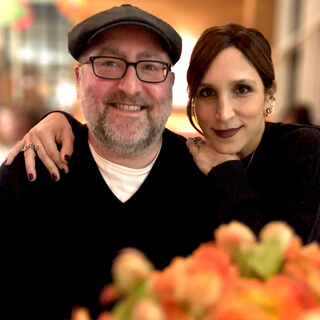
When it comes to parenting,
One of the main reasons why these souls came into my life is for the process of me,
Me growing and changing.
They have their own journey and their own process.
Your job as a parent is to help navigate that,
But at the end of the day,
They have their own journey.
Even if you are able,
And you won't be able,
None of us are able,
To always cater to every single one of their needs,
Desires,
And making everything perfect for them without any pain,
Without any difficulties all the time.
At a certain point,
They get into the real world.
And in the real world,
That's not the reality.
I think that you have to really challenge yourself,
Each person,
Say what are my beliefs about parenting,
How was I raised,
How did I feel being raised like that,
To really choose to be the kind of parent that you want to be and that your child needs you to be.
The view then for parents is to shepherd this soul that is not me to become the best version of themselves.
Welcome to the Spiritually Hungry podcast episode 15 and we are going to speak about parenting.
It is a very fulfilling job,
Sometimes thankless,
Depending on the mood of your child.
And the child.
Which child?
We love you kids.
So I'm excited to talk about this.
Last night,
Abigail was brushing her teeth and Miriam was right outside and she says,
Abba,
Can you please tell me which of your two daughters you like the most?
And Abigail is only seven,
But Miriam like faked as if she walked out of the room,
She stood behind the wall,
She wanted to hear.
Did you actually think she left the room?
I thought for a second I did.
Do you not know Miriam?
Anyway,
There was no way.
Did you answer the question?
As I said,
I love all of my daughters equally.
But different.
Different.
So I want to start with this cute thing.
I came across.
It's how being a parent is like being a rock star.
You've never heard this before.
Yeah.
Never heard of that.
OK.
I've never been a rock star,
So I'm not sure.
But haven't you wanted to be a rock star?
Never.
Never,
Ever,
Ever.
I might have.
I wanted to be like a drummer for a minute.
But yeah,
That didn't happen.
OK,
So here it goes.
Endless hours on the road with too many people in the vehicle.
Your job is to entertain a room full of loud,
Ruthing maniacs.
If you do your job well,
People ask,
When will you produce more?
You ask yourself daily,
Am I tripping or did I really just see that?
Your name is always shouted,
Never spoken.
Someone is always pulling at your clothes.
Groupies follow you to the bathroom.
Not so much you,
I think more me.
There's a different person in your bed every night.
There's even two.
At the end of your workday,
You're sweaty and your hair is a mess.
Mine especially.
Screaming is just part of the job,
Don't you think?
Very,
Very,
Very.
Not all at the same time.
I could relate to all of that.
So being a mom of four,
I think I have this parenting thing down,
Except when I don't.
Just when I think I have,
You know,
I'm a good parent,
I have the right angle.
I really kind of like,
I understand my child,
They change.
And then the learning curve starts all over again.
You take into consideration,
As they say in the movie In and Out,
The Pixar film,
Puberty sets in.
Remember that scene,
They're like,
Puberty?
And then they're like,
What's that?
They're like,
Oh,
It's probably not important.
So when you factor all those things in,
Parenting really is a job that requires you to embrace my favorite thing,
Which is change.
And I think that the parents that tend to struggle are the ones who,
Which will obviously unpack,
But who try to control their children or feel they know best.
And it can come from love,
By the way,
But it really,
To create a relationship that's ever evolving for positive with your child,
I think change absolutely has to be understood.
That's a major part of it.
Absolutely.
And it's interesting,
As you were talking,
I was going to share something else to begin with,
But that idea,
As I was thinking of preparing for the podcast and thinking about parenting,
I often say spirituality is not something that everybody is necessarily excited about or even find important in their lives.
When we had the episode on the relationships,
I said,
I don't think that you can have,
Most people can have a growing,
Thriving,
Exciting,
Inspiring relationship unless there's a spiritual component to it,
Really a spiritual foundation.
And I think when it comes to business,
There are many,
Many very successful business people who have no relationship to spirituality.
We can talk about that on a different episode.
But when it comes to parenting,
I think unless your view on life,
Like you said,
Is that whoever I am today,
I want to continue to grow,
Evolve and change.
And in that context,
You view parenting,
Which is these unbelievable souls,
Sometimes frustrating and making me angry,
Are in my life for many varied reasons,
But one very important one.
And this,
I'm not sure if most parents think of that.
I'm not sure how often we're really conscious of that.
That one of the main reasons why these souls came into my life is because I need to change in ways conscious and subconscious,
Unconscious,
And my life with them in the times that I am having a great time,
In the times that I'm frustrated and disappointed and upset,
All that is for the process of me,
Me growing and changing.
I'm laughing because I think about that all the time.
Our kids are like opposite of me.
I mean,
They're all air signs,
A little fire.
I'm earth,
Water.
And they do things in ways completely opposite from the way I would do.
Now I have two choices here,
Right?
I'd be frustrated saying this is not a child that's easy to parent because their style,
Their approach is so different than mine.
And I might think mine makes a little bit more sense at times,
But the truth of the matter is the way I decided to approach parenting,
When I realized I was outnumbered in this house because you were also- What?
I was also what?
A child?
No,
You're a sign.
You don't have a lot of.
.
.
You're a little earth,
But not.
.
.
So I kind of looked at it like,
Okay,
Where can I be more like them?
How can I see the world the way that they do and really admire their traits,
Especially in the ways that they're very different and opposite from me?
And that's been tremendous growth.
Right.
But that's absolutely true that our children in the people that they become and are becoming,
We can learn from watching them.
But I mean even on a deeper level that maybe even more importantly- I thought what I said was pretty deep.
It was very deep.
Sorry.
But the pain that they cause us,
The frustration that they cause us,
The things that when those moments and parenting is filled equally,
I would probably,
Right,
With the moments that you're having in the most amazing time with your children and the times that you're upset,
Disappointed,
Worried,
And so on.
If the view is,
And this I think is so important again for us and for any of the parents watching or listening,
I want to change.
I need to change.
The real reason I came into this world is to change and to become a better version of myself and a better version of myself.
And my children are going to be a tremendous force for change and growth,
Sometimes in ways that we enjoy,
Often in ways that we don't.
But if that's your- right because I think what's the opposite view that I think unfortunately many parents have which is,
Okay these,
You know,
These people,
Right,
These babies,
Children have come into my life.
I have to tell them what to do.
They're mine.
They're mine.
Yeah,
And I need to tell them what to do.
This really shifts the whole dynamic and view with which we parent.
Again,
We're still the adult usually and we're still the ones who are often sharing and teaching and helping,
But if my view is that I don't want to change and they're not going to tell me what to do and they're going to listen to me and they're going to become the people I want them to become,
Parenting can be very,
Very frustrating and really not lead us to where it's supposed to lead,
Which is the worst part of it.
And therefore I think what you said is so,
So important.
Again before we even go any- Thank you.
Further into this,
That I think for everybody listening to take a moment and pause and realize that the reason I'm a parent is separate from what my children need from me.
I'm a parent because I need to change and I need to grow and the entire parenting experience from conception to birth to toddler to teenager to adult to grandparent,
All that's supposed to be a process for me to be changing and growing.
And yes,
There's a whole other side how we deal with them,
But I think it's such a both beautiful inspiring if you're a change junkie or desiring to change and grow,
That must be the way with which we look at ourselves as parents.
So it's really going to challenge a lot of people.
And I think that some people don't have children.
I think it's any relationship,
Like a romantic relationship,
Of course,
Relationships with their children.
What is the purpose of these intimate relationships at the end of the day?
Again,
A lot of people do fall in love with certain people or decide to have children to have an extension of themselves.
And it's really more based in ego needs and fulfillment in that way.
But spiritually speaking and even energetically,
The purpose really is this give and this take.
And as our children become older,
Then they will be challenged to rethink how they give to us as parents.
How they relate to us.
And how they receive and really how they view any wrong they felt happened to them and their child.
That's on each person to go back and say,
Wait a second,
What is it I think my parent was meant to give me?
So this role of parent-child will forever change.
But again,
So if you start there because I am a parent because I want to change and grow and this is one of the.
.
.
And you said it's true in romantic relationships as well,
But there's,
I think,
A very big difference between children and romantic relationships and that,
And I remember,
And I've shared this before,
I think that when our firstborn David,
21 years ago,
Almost 22 now,
When we,
I remember this and I'm sure many parents have probably experienced this.
I remember sitting in,
You gave birth around,
I think it was three,
Four o'clock in the morning.
And then we were in that.
.
.
4.
02.
4.
02,
Yes.
Why would you remember that more than me?
I was in a lot of pain until that moment.
That's why.
Right,
Right,
Right.
Okay,
Why would I remember that?
I know it was a joke.
I had just pushed a big eight-pound baby out.
I thought it was like nine,
It was eight,
I thought it was closer to nine.
Then I remember so.
.
.
Because you've got the details all down here.
So we're sitting in the room,
Right,
And they clean him up and they bring him back into the room.
And I remember you had gone to sleep because I guess you were kind of busy the night I was still up.
And I'm looking at him in those plastic,
You know,
Bassinets that they put in the hotel and hospital rooms.
And I realized for the first time in my life that this soul,
This human being is 100% dependent on us.
If we don't feed him,
He doesn't eat.
If we don't clothe him,
He doesn't have clothes.
If we don't give him a place to sleep,
He doesn't have a place to sleep.
There's no other relationship.
I thought it was terrifying.
I remember begging at the beginning,
Don't leave me alone.
Really?
Yes,
I had never,
I didn't have,
Yeah,
I mean,
I don't know,
You were more natural in that way.
I was so small.
So you're saying it was different than romantic relationships.
Right,
Because hopefully most parents realize this human being is 100% my responsibility,
Which necessitates a shift,
Right?
When you're in a relationship with,
You know,
A romantic relationship,
You can take a day off,
You can take an hour off.
I'm actually going to challenge you though for a relationship to thrive,
Just like a child needs to thrive.
You need to feel like the success of the relationship or the child depends on your ability to nurture it.
And I understand that with children,
Of course,
It's more extreme.
If I don't feed you,
You're still going to eat tonight,
Even though I love you and I care for you.
Might complain about it,
But yeah.
Right,
But it's clearly a different.
.
.
Yeah,
But it doesn't mean you'll have a good relationship.
My point is,
Right?
I'm listening,
Listening.
Is that the view that you have on your participation and also challenging yourself to keep growing and changing in both roles is,
I wouldn't say equally important,
But it requires thought and effort.
Absolutely,
But the absolute responsibility is different,
Right?
And it's funny,
I was having a conversation with our oldest daughter,
Miriam,
The other day,
And we were talking about,
Why is it important to have kids,
Right?
And it doesn't mean that every person came into this world to have kids,
But I think that to make the choice to want to have kids is important because if we see our purpose,
Which is the spiritual view to grow,
To change,
As we said before,
There are very few things in life,
Very few endeavors that will force you to change,
Force you to share in having children.
I've met people who said,
Again,
No judgment,
Right?
But when I hear somebody say,
I have too many things going on in life or too many things that I want to do,
And that's why I've chosen not to have children,
I think to a certain degree,
And again,
Every case is different,
Every person is different,
You wind up being a more selfish person without children,
If you have the chance to have children.
And again,
People can adopt,
You can foster children.
I think having children,
Especially if you view it in the right way,
You will be a much more spiritual person,
A better person,
And certainly a more giving person.
If you have children,
So when I was talking to me,
I said,
Again,
There's probably many reasons to have children,
To want to have children.
To me,
One of them is that you're never going to be the best version of yourself unless you put yourself in a position where you have to care for your child,
Children,
In such a way,
In such a demanding way.
And until they're seven,
Eight,
Nine,
10,
Or whatever that age is,
The demands are complete.
They really cannot take care of themselves.
So again,
I think that that's so important,
That idea that we have to view parenting first and foremost as a way for us to transform and change.
And when you view it in that way,
I think often even the more challenging times,
The times that your kids are upsetting you,
Disappointing you,
You say,
I might not even understand how this is making me a better person,
But I know that this entire process is for that purpose and therefore I embrace it.
Yeah,
And it will change the way you navigate parenting for sure.
For sure.
For sure.
Should we get to the first question?
Sure.
Sure.
Parents think they know what's best for their children.
Yes,
We just said.
Because no one loves their children or knows them more than they do.
Sometimes this belief turns into a desire to control.
My question is,
How do you advocate for your child's best interest while staying open-minded that sometimes you might not always know best?
How do you trust your parental intuition about your child's needs while honoring their desires and not allowing yourself to get hurt in the process when they don't accept what you offer?
And I really love this question because I think it hits on so many notes of parenting.
I think for the most part,
Parents really have the desire to,
Of course,
Raise their child to be happy and healthy and successful,
Have a quality life,
Right?
But I think sometimes a lot of things get lost because we often project onto our children some of our own issues or things we didn't deal with in childhood or things we wish had happened that didn't happen,
Or maybe we're just not simply happy exactly with where our life is now,
And we really want to make sure our children have a better opportunity or life,
Which we can go into all the ways that that is a problem.
I think the other thing is that often because the child is so dependent on us,
And then when they get older,
Especially when they're starting to hit puberty,
They start to need to have independence while also have attachment.
That transition is very difficult,
Mostly for the parent,
Right?
Because your child might roll their eyes at you or say they don't like your sweater or make fun of something you said.
Even if they respect you,
There's that dynamic,
But at the same time,
They're calling you to put cheese on their baked potato and melt it for them,
Right?
It's like this push,
Pull thing that happens.
That part can be hurtful unless you remember that they're just trying to be individuals and really learn who they're supposed to be.
The issue I think happens is that often we don't really listen to our children.
I think that we hear their complaints.
We hear that their shoes are too small or they're thirsty.
Can you get me?
Whatever the basic needs are because again,
That's how it starts from the beginning,
But we stop listening or we don't even start listening to what they really desire.
It doesn't mean you have to give them everything they want,
But at least to hear what they want,
What they really- Understand them.
Yes,
Because imagine,
Well,
I know that I had that in my home where you express yourself and what you think or even what you don't,
Not sure you even believe.
You just want to be able to speak to the person,
The place that you've come from.
That might be scary for a parent if they hear something that frightens them,
Right?
Or again,
Makes them feel bad about themselves.
This is just ego that comes in because that's a big part of the problem with parenting.
You can really get involved with that part,
But I think that a big part is to be able to really listen with the intention to hear what they have to say.
Yeah,
And it's interesting.
One of these I think I have to say,
I have to thank you for really opening me up to this.
I think- You're welcome.
It started actually in our relationship that really listening to somebody,
Right?
Because this often when any person speaks,
Especially if it's to an intimate relation,
There's many levels to what we're saying,
Right?
A person might be saying,
You know,
I'm really exhausted and really with the same as I really need you to give me a hug or I need you to support me.
Yes,
Honey,
I trained you.
Wow.
That's what everybody's going to think now.
But right,
And I think again,
Not to come down on men often,
But I think we'll miss those deeper layers of a conversation or of an expression when one person is expressing themselves.
And even with our kids,
I know that we've had these conversations where the kids might be either talking about something or complaining about something or even complaining about us.
And the obvious reaction or even thought is,
Oh,
They're complaining about me.
When in reality is often much deeper layers to that.
Right.
After all I've done for you,
After all I do for you.
How dare you complain about me.
Right.
You're ungrateful,
Right?
And these are things again,
Which comes from hurt and ego.
But I think it's so important that that point that you said that we don't,
And again,
I think,
You know,
We're relatively evolved people,
Relatively spiritual people.
I catch myself very often not listening.
And what do I mean not listening?
Not that I didn't hear what they said,
But I didn't try to listen more deeply.
And I'll give an example.
Especially by the way,
If we feel our values are being challenged because that's a whole nother layer.
Right now then we start to worry about their future.
So it becomes this whole thing where if we just pause,
We remove the fear,
We don't make it about us,
Which again,
It is challenging and just really listen to the wants and the desires of the soul of your child.
And again,
Not that it means that you'll always fulfill them because they're.
.
.
Or indulge them.
Or indulge them.
But to hear them.
So I'll give an example and it's just kind of silly example.
I think it really,
For me,
It was another moment.
And I think one of the ways to know that you're parenting in the best way is when you're learning.
And I think it's an important question actually.
I would pause right now everybody listening and ask,
What was the last time and last thing that you learned from your children?
And by the way,
Please send in.
.
.
I'd love to read if you have any stories that you want to share with us.
But I think.
.
.
We're not talking about the silly thing of how to throw a nut in your mouth and catch it.
Right?
Okay.
So I'll give an example.
So the other day I was talking with Miriam and our older daughter,
Miriam,
Is learning to drive.
So again,
I'm not sure how different parents handle that when they're in their car with their child who's just learning to drive,
Which can be a little bit stressful.
But we've been driving a little bit and then we were having a conversation and she's like,
You're really a serious person.
And I was surprised at that.
This is while she was driving.
No,
No,
No.
This is after.
Okay,
Because I would be like,
Absolutely,
Yes.
While she was driving I might be.
But I think in general,
I think Monica could attest,
I think maybe people who know me from sort of lectures and things like that,
I seem to always be a serious person.
But I think at home and especially with the kids,
We're always joking around.
I think I'm relatively,
I don't know,
Say easy person,
But I'm not serious all the time obviously.
Yeah,
You have a very light and silly side to it for sure.
Right.
Yeah.
It's funny.
We were talking yesterday actually,
I think I got that from my mom.
But anyway,
So when she said that,
I like made a joke.
Like you know,
I made a joke about that.
Like,
Oh really?
You know.
And then I let the conversation progress and I realized that what she was actually saying is that I'm being a little bit too harsh in the way,
Again,
Whether it's when she's driving or other times when I'm being too harsh in the way I speak to her.
And again,
She wasn't crying,
She wasn't complaining,
She wasn't yelling.
It was like an offhanded comment.
You were able to hear her there.
Exactly.
And I was so happy like for myself.
Not for,
I mean,
Yeah,
I'll probably be a better parent and she'll probably be a little bit happier yes or no.
But like I'm so happy like for me,
Okay.
I said like,
Okay,
So I must be coming off at home,
At least with her,
Maybe with other kids,
Maybe with Monica,
Who knows where else.
I was a little bit too serious.
Let me pay attention to that and let me try to change that.
So my point being is that what you just said,
Which I think is so important.
It's something that I know that I learned a lot from you and I continue to learn from our kids and I say this to all the parents out there.
None of us are completely hearing our children.
And take the time.
And again,
I don't know how often I want to mention our kids because if they listen to this,
I wouldn't have to be upset.
They're not really listening to people.
Okay,
That's okay.
So often with our older son,
David.
I mean,
If they know that they're discussed,
They'll be sure to hear it.
Let's just not tell them.
With our older son,
David,
Like,
You know,
He's sort of in his last year of college trying to decide what he's going to do in life and we have conversations often with him.
And it often feels like he's not necessarily listening.
Sometimes he's listening and accepting.
But what you always push me when we've done with the conversation with David is,
Okay,
This is what he said.
And he might be 100% wrong about this or might be 100% right about that.
But what is really going on?
And that additional question,
Again,
I cannot stress.
It's a game changer for parents.
Well,
It's really interesting because you just brought up David and listen,
Some children will be able to better express themselves.
I don't want to make it about gender.
I wrote a whole blog on boys don't cry,
Which is the biggest farce.
In fact,
A lot of studies show they did a whole thing where they showed images to men and women that were graphic.
They were somewhat upsetting.
And actually the men had a stronger response to them than women did when they were reading their brain scans.
And I think it's more the culture we've grown up in that boys don't cry and need to be stoic and strong and women are the more sensitive ones.
So what happens is that men don't really develop this part of themselves unless they intentionally seek out to do so later.
So it actually reminds me when David was nine years old.
It's like one of my favorite memories with him.
And we would always do this and we still do.
We have one-on-one time with our kids individually.
So I was going out to the neurosager.
I think most of the kids would rather one-on-one time with Monica than with me.
Oh,
You're sweet.
So David,
I had run in from the office and I always looked presentable,
I would say.
But I would think I was more casual and I had run upstairs and I came down.
He's waiting for me.
But he didn't say we were going to dinner with him.
I was going alone with him.
It was like a dinner date with my nine-year-old son.
And he says,
Are you going to.
.
.
And again,
His nature is not to be that in touch with himself emotionally.
But he looks up at me and he's like,
So are you going to come to dinner dressed like that?
He's kind of uncomfortable to say it.
And I said,
Why?
This is nice.
And he's like,
Well,
Aren't you going to get fancy for me like you do with your students and your friends?
My heart melted.
I said,
Oh my God,
Yes,
I'll be right back.
I ran upstairs.
I put a ton of makeup on.
I got overdressed and we went out for our date.
But what he was expressing and what I heard and what I allowed him to say was that he wanted to feel as important to me as he saw other people be important to me.
So I always want to look for those different cues.
And even for people who have younger children,
And even if they just cannot express themselves.
I remember when Abigail started kindergarten,
She was super excited to go to school,
Three older siblings.
She saw them getting dressed every day,
Going to school.
So when she started kindergarten,
Super excited.
She's ready.
She had her little backpack with nothing in it,
Of course,
And her sippy cup and some snacks.
And that first week she came home and she was a terror.
She was having tantrums.
She was upset.
She didn't want to do any of the after school activities we always did.
And of course she couldn't express to me that she was exhausted.
It was like a different schedule for her.
Now I could have been like,
Oh my God,
This is the worst kindergarten or she's not ready or whatever.
And instead I just realized that she is just tired and she's just experiencing that.
And all she needed me to do was to say,
Okay,
Because there were no naps now,
By the way,
Right?
Just to be like,
Okay,
This is what you need.
So I think that as parents,
And I really wish that my parents had,
And again,
They're amazing,
But I remember feeling so unheard so much of my childhood that I think that's why I'm always like,
What are you feeling?
Because I remember feeling just left with my emotions and thoughts and where to place them.
Yeah.
Again,
I have safe place.
Yeah.
And I have to underscore this idea.
And by the way,
This doesn't necessarily mean that when you hear them and change in ways that actually you believe are necessary from what they're saying,
That they're going to acknowledge it or they'll be thankful for it.
Because let's remember,
The whole point here is not to get your kids to say you're an amazing parent or to say,
Right?
Or to force them to listen to you,
By the way.
They have their own journey and their own process.
Your job as a parent is to help navigate that,
But you can't tell them what to do or where to go or how to do it.
You can certainly show by example and power of suggestion is huge,
Especially coming from a parent,
But at the end of the day,
They have their own journey.
Right.
And the point is that after I had,
For instance,
That conversation with Miriam,
It wasn't for me that,
Oh,
I really hope she notices that I'm trying to change this aspect and being a little bit lighter around her and things like that.
For me,
I was excited about the fact that she just showed me something that I need to change about myself.
And I'm so excited for that.
Like just going back to the first thing we said is that if you view parenting almost number one,
I don't want to say number one,
The most important part of it,
But a very important part of it is that they're going to help me change.
And therefore you really push yourself.
And this isn't because it does,
I know it doesn't come naturally to me.
It probably comes a little bit more naturally to you,
But we all have to invest the time to listen,
To really listen.
And you're going to get wisdom from there.
You're going to get things you need to change.
And again,
Doesn't mean that once you really hear them,
That would you share with them,
They're not going to say,
Oh wow,
That's amazing that you heard me.
Right?
But that's not the point.
If I want to be a better parent,
I better be taking the time.
And by the way,
This is true,
Of course,
In relationships,
But if I want to be the best parent or the better parent that I can be all the time,
Ask yourself,
What was the last time when you had a conversation with your child or they said something and you were like,
Oh,
I really know what they're talking about.
They're not just complaining about their friend in school.
They were saying that they needed this for me or that for me.
Very,
Very important.
Also,
Remember that some people were raised in an era where they understood that children should be seen and not heard.
So I think that you have to really challenge yourself,
Each person,
Say,
What are my beliefs about parenting?
How was I raised?
How did I feel being raised like that?
To really choose to be the kind of parent that you want to be and that your child needs you to be.
I think another thing that happens,
And I urge parents in this way to hold their tongues.
I think very often we finish our children's sentences.
We fill in the blanks and we don't really let them complete their thought or their sentence or what they're feeling.
Again,
For fear of hearing something that makes us uncomfortable or challenges our values.
And also when they're younger,
They're speaking slowly.
Do you want this?
Is this what you need?
We're so used to that where if we don't pause and reassess what the child needs at different stages and ages,
We might still go on with that pattern.
Yeah.
And again,
Going back to the question,
I think one of the really important thoughts around parenting is the fact that our children are not ours.
I think,
Like you said before,
Often whether it's a conscious ego or a subconscious ego,
We think that these human beings are ours to mold into what we think is best.
And it leads me to one of our favorite,
You really introduced me to him,
One of our favorite writers,
And he was a pediatrician and an analyst,
But he,
Donald Winnicott,
Who wrote many books on parenting.
I strongly recommend one of my favorite ones is We All Begin at Home.
It's a collection of some essays.
It's interesting too because he,
I think he passed in 1972 and his work,
That often happens like that,
Really became more mainstream after he passed and people really following a lot of what he discovered.
One of my favorite theories of his is the concept of the good enough parent,
Right?
Because I think many parents think I need to be the perfect parent or I have to be an amazing parent.
I have to be a great parent.
And in our view,
There's spiritual reasons for this,
But let me first give credit to Dr.
Winnicott's theory that you don't want to be the perfect parent because what a perfect parent would mean is that you're protecting your child all the time.
They won't ever get hurt.
Everything will always go as they want it to go.
But what happens is if you are the perfect parent in that way,
You're actually not preparing them for life because even if you are able and you won't be able,
None of us are able,
To always cater to every single one of their needs,
Desires,
And making everything perfect for them without any pain,
Without any difficulties all the time,
At a certain point they get into the real world.
And in the real world,
That's not the reality.
And when they get into a relationship and they're like,
Wow,
My parents,
And again,
This is in the theoretical world,
Which never would happen,
But my parents took care of every one of my needs.
Now my spouse is not,
What's going on here?
Or they go to try to get a job and it doesn't happen to them.
One second,
I was taught as a child,
Everything that I want happens to me and so on and so forth.
So what he said is that the perfect parent is the one that's not so good or the good enough parent,
The parent that tries and fails and sometimes does a good job and sometimes fails at doing a good job.
And I think it's such a both a liberating and a true way to view ourselves as parents.
None of us can possibly be the perfect parent,
But more important than that,
None of us should ever be striving to be the perfect parent.
There's no perfect anything.
So,
You know,
I hate that word with a passion.
The good enough parent.
You know,
By the way,
Especially in this day and age,
So many parents are working,
Both parents often,
And there is a lot of guilt that comes with,
You know,
Am I there enough?
I'm not a stay at home mom or,
You know,
I need to be there for,
I feel like I'm failing them somehow.
So often parents compensate in ways that aren't the best for the child,
But what I thought was really interesting that I read is that actually,
If you look at the moms,
Right,
Because stay at home moms in the fifties,
Right,
They actually spent.
.
.
There are probably a lot of parents who are stay at home moms.
No,
But I'm saying in the fifties where many women.
.
.
Majority.
Majority of women did not work.
They find that working moms today,
Working moms outside of the home,
Because I do agree with you,
I think that it's very difficult and I applaud every stay at home mother.
I certainly could not be one,
But that mothers today that work outside of the house spend nine hours more a week with their child than the mothers in the fifties did.
Because it was just like,
Okay,
The kids are outside in the yard.
It was just like this.
So I think we're tremendously hard on ourselves of what it means to be the best parent.
And I think that a lot of times we compare ourselves to other parents,
But we'll get into that in a little bit of like,
You know,
This one has it all,
They're doing everything.
But I did want to say one thing we were talking about before about failure.
There were other studies too,
That children who were always praised as you're doing an amazing job,
You're so smart.
Wow.
I'm so proud of you.
Not like just praising them for effort,
But in doing it right accomplishment,
They actually took less risks because they were so afraid of failing.
So that's not doing them any favors either.
Absolutely.
So I think both it's,
Again,
It's both liberating to really view ourselves as parents as not needing to be perfect.
I think I'm trying to remember,
I think there's actually a study that says as long as you're 51%,
Meaning you fail 49% of the time,
But 51% of the time you're there for your child,
Then that's good enough parenting.
And there's a study in there that's a little bit of a side idea,
But again.
.
.
It reminds me of the Spanx founder,
Sarah Blakely,
Where when she would come home from school,
Her father every day would say,
Tell me how you failed today.
And if she couldn't tell him,
He'd say,
Go out and come back when you can tell me how you failed.
So failure for her was something very normal,
Something to be expected,
Just like you would expect to succeed.
Failure is necessary and it's a component that should be part of every day.
So she started so many businesses and failed and failed time and time again,
Never gave up until she found Spanx when she was wearing white jeans one day and she didn't really like the way they looked on her.
So she cut out the leg part of her support pantyhose and just wore the supportive part under the jeans.
And we know the history now of Spanx,
But.
.
.
Oh,
Actually it reminded me of some of the conversation I had with one of our kids recently.
They were going through,
In their mind,
What were challenges.
And I said,
And again,
There's so many different important teachings,
Consciousness around what parents should be sharing with their kids.
And at the time,
What I told them,
I said,
There's really three things that I think that as a growing adult,
You should be focused on.
And I think it's probably helpful for parents to have these in mind in different times for their kids.
And I said,
I think spirituality,
Meaning personal development,
Growth,
Transformation from selfishness to sharing,
Appreciation.
I don't believe you can draw any more success,
Growth,
Blessings without appreciation and resilience.
You know,
I think.
.
.
Resilience is a very good.
.
.
I think,
You know,
Going back to the idea of failure,
I think that.
.
.
Well,
That's what Sarah Blakely's father was teaching her,
Right?
Exactly.
And if you're a perfect parent,
That none of us can be,
But even if theoretically you could be,
You're definitely not teaching your kids resilience.
No,
Because you're too busy protecting them.
Exactly.
So they need to fail.
They need to fall.
They need to be in pain.
And once again,
You could be there to help them grow resilience from that.
But again.
.
.
It's so funny.
It reminds me when Abigail is like five and we were talking,
There was a song from one of the movies and she sings about blood,
Sweat and tears.
It was that ballet one.
Leap.
Leap.
And so Abigail,
Maybe she was even four,
She's like,
Well,
What are blood,
Sweat and tears?
And I said,
Well,
When you try so hard and you work so hard to succeed at something that you might fall and bleed and that you're sweating and you might even cry because you're frustrated.
She says to me,
Well,
What happens if it all happens at the same time?
I don't know what to do.
She's imagining herself crying,
Bleeding and sweating.
That happens too.
And then I remember actually for a number of weeks after that,
She kept on whenever she was doing something strenuous.
I'm investing my blood,
Sweat and tears.
Yeah,
But that's exactly right.
And which relates to now.
.
.
So that's again,
Just giving another plug to Donald Winokot.
I strongly recommend reading his books.
I mean,
Again,
I thank you for introducing me to him,
But really beautiful,
Beautiful,
Beautiful,
Really teachings on parenthood.
But I think now taking it to a spiritual level,
The understanding that our kids are not ours.
Our view is that these are unique souls with unique purpose and unique life.
And we have some responsibility,
Obviously on the physical level until they're able to feed themselves and clothe themselves and so on.
But on a deeper level,
He has to share wisdom.
He has to support.
He has to help them learn resilience when they fail and fall and are in pain.
But that almost separating view,
I think part of the reason that we make the mistakes that we shouldn't be making,
There's a lot of mistakes we should be making as parents,
Like we said before,
Is that we view them as ours.
And when you view something as yours,
Then it should become what you want it to become.
But when you really understand,
And this is the truth,
And you can try to fight this spiritual nature,
But it's bound to fail.
Our kids are not ours.
The Talmud often says there's a partnership between ourselves and the light of the Creator.
We have,
Of course,
Responsibility.
And yes,
We are assisting in bringing them into this world and hopefully helping them grow in this world.
But what they become has nothing really to do with what we want them to become.
We can support them to become the best version of themselves.
But that's a different thing than thinking,
You know,
Like we all know these stories,
You know,
In very competitive cities,
It's New York or even in LA,
When you have very academic parents,
Both of them are doctors or whatever,
You know,
Great college graduates,
It's important to them that their child goes to the best,
Well,
It starts at the youngest age,
Right,
Best kindergartens,
Best schools,
And then best high schools,
And then best colleges.
But we all know that there are many kids who are not meant to be intellectual in that way.
They have other gifts to bring into this world.
Or they might even be intellectual in a way,
But what about being happy and kind and having a purpose outside of that?
I know a lot of people who are very,
They do go to the most prestigious schools and they're miserable.
Of course.
But I know,
For instance,
I know,
You know,
A number of our students and friends who,
Growing up,
Their parents made it very clear this was the track that they wanted them to go on.
These were the schools and this was where they needed to graduate from and this is what they needed to do without taking a step back and saying,
One second,
This child is not me.
Not only is he not me,
I don't own him.
He is not mine.
He is,
You can be spiritual and say it is the universes or the light of the creators.
I have a role in their life.
But you need to look and see what it is that they really want to offer and would be better suited to do.
Absolutely.
Versus what your agenda would be.
Each one,
We often speak about this.
By the way,
This is as an aside,
People who don't believe in souls or in astrology.
You know,
I have a question I always ask is,
How is it,
We have,
Thank God,
Four children,
Each one of them completely different than the other.
Completely.
We are the same parents.
They were born in the same house.
They grew up in the same house.
There's no,
Again,
I'm not sure that there is other than a spiritual.
What's the nature versus nurture?
Right.
But then there's the whole.
They were all nurtured in the relatively same way and you see how different they are.
Okay,
But that's,
We're not going to get into that conversation.
But going back to what you said before,
Listening to your kids.
Listening to your kids doesn't just mean when they're talking,
But who they are.
Because this means as a parent,
You have to be much more nimble and open than we'd like to be.
So again,
We talked about hearing them.
This is really seeing them.
It's seeing them not for who you want them to become,
But who they're destined to become.
Right.
And that changes everything.
Right.
And also by the way,
Not that this is the reason to do it,
It also removes a lot of the angst that you have often as parents because,
You know.
Sometimes we joke and we're like,
Well,
That's not us.
That's not him.
I don't know where to kick that out.
I know.
I'm sure this,
And even again,
We'll fall to this at times and see a kid come home with a bad report from the school or bad report card.
And so like you can get really upset,
Right?
But really on some level,
It's because you're identifying yourself with them.
And how could I have failed for them to be doing that?
But first of all,
Again,
Of course,
There's some situations where parents fail and they really are delinquent in their duties as parents.
Most of us,
I'm sure most of our listeners are not,
And I know that we are not.
That does not mean that our kids will not fail in school.
It doesn't mean that they won't have a bad report from school and so on and so forth.
But when you really separate,
And I would say your ego from the child,
And you're really conscious of the fact they have their own journey,
They are their own being,
And I cannot allow or should not allow my ego,
My desire for them to overtake who they are and what they're meant to be.
So the view then is- They like to overtake,
Exactly.
The view then for parents is to shepherd this soul that is not me to become the best version of themselves.
And that might be something so different than what I have a concept of and what even I want for them.
That thought,
And the truth is,
Again,
We often speak about this.
What do we want for our kids?
We want them to be happy.
We want them to be kind and good,
And I would add spiritual.
But everything else,
Where they study,
How they study,
What they do with their lives,
What their vocation is,
And so on and so forth,
That is,
Again,
We can support and maybe at certain times when they're not mature enough to really even know themselves,
We can help them see themselves.
But one of the biggest mistakes that we can make as parents is trying to decide,
Which comes from whether we're conscious of it or not,
They are an extension of me.
They are mine.
I need to make them what is even what is I think is best for them,
Not possible,
Not possible.
And therefore,
Again,
Going back to the question,
I think it's really important that we check ourselves as parents.
How do I view this relationship?
How do I view my purpose in this relationship?
So- I think a good few questions that each person can ask themselves to check where they are at about the things we've just discussed.
One is,
Is your parenting based on what your kids need or something you're trying to soothe within yourself?
Hard question,
But an important one.
Another thing to ask yourself is,
As a parent,
Are you 100% aware of why you either praise or criticize your child even if they don't deserve it?
The last one is,
Are you trying to control them?
Perhaps you're trying to save your child from failure or you're afraid they're going to make a bad decision.
So and then remember,
Of course,
That failure is part of our greatest success.
And again,
You learn resilience.
That's why I think I've shared this,
But at times I don't want to sound callous,
But I am actually often happy when our children experience some sort of pain or some sort of disappointment because that's life and that's how you grow and that's how you learn resilience,
Which is one of the most important things that you will have to be successful at the rest of it.
At times,
Right.
There are times it is pain,
Right?
So both things can happen.
It's a relatively small pain.
I have to say,
I don't want to say I enjoy it,
But I'm happy that they're going through that experience.
If it's a greater pain,
Of course,
You have both thoughts,
Which is on the one hand,
They need to be going through this.
Especially if the child has regret for something and then,
But again,
It's their process at the end of the day.
If you remember from a few podcasts ago,
I came up with the idea,
Which I thought was a very good idea,
That Monica and I would ask each other one question on the topic that we are not prepared for.
So Monica has one and I think I have one too.
What was your least favorite moment of parenting to date?
It's funny.
My question is similar to that.
Yeah,
Sure it is.
You can be caught.
I knew you were going to be caught.
That's why I wanted to go first.
So the words again,
Your least favorite?
Yes,
That would be correct.
So let's see how honest you're going to be.
Oh,
There's so many.
No.
So many.
But I would say,
I don't know if I might have shared this on the fear.
No,
You've never shared this one.
This one.
So David was around three or four years old and we were in Toronto and we went to,
I think there's a Six Flags outside of Toronto.
And there was this big climbing apparatus with different stairs and slides.
It was four stories,
Really big.
And I went with him.
So I'm following David up and down,
Going around.
And then there was this bridge.
You remember this story?
Well,
How could I forget?
I almost peed in my pants.
I was laughing so hard.
There was this bridge.
Now this is like on the fourth floor,
Right?
So you're really high up in there.
And there's a bridge.
And so David enters and there were hundreds of kids there.
But my age of state,
So everybody gets the full picture.
You were,
Because you are like this in public places,
Like very busy amusement park.
You were on him like a hawk.
He was literally one foot in front of you.
But again,
Because there were so many children and other people climbing,
You lost sight of him.
Well,
Worse than that.
So he goes into this bridge thing,
Which is relatively narrow.
And I'm thinking,
I'll just walk around to the other side and meet him as he comes out.
I go to the other side.
I realized there's no way from the fourth floor to go to the other side on the fourth floor.
You actually have to go down to the third or the second floor to come around and come all the way back up.
And I do that.
I can hear the excitement in your voice even today.
Oh,
It's terrible.
So I can't find a way to the other side.
So I run back up.
So now it's been,
I don't know,
30 seconds,
A minute since I last saw him.
And since then,
At least 30,
40 kids and a few adults have gone through that.
Now,
My husband is very,
Very spiritual,
Really,
Honestly.
He really is.
He walks the talk.
But next thing you know,
Now I'm all the way down on the bottom.
I see like bodies,
Bodies being pushed and shoved aside,
Like bowling pins,
Like boom,
Boom,
Side to side,
Side to side.
And I see you like running through like the road runner trying to get to David.
That's why I was laughing so hard because I was like,
Oh my God,
I've never seen a move like that.
What is he doing?
You were not saved that way.
But you were terrified.
I was.
I was very.
I mean,
There was literally hundreds of kids.
And then I make it to the other side.
You were like literally like a bowling ball.
Like these pins were.
I'm happy you were entertained.
I was in pain.
So I get to the other side and I see David like on his way down the stairs.
Oh,
He's having the time of his life.
He's living.
He's here last.
Never even turned around to see where you were.
So like I was,
Again,
Both at that moment,
Until I saw him,
I was in fear.
And then when I saw him after that,
I could literally to this day and it's now 19 years later,
I literally,
You know,
Feel some relative failure as a parent for allowing my child to almost go missing in a amusement park.
Oh,
Come on.
You're exaggerating.
He was fine.
There are a few other times.
But yeah.
So my question for you was,
What was your,
What has been,
I don't want to say your most because this is one of your most frustrating times as a parent.
Frustrating.
So is mine better than your question?
Huh.
Well,
Frustrating.
Yeah.
It's more difficult,
I think.
You know,
It's interesting because your story,
Right?
I think that now that we have so much distance between that age,
Right?
We can look back.
I can look back and laugh.
I don't think you're laughing still yet.
But I think that for me,
The more frustrating times are now with puberty and young adulthood and all the things that come along with it.
So I'm not going to give any stories that I respect for because they're still there.
I think in 15 years I can sit here and I'll probably laugh about those moments.
But you know,
They have normal experiences.
So I won't go into those stories.
But I think the most frustrating part of parenting really is when you guide your child,
You give them advice,
They hear it for a minute and then they decide,
No,
They're going to do it their way.
And based on what we've shared with you today,
Like our philosophy to sit back and still hug them and encourage them and be supportive when I'm saying just go from like A to B.
I'm A,
You're B.
Just go from here to here.
But no,
I'm going to take the scenic route where I'm going to get a flat tire and I'm going to sleep in like a bed bug bed at the motel.
I'm going to take all these other different side routes that I know will cause potential pain and make it longer for them to actually get to their goal that they want.
Forget about what I want and make it so much harder on themselves.
And there's really nothing I can do about it if I want them to.
.
.
Because if I want to keep the lines of communication open and I want them to always feel like this is the safe place they can come to even when we disagree,
Then I have to be able to do all of those things.
It's very frustrating and it's the hard part.
It's the hard part.
I do feel this a lot when we know a lot of people who have many children and they're like,
I'm exhausted.
I have five kids under the age of seven or whatever the thing is.
And I'm like,
Wait 10 years because as the saying goes,
Big children,
Big problems.
That's when it gets real because they can make choices that are irreversible sometimes.
And we certainly have seen that with some of our kids' friends even where they've done things that really,
The part of them will never come back.
So that's both frustrating and also scary.
Right.
Yeah,
Absolutely.
And like we said before,
What helps in that process is again,
The realization it is their path.
It is their life.
And if they are making the decision to learn not from parents' advice,
But from painful failures,
That's the choice that that's all made and it's for them to make at the end of the day.
Yeah.
I actually wanted to read a quote from Donald Winnicott.
It's from the book Home is Where We Start.
And it's a little bit long,
But I just really,
Really enjoyed it.
And I hope our listeners enjoy it as well.
So he says,
Another source of confusion is the glib assumption that if mothers and fathers bring up their babies and children well,
There will be less trouble,
Which is kind of what we just spoke about.
Far from it.
If you do all you can to promote personal growth in your offspring,
You will need to be able to deal with startling results.
If your children find themselves at all,
They will not be contented to find anything but the whole of themselves.
And that will include the aggression and destructive elements in themselves,
As well as all the elements that can be labeled loving.
There will be this long tussle,
Which you will need to survive.
With some of your children,
You will be lucky if your administrations quickly enable them to use ways to grow and be creative and to be in satisfying ways.
But even so,
The road to this point may be rocky.
And in any case,
You will make mistakes and these mistakes will be seen and felt to be disastrous.
And your children will try to make you feel responsible for setbacks,
Even when you are not in fact responsible.
Your children simply will say,
I never asked to be born.
This is,
He had some experiences.
Your awards come in the richness that may gradually appear in the personal potential of this or that boy or girl.
You will feel rewarded if one day your daughter asked you to do some babysitting for her,
Indicating thereby that she thinks you may be able to do this satisfactorily.
Rewards come indirectly.
And of course,
You know,
You will never be thanked.
I really like that.
Yeah,
I thought it was really beautiful.
And again,
Not necessarily agree with all of those sentiments,
But I think that is an important way to understand parenting.
It's one of those tasks that are less viewed,
I would say,
In the spiritual way that,
You know,
As we said earlier,
To change me,
To make me be able to listen better,
To see better.
It can be a very frustrating process,
Even in the best ways possible.
But I think,
And again,
Parenting never stops.
I think one of the things we can share with our listeners is that having this view,
This view that we spoke about,
This spiritual view,
Certainly basically makes it more enjoyable,
Less filled with angst,
Although there are moments of worry.
And at the end of the day,
Maybe most importantly,
Make us a better person through the process.
By the way,
Even when it seems that your kids don't listen to you,
They're not appreciating you,
Your voice will become the voice in their heads.
So if it's kind and forgiving and nurturing,
Even when they don't listen to you,
Even when they challenge you,
That is what they're going to hear in their hardest,
Most difficult times and challenges.
And I really think that if,
As parents,
We're interested in all parts of our children,
And we see them,
Our ability to influence them is far greater.
Because then,
Once they feel seen and heard,
And we seem interested in them wholly,
Even if we don't agree,
Then they're open to what we have to offer in a more complete,
Full way.
Yeah.
And I hope you don't mind me.
I'm sure you just inspired me with what you said by a philosopher who took a lot of her teachings from Donald Winnicott.
His name is Martha Nussbaum.
And she writes,
But her parenting is the highly particular transactions that constitute love between two imperfect people.
Yes.
Perfect.
We do have a lot.
We have a lot more- We could do another podcast on parenting.
For sure.
So please feel free to send in your stories,
Questions to monicaandmichaelatkabala.
Com.
We'll get to them on the next podcast that we do on parenting.
Also,
We're going to be doing,
As we said,
At least one podcast a month on relationships.
I believe next podcast will be on relationships.
Continue to send in your stories,
Questions to monicaandmichaelatkabala.
Com,
And we'll try to get to more and more of them as we continue.
So we will leave you with this beautiful letter from one of our listeners.
Good evening.
I couldn't listen to another podcast and not express how much spiritually hungry podcast episode 13 and 14 has blessed my soul.
I have taken Kabbalah one and two online and recently became a One House member.
I became pregnant last year and pondered what a precious gift this would be to me and my husband.
We've been married for seven years.
We're faced with infertility.
I wanted to be the best parent I could,
So I enrolled us in Kabbalah one and two.
On June 2nd,
2020,
At 34 weeks pregnant,
My son Eli was born still.
His heart had stopped beating.
I have become depressed with no desire to do anything,
But a little light was there for me to listen to the remaining Kabbalah two classes.
My ego is so treacherous.
It's been reminding me that I am defective,
That my body failed me,
Reminding me of the shame and embarrassment of how I can face my friends and family after the baby shower,
But did not come home with a child.
I have tried to see and know with certainty that the Creator knows best,
But this is a tough one.
I still cry wanting and wishing I had my child.
It's so difficult to imagine how this experience is for my good and the best thing for me.
After listening to your podcast and wiping away many tears,
I'm trying to accept what has happened and not resist my soul development because I could not know better than the light what is best for me.
I will definitely go back and listen to the remaining episodes.
Thank you for filling your soul's purpose as you were definitely sent by the Creator at this time in my life.
Blessings to you both.
Thank you so much for sharing this letter with us and your raw emotions.
Absolutely.
And as we say,
The reason we do this podcast,
Besides the fact that we enjoy spending some time together,
Some more time together,
Is because of the impact that hopefully what we share has in people's lives.
And to hear a story like that,
That we can actually bring some solace and comfort to such a painful experience.
So it's our hope that in everything that we share,
The deeper parts and the funnier parts,
That our listeners find inspiration,
Solace when they need it,
And hopefully some wisdom that helps them become a better person.
And we'll be sharing more and more of these stories as we continue recording the podcast.
But first of all,
Thank you so much for sharing that,
Being so,
As Monica said,
Raw and open and honest.
And to the rest of our listeners,
Thank you so much for listening.
And thank you for using Spiritually Hungry Podcast as one more way to help you become a better person.
And through that,
We believe the world become a better place.
And please keep sending in your questions,
Your stories,
Your inspirations to Monica and Michael at kabbalah.
Com.
They mean the world to us.
Obviously,
We cannot overstate how much inspiration we receive from our listeners sending in these stories.
So please keep sending in your stories,
Your questions.
And please make sure that you're sharing this podcast with all of your friends,
Family,
That you're going to Apple Podcasts and giving five star reviews and anywhere else you get your podcast because this way other people can have more access to it.
We hope you enjoyed this one as much as we enjoyed recording it.