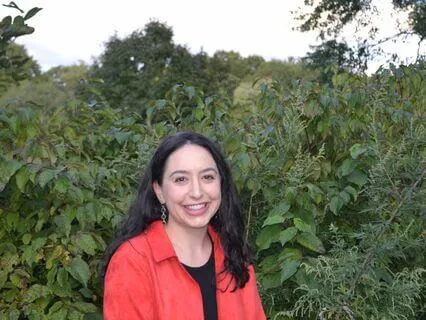
Welcome to the Shifting with Marlee podcast.
I'm Marlee.
Thank you for joining me wherever you are.
All that I ask of you,
The listener,
Is to have an open mind and an open heart.
And in return,
I offer you myself.
Today we're going to talk about our relationship with money and dive into the wounds we have around money.
We first started this conversation back in 2021 in episode 18,
A New Money Paradigm.
Today we're going to uncover deeper layers around our relationship with money,
Diagnose our money wounds,
Get to the root of our money wounds,
And learn how to begin to heal these wounds.
Because believe it or not,
Healing our relationship with money will ripple out to every area and facet of our lives and open us up for abundance to begin to flow.
Here to guide us today and share her wisdom is Emily June Wilcox.
Emily is a money healer,
Business mentor and coach,
Multi-seven figure CEO,
And host of the Joyous Path to Millions podcast.
Welcome,
Emily.
What a lovely introduction,
Marlee.
I'm so happy to be here.
Thank you so much for being here.
I'm just so grateful to connect with you today.
Yeah,
Likewise.
And Emily,
I mentioned this to you before we hit record,
But I've been listening to your podcast and taking your courses and soaking up the wisdom you share for a couple of years now,
Actually,
And it's been so helpful for me.
I'm so excited to introduce people to you today and dive in and share some of your teachings.
I'm excited too,
Because I think your ability to ask questions and facilitate this conversation,
We're going to be able to go so much deeper because you're so familiar with the work.
Absolutely.
So to start off today,
Emily,
Let's dive right in.
Can you please share with us why money?
Why is this?
Of looking at our relationship with money and healing our relationship with money so important?
And also,
What does our relationship with money mirror and reflect back to us?
I love this question.
And my personal answer to why money is,
I'm going to,
I guess,
Just go woo right out the gates,
Which is that Spirit,
My higher self,
Basically told me,
You're meant to be coaching on this.
And I had a lot of imposter syndrome,
Like money.
Even though I already had 2 different 7-figure businesses,
I definitely still felt like money was the thing that I was chasing.
And I didn't feel like I had fully cracked the code.
And yet,
I was willing to answer the call like,
Okay,
Well,
If I'm meant to be coaching on money,
Then guide me and I'll figure this out.
And then I got curious.
Isn't it fascinating that most people would look at me and what I've built and be like,
Oh,
She totally has it made.
She's got money completely figured out.
And yeah,
I didn't feel that way.
And so I really had this sense that it wasn't just me and that people weren't talking about this.
And even when I would listen to business podcasts and things like that,
It was like,
Nobody ever really asked nitty gritty questions about money.
Right.
And so that's where I got started in this work.
And why money?
I think money is such a fantastic carrot for doing the inner work and doing the introspection.
And everybody is different.
So maybe for some people,
Having their dream body or having a romantic relationship would be the most enticing thing.
But money just has always been really enticing to me.
And so it's like the idea that there's more of it on the other side of digging in and understanding where I'm blocked and stuck and doing the deep healing work.
It's like,
Okay,
I'm game.
I'm in.
And so I've become not just like a wealthier person,
But a better wife,
A better mom,
A better friend,
A better teacher,
A better coach,
A better entrepreneur,
Better CEO,
Like you name it.
Through doing this inner healing work and money was always the carrot or the reward that had me interested in doing it.
Thank you for sharing that,
Emily.
And what does our relationship with money mirror and reflect back to us?
Why is that so important and powerful?
Yeah.
So what I've found to be true in doing this work and now having data on over 10,
000 people is that most of our relationship with money is us projecting our own limiting beliefs or insecurities or what we think is true or not true about ourselves onto money.
And we weaponize money against ourselves.
So if I don't think I'm worthy,
I'm going to use financial evidence to sort of prove like,
See,
I'm not worthy.
Or if I don't think I can trust myself,
I'll weaponize money against that and create situations where it's like,
See,
Shouldn't have done that.
I knew I couldn't handle this.
I couldn't trust myself.
And so in some respects,
It has nothing to do with money.
It's just that,
Again,
Because our relationship with money is so important,
And it's linked to our survival plus linked to every desire that we're interested in experiencing,
It's a good one to look at.
And then when we get curious and start looking at it,
It just shows us these places where we're holding onto things that don't serve us.
And again,
Not even really related to money.
If I don't think I'm worthy or I don't trust myself,
It's like money is not the only place that's showing up.
It just might be the place that I'm most interested in leaning in and doing the work.
I love that answer so much.
Thank you so much.
And it makes so much sense because money is actually inherently neutral,
Right?
It's our projections onto it that make it such a potent tool for healing.
Absolutely.
Yeah.
It's like if I had whatever,
Like 10,
000 stacks of Post-it notes in my house,
You probably wouldn't make that mean something about me,
Like that I'm better than you or worse than you.
Or it would just be like this weird,
Random fact.
That's like the energy of neutrality.
Oh,
Okay.
Like you take 30 breaths per minute and I take 40 breaths per minute.
Huh.
Okay.
Interesting.
And it's like,
That's really what money is meant to be.
But then we just attach all of this extra meaning onto it where then all of a sudden it's like,
Oh,
You're bad and I'm good or you're greedy and I'm not.
And then it just goes sideways from there.
And I think that's why this perspective is so important and why our relationship with money is one of the most important relationships because we project all of our stuff onto money.
Yeah.
Right?
You mentioned limiting beliefs.
We also project our wounds,
Our trauma,
Our emotions,
Our opinions,
Our egos.
We project all of it onto money.
And it's because of that,
That bringing our attention and our awareness to our relationship to money and our money wounds and healing our relationship with money and building a healthier relationship with money is so potent and powerful.
And that's why it has such positive effects in so many areas of our lives.
Yes.
Very well said.
Because basically,
Emily,
Healing our relationship with money is a catalyst for deep healing on many levels and not to mention,
Opens us up to more wealth and more abundance.
For sure.
A friend of mine is a seven-figure intimacy coach.
I've talked to six and seven-figure nutrition coaches.
And my favorite metaphor is imagine this mansion.
And it's this massive house where there's all of these different doors and entranceways and staircases.
I'm imagining Clue,
Which I just played with my kids.
And it's like,
The observatory also has the secret passageway to the library.
And so there's this house.
And it's like,
At the end of the day,
It actually doesn't matter which door you go into.
Because once you're in,
You have access to the entire house.
And so I like the doorway of money because to me,
It's the most interesting and enticing.
But you could also go in the doorway of love and romantic relationships or body image stuff or whatever.
And it's going to lead you to the same kind of healing.
Because once you're in the house,
It's like,
We're just one human.
We have one brain.
And we don't compartmentalize well.
Like actually what we believe about ourselves and other people infiltrates every aspect of our lives.
And so if you want to come through the money door with me,
I welcome you in.
If you want to go in through a different door,
It doesn't really matter.
Because that healing work is going to penetrate every nook and cranny of the house.
Yeah,
I love that analogy.
And with money,
Though,
Emily,
Do you agree?
It's a really potent doorway into the healing because we all have issues around money.
For sure.
Yeah.
But I but again,
Like,
I think we all have issues around a lot of shit.
Truthfully,
Like,
If we're being honest,
We could probably examine our beliefs around a lot of different things.
But here's the thing.
At a very basic level,
Right?
There's a part of our brain that's entirely primitive.
That's only job is to keep us alive.
And that part of the brain is very activated by money.
In a way that it's not activated by body image or whatever,
It's like you could be 50 pounds overweight.
And that part of your brain is not like,
This is life or death right now.
But with money,
It's like as soon as we don't think there's enough,
It absolutely triggers the part of us that is so hardwired for survival.
And so it's like trauma responses,
You know,
Fight or flight,
All of these things come up because money feels so intrinsically linked to our ability to stay alive.
That makes so much sense.
And I'm just really happy that we're talking about this today and bringing awareness to it.
And Emily,
I know part of your signature work is helping people heal their relationship with money and heal in general through healing their money wounds.
And you've created or downloaded this ingenious system where you've categorized our money wounds into six core money wounds.
So can you please introduce us to the six core money wounds and give us a brief breakdown of what each one is?
For sure.
Yeah.
So again,
This is where like having all of this data now is so incredibly helpful.
And you and I were talking before we hit record about human design.
And I'm a person who has found interest and intrigue in these systems of categorization.
I think it's a really fascinating way to understand human behavior.
And that's what got me so interested with money.
It was like,
We all have our money shit.
We're not talking about it.
But I have a feeling that it's not all that varied.
There are probably just a few buckets that the majority of people fall into.
And so through that curiosity,
This whole methodology was created,
Vetted,
Tested,
And these six money wounds surfaced.
And they're all very distinct.
And so you might have more than one.
In fact,
Most people have like three.
But as I say them,
You'll hear you can't really swap out one for the other.
And there's such a degree of specificity when we speak to a distinct money wound versus just talking about like having money issues.
Because you and I might both have money issues.
But the way that that unfolds and presents itself in our lives is completely different.
So there's the money shame wound,
Which is like,
I'm not worthy of wealth.
There is the hard money wound.
If I want more money,
I'm going to have to do more.
There's the safe money wound.
I'm not going to feel safe until I've got this certain amount in the bank account.
Like I need this fat stacks of cash,
And then I can feel safe.
There's the money trust wound,
Which is like,
I don't trust myself with money.
I think I'm going to screw this up.
There's the disappearing money wound,
Which is like,
I don't trust money.
I think it's going to leave me or abandon me.
And then there's the evil money wound,
Which is like,
It's bad to be rich,
Or I'm going to have to do things that go against my morals and my values in order to be rich.
And like you mentioned,
I'm sure we all have,
I don't know,
Bits of many of them.
But from what I've learned from you,
We have two to three primary wounds.
Is that right?
Yeah,
That tends to be the case where it's like,
You know,
Usually there's two where you're like,
Oh my god,
I feel so called out like this is me.
And then there's one or two where you're like,
Okay,
Yes,
There that's there.
And then usually there's one or two where you're like,
I don't even resonate with that at all.
I'll share my big three.
They are money shame wound,
Safe money wound,
And evil money wound.
Yeah.
And can you give us some brief examples of how each one of these six show up?
For sure.
Yeah,
Because,
You know,
We mentioned the quiz,
I'm sure we'll talk more about that and how to take it.
And that can be really eye opening.
But also,
Looking at the symptoms,
Like looking at what's actually in your life or not in your life.
As soon as you start doing that,
You're going to notice like,
Okay,
If I have all of the symptoms of this wound,
I probably have this wound,
Right?
So with the money shame wound,
For example,
Maybe you haven't asked for a raise like ever,
Or you just like you're just like taking the breadcrumbs like so grateful for it.
If you're an entrepreneur,
You're probably under charging for your work and then over delivering.
And in a way that like really creates this codependency where it's like,
Oh my god,
Somebody paid me.
And now like,
I cannot be okay,
Unless they're okay.
Like they have to be so satisfied and so happy with this transaction.
Because the underlying feeling is like,
Because I don't value like myself and my work just on its own.
The evil money wound.
Sometimes people are like,
I don't know,
Because their conscious mind is like,
No,
I think it's good to be rich.
I want to be rich.
I'd love to win the lottery.
And most of this stuff really lives in the unconscious mind.
And so we can really have this push pull or this resistance because there's a part of us that's like,
That's not even true.
I wouldn't even believe that.
And yet the symptoms are there in your life.
And so for the evil money wound,
A lot of it is around like belonging and fear of judgment.
So for example,
If you don't make more than anyone that you surround yourself with,
That's a clue.
If you happen to have a more luxury item,
Like a fancy purse or something like that,
But you would never bring it to a family reunion,
That's a clue.
I had a client who got an Alexis car and then parked it around the corner before she met with someone at a coffee shop because she was afraid of what they were going to think if they saw the kind of car she drove.
That's a clue.
So even if you're not consciously thinking like being rich is evil,
If the idea of having too much and other people knowing that you have more,
It just makes your skin crawl,
You probably have the evil money wound.
And so I could go on and on because obviously there's unique symptomatology for all six,
But I think that gives the listeners a flavor of how you would start to get a sense of like what's going on for you.
Yeah.
I think this is so fascinating.
I love it so much.
I also love like systems and categorization,
Which is also why I love human design as well.
And learning about these money wounds for me totally opened up my world and brought so much awareness to my life,
But also my family and my family dynamics.
For example,
I learned a lot about my parents' money wounds,
How it affected how I was raised.
And then most interesting,
The difference between me and my siblings and how our money wounds express themselves today in adulthood.
So many aha moments for me just by learning about these ones.
I mean,
This just seriously makes my heart burst open.
I'm so happy because it's like everything I wanted and intended around this work,
Like that it's not just for you,
It is for other people too.
And like our understanding of them,
Because I suspect that as you got to understand your parents' money wounding,
There was a softening and you could have more compassion for the part of them that was scared of stuff too.
And as kids,
We have none of that.
You know what I mean?
We just will judge our parents so harshly because we think they should completely have it all together.
And then it's so healing as an adult to be like,
Oh,
You were also scared.
Like you were scared you weren't going to have enough,
Or you were scared of the judgment of other people or wow.
Okay.
And so I love that you use that as an opening to have these conversations and build more connection within your family,
But also to talk about all of it.
Because I can't tell you how many podcasts I've been on where I'm like,
Just talk about money,
Just have a conversation with someone you wouldn't normally talk to about it.
Because how can we possibly heal the planet and usher in new paradigm wealth if we're all walking around with these limiting beliefs around money and we're just holding them secret and unexamined.
We need to let them out into the light and have someone poke holes in them so that we can all heal.
Yes.
I totally agree.
I totally agree.
And I also highly recommend looking at these wounds with your family and your friends and your children and your just your relatives.
Cause it was just,
Yeah,
It was a very big learning exercise for me and my family.
And Emily,
I'm curious,
What are the roots of these money wounds?
Where do we get them and where and when are they formed?
Yeah.
So each of the six money wounds has its own unique root cause.
And that's why it's so helpful to have a diagnosis.
And that's why I use this kind of like medical terminology and these medical metaphors,
Because I think we all can understand that if we're just like having weird mystery symptoms and no doctor or health person can diagnose it,
The chances the chances of us healing are pretty low.
As soon as you have a diagnosis,
It like opens up this whole portal of like possibility around understanding what's causing it and then being able to heal it and like a really targeted way.
And so the same is true with each of the money wounds.
They all have their unique root cause.
And so therefore they all have a unique medicine associated with them.
And yeah,
I mean,
Many of our money wounds are formed in childhood.
I think there are people who know more about this than me,
But basically they say that like before age seven,
You don't really have a filter of what's true and what's not true.
So you just sort of take everything in as truth.
And so it's like,
It's the reason it's so easy to believe in Santa Claus and the tooth fairy and the Easter bunny.
And it's also why it's so detrimental if a loved one tells you that you're ugly or you're fat or whatever,
Because like you just take that as true.
There's no part of you that filters that and says,
Hang on,
Is that right?
Is that what I should believe about myself?
And you may not even have any conscious memories of this,
Especially if you've had a traumatic childhood.
There's lots and lots and lots of research that basically says the more traumatic your childhood was,
The less of it you're going to remember.
It's like my husband doesn't have any memories from before his parents divorced.
And it's like,
Well,
It's just an indication that there was trauma and it's okay.
You don't have to remember it.
But likely,
Whether you remembered it or not,
There were conversations happening in your household that were like,
Are you going to pay this bill?
Or did it get paid?
Or the money is gone before it even hits our account.
Or how are we going to afford to take a vacation?
And again,
As a kid,
If you were to hear a parent say the money is already gone,
That feels like the scariest freaking thing.
Because in your mind,
It's like,
Oh my God,
What does this mean?
Are we going to have a house?
What's going to happen?
Whereas your parents are using that metaphorically to be like,
Gee,
I wish more money was here.
They probably didn't mean like there's literally $0 in the bank account,
Although maybe.
So a lot of it is really old.
And you've been just holding onto it for a long time.
Now,
That brings in another limiting belief.
So sometimes we think like,
Okay,
Well,
I'm 40 years old.
And if all of these beliefs have been knocking around in my subconscious and in my body for let's say 35 years,
Wow,
This is going to take a long time.
This is going to be really hard to shift them.
But it's not true at all,
Because you didn't have any conscious awareness of them.
So it's not about how much time it was there.
It's like if you went down into your basement or your attic and you decided to clean things out and you found a bag of clothes that you've had since high school,
And you've just been holding onto them,
But you didn't remember you were holding onto them.
You totally forgot they were there.
It wouldn't be hard to get rid of that bag of clothes just because you've had it there for a long time.
It's like,
Oh,
Well,
Now I know it's here.
And I know that these styles don't even work for me anymore or the size doesn't even fit.
So there's no value in holding onto it.
So now that I know it's here,
I'm going to lovingly release it.
I'm going to go donate the bag of clothes.
And the same is true with these limiting beliefs and these stored traumas and these pent up emotions.
It's like we didn't know they were there.
They weren't safe to process and look at and heal earlier in life.
Now they are.
Now you have awareness of them.
And so things can shift really fast once you do this healing work.
I love that.
I think this is so useful.
And I totally agree.
And I was thinking about this,
The root of these money wounds.
Here's what came into my mind.
And let me know if this is a good summary.
In addition to childhood,
Which I'm going to kind of throw into the bucket of family conditioning from childhood,
Also societal conditioning,
Generational trauma that's been passed down to us.
Yep,
Absolutely.
And then I also want to throw in there past life trauma that we've carried with us into this lifetime from past lives.
Yes.
I love this.
Well done.
It's like this student becomes the master.
Like,
Look at you.
But it's so true.
It's so true.
And,
You know,
Especially like some wounds more than others where,
You know,
The evil money wounds.
You might not even know you have it,
But it's like,
Listen,
That shit is in the water.
Whether or not your family talks about the haves and the have-nots or the top 1%,
It's like every newspaper headline,
Every.
.
.
I remember the protests after the market crash that led to the housing crash.
And it's like basically all of the protesters were protesting like the 1% versus the 99%,
Right?
And so it was like you wanted to be one of the 99% because you were like,
The 1% is bad.
Like those evil MFers,
Like I can't be one of them.
So yeah,
It's all over the place.
And then it's true,
Like generationally what's been passed down to us,
Like in our DNA,
But then also through story and things like that,
Right?
Like,
You know,
You'll have families of doctors or families of whatever.
And,
You know,
There are families who have struggled with money forever.
And so that sort of gets handed down that like we're just one of these families where like we don't have a lot,
But we're happy or something like that.
It's not even necessarily like a bad narrative on surface.
Like it was probably a good survival technique,
But you get to rewrite that story.
Like you don't have to carry that forward.
And with past life stuff,
I mean,
We're literally meant to keep healing that,
Right?
And so it's like maybe this is the lifetime where I really crack the code.
And I figure out that abundance is my birthright and that me having more doesn't mean that anyone else has any less.
And then I get to set myself free.
I get to set other people free.
And I probably get to have some really incredible lifetimes to come because,
You know,
Like this is the one where it finally all came together.
Yes,
I love that.
And just I just want to highlight these wounds do run deep,
But we can heal them.
Yes.
So,
Emily,
Can you please give us a little taste of how to begin to heal each of these six money wounds?
For sure.
Let's pick the hard money wound just to use as an example.
So,
Again,
The idea is in order to make more in order to be rich,
I would have to do a lot more.
And the trouble with this money wound is that it actually does work to an extent.
And again,
We talk about societal conditioning and everything like where haven't you heard that you've got to work hard to make more money,
You know,
Like it's everywhere.
And yet when you look at the wealthiest people,
Often they're not doing the most.
In fact,
Sometimes they're doing the least.
Sometimes they've just inherited the money or,
You know,
I think we could all imagine like a business tycoon that's like out on his yacht and just like taking a phone call and saying like,
Yep,
That's approved.
Right.
And then he's hanging it up and he's going back to like a wonderful afternoon.
Meanwhile,
There's teams of people that are running his many companies.
And so there's a part of us that understands that it's probably not universal truth.
But with ourselves,
When we sort of sketch out what it's going to take to double our income or to 10x our income,
It's like it really feels like we're going to have to do a lot more than we're currently doing.
And the math can stop making sense where it's like,
I don't actually feel like I have 10x the effort to give.
I'm maxed out.
In fact,
Maybe I need to even do less.
Maybe I'm already at the brink of a health crisis.
I see that a lot with women that especially type A,
High-performing women,
Women that are in corporate environments,
It's like they're crushing it until all of a sudden.
.
.
Usually it's in their 30s or 40s.
It's like the body is like,
We are done.
And it takes a health crisis to realize that the pace is unsustainable and the way of doing it is unsustainable.
So if we understand that part of our desire for wealth and financial freedom is also time freedom,
We have to have a new way.
So it can't just be that money equals effort.
And so I'm oversimplifying how we heal this because we can talk about the medicine here on this show,
But there's a difference between talking about medicine and taking medicine.
And so it's like,
If you had a sinus infection and I talked to you about steroids,
That would be very different than you taking the steroids and you knowing which steroids to take and what dose and how often and whether or not it's with food.
And that's the really key piece of actually getting the transformation.
But the way that we do the healing is we address the mind and the body because both are a part of this.
And so to satisfy the mind,
We can start to find new evidence.
And I already shared a little bit of that.
The guy on the yacht,
Okay,
Well,
He is part of our evidence that money doesn't always equal hard work and we can come up with lots more.
We can also do it in the reverse because I know some ridiculously hardworking people who are really barely keeping their heads above water.
So we know it's not always an effort game,
But then what is it?
Because our brain needs to have something to kind of latch on to.
And in this case,
It's that impact equals income,
Not effort.
So the old paradigm is effort equals income.
And then the new paradigm is that impact equals income.
And of course,
Like we look at Taylor Swift and it's like,
It's not surprising that she's a billionaire in her 30s because her impact is just absolutely insane.
The number of people who are attending her concerts and streaming her music and buying her merchandise,
She's got a large sphere of influence.
And so naturally with that impact comes more income.
And so then we really shift the paradigm around the way that we're thinking and operating.
And there's some healing work that we need to do and some forgiveness work,
Especially if you've kind of treated your body like a workhorse and maybe you've been kind of a mean boss to yourself for a long time.
I know that was true for me.
But once you sort of get through some of the mind and body healing and reconditioning,
Then it presents you with a whole new set of questions to ask because it's like,
Okay,
Well,
If I desire to 10x my income,
How can I 10x my impact?
Which maybe is like not doing anything new.
So it's like,
You,
Marley,
You could 10x your impact by just having 10x the people listening to this podcast.
You wouldn't have to record 10 times more episodes.
It's like just doing what you're already doing.
But all of a sudden,
Way more people are tuning in and absolutely loving everything that you have to say.
Well,
You could absolutely monetize that and have that change your income in a way that would probably feel so much easier than whatever you've even currently been doing.
So that's like a little highlight reel of what it looks like to start to heal a money wound and step into a new paradigm.
Thank you.
That's really helpful.
And so we have for each of the money wounds,
The mind healing,
The logical piece,
Right?
And then the body work and the energetic work.
Yes,
Absolutely.
And the internal work.
Yeah.
And then a cool thing that happened with the book,
This actually really took me by surprise because when I went to write the book,
I was like,
Okay,
I've been working with money wounds and how to heal them now for years.
And I've coached hundreds and hundreds of people on this.
So I really felt like the content was all already there.
And then it was just putting it into book format and adding some additional stories.
What surprised me was that actually through the writing process,
There was more stuff that wanted to come through that actually deepened the work and deepened the process in ways that I didn't anticipate.
And one of those was the alchemy of taking a money wound and turning it into a new channel of wealth.
And so then I ended up updating the money wound medicine program because of what was coming through as I was writing the book.
And this is a really key piece because sometimes people think like,
I'm too broken.
I'm just screwed up beyond belief when it comes to money.
Wealth is never going to be for me or some version of that.
And if we think about a river that's dammed,
Most of us know a little bit about dams,
Right?
That it blocks all the water from flowing and then it builds up power that can be used and turned into electricity and things like that.
So all of the potential energy that should be just rushing in this free-flowing river is getting bottled up and then fuels power plants or things like that,
Right?
And so you know,
And I know that if we have four rivers that are all dammed up and have a block in the flow of water,
That there's actually more potential in four rivers than there is in one river.
And so if you've got four money wounds that are blocking you from wealth,
You actually have more wealth potential built up inside of you that's just waiting.
And it's waiting for you to do this work and do the healing and break down the dam and have these free-flowing rivers and these new channels of wealth that are flowing into your life.
I love that comparison.
Thank you for that visual.
And so I'm going to break it down.
You diagnose your money wounds,
You bring awareness to your money wounds and awareness is like part of the healing I feel like because once you bring awareness to it,
You're bringing awareness to when you're being triggered by your money wounds,
Right?
Which is like the potential for healing is there once you're aware of those triggers.
And you're also bringing awareness to like the habits and patterns in your life that are being driven by your money wounds.
That's all just with awareness,
Right?
There's so much healing there.
Then beyond that,
Beyond the logical,
There's a lot of healing work that needs to be done in the subconscious,
On the energetic level.
And I want to highlight as well,
And I just know this from being in your course,
There's a lot of inner child healing that goes along with healing these money wounds as well as nervous system regulation.
Yes.
Yep.
That's exactly right.
And I just want to share a practice that I use.
This is an energetic practice that has been really,
It's so simple,
But it's been transformational for me.
So I just wanted to share it with everyone.
I've been doing this for a while now and it just like feels really,
Really good.
And it's helped me kind of open up to receive more and heal my relationship to money and also be able to hold more.
So it's a gratitude practice and it starts with just regularly pausing as often as I remember and being grateful for all that I currently have in my life.
And that includes all the money that I currently have,
Just everything I currently have and recognizing that I already have everything that I need,
Right?
My needs are met and just being deeply grateful for that.
And then every time I receive money,
Whether that's my paycheck from my job or finding a dollar on the ground or receiving a gift for my birthday or winning $2 on a lotto ticket,
Whatever it is,
I pause in gratitude and say out loud,
Thank you universe.
Thank you money.
More please.
I'm ready and open for more.
That's it.
And it's just like the simple and quick practice,
But it's been really impactful in my life.
Yeah.
I love that so much.
I had sweatshirts made one time for a bunch of my clients that said,
Thank you.
I receive more please.
And it is that nice combination of like,
Yeah,
I'm really grateful and appreciative of what I already have and bring it on like more of this.
And I think when we can be in that energy where we've got.
.
.
A mentor of mine said one foot in gratitude,
One foot in desire.
It's like that's a really cool spot to be.
And so whenever we find money on the ground,
We always say,
Money loves me.
And so my kids will find like a penny and they'll run up to me and be like,
Look,
Mom,
Money loves me.
And it's just so cute.
And I hope they take that with them forever because I didn't grow up thinking that money loved me.
It was more like money is playing hide and seek with me or I've got to chase after it.
And while I'm going running towards money,
Money is running away from me.
And so this idea that like money loves me and money wants to come to me and money is coming to me and I just need to open myself to receive more is like such a paradigm shift.
Such a paradigm shift.
It's like total,
Total perspective shift,
Total energetic shift.
And there is still a lot of power and healing available in these simple practices.
And that's just what I wanted to highlight.
And are there any other simple tools or practices that you can share with us today that you and your clients have also found impactful?
Yeah,
Absolutely.
And again,
I have like a section in the book on this too.
So one is anytime you're transacting,
Just really seeing the money coming back to you tenfold,
Really believing in this infinite supply,
Almost like this divine trust fund that you have.
So it's like imagine being a trust fund kid where it's like you never feel like you have to ask for anything.
It's just there and you just know the money is there.
And we can get into the practice of that and the feeling of that even if it's not what's true for us right now.
And so we all transact so many times a day.
It's like what if we just changed the way that we thought and felt when we pulled out our debit card or our credit card to swipe it for groceries and we use that as an opportunity to practice what it would feel like if we knew that money was coming back tenfold,
Or if we knew we had an infinite trust fund.
And so there literally was no limit.
We could swipe on anything and there would always be enough,
Always more than enough.
So I think whatever little ritual or practice like that you can get into,
It's super helpful.
And then I also find like let's say you're in a moment of trigger because that happens.
And sometimes it's like,
Yeah,
Okay.
I could feel good for a second.
And then I felt a tightness in my chest or I felt scared.
I felt like there wasn't enough or whatever.
A really effective tool is put on a song and you can put on a song that pumps you up or amps you up.
Maybe it channels a lot of anger or channels a lot of just upbeat energy.
And what you want to do is shake your body.
So it's not even really dancing.
It's like you're just shaking your body pretty violently and try to do it for the whole song.
Spoiler alert,
It's actually really hard to do.
You're going to get like one minute in and be like,
Oh my God,
I never realized this song was so long.
Because the truth is emotions are energy in motion.
So the only way that an emotion persists is when we resist it,
When we try to ignore it,
When we shove it down.
It's like,
Well,
Then it stays.
But if you just let it move the way that it's meant to move,
It actually doesn't stay with you that long.
So it's like if you're just playing that song and you're shaking,
And even while you're doing that,
If you're just like,
I feel so anxious about money.
Oh,
I feel like there's not enough.
It's fine.
It's okay to be in that place.
But I promise you,
You're not going to stay in that place.
By the end of a three minute song,
You're going to feel like,
Okay,
And that's done.
And I'm done with that and ready to just move on in a more neutral or positive way.
Ooh,
I love that.
I'm so excited to try that.
Thank you so much.
That sounds like really impactful.
So I'm excited for that.
And Emily,
Can you please share with us some success stories from your own life,
From your client's life of what's available to us on the other side of healing our money wounds?
I'm really interested in what that looks like and feels like to give us some motivation.
For sure.
Yeah.
And I'll share some of the bigger,
Quote unquote,
Really exciting things.
And I will say that probably the testimonials and the feedback that is most meaningful to me is when my students are like,
I just feel better about money.
I'm just not as anxious anymore.
I just feel like everything is working out.
Because now all of a sudden,
We've completely changed your whole way of being,
Which changes your whole life in ways that are so intangible that you might not even fully connect it to.
I took the Money Wound Medicine Program and then I won the lottery.
It's not always that linear,
But it's like not feeling anxious every day,
I guarantee you is going to change your life in ways that you may or may not connect back to the Money Wound Medicine Program.
And that's fine.
But the ones that get shared with me that do feel like,
Oh my gosh,
This happened,
This happened.
It's like a woman and her husband got a boat and they had been dreaming about it for a long time.
And it was always like a someday thing.
And then boom,
All of a sudden,
It's here and they have this boat and they get to make all of these memories out on the water with their kids.
People getting into their dream home,
Their dream exotic car.
I have clients hitting their first seven-figure year or hitting their first six-figure year.
And it's all good.
And it's all worth celebrating.
I had a client who actually.
.
.
She's a one-on-one client.
She just started with me.
And then literally like three days in,
She's like,
I just found a check for $4,
500 in the mail that I hadn't opened.
And it's not because working with me is so magical or whatever,
But it's like when you invest and you put yourself in a space where you're like,
Okay,
I am really ready to change this,
Universe conspires in your favor.
And so the fact that I get to be a catalyst to that is pretty incredible.
And in my own life,
My businesses have now done over $8 million,
Which honestly,
For anyone listening that's mind-blown by that,
I'm mind-blown by it too.
And it's a very bizarre thing.
You'll just be living your life.
And I don't know.
It won't be like one day it feels really monumental.
It'll be like one day you decide to do math and then you're like,
Holy smokes.
I can't believe that that's the total.
But it didn't start with me wanting to make a ton of money per se.
It started with me wanting to be at home with my kiddo.
And so then starting a business and starting another business and just putting one foot in front of the other.
But it's been really incredible.
And the life that we live is pretty unbelievable.
We're not flying on private jets and stuff yet,
But we're living in a $3 million home with 180-degree ocean views and a pool in the backyard.
And my kids have been to a lot of countries and we take multiple vacations every year.
And it's like,
Those are the things that feel abundant to me and feel important.
And for everyone,
Just having the gift of being able to explore your own version of abundance,
I think is really incredible.
That all sounds wonderful.
Yes,
Please.
I'm motivated and ready to heal.
And we're building evidence.
I know you like to say that as well.
I feel like these success stories are helping us build evidence.
Yes.
Yeah.
I mean,
We need it.
It's really incredible and insane in some ways what our mind will filter out.
And not just other people's successes,
But even our own.
If we're not careful,
We will legitimately forget about things that we've done or experienced.
And I could go into all of the reasons why that is.
But the really more practical piece of even bringing that up is we have to be intentional about looking for our successes.
Because our mind is hardwired to look for potential shortcomings,
Potential danger,
Potential failures.
That will happen automatically.
You don't have to give permission for that.
You don't have to try hard.
You don't have to wake up and say,
Okay,
I'm going to look for potential danger today.
Mind will do that,
Like it or not.
Therefore,
We have to intentionally counteract that by intentionally looking for the evidence that we are winning,
The evidence that we are successful,
The evidence that money loves us,
The evidence that you can get rich without working hard.
Whatever your things are,
We've got to look for it and remind ourselves of it.
Yes.
Remind ourselves,
Celebrate,
Right?
Be in that energy of celebration.
It's so important.
Yes.
Emily,
Switching gears now to culture and society and a higher level perspective.
I've noticed there's a lot of awareness lately in the collective,
Which I think is great,
On scarcity mindset and the levels to which we've been impacted by our capitalist culture and internalized capitalism.
I'm very curious how you think these things,
Scarcity mindset and the energy of lack and internalized capitalism relate to money wins.
Yeah.
I mean,
I think it's quite a direct correlation because,
Again,
It's like our brain is already hardwired for survival and money is already so tied into that.
But then,
Particularly,
And I don't have a ton of experience living outside of the United States,
But my husband and I did live in Australia for a year.
And I will say it was profoundly different different.
They have social safety nets and they have things set up in a way where it's like,
No one's worried about their retirement.
No one's worried about healthcare and whether they're going to be able to afford it or if they're going to be bankrupted because they need an important surgery or things like that.
Everyone gets a minimum standard of six weeks vacation every year.
And then it goes up pretty substantially from there.
If you've worked at the same company for,
I think it's like 10 years,
You get long service leave,
Which is basically,
I think it's like a six-month sabbatical paid.
So there's just.
.
.
It's very different.
It is not as capitalistic.
And I do think Australia is still like a cap.
.
.
It's still capitalism,
But it's just like a more watered-down version than what we experienced in the United States.
And it was so profound.
It really was very calming on the nervous system.
And it felt like,
Oh,
Okay,
We don't have to be on the go all the time.
And we were there back in 2011,
2012,
And a fair number of our friends actually didn't pay to have Wi-Fi at their house.
They were like,
Well,
No,
I'm on my computer and I have internet at work,
So I don't need it at home.
And we were like,
Wait,
What?
And so I think there's lots of ways that in the United States,
There's a sense of always being on.
And with my clients,
Women that are running businesses that are doing $300,
000,
$500,
000,
$700,
000 a year,
A million dollars a year,
Often one of the things that we have to work on in coaching together is giving their nervous system a chance to really,
Truly relax.
And when they're still checking Slack messages or they're still checking their work email essentially all hours of the day,
I'm like,
You realize your nervous system is always on alert then.
Because you don't know what you're going to get.
Probably nothing.
But every once in a while,
Then there's a big fire that needs to be put out.
And so the idea that that could happen means nervous system is on high alert.
And so it's something that I look at and inquire in with myself.
How much of my desire for more really is just internalized capitalism?
I don't know.
So I just try to have this blend of like,
I'm really happy with life right now.
And wouldn't it be cool if blank,
Blank,
Blank,
Blank.
And so it's like,
I'm going to continue to move towards those things,
But not at the expense of enjoying now.
And so that's the balance.
Like I won't do something that feels shitty right now or feels like a sacrifice right now in order for a potential gain later.
And this is revolutionary for me because I used to always be willing to sacrifice the now for a payoff later.
And so now my mantra is like,
It's got to be good for me now and later.
And that's why my podcast is called The Joyous Path to Millions.
And so I guess maybe that's my way of saying like,
Sure,
Capitalism,
As long as you're having fun.
As soon as it's extractive and you feel like it's soul-sucking,
Then we have a problem.
Oh my gosh.
I love that answer so much.
I feel this deeply and it's all connected.
It's all connected for sure.
And just by healing our money wounds,
I think it'll help us with this internalized capitalism and scarcity mindset and help us hopefully switch to more of an abundance mindset.
Yeah.
I mean,
That is certainly my hope too.
And I think like,
How could it not?
How could it not?
Because if you're drawn to this work,
If you resonate with any of it,
Then it's because you've noticed that there's a part of you that does feel dysregulated around money.
And so if the only thing that happened was that you just felt more regulated,
You felt more safe with money,
You didn't feel like it was as scarce,
You felt like things were always going to work out and that there was enough,
That's actually a pretty massive shift.
And I would argue,
It's probably hard to actually stop there because from that place,
Naturally more good will happen and you're going to start to reap the rewards of being the kind of person who believes that there's always enough.
But even if there weren't any second and third order consequences and it was just,
I don't feel lack and scarcity all the time and I feel sufficiency,
I would argue job well done.
Pat yourself on the back,
Celebrate,
Your life is significantly enhanced.
Totally agree.
I absolutely,
Absolutely agree.
I mean,
It's not minor,
That is huge.
Yeah.
Emily,
I'm also curious what you think are potentially some of the other big problems in the world that could be related to money wounds and people creating and acting from that wounded place.
Oh,
Yeah.
I mean,
Probably a lot of domestic violence,
Probably a lot of divorces.
There's a lot of financial manipulation,
Especially against women.
When you talk to women who leave relationships,
Often the hardest thing and the reason they stayed those last two years when they didn't want to be there was because he controlled more of the finances and they were afraid,
Right?
Because again,
Because it feels like survival is on the line.
So even if he's an a-hole and I don't like him,
Even if he's cheating on me,
Even if whatever,
If he is my survival line because he has all the money,
Then I guess I have to stay.
And essentially,
That's energy of obligation.
There's a lot of energy of obedience too,
And those are pretty low vibration.
So I would argue that not everything,
But a lot of the problems in the world often do come down to resource allocation and people feeling like things are scarce.
I think there's a lot of people who do this thought experiment with,
What do they call it?
It's almost like a minimum living stipend,
Right?
And there are these thought experiments of like,
Well,
What if everyone was just given enough money to take care of all of their basic needs and live an okay life?
What would happen in the world?
And we don't know for sure.
I think there's been small little studies where they've looked at that,
But I really believe that there's an industriousness sort of baked into the human experience and that for most people,
When you remove scarcity and you remove survival necessity,
What will happen is essentially you move up the hierarchy of needs,
Right?
And so it's like that pyramid,
I can't remember every level of it,
But you know,
The top level is like enlightenment.
And the whole premise is basically like,
Well,
If you're concerned with survival,
You've got zero energy to put towards enlightenment.
And I'm like,
Yeah,
That feels true,
Right?
And like a couple rungs up is where you start to think about like service to your community and impact.
And again,
If you're not sure if you're going to have a home next month,
How much energy do you have to put towards a creative pursuit or servicing your community?
Probably not a whole lot.
And so I think in one way or another,
When we heal the survival mode stuff related to money,
What we will see is a planet that's much more creative,
Much more service oriented,
Much more enlightened.
And I'm doing my little part to be like the drop in the ocean that changes that wave of consciousness.
And I'm excited to see what comes from that.
I love that answer.
It's time to heal our wounds people for the good of ourselves and the world.
Yes.
And Emily,
I've heard you talk before and you mentioned in this episode about new paradigm wealth and new earth wealth.
Can you give us a taste of what that is and what that vision that you hold is?
Yeah.
So my definition of that is,
Again,
Wealth that is coming to us through the things we love,
Through our sort of soul mission and the way that we're meant to impact.
And so we're enjoying the creation of the wealth.
We're enjoying the receiving of the wealth.
We're generous with the wealth.
That to me is new paradigm.
And so a lot of the old paradigm was like,
Well,
If I build the railroads,
Then I'm going to make a bunch of money.
And it wasn't maybe necessarily that you wanted to build the railroads,
But it was just a money-making opportunity.
And so I think as we move beyond that,
It's not just about the end result,
But it's like how you get it.
And that to me feels very new paradigm.
I love that so much.
I really feel that in my heart for sure.
And it's also wealth for people and planet,
Right?
Because a lot of wealth right now in that old paradigm,
It's like against the planet,
Right?
Not for the planet,
Harms the planet,
Right?
So wealth for people in planet,
Wealth with values and ethics and morals and love,
Right?
That's the dream.
Yeah,
For sure.
And it reminds me,
My friend Nisha Moodley often refers to extractive versus regenerative.
And that feels true to you that like the old paradigm wealth tends to be pretty extractive and that new paradigm wealth is regenerative.
Yes,
I'm holding that vision for sure.
Emily,
Thank you so much for being here today and sharing so much wisdom with us and giving us these visions.
I'm so grateful and I love this conversation so much.
Thank you so much for being here.
My absolute pleasure.
I loved all of the questions that you asked.
I feel like we were able to go so deep and take this conversation in places that I've never been to before either.
So that was really fun.
Yay.
I have one final big,
Important question for you that I like to ask all of my guests.
What is your vision for the future of humanity and the earth?
Ooh,
That is a big question.
And it feels like it ties so perfectly together everything that we've been talking about,
Right?
And so I really see this new paradigm,
This new earth where people are tapped into their spiritual gifts,
They're tapped into their intuition.
And I sort of say like,
You could go to an intuitive barista and they're putting the adaptogens into your coffee that they feel are best for you that day.
So it's like everything still exists,
But people are tapped into their sensing part of their being and bringing that into their dental practices and the way they're making their coffee and everything in between.
And again,
The money also is flowing in this beautiful way too.
And so there's a lot of sufficiency.
People are really leaning into abundance and we've seen it in the past.
In some respects,
This is not new.
And so if you read about some of the ancient times,
It was very abundant.
It was like good weather,
Plenty of food,
Abundant harvests.
And what did we get during that time?
We got like the Renaissance.
We got all of this incredible art,
These incredible advances in mathematics and such.
And I'm just excited for whatever the next version of that is because I want people's genius focused on just answering the really cool questions about why we're here and how we can best love each other and serve each other.
And what comes from that?
I don't know,
But I'm excited to find out.
So there you have it.
We've given you the foundations and awareness today to be able to explore this for yourself and apply it to your own life.
What are your primary money wounds?
How are these wounds showing up in your life?
In what ways are you subconsciously blocking money and abundance from flowing to you?
Get curious and be sure to have some grace and compassion for yourself on your healing journey.
Let's heal our money wounds and write a new story together.
One that's filled with worthiness,
Empowerment,
Abundance,
Giving and receiving safety,
Gratitude,
And ease.
It's all available to us.
It's all possible.
I'll end today with a quote from Lynn Twist.
Our relationship with money is a reflection of our relationship with ourselves.
Healing one can heal the other.
Your relationship with money also mirrors your relationship with life.
Nurturing it can lead to a more fulfilling and abundant existence.
When we see money as a source of love and connection,
It transforms from a scarce resource to an infinite flow.