Jessica,
I'm so excited to have you on the podcast today because you reached out as a listener of the show and you're like,
Well,
I have a story to add to the stories of everyone listening who is grieving.
So we'll start where we start all of our episodes and tell us your lost story.
All right.
Well,
Thanks for having me.
And yeah,
So my husband,
Sean,
Passed away very suddenly in November of 2015.
He was on what was supposed to be a two day business trip to Houston.
And he called me from the airport shuttle and then never got on the plane.
He died very suddenly.
And yeah,
It was awful,
Obviously.
And that was about three years ago.
And we had,
We have one son who was nine at the time.
And yeah,
I remember everything about it very distinctly.
And I was really lucky that my mom was visiting me.
She just happened by coincidence to be here.
So she was with me when I got the news.
Thank goodness because it came just over the phone.
And yeah,
It was obviously the hardest,
Hardest day that I've ever been to.
Can you kind of unpack that moment for us?
Because I know so many other stories on coming back entail,
You know,
People sitting with their loved ones as they're dying or kind of at least being close by in some form.
And I think there's such a distinct difference in loss that happens far away.
Yeah,
I felt that and well,
Just a few things.
So in the immediate instant,
It was very,
Very hard to believe.
Just because it was a call,
Like a stranger on the phone telling me that my husband was dead and I had literally just been speaking to him like an hour before.
And so obviously,
We'll all feel some amount of shock when the death happens,
But I couldn't believe it for a long time.
And because my husband traveled a lot,
It took from both my son and I about a year before we stopped thinking that he was going to come walking back through the door.
It felt like he had just gone away on a trip and he was going to come back and that,
Yeah,
I couldn't believe it took so long,
Like a full year before we really realized what had happened.
I think that makes a lot of sense,
Though.
I know in my own personal story,
I had eyeballs on my mom's body less than an hour after she died in our home and I still couldn't believe she was gone.
Some part of me still believes like five years later now that she's just going to walk in the door or is gone on like world's longest cruise.
It's like another life that's living parallel to me that I can never touch,
But I still dream about all the time.
Yeah,
That analogy really resonates with me that it's a parallel space.
And I didn't know how common that was.
I thought it was just a function of my husband's business travel,
Then we were kind of used to him being gone a lot of the time.
But I've heard from other people now that it is common to keep expecting them to come back or you think you see them somewhere and it feels,
Yeah,
That moment of shock when you realize that it can't possibly be them.
Yeah,
Yeah.
Well,
You see the pack of people's heads and stuff or you think you see them in a crowd.
It's this,
Yeah.
A lot of people call it wishful thinking and I'm like,
It's not even that.
Sometimes I just,
It's not even wishful.
It just is.
It's the way my brain is thinking.
I just still see them everywhere.
Yeah,
It's an automatic brain function.
And I had my,
One of my husband's brothers,
They look a little bit alike and they both shaved their heads.
So I remember at the funeral service coming out of the bathroom and seeing my brother-in-law and thinking that it was Sean and just,
It was a heart stopping moment for me.
Just like,
Yeah,
I don't think it was wishful thinking.
I think it was just this automatic reaction.
And then it happens from time to time.
Yeah.
I want to explore something that's just popped into the front of my mind.
And that is that you were home with your son when you got the news,
But then your mom was also nearby.
And so I'm kind of,
I'm building this picture of like,
Wow,
That's three generations of grief all in one room together.
So I'm wondering kind of like what happened,
Like there had to have been different conversations that you had with your son versus the ones you had with your mom,
But also from your mom to you,
Your mom to your son and kind of all between the three of you because how grief is taken in through different types of relationships,
But also at different ages makes a really,
Really powerful impact.
Yeah,
It's interesting because I actually had my mom has a friend who lives in a small town that's near where I live.
And so we had driven out to see her friend and have lunch with her.
And so that's where we were when I got the news.
And so we had to drive back about 45 minutes to get back to my house.
And so my mom drove and I just was trying to process it.
And she was just sitting with me,
Just I think holding space for me as I tried to make sense of what had happened.
And then realizing that I was going to have to tell my son and thinking,
Should I drive right to his school and pick him up?
And she said,
No,
Just you need to take some time for yourself.
And so I had time where she was the mother to me.
And then when it was time for my son's school to be finished,
I was the mother to him.
And then I took him,
What I decided to do was to take him outside of our house just to,
Like a random street that we never went down.
So that he wouldn't have to associate this memory with a place that he would see all the time.
Because I thought if I stay home,
And he's in his room or whatever,
Like,
What if the trauma of the news like,
Makes him not feel safe in his room.
So I took him just a few blocks away to this random street.
And then I just sat on the sidewalk with him and told him what had happened.
And it was awful that telling him that news was worse than getting the news myself.
And he started screaming and kind of ran away.
And then I got scared that someone would think that I was hurting him or that I was like a stranger that was trying to harm him.
And then so I said,
Let's go home.
And then we got in the van and came home and then my mom was there waiting for us.
And then the three of us just cried together.
And my son took a little bit of time on his own to process it.
And then he asked if we could color,
You know,
The fancy kind of mandala coloring books.
And we sat at the kitchen table,
The three of us just coloring.
And it was like that for,
I don't know,
An hour or something until the family,
The extended family started coming over.
And it was awful.
That's such an incredible visual.
And there's these tiny,
Tiny pieces of wisdom that appeared in that story from your mom to you.
No,
Take this time,
Have a little bit of breath as much as you possibly can before you have to face this news with your son,
But also on your part to be like,
I don't want him to associate this memory with home.
And for all of our grief goers listening who have broken the news at home,
This is not an issue of better or worse,
I don't think.
But I think some kind of,
I don't know,
It sounds like some wisdom just came to you in that moment of this is not,
If I'm going to have this play out like this,
I'm going to at least make some kind of decision about where it happens.
I have control over location,
I have control over nothing else that just happened.
Yeah.
And definitely,
Like none of us knows what to do,
Obviously,
In this situation.
And it's just,
Yeah,
I don't know why I thought to do that.
And at first when I got there,
When he was running away,
I thought that was the stupidest idea ever.
But then to get to come home and come back to the safe place,
It felt like the right decision after we,
Yeah,
I think we all just do our best in the moment.
Yeah,
My gosh,
Of course.
And it's funny,
When people tell stories on this show,
They're like,
It's really funny,
Even in those moments,
How much I'm still thinking about the people around me,
Even though my whole world has just ended,
I can still see,
Like,
My web of people,
You know?
Yeah,
Yeah,
Just echoing that back for sure.
I want to know,
And this might be,
Correct me if you would prefer not to answer this question,
Which is totally fine on this podcast,
But what was the process like of getting Sean home?
Oh,
Shelby,
It was terrible.
Because I live in Canada,
And Sean died in the US,
In Texas.
And so the fact that he was alone,
And that it was an unexpected death meant that they had to do an autopsy.
And so it took a long time for the autopsy to be completed.
And so I didn't even know how he died.
And I wasn't even able to talk to the doctor.
And they wanted some medical reports from his family doctor,
But the family doctor was in the process of retiring,
And so he was closing his office down.
So there was a lot of bureaucracy and a lot of going back and forth,
And so many unanswered questions that took weeks and weeks to come back.
And then in terms of the service,
I had to make,
Like,
I didn't know when we were going to be able to have his cremated remains returned.
And so I had to decide,
Like,
Balance out,
Maybe he'll be back in time for the funeral,
And maybe not.
And it's just,
Sean was not the most punctual person in the world.
He was astonished.
He was astonishingly wonderful in almost every other way,
Except he was late a lot.
And I used to joke that he'd be late for his own funeral.
And it did turn out that his cremated remains weren't at the service that we had.
This was not the turn that I expected this answer to take.
Oh my gosh.
And it just,
It frustrates me to know the amount of paperwork that's involved with a quote unquote standard death,
And then to have this across country lines and legal lines and doctors are retiring and paperwork is lost and all this stuff.
And you're like,
Can't you just make an exception for my grief?
Like,
Really?
Yeah,
It really,
You really get the feeling,
And I'm sure this is common to a lot of people dealing,
You know,
Just because there's bureaucracy at every level,
That there doesn't feel like there's a lot of compassion in the system.
And so to be having to,
You know,
Be on hold or making all these calls or doing all these kind of official things when you're really feeling your capacity diminished by shock and grief,
It's hard.
So again,
I was very grateful that my mom was with me because she handled a lot of the front line paperwork.
And that would be one of my biggest things.
Advice to people if they find themselves in this situation is to have a trusted person try to manage some of that stuff for you because it's a bureaucratic nightmare.
It is,
And especially when we're grieving.
I've seen a lot of posts on this recently about grief brain,
And just how so much of our brain is working so hard to assimilate what happened because oftentimes,
The news of death is so sudden or so shocking to us that our brain is working overtime,
Like even when we're sleeping to try and like catalog that information.
It's not something I mean,
Unless you're in situations of war or strife or extreme poverty,
You don't see death happening every day.
And so when death does happen,
It's like,
Holy shit,
I have to suddenly calibrate my entire brain around this reality that I never thought I would see.
And so that takes about 99.
9% of your mental capacity,
And then you still have to remember how to drive and that your keys don't belong in the freezer and you figure out like,
What's my last name to put on this form?
Things like that,
I couldn't write my own name for a while.
And so yeah,
Even having other people around is helpful because there is a lot to do,
But also just having another set of eyeballs on it is helpful too.
You're like,
Okay,
I can do this.
I have the support of this,
But almost like a proofreader,
I guess,
Or just some level of backup.
Like,
Am I doing this right?
Am I filling this out right?
Is that where that post-it note goes or the sign here?
Like come on.
Well,
Because they're official legal documents,
A lot of them,
Right?
So you don't want to script.
I only have so much whiteout in my house.
Yeah,
Yeah,
For sure.
Absolutely.
I'm thinking back to just this,
I'm still stuck on this idea of his body left for a business trip and then you never saw him again,
Or were able to hold him,
Touch him,
Be around him,
How much do those last living memories with him exist in the front of your brain?
Like how present are they?
Yeah,
I've spent a lot of time on that very question because our last conversation,
Obviously we didn't know it'd be the last and we talked about just that I paid the plumber for some work and he was mad about something that had gone wrong with his hotel stay.
And,
You know,
It's just,
There was no sense of,
You know,
A deep heart to heart,
Meaningful last conversation.
And I,
So then I was trying to conjure like,
What's the last memory of seeing him.
And it was hard to recall,
But I was lucky because I have a really strong memory of,
He died on November 4th and so just a few days before that was Halloween.
And my son dressed up as the Dread Pirate Roberts from the Princess Bride and my husband dressed as Harry Potter and they had this duel in the backyard,
Like the wand and the sword clashing and running around.
And it was just so like my last very,
Very strong memory is absolutely wonderful.
And it included,
You know,
Our whole family and it's,
Yeah,
It's great.
I like that a lot because I'm writing down as you're speaking,
Conjuring up close to last memories when final memories aren't accessible or very clear.
And it seems like a permission that a lot of us need to grant ourselves and grief is,
Oh,
I can't remember the last thing they said or did or wore or,
You know,
What they smelled like or things like that.
But if you can find,
You like backtracked,
I don't know,
Five days and you were like,
There's a strong one.
I can totally latch onto that and hold that very brightly in my brain as something that we all share together and I will never forget.
I think that's really cool.
That's the first time I've heard anything like that is,
You know,
When I can't quite remember the last day,
Maybe I can rewind just a little bit and get one that's good enough or maybe even better,
Even stronger.
Yeah,
I'm happy that the one that I have is so strong.
And then I also did some,
Like I tried to conjure,
Like I made a composite memory,
Like I knew what would have been the last time that I saw him.
And then just based on,
You know,
Our routine and our,
You know,
Day to day thing,
I was like,
Is a made up memory just as good as a real one?
I'm not sure if it is or not,
But I think we have to sometimes make things work when things aren't ideal.
And that's another thing is the last chance last night that we were together,
He slept in the guest room because he had to get up at four thirty in the morning to catch a flight.
And so,
You know,
For a while I was regretting like that we didn't even have that last,
You know,
But those are the things that I've realized that we need to free ourselves from in order to move through the grief that guilt and regret don't serve us.
And so I've spent some time trying to release those kinds of thoughts.
Can you speak more on that?
Because I know things like that circling around in your brain is what like the grief recovery method would call,
I wish it had gone different,
Better or more.
And my mom would laugh and call it woulda,
Coulda,
Shoulda.
So I think however you phrase it,
There's always this wish or this guilt or this remorse that things didn't play out differently.
And so maybe if we can dive into what has been your process of freeing yourself from that.
And it also maybe sounds like it's something you've had to do over and over and over again.
Yeah,
It's definitely not a one and done kind of thing.
But it's one of the things that helped me a great deal.
I did counseling.
And so I was lucky that I had counselors that were really excellent.
But one of the things that a counselor told me was,
She put into my mind the idea that we're still in relationship with the person who has died.
And I had never considered that.
I thought,
You know,
They go to heaven or whatever it is that happens when we die,
And that's the end.
And the relationship's over,
But I still have all of this love and all these feelings and regret and guilt and just everything.
And so I don't have anywhere to put it now.
And so the idea that I still had a relationship that was different and obviously not the relationship that I wanted,
But that I could do things like writing letters or just journaling as a process of staying in communication.
That helped a great deal in terms of releasing.
So I could write,
You know,
If I didn't want to have like,
It was something that I regretted,
And I don't want it anymore,
Then I can like,
Burn it.
And if I still want it,
But want to change it somehow,
I can make art over it.
Or you know,
There's just a lot of things that we can do to get those thoughts out of our heads and out and get the feelings out of our bodies,
And then change them into something else that is less painful to us.
I'm smiling.
I love this so much because it's almost like a grief alchemy.
Where it's so cool,
Where we underestimate the power of putting things down into physical form.
And then once they're there,
They can even take a different shape than that.
But the best part of all,
At least to my brain is like,
Oh,
Look,
That's not inside of my brain anymore.
There's something that's like,
Oh,
Like you just,
It's almost like untangling a necklace.
Yes,
I know exactly what you mean with that metaphor.
And the amazing thing is,
You don't have to be good at whatever you're doing.
I love that you said that.
Oh,
My gosh,
That's a wonderful thing to say.
Yeah,
Because it just works.
It works anyway.
If you're a crummy painter,
Drawer writer,
Like you don't have to be skilled at the thing,
And the alchemy works anyway.
That's what I have found to be amazing.
I'm literally writing that down because I think that's just such a wise insight too,
Because we put all this pressure on ourselves to be good at grief,
Even though for the most part,
All of us are going through it for the first time.
And then we put pressure on ourselves to be good at recovering from grief.
And whether that means drawing,
Painting,
Making music,
Meditating,
Doing anything that we reach for,
We're like,
Oh,
Not only do I have to be good at my grief while I'm doing this,
I have to be good at doing the thing that I'm doing.
And you're like,
No,
No,
No,
It works anyway.
It's magic.
I don't.
And there's just this pressure in our society,
Especially the westernized world of if I try it for the first time and I'm not good at it,
I must be bad at it.
And that badness somehow exists forever into the future.
And I'm like,
We really only stop because we think we have to be good at it the first time or even subsequent times.
I know I personally have not gone back and looked at the first journals I kept after my mom died because I'm afraid to see what that writing looks like.
And actually worrying that I was going to be a bad writer kept me from writing after her death for at least,
It's hard to put a definitive timeline on it because that time in my life was so foggy,
But at least like six to eight months,
I knew I needed to,
But I was like,
Oh,
It's going to turn out bad.
And then I'm like,
Who's going to read this?
It's mine.
A,
Who's going to read it and then B,
If I just get it out,
There it goes.
The pressure is released no matter what if it's good or if it's bad or if anybody sees it or anybody doesn't see it.
It's doing the work anyway.
The work is being done.
Oh my gosh,
How cool.
I love that we're both excited about this.
I do want to ask really quickly,
You have a continued relationship with Sean,
Even though he has died and even into his death.
And I'm wondering,
And I know you can't necessarily speak for him,
But what your son's relationship with him has morphed into,
Has alchemized into over the years?
Well,
It's been amazing.
Every day I'm grateful for my son and the kind of person that he is because he's,
So he was nine when his dad died and he's 12 now.
But he still talks to me.
He still will share his feelings and what I'm noticing,
Well,
I'll backtrack a little bit just to say that one of the key things that I learned in counseling was that kids will have to reprocess the loss at every developmental stage that they reach until they're adults.
And then finally they'll understand the death as an adult.
So that was really helpful in terms of realizing that he's going to keep re-experiencing this and to kind of prepare for that.
But what I'm finding is that he's,
As he's growing up,
He's tapping into,
I think probably his DNA.
And he's liking to do some of the same kinds of hobbies that my husband did.
So my husband liked to build models.
And the other day I was out for a few hours and when I came home,
My son had gone into an old box that had a bunch of like toy soldiers.
And he found one that my husband had painted and he had gotten some paints for Christmas.
And he used that one as a model and painted five or six little toy soldiers that like in the copying what his dad had done.
And it just,
It seems again,
Remarkably healing and a remarkable way to stay connected.
Even though his dad wasn't sitting beside him teaching him how to do it,
He figured out from his dad's example how to do it.
So he's finding his own ways to stay in relationship just without even my prompting.
But I think part of it might be because we talked about that he,
Like he said,
I'm the only one in my class who doesn't have a dad.
And I was gutted by that because yeah,
I mean,
Like even if parents are divorced,
Usually not everyone gets to see their dad for sure,
But at age nine,
It's not very common that your dad would be gone already.
And so I didn't know what to do at first,
But later when he said it again,
I said,
You do have a dad still.
And so I think him buying into the idea that he has a dad who he doesn't get to see,
But he does get to talk to and he does get to bond with,
That that's helping him as he grows up to keep processing the lies.
That's so hard because there's such a tendency,
Especially as kids,
We're very focused on comparing like,
Do you have as many goldfish as I have?
Or do you have a pink ribbon in your hair and I have a blue ribbon?
And just like that compare contrast is how you start figuring out who you are as a person.
And it doesn't really change as adults.
We have labels for things.
They're just a lot more complicated and we're still counting and comparing,
But it turns into like dollars and stuff instead of like snacks.
So yeah,
The fact that he really picked up on starkly that I'm the only one without a dad,
Like of course,
Yeah,
That would be an observation that he would make.
And I think so much of his growth,
And I'm just hearing this in your story too,
Comes from you being a place to be able to talk about it instead of shutting it down or doing that,
Denying that it exists at all,
Or don't feel sorry for yourself or kind of dismissing that recognition of,
Wow,
This is a really unique experience for me as a nine year old,
10 year old,
11 year old,
12 year old.
You have done a lot of great work to make yourself a welcome space for that.
And I'm wondering,
I'm going back to the generational question again,
If that's something that your mother taught you or where in your life before losing Sean,
If anywhere at all,
Did you learn how to hold space for the hard things?
Well,
I didn't.
So my parents split up when I was the same,
All close to the same age that Dash was when his dad died.
And so I had been through the breakup of a family and my mom raised us on her own without very much input from my dad.
And so there was,
I guess I had her as a role model of getting through adversity and being single parent.
And just so,
Yeah,
There are some parallels in terms of my losing my dad as a child in a different way.
So probably all of those things contributed to being able to do that.
I don't know,
I never thought about how I was holding the space,
But it must be some combination of life experience and my personality.
I think that makes perfect sense.
I think that was really well phrased.
Absolutely.
I'm wondering,
I kind of want to shift gears and talk about your community called endless stories dot love.
And that's a website where people can share memories through writing and it just keeps growing and growing and growing.
So when did you feel a need to make your story public,
But also invite others to make their stories public too?
Well it's kind of a funny story how I got the idea to create the website.
So Sean was the youngest of six kids and his brother had a milestone birthday about a year and a half after Sean died.
And so the family all got together and we had a big dinner.
And after dinner,
His brother,
He's an engineer and he's a really great guy,
But not typically the most sentimental person that you'd ever meet.
But I think because everyone was just there,
He started telling this story about being back at university and it was winter and there was a big snowball fight.
And he met this girl and they went to the pub after and it was his wife,
Erin,
My sister-in-law.
And I've been related to them for 20 years and had never ever heard the story before.
And I think most of them hadn't heard it.
And it just prompted everyone to go around and tell their stories of how they met each other.
And it was just,
It was wonderful.
It was heartwarming and,
You know,
Just sentimental in the best possible way.
And everyone had gone and it would have been my turn.
And the birthday cake came into the room and interrupted things.
And as we were singing Happy Birthday,
I realized that it was a very happy accident that the cake came in because no one was going to ask me to share my story.
Not because they don't care,
Don't love me,
But because it was such a nice vibe and they didn't want to make me sad or kill the mood,
Like,
You know,
Just those kinds of things.
And I thought,
If the people in that room don't ask me to share my love story,
No one is ever going to ask,
Like,
I'm never going to have a chance to tell that story again.
And that made me very sad because it felt like another kind of loss.
And I realized that probably no matter what loss you've experienced,
You have,
Like,
Probably almost everyone has some version of their own of that happening where they feel excluded from a conversation because people don't want to make them sad or make things awkward by freeing up their loved one that has died.
And it,
To me,
It seemed like such,
It's so ironic,
Because what we want is to be remembered when we die.
And yet,
As a culture,
We're not very good at saying people's names and letting them come into the space and be part of the conversation afterward.
And so I was looking for a place like,
I'm like,
I want to write my love story,
Put it somewhere and like,
I couldn't find anywhere that was specifically for that.
And I could put it on Facebook or that type of thing.
But it doesn't,
That didn't feel like,
I don't know,
It doesn't always feel like the most comfortable thing.
And so I just decided to make a website and invite people to share their stories of how they met their person or how,
You know,
A happy memory or a terrible memory or just it can just be anything like any memory.
And so,
Yeah,
So I did that.
It's almost been a year,
Valentine's Day last year,
We launched.
So Oh,
That's lovely.
And was the first story that you told your meeting story?
Actually,
Yeah,
I didn't tell my,
The very first story that I told was,
I actually interviewed my mom,
And I found out how my mom and dad met and what their origin story was.
And I didn't know that story.
And so it was like,
I was overjoyed to be able to get to know the story,
Talk to my mom about this thing that we never,
You know,
Really ever talked about.
And then my mom started talking to her friends about and then hearing all of those stories.
And,
You know,
If it's something that's available to people,
I highly recommend asking your parents how they met and how they decided that each other was the one.
It's great.
It is really cool.
And so unfortunately,
Some of those stories are things that we hear after they've died.
And they come from other people.
And there's a different grief in that that comes from acquiring new information when you can't talk about it with the person who the information is about.
So in the years since my mom died,
I've learned stories as small as,
You know,
She wanted different flowers in her wedding bouquet,
But because the family was Catholic,
They had a friend of the family do the flowers for free.
And so you get what you get in a family of seven kids and you deal with it.
And so from stories as small as that to as big as how my dad proposed,
I didn't hear that story until we were talking to the pastor who was going to give her eulogy.
And he was looking for more information on her and my dad's relationship and everything.
And my dad,
For the very first time with my sister and I in the room,
Told the story of how he proposed to my mom.
And we were just blown away.
Like we never heard that story before,
But there's immense grief and like,
Oh my God,
I wish I could talk about this with the person who it's about.
And so I just love that you're taking so much initiative to do this in life.
I'm wondering if maybe you'll share yours and Sean's meeting story with us here on the show today.
Okay,
Well,
It's so Sean and I actually met in Japan.
We were both teaching English there after university and we worked for the same company,
But in different cities.
And the way that it worked was the teacher who was leaving moved into the same apartment or the teacher was arriving,
Moved into the same apartment as the teacher who just left in the company held that.
So we knew that Sean was coming,
A friend of mine,
And we took a little welcome peer package over and left it for him with our phone numbers.
And he didn't phone for like over a month and we're like,
Who is this loser?
Then we got together for like a welcome dinner at a little Mexican restaurant.
And Sean said that the minute that he saw me,
Well,
He knew he wanted to sit beside me at the table,
But he couldn't get in there when he saw me smile.
But then when I got up to go to the bathroom,
He saw how tall I was,
Which is five inches taller than him.
And he didn't think that he'd ever have a shot.
But he was a very determined guy and he was so smart and funny that he just charmed me and eventually I agreed to go out with him.
And I said it was when I'd given my notice,
I had to give four months notice.
And so I'm like,
I'll go out with you for four months,
But then we're breaking up because I don't want a long distance relationship.
And then so he had four months to win me over and he totally did.
So yeah,
That's our origin story.
Thank you so much for sharing that.
And I'm thinking it's so funny,
Like how we try and strategically plan love.
Kind of like how we try and strategically plan grief,
Because it never ends up looking like how we think it's going to look in our brains.
But then that circles back to what you said earlier to like,
No matter how you express it,
The work is still being done.
Like you don't have to be good at it.
It doesn't have to follow the plan for it to work.
Oh my gosh,
I just love that so much.
Because that's unlike any origin story that I've ever heard.
And everybody's going to have some that's a little bit different.
And I just think that's so incredibly cool.
What has the response been to Endless Stories and kind of the community you built up around it?
It's been really nice.
And it's been surprising to me because I didn't know exactly what would happen.
So because of the way that I came around to it and where I was in my grief process,
That I was sort of at the stage of like,
Trying to take my memories of like my anniversary,
My love story stuff that they still felt really sad because it felt like,
You know,
That's gone,
Like that's over and it felt painful to think about those things.
But writing kind of polished them off,
Like clean the pain off of it,
If that doesn't sound too weird,
And made it happy for me.
And so I wanted to put happy stories and happy memories.
But a lot of people when they,
If their loss was fresher,
They were sharing their grief stories and sad stories,
Which are so welcome.
Also every kind of story is welcome.
And so it was interesting to see,
You know,
The kind of stories that came in and how people were,
You know,
Processing and seeing in relationship by sharing stories.
And then there are people who have never submitted a story,
But just read them.
And some of them write to me and say things like,
You know,
One woman said that when her dad died,
She couldn't cry.
But when she came and read the stories on the site,
She cried for the first time.
And it was so cathartic.
And it,
It really spoke to the fact that we're not alone.
And things,
You know,
Things like this podcast,
But like it,
It really feels so isolating.
I think for most people,
It definitely did for me and our pain feels like it's all ours.
And it feels like we're the only one who knows,
You know,
Who knows what it's like.
But when we see and read other people's stories,
We're connecting in and kind of,
I don't know,
It really,
It's like a tow line,
Like pulling you out.
That's how it feels to me,
Like that,
That these connections bring us back into the world and help pull us out of that dark,
Dark,
Awful place that feels like it's going to go on forever.
Yeah,
Absolutely.
And I love that visual of a tow line,
Because God knows I love a good visualization for grief.
And that's not one I've heard yet.
And it's something like rejoining the world in grief doesn't necessarily make you feel better about the pain that you're in.
But you suddenly know that you're not alone in the pain.
So it can still feel pretty crappy.
Like I'm still sobbing about the fact that my father died,
Like for this lady who wrote in.
But at the same time,
She's like,
Look,
There's somebody else who lost their father.
Like,
I'm not alone in this room,
Or I'm not alone in this experience.
And even though the stories are different,
The universal experience and the human experience of grief has been going on forever and ever and ever and ever for as long as we've had things to form relationships to people and things and animals,
Even the experience of loss and of grief have been going on for millennia.
So I just love that your your site is like a dedication to that,
That truth.
Absolutely.
You're so right.
What you said,
It's just it's been ongoing forever.
And it's,
It feels like that sometimes.
Sometimes it feels like it will go on forever.
But there's an immensity to it that we become part of.
But it feels like we have to carry it all along.
And when we realize that we don't,
It doesn't go away,
Like you said,
But we're sharing in it.
And that makes a difference.
If you had to point to one thing in your grief journey that helped you come back,
What would you say that is?
Well,
I think it would be writing,
Just journaling for myself only.
And being able to move the pain out of my body and onto the page.
That's that's the number one thing.
I love that.
And I think that's true for so many.
And then just to just something that I've learned that's so the writing getting out of our body is one thing but sharing,
Whether it's sharing,
Like polishing it into something that somebody else can read,
Or just sharing the experience that you wrote it or whatever,
If writing is not your thing,
But baking is and you bake things and give them share them,
It's getting out of the body and then sharing it with someone else to reconnect is the next step of that.
And so I would say that it's actually the sharing that makes me come back.
The sharing made me come back.
The writing kept me alive.
Oh my goodness,
I can tell you work with words because like holy moly,
That's just so perfect.
There are the things that ensure that we continue to exist.
And then there are the things that bring us back to our lives again.
And that's a really cool distinction you just made.
I'm so excited.
I've got chills.
I'm so excited.
Well,
Jessica,
Where can people find you and your work and if they'd like to submit a story or just even get in touch with you?
How can that happen?
So they can go to the website endlessstories.
Love.
And so what I'd invite people to do is just look at the other stories.
And I just want to say a little bit about how it works.
If people want to submit a story,
There's an uploader and if you've uploaded things into other Facebook or other places,
It should be fairly easy to use.
But you can set a privacy setting so that you have the story only for yourself.
If you feel like you wouldn't want anyone else to see it,
I'll be able to see it,
But nobody else can.
So there are some stories that are set to private and then there are some that are set to only the group.
Because you have to register to be part of it.
There's no fee and I don't spam people or anything like that.
It's just,
As you know,
To keep it as a safe community.
And then you can also set it to public so that anyone could see who's not a member.
So there's privacy controls.
And there's also a feature where if you want,
You can have the story emailed back to yourself on a day that you choose.
So if it's your person's birthday or your anniversary or just some kind of special day,
You know that your story is coming to your inbox,
Which is very different than what I found the experience of Facebook memories that kind of ran through.
The ones that assault you?
Yes,
Yes.
They're very much a gut punch.
You're under the table gasping for air.
So this way,
You know that it's coming and you're in control of it.
So those are the features that people can explore.
And so,
Yeah,
You can just read other people's stories.
You can share as many stories as you want.
And it doesn't have to be written perfectly.
There can be spelling mistakes in grammar.
It doesn't mistakes.
It's mostly for you and it's mostly just for your healing process.
That's what I want people to know that there's no writing skills required,
But just love.
Just love.
Endless love.
And I can tell you've taken such great care.
This is all brand new news to me.
You've taken such great care to curate the space and make sure that these stories are held and seen at exactly the level that they need to be held and seen.
And then with the gift of coming back to you again,
Which is really cool because for the most part,
The other writing communities and like co-authored books or collections or things like that,
I submitted a story and it was published alongside all these other people's and now the entire world can see it as kind of like the standard format.
And so that publicity is part and parcel with sharing your story and not everybody's at that level yet.
And some stories aren't made for everyone to read.
Like to be perfectly honest,
Some stories aren't for everyone.
Sometimes they're just for us or maybe us and one other person or maybe us in the future,
Which I think that email coming back to you is so cool.
I've never heard of anything like that.
My mind is totally blown.
Well,
It's Shelby.
Because of where I was,
We feel vulnerable,
Right?
And so I wanted it to be a safe container.
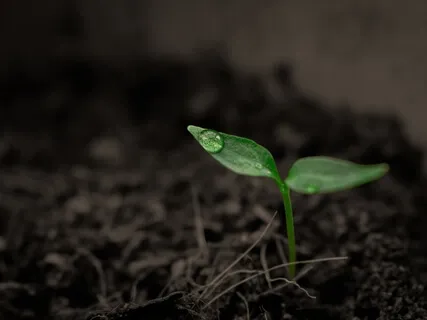
And just,
I think of it like a garden where these stories come in and I tend them and I read each one and hold it with love.
And it's not meant to be like you said,
Like something that's getting pushed out into the world.
It's really a holding place and it's like a conservatory in its way.
I love it.
And the stories.
Love,
Grave Growers,
If you'd like to visit Jessica Wade and all the amazing work and holding space that she's creating.
Jessica,
Thank you so much,
A,
For listening to the show,
B,
For dropping me a line about you and your story and C,
So,
So much for coming on coming back today.
This was just so absolutely cool.