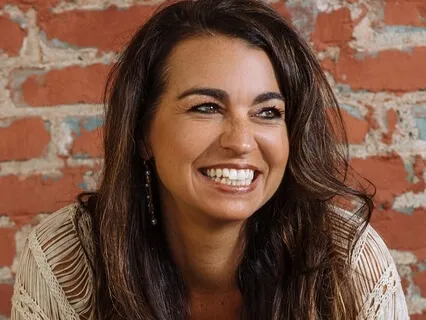
Welcome to the Adult Share Podcast with Michelle Chalfont,
A place to delve into who we are,
How we got that way,
And explore what it takes to be a healthy grownup.
With an extensive toolbox and guests with varied expertise,
Michelle will lead us on a journey to learn what it's like to live authentically and to love ourselves just the way we are.
And now,
Here's Michelle.
Hello,
Everybody.
Hello,
Hello.
Happy mid-January to everybody.
I hope everyone's having a wonderful beginning to their new year.
And I know we're all working on making some changes.
So many of us do that.
And one thing that so many of us work on,
Of course,
Is the weight loss or going to the gym.
It's all about health.
So check out my new favorite company.
It's called TakeCareOf.
Com.
This company is a monthly subscription vitamin service that delivers completely,
This is what I like,
Personalized vitamins and supplements right to your door.
Every 30 days,
You get these things.
It's fabulous.
You know how hard it is to figure out what supplements or vitamins that you need.
And the thing is,
Is we typically say,
Well,
My friend's taking this,
So I should take it too.
Wrong.
This company takes the guessing game out of it.
You've got a beautiful quiz right on their website.
It takes five minutes.
You input all of your information and it kicks out the coolest profile for you as far as what you need vitamin and supplement wise.
It's truly brilliant.
It's what sold me in this company.
I love it.
I've told so many people about it.
And when you get that profile,
It goes into each supplement and why you need it,
What is good about that supplement and that vitamin.
It's truly incredible.
So check them out.
And again,
If you're vegan or vegetarian,
They've got those options too.
We need a vitamin and supplement routine that is made just for us.
And that's what this company is all about.
So give them a try.
Take care of.
Com and remember to enter in promo code adult,
A-D-U-L-T and you get 25% off.
It's such a no brainer.
Give them a try.
So how's everybody doing with 2019 thus far?
So many of us want to make changes.
We don't know how to make changes or we set our sights way too high and then we sort of fizzle out.
When we live in our adult chair,
We bring consciousness in,
In order to create change.
That is what I find so many of us have problems with is we have these wild ideas and we're going to change this and this and this and that in our lives.
And then nothing gets really changed.
We don't create the change in our lives that we are seeking,
That we are wanting.
But today's guest is going to show us how to truly create change in our lives.
J-Pop is here and his curiosity about why some people get extraordinary outcomes and others do not helped fuel his work with Gary Keller to write the book,
The One Thing,
The surprisingly simple truth behind extraordinary results.
This book has sold over 1.
3 million copies worldwide.
It has garnered more than 400 appearances on national bestseller lists,
Including number one on the Wall Street Journal's hardcover business list.
And it has been translated into 30 different languages.
Jay has done his research on how we make these changes in our lives.
This book,
The One Thing,
It's already changing my life.
And I think you're going to love this interview because he's going to also share with all of us how to change our lives doing just one thing at a time.
So welcome Jay Pappasan.
I'm so happy to have you today on the Adult Share podcast.
Thank you so much for being with us.
Thanks for having me.
I'm excited to be here.
I love sharing this message.
Yeah.
And the timing is perfect.
With the new year and so many people want to make changes in their lives.
And I find,
I'm sure you hear the same thing,
That within usually a two week time period,
People have fallen off the resolution bandwagon and they're just done.
And they have forgotten that they were losing weight or incorporating meditation or whatever they're doing or working out.
It's done.
It's over.
And they're back to their kind of like what I would call the robotic unconscious routine that they have been doing the year before.
Do you find that?
Yes.
It's been a while since I've done the stats,
But the last time I looked was probably two years ago.
And they estimated that about 100 million people worldwide set New Year's resolutions and 88% of them will fail in the first month.
Wow.
88%.
Yep.
And that lighted up.
I think there's this growing body of research that when people go to Facebook and say,
Hey,
I'm going to start meditating or I'm going to join the gym,
I'm going to lose weight,
Whatever,
By announcing their goals,
A lot of times in these public venues,
They get so much adulation that they get the reward for having set the goal,
Not having done it.
And therefore,
They have no reason to actually follow through.
So it's a weird thing.
The whole regime we have around New Year's resolutions is fairly flawed.
I do like the idea of resetting.
January 1,
That 1-1,
1-9,
As in the case of this next one,
Is a great time to think about,
Let's hit the reset button.
A lot of other people are doing it,
But I guess we can probably go into a lot of it naturally.
There's a lot better ways to go about it so that you can actually get results and you don't look up two to four weeks later having fallen away and are going to fall short of your goals.
Right.
And this is where you come in because I've already started implementing because I've been walking around the house and I've been driving to work listening to the one thing,
Your book,
And I'm applying it already and I'm seeing changes just in the last month or so.
I'm like,
Gosh,
Everything's starting to change in my life because I have so many different things going on.
And I'm like,
Nope,
I'm just focusing on this one thing.
So I can't wait for you to share with us how we're going to change our lives applying this beautiful concept in your book.
So tell us first,
Jay,
What inspired you to even write this book?
How did this book even happen?
Well,
Sure.
So I co-authored it with a guy named Gary Keller.
Your listeners may or may not know he is the founder of Keller Williams Realty,
The largest real estate company in the world now with 190,
000 associates.
I started working with Gary over 18 years ago.
And back then,
The company had 27 employees and there were about 6,
700 agents in our system.
But he has since become a self-made billionaire.
So here's a guy I get to have as a wonderful mentor and writing partner,
Who's pretty serious accomplishments,
Right?
So he and I are working together.
We've written several books.
This is the last book we wrote,
And it came out five years ago this year.
And in 2007,
2008,
He and I were working on a course for Keller Williams.
And I was running at the university in charge of the education.
And I'd written a course with some of our writers about how to grow your business to a level where you could afford to hire your first full-time assistant.
That was a big milestone for people in our industry.
And Gary's like,
I love the course.
We'd walk through it.
He goes,
Take it home for the weekend.
I'd like to write an introduction.
I was like,
Great.
Awesome.
I was just happy he liked the course,
Because he's got pretty high standards.
Well,
Back on Monday,
He had emailed me about a 10 page essay,
10-14 pages somewhere in there called The Power of One.
And we met that afternoon after we'd all had a chance to read it.
And I just said,
Gary,
Been in the book business a long time,
And I think this is a book.
And he goes,
I thought the same thing.
And at the time,
He had embodied a few of the principles,
This idea of narrowing your focus to the absolute priority,
Making a stand around it,
Doing it first thing every day.
And at that time,
He was advocating spend as much as a half your workday on it.
And that's a long time,
By the way.
But yeah,
I know we're going to talk about that.
Go on.
And we'll go into that.
Yeah,
We need to.
That's not the first domino,
If we use the metaphor.
The four hours is down the line.
It's what you can achieve later,
Not where people start.
That was when he had built his career and his success on.
So it was very experiential.
This is how I did it,
You can too.
And we then said,
If this is a book,
Then we hired two researchers.
And between the two of us and Gary and I,
And we had a partner back then named Dave Jinx that worked with us,
We outlined the book,
And we spent four and a half years researching it.
But that was the genesis.
It was an idea that was from his personal experience.
We then took that,
Put it in the hands of two full time researchers and said,
Here's our hypothesis.
Find evidence for and against everything that we have here.
And then we'll decide what goes in the book.
And some of the ideas that were experiential might have just been true for Gary.
They didn't make it into the final book.
And there was a whole bunch of new stuff we discovered that we got to add.
So I love hearing that you've already been implementing it just from listening to it in your car.
Yeah.
Because that was the goal,
To simplify something a lot of us intuitively know,
Even if the world doesn't shout it from the rooftops,
We've experienced it at different times.
It's simple in principle.
It's a little hard sometimes to do,
But it's not complicated.
Right.
It's so true.
That's true.
It's simple in thought.
It can be a little bit more difficult to execute.
We've kind of made a stand in everything we write that people just can't live in complicated for very long.
And a lot of the systems,
Whether they be diets or exercise,
They're very complicated.
And that can be very attractive on the front end because they feel sophisticated.
Right?
And they're like,
Oh,
Wow,
Look how complex it is.
But it's very hard to execute.
So our goal with the research and the writing and all the time we spent on it was how can we simplify a few ideas that many of us have heard into a system that maybe people can implement?
It's not always going to be easy,
But it just can't be complicated.
Right.
And this is,
That's so true.
So true.
And what I love about this,
Jay,
Is that you can apply or anybody can apply your concept in this book,
The one thing to any part of their lives.
So you can go business,
Personal,
Spiritual,
Anything.
Correct?
Yes,
Absolutely correct,
Michelle.
And we wrote the book as a business book,
Very intentionally.
You know,
We're business people.
We had a business objective,
But the approach will work for health.
It'll work for your spiritual life.
It'll work for relationships.
It's a very simple approach that you can apply in different directions.
And the funny thing is,
So many of the initial people who implemented the book were athletes and health practitioners.
And all of the first letters and testimonials we got were about,
Oh,
I lost 77 pounds following your book.
And I turned to Gary and I said,
We went out,
Set out to write a business book and we ended up writing a diet fitness book by accident.
But I like that.
There's one page in the book.
I don't know where it is in your audio book,
But it's page 114.
It's the only page in the book I've actually memorized.
And it's the seven areas of your life where you can apply the book.
That's not the only areas,
But we spent days debating.
This is a big question.
It's a powerful question.
And we ask great questions,
You get better answers.
Where does this apply?
And it was a spiritual life,
Your physical health,
Your personal life,
Your job,
Your business,
Your finances,
And key relationships.
So we just kind of laid them out and tried to figure out the order.
And I love it.
I hear as often as not.
It might be an executive who implemented it,
Or it might just be someone who said,
You know,
I started walking my daughter to school every day and that has made all the difference.
Wow.
So something as small as that,
That people can implement in their lives and things start to change.
One of the,
Yes,
One of the themes,
And it's a little counterintuitive.
We want to think big,
Right?
We want to think big for our life,
But the way to get big isn't to go big and do a bunch of stuff.
It's actually to go small.
And what I love is in some of the research around habit formation,
And when people do implement just one change,
Like walking your daughter to school,
There's a halo effect around that.
Like what?
I want you to explain that,
But keep going.
I want you to talk.
Oh,
Yeah,
Yeah.
Definitely.
I'll give you the science behind it.
This was tangential to the habit formation,
But it was one of those little asides that we wrote into the book because it was so significant that when people formed a positive habit or stop the negative habit,
Right,
They decided to do meditation every day or they could stop smoking that became a halo effect.
They had fewer dirty dishes.
They started making their bed.
They started getting up earlier.
Wow.
And I believe they didn't tell why.
They just reported that it happened.
I think where most of us feel so busy,
Like we're being kind of swept in a very frothy stream if not a river of other people's priorities.
And just this idea that we can establish this little tiny beachhead of control.
Maybe it's just five minutes of meditating in the morning.
It's a very small window,
But we nail it.
And then we nail it the next day and over the weeks and then it becomes a habit.
That creates a kind of confidence to kind of do bigger grabs.
And we don't even always consciously doing it.
We just now are empowered.
And so we usually call that like the habit halo.
And it is real.
We see it again and again with our trainings that people say,
Wow,
I did this and all of this other stuff happened.
Wow.
I love it.
I'm surprised every time and delighted every time.
Wow.
Yeah,
Because if someone,
Let's just use that example again,
Whether they're walking their child to school or meditation,
You think of something and this is something that would resonate definitely with our listeners.
And we just came off of a 30 day journaling challenge,
By the way.
And most people did it.
And I sent out journaling prompts every single day for 30 days.
And there were hefty prompts,
Three or four sentences to give people a lot to think about.
Most people said that they did them every day.
But of course there were people that said,
I just couldn't keep up or I felt.
So it's like just journaling or something small.
We can make something like that or meditation a priority,
Which might take 15 minutes a day.
So you're saying based on your book and all of the research that you've done,
If we could focus on just that one thing,
There's almost like a ripple effect throughout the rest of our lives because we can make it into a habit.
What did you say?
It takes 60 days to create a habit in the brain?
The next time you do a journaling challenge,
Do it for 66 days because the research around it.
.
.
This is the chapter around discipline.
Research shows that it on average takes about 66 days to form a habit.
And it really depends on the person and the habit.
When we talked to the researchers,
They shared their actual table.
And one person formed a habit in as little as 18 days.
And some people took 254.
But the average was 66.
And I think most people.
.
.
I was taught for most of my life that it took 30 days to form a habit.
I've heard other people.
.
.
Yeah.
No,
I've heard the same exact thing.
Third,
I've heard the 21,
But I've heard 30 more than anything.
So 66,
I've never heard that,
But it makes sense.
You look up and that's two to three times longer than most people are giving their habits,
Which is one of the reasons they fail.
We documented it.
We came up with a master course,
An online course,
And we called it Time-Blocking Mastery.
And it was about forming your first habit.
Long story short,
People would get two or three weeks into it.
And it's still novel.
It still feels new.
They gotten past that initial challenge by the second or third week when it just wasn't completely fresh and they had to work a little bit.
People would declare victory.
And it was all we could do to keep them from tackling the next thing.
Success is sequential.
Yeah.
You form one habit.
You wait till it's absolutely done.
And then you can build on that.
It's called habit stacking.
And we look at someone who's tremendously successful.
And it looks like all of their life is like,
Wow,
They get up early and they drink a green smoothie and they meditate and they journal.
And they have great fitness habits and their kids are actually saying,
Yes,
Ma'am,
And yes,
Sir,
Whatever it is.
Right?
Yeah.
They come up with this laundry list.
They don't do all that stuff at once.
What they did is they made a stand around doing one thing.
And when that became a habit,
They added to it.
And the beautiful thing,
Like 66 days just feel like a long time sometimes.
Yeah.
But if you work for the habit,
The habit then works for you.
And I have teenagers.
I've got a 14 year old son and a 13 year old daughter.
And we have only just emerged.
And this is really more for one than the other from having to remind them to brush their teeth.
So this is like a decade of habit building.
Right?
Yes.
Did you brush your teeth?
Uh-huh.
Yeah.
Let me smell your breath.
Yeah,
I get that.
You're in this world of health.
There's very few things in life that actually provide more longevity to our lives than dental health.
Yeah.
It's one of the reasons we live so much longer than they did in the Middle Ages.
Right?
Yeah.
So it's a wonderful habit for parents to beat our children into submission.
Pardon the expression,
But like,
Do it.
You've got to do this.
Please.
It's disgusting.
I know.
I know.
I had the same problem with mine.
Yeah.
But today,
We're adults.
How much energy does it take for you to remember to stumble into the bathroom and grab the toothbrush?
Right.
None.
None.
Yeah.
So work with a habit and then you can build on it once it's formed.
And I love that principle.
I've been building and stacking habits for the last five and a half years,
Really for longer since we learned about this in the research.
And we've been doing it as a family.
And it's been huge for our family success as well.
I love that.
It's called habit stacking.
Is that what you said?
Yes.
I love that.
I'm going to have to start using that term because you're so right.
We all start,
Or so many people start something.
And then in a few weeks,
After it's new and fresh and exciting,
It fades away.
It's gone.
But here's the question I have for you,
Jay.
What do you say to a state home mom,
Let's say,
Who has four kids at home or three kids or two kids,
However many kids,
But has to drive them to soccer practice and swimming practice and all this stuff after school plus make dinner,
Plus maybe they want to start their own business.
And they're overwhelmed because they've got all this stuff to do and they want to prioritize and do their own business.
I have a feeling I know what you're going to say.
But I would like to hear from you on that.
How does someone like that get everything done?
Because so many of us,
We're overwhelmed with responsibilities.
And I like that you said that it is for a lot of other people.
So even like driving your kids,
It's outside of yourself taking care of other people.
But what do we do?
How do we focus on one thing?
Because you got to pick up the kids from school,
But you also want to work on your own business.
So what do we do?
Okay,
I love the question and I love the audience.
My wife,
God bless her,
She left the professional life for six years before she rejoined the workforce to start her business.
And she lived that.
And I remember for the first two years of her launching her real estate career,
She would only work from nine to two because she wanted to drop the kids off and pick them up.
And I supported that and it created a little bit of a governor on her business in the beginning.
But she also said no to a lot of the other things that people who had all day to do their jobs.
She was saying no to those other things like water cooler talk and catching up,
You know,
What to do this weekend,
She just come in and hit it.
And because she did a few things really consistently well,
In her first year,
She set out to make 15,
000 and she made 85.
Wow.
By her second year,
She sold over I want to say I've got it written down.
Let me reach it.
I don't want to lie.
I don't want to exaggerate,
Undo that.
I've actually got it written down.
So her first full year,
She made 85 and then her next year,
She made 101 and the next year,
She made 340.
Just from working part time,
Those morning hours from nine till two or three,
Whatever you said.
The first two years were part time.
By the third year,
Somewhere between the second and third year,
Because she was selling real estate,
We got an afternoon babysitter.
So two days a week,
Started with one day,
Then it was quickly two days,
Tuesdays and Thursdays.
This nanny,
I put it in quotes,
Because they did a few errands like to help with the groceries or whatever,
Would pick up the kids and hang out with them till when he got home.
But that allowed her to do afternoon appointments twice a week.
And so eventually,
She got to a place where we got help.
We had no grandparents,
No parents to help us in Austin.
We had two kids 16 months apart,
Which for those who.
.
.
I don't know what I can imagine.
I can't imagine.
No.
But two in diapers is tough.
And it was tough on both of us.
Definitely her is to stay at home.
But you juggle those things and you find a way and it's really by saying no to the stuff that doesn't matter.
And so much of this book is about asking what is essential and then focusing on those things first.
So she'd come into the office and for most businesses,
Are you lead generating for customers?
If you have customers,
You're getting paid.
If you're getting paid,
You can choose to spend that money or you can choose to invest it in systems that allow you to do more and less time.
Or you can invest that in a part-time assistant and other help.
And a lot of people,
In my experience,
As their income grows,
Sometimes before their income grows,
That money is spent on lifestyle.
But I think a great discipline for any entrepreneur is to reinvest that money,
Freeze their lifestyle,
And then buy back their time.
You buy back your time in the office where it's very acceptable to get an assistant for most people,
Even a virtual assistant if they don't want to have a full time.
Get an hourly cost.
It's a variable expense.
Where I see a lot of working parents hesitate is to get help at home.
Is it wrong for them to get a maid?
I remember feeling a lot of resistance to get someone to mow our yard.
And Wendy tells this story better than me,
But we were trying to be environmentally correct.
We had a really small house.
And then when we had our first child,
We moved into a slightly larger house,
But it had a big yard and I had an electric lawnmower.
Oh my gosh.
And it's Texas.
Triple digit heat.
Yeah,
I was thinking that.
I'd go out there with an extension cord and an electric mower and it would take me like three hours to mow the yard.
And then I would be so exhausted from the heat,
I'd fall asleep for two hours.
And she's like,
This is not worth it.
This is your only day that you get two weekends days a week to actually be home with the kids.
And you're losing almost all of one of them to doing this stupid thing.
We're going to pay someone.
And there's this weird competition from the mom factor is huge.
Like who can make the coolest cupcakes and dress their kids up?
And you just have to ask the question,
Do those people's opinions matter?
If you decide they don't,
I don't think that means you're a bad parent.
I don't think it at all.
You just make different choices and you live with them.
Our kids,
We were buying investment properties and we literally would make,
When we're rehabbing a home,
We'd make a safe room for our kids to play in with no nails.
Right?
And we'd do like string of netting across it.
And we'd have to be near them or watching them while the other one did something.
And I remember us asking the question,
Are we bad parents?
Well guess what?
Our kids think it's totally normal that people own multiple homes.
They think that's normal.
Not renting.
So yeah,
Was it ideal?
Would it have been better to be on a safe playground?
Yeah,
But they were also learning lessons and we were still giving them attention.
So I just think you can make different choices.
Say no to some of the stuff that's maybe expected,
But for the wrong reasons and say yes to yourself.
I think that is such a great point that people don't say no well,
Either whether it be to themselves or to others.
And I remember many years ago when I made the decision with my business,
So I have a therapy and coaching practice.
I have a podcast.
I wrote a book.
I do or I write guided meditations.
I'm starting a membership group.
I've got online courses coming out.
When I tell you I have no free time,
I have no free time.
Seven days a week I'm doing things.
And a few years ago,
When I made the decision to and I think I might have been doing the one thing and I wasn't even sure that I was doing it.
I didn't know back then,
But I see it as I look back.
I'm like,
I focused because I love what I do.
I love helping people.
And I would sit in daydream about how can I help people the best.
So what I had to start saying no to was were things like going out to lunch with a friend in the middle of the weekdays.
So I'd say,
I'm so sorry,
You know,
People say to me,
Hey,
Do you want to go and grab lunch?
I'm like,
No,
Because it takes me 20 to 30 minutes to get there.
Then we're going to sit and talk for an hour and an hour and a half.
And then I got to drive back to my office.
That's like three hours gone.
And I would say no.
And people would get mad at me and I'd say no,
Because I'm so focused on what I'm doing because I really want to get all this stuff done for everyone that is following me,
For people that love my stuff.
I just want to keep cranking this stuff out and I can't if I'm at lunch two days a week.
So I just started saying to people,
I'm done going to lunch during the weekdays.
I just don't do it.
I don't do breakfast.
I don't do coffees.
I just don't do it.
And it's a hard choice that I had to make way back when.
Now it's easy.
And people know,
Don't invite me for lunch because I'll always say no.
But I think that that's probably what you're talking about.
Just saying no and then saying yes to the right things.
And I had that same thing.
I'm like,
I can't do all this by myself.
I cannot.
So I hired an assistant many years ago,
Like six or seven years ago,
Very part time.
And then I got my first virtual assistant like two or three years ago.
Oh my God,
She's a godsend.
And then I had to hire another person and another.
But I think that what we have to do is focus on what we are great at,
But let other people when we can afford it to do the rest.
And if that means putting your kid in a carpool and you can't drive them to and from school,
Then do it.
But we have to learn how to put ourselves first and prioritize what do we want in our lives and then find the one thing that's going to be the game changer.
If I'm understanding your whole theory correctly,
Wouldn't you say that is what we have to do?
Because that's what I'm hearing.
Even with my business right now,
I'm in the middle of this giant launch.
All of these things are happening.
And when I tell you and that stupid cell phone of ours,
It's like the cell phone blings.
I've got Slack,
I've got text,
I've got teamwork,
I've got all these things are lighting up on my phone constantly.
I've got emails,
I've got all these things I have to check.
I've got assistants calling me and it's like,
I put my phone away and I go,
Okay,
What's the one thing that I need to focus on right now for the next 30 minutes?
But here's what I'm curious about.
So someone like me that has all of these different things going on,
And I think anyone that is hearing this can plug their own things into their life.
So for me,
Again,
I've got to record podcasts,
I've got to create meditations,
I've got to do this,
I've got to do that.
I can't prioritize just one.
So instead of doing like a podcast for four hours a day,
I might say,
Would you say to apply that theory to my life,
It's about taking four or five hours a day and just focusing on my business in general?
Because I can't break each thing down for four or five hours.
Maybe I could,
I don't know.
How would I apply that to my life?
Because I think most people can,
Again,
Plug whatever they're doing into what I'm doing,
Into so many things throughout the day that they have to get done.
All right,
I'm going to validate everything you said before that first.
Yes,
Everything you said before,
I agree with everything.
If you want what other people have that you don't,
You often have to do what other people are unwilling to do.
It's just one of those things.
Sometimes you look up and someone says,
Jay,
How do you read so many books?
Well,
I don't watch as much TV as you do.
I interviewed a guy who reads a book almost every day of his life.
And I was like,
I was incredulous.
I read it about a year.
And he goes,
Yeah,
But I have a book with me everywhere.
When you're looking through a magazine in the doctor's room,
I'm reading a book.
When you're on Instagram waiting in line for the movie,
I'm reading a book.
I fill all of those small gaps of time with my number one priority.
And it adds up to more time than most people are willing to give.
It's not like I'm sitting in a room for eight hours straight.
I'm just always doing it.
And all those little moments that we fill with idle things that we're saying yes to,
We're actually saying no to our bigger priorities when we get distracted by those little things.
And there's so many things that we say we have to do,
Like pick up the kids.
I want to highlight,
Start a carpool.
Right?
Right.
Exactly.
And we do them on Wednesday and then I'll do Thursday if you'll do Friday.
And when we had really small kids,
We would trade play dates.
Having three kids in the house is sometimes easier than having one.
That was my same theory,
Jay.
And I looked at other friends of mine.
I'm like,
What are you doing?
Like in preschool,
I'd have four kids over,
Then this other mom would have the four kids on Wednesday and the other mom would have the other kids and we'd rotate.
It was fabulous.
And you have to make hay while the sun shines.
So while they're at the other person's house,
Instead of getting a glass of wine and taking a nap on the couch,
Which is what you want to do,
Of course,
You have to hit it hard on what you're focused on.
So your big thing is you have all of these priorities.
Did you start the podcast and the membership and the author of the book and all of those things at the same time?
No.
No,
You were already doing the podcast.
So you already had a rhythm around that.
I did.
It's true.
And the trick,
Consciously,
Is you're adding the next layer.
Okay.
True.
And the trick is don't do too many at once.
Ideally,
Just add one new layer.
Hey,
I've already got these things working.
Now I'm going to add this new thing,
The membership.
And if I was giving you.
.
.
You've got some virtual assistants,
So it sounds like you're delegating a lot of the 80% tasks,
The stuff that's trivial or less important or repetitive,
So that you can focus on the skill tasks.
I don't think entrepreneurs should just do what they love.
They need to do what's most important.
And over time,
You may decide that you love those or because of the fact that you did it,
You'll have earned the right to pay someone else to do them.
Yes.
But if you don't do the important things,
Your business won't grow.
So yeah,
So you focus on those things and you add them slowly.
If you look up and say,
I'm modeling Dave Ramsey's,
On to leadership empire,
He's got his membership and he's got his coaching and he's got blah,
Blah,
Blah,
Blah,
Great.
But where did he start?
Well,
He wrote a book.
Great.
And then what did he do?
He wrote a podcast.
Great.
So write a book,
Support the book until that book is doing awesome,
And then start a podcast and support the podcast so that podcast is right.
And people think,
Well,
That'll take forever.
It doesn't take that long.
And while you're doing just the second thing on top of the first thing,
It's going to be crazy for a while.
But if you try to do three or four,
Most people can do it for a short sprint,
Then they break down,
Get sick,
Get frustrated and then quit and say it was never possible.
And then they're saying no to bigger things that are more important.
So you probably have intuitively fallen into the right path of adding one thing at the time,
Mastering it or getting close enough before you add the next.
Or you've learned through experience that when you add too many,
It falls apart and so you're just going a little slower than some people do.
But that's how it works.
And if you're patient,
I saw a guy,
I think it was Dave Ramsey,
Now that I think of it,
He was saying he had interviewed a billionaire who I think was Warren Buffett,
Asked him what his favorite book was.
And he said,
You know,
There's that old story,
The tortoise and the hare.
It's always my favorite because it always surprises me.
Every time I read it,
I think,
Well,
The hare should win,
But the tortoise does.
And so much of the principles of this book are about making,
Knocking over that smallest domino.
Just doing that little thing every day adds up over a lifetime,
Over a career to not just a little bit,
But like a geometrically larger outcome than people who just dive in and work really hard for the day.
Doing a little bit on a daily basis,
But being consistent really does pay off.
Now in all of your research,
Did you find that there was a minimum time period that we need to be focusing on this one task in order,
Again,
To move forward to make things change in our lives?
There's an optimal,
There's not a minimum.
So when I look at people starting.
I say the smallest domino.
Right.
So you.
.
.
Let's just go back to lead generation.
You're trying to build your business.
And job number one is always to have customers.
You can be the best therapist in the world,
Michelle,
But if you don't have customers,
Who's going to know?
Right.
True.
And if you spend all your time getting your first customer and then all your time servicing them,
When that person quits you,
You're right back to square one.
So the people who grow huge businesses and hire other therapists to treat to their method are the ones that never take their foot off the gas.
They're always lead generating.
And that is the main thing for almost every business I've ever looked at.
And if you could do that four hours a day,
Awesome.
You would be so far ahead of the rest of the world.
The reality is most people are going to have to start small.
And it might be,
Can you do 20 minutes a day?
Can you do 10 minutes a day?
Find something that you can build momentum with until it becomes a habit.
And then here's the reality.
If you start doing it for 10 minutes and you're finding success and someone says,
Yes,
Probably going to keep doing it.
There's a guy named BJ Fogg.
He taught 10,
000 people to floss their teeth.
My mom was a dental hygienist and it took me a long time to build that habit.
It's not as easy as even brushing your teeth.
It's a different one,
But it's a huge one,
Health-wise.
Whole formula was after I brush my teeth,
I will floss one tooth.
One tooth.
Oh,
I like that.
And it's that first domino because reality is when you start,
You can declare victory and say,
I did it.
I'll do the next tooth tomorrow.
And that's fine.
It gave you a minimum level of success to build on,
But most people went ahead and did all of it.
And over time,
They really grew to do all of it.
So you can start with a smaller block of time and then build on it.
You're just trying to build that habit and then build on the habit.
That's just the formula again and again and again.
It's not complicated.
It just is not super easy to implement.
So then this is how someone would change a habit again,
Whether it be weight loss or fitness like starting to go to the gym.
You would say,
Just get up every morning.
And I like how you say,
Do it first thing in the morning.
So if you're implementing fitness or meditation,
Get up and just do it and then it's done.
Correct?
Yes.
A lot of science behind it that we don't have to go into.
But basically,
Your brain has a better ability to say yes early in the morning.
There's fewer distractions.
I know that there was some research I read that people who are millionaires tended to get up a minimum of three hours before they went to work.
It's because they had a lot of stuff to do.
And they understand that those hours before you actually show up at the office are precious.
And nobody's calling you.
Nobody's texting you.
There's nothing good on TV.
There's a lot fewer distractions.
It feels really weird to get up at 5am and stream Netflix.
That's what you do before you go to bed.
So you actually get up and really productive things while you have the energy to say yes.
And that is a big part of it is launch your day with those big priorities.
And then the rest of the day kind of takes care of itself.
Have a great day before noon is how Gary says it.
I love that.
I thought I did that because I love that.
I love to get up at five or six in the morning.
And then I've got three hours,
Sometimes four,
It depends on my first client,
Whenever my first client is and I knock work out.
I knock writing content out or recording a podcast or whatever it is.
And then I go see clients.
So I love that.
But I thought it was because I was a morning person.
So you're saying everybody is more productive in the morning?
Because a lot of people would say,
Well,
I'm not a morning person.
I'm a night owl.
I need to start doing work at seven o'clock at night,
Which I don't comprehend.
I'm in bed by 930.
But what do you think?
There's definitely a phenomenon of owls and larks,
Right?
The idea that you're a morning person or a night person.
Whatever morning is to you.
Let's say I worked the night shift on FedEx and morning to me,
It starts at 11am.
That's morning.
Right.
So it's after you wake up those early hours.
I would tell you ideally that happens before 8am because the rest of the world isn't up then and there's a lot fewer people that are going to be distracting you.
But morning is morning.
That's relative to who you are and when you get up.
But that is when we tend to have the most willpower.
We tend to have the least at the end of the day.
We've drawn down energy to say yes.
It's a physiological fact.
It's not true in 100% of the cases but in almost all of them.
If you're saying yes to something that maybe you don't want to,
I can measure your blood sugar before and after and it will have dropped.
And there's a limited supply.
It's actually quite fragile.
So doing it while you have that supply,
Which happens while we sleep,
Our bodies store all of that energy.
So people even who are.
.
.
It just happens,
Right?
You wake up,
You tend to have more ability to say yes.
So that's morning time for me.
But I'll tell you a trick.
So if you are a night owl and you're listening to this,
I learned this from Gretchen Rubin.
If you've read The Happiness Project or Better Than Before,
She's a fabulous writer and writes about habits,
Love her to death.
I was interviewing her on habits because she wrote a book about it too.
And she said her favorite trick hack for waking up earlier was when we fall back,
Which unfortunately we just did,
Right?
Instead of sleeping in for an extra hour,
Keep getting up at the same time.
Oh,
I love that.
So zero sleep deprivation.
There's a lot of documented proof around daylight savings and it's actually kind of harmful.
This annual two times a year readjustment to our sleep pattern.
Oh,
I can't stand it.
So keep the same sleep pattern.
That's a great idea.
And most of the research I've read says if you are consistent about when you get up,
When you go to bed doesn't matter.
So I'm very consistent about waking up.
And because of that,
I can stay up late on a Friday night if there was a big to do.
Great.
That's awesome.
I can do that.
But the next night I'm going to bed early,
Right?
Because I'm almost 50 and I'm not going to cheat for more than a day or I'm going to get sick.
It doesn't mean you don't ever get to stay up late anymore.
It just means that you'll pay a price,
You'll be sleepy the next day because you're going to get up.
But those are some habits I've formed.
Now you said something earlier and I just want to highlight it because January,
Back to this idea that this is probably going to be airing sometime when people are setting those resolutions,
One of the number one resolutions that I hear is about getting in shape.
Hey,
I want to look great for bathing suit season or some variation on that.
And what they don't realize is that they've actually bundled up about 20 habits into one statement.
Getting in shape actually looks like I'm actually going to start eating differently,
Which means I have to start shopping differently.
Eating different size portions of different kinds of food would I have to prepare differently.
Not the diet part and shop differently.
It might be six habits.
And then you add it and I'm going to go to the gym because I got a gym membership.
Well guess what?
You've now got to figure out when you're going to do that,
Which might require you to get up earlier or leave work earlier.
It actually ends up being three or four and pack a bag every day so you can go to the gym.
That itself could be five habits.
And they wonder why it all falls apart.
It's because they're actually juggling about seven or eight behavior changes at once.
So I usually tell people if you have a goal of losing weight or getting in better shape,
Try to distill it down into just a really refined thing.
I remember when I started my diet.
I did that for a while before my back surgery.
In 2011,
I was working with a trainer once a month because I couldn't afford it.
And I was actually trading that time.
I was coaching her on marketing and she was coaching me on my health.
She goes,
Jay,
Why don't you start by eating on smaller plates?
Don't worry about what the food is.
But instead of getting a dinner plate,
Eat everything off salad plates.
I was like,
Really?
She goes,
Yep.
Let's try that.
Guess what?
I started losing weight.
Wow.
Because what you do is you fill up your plate.
And by the time I got up to fill it up a second time,
Filling up that salad plate twice might still not be as much as I would pile on to that big dinner plate.
And then over time,
I started doing things like.
.
.
She's like,
Well,
All right,
Now that you're eating on smaller plates,
You feel like that's kind of done?
Yeah.
We don't even bring the other plates out anymore.
Great.
Well,
I want you to start drinking.
If you weigh 200 pounds,
I want you to drink 100 ounces of water a day.
That was her formula.
Whatever you weigh,
Divide that in two.
If you weigh 160 pounds,
Drink 80 ounces of water a day.
And by the way,
That's hard to do.
I had to line up water bottles in my office and remember to drink them.
But guess what?
If you're dehydrated,
You burn calories better.
So I was eating less food because I was portion control just by eating on smaller plates.
And by drinking water,
I was processing that food better.
Then guess what she did?
And she didn't have to research.
She'd just been doing it for a lifetime.
She was a nutritionist,
A trainer.
She got it.
She goes,
Now I want you to start going to bed and sleeping better.
Because guess what?
When we're sleep deprived,
The hormones that tell us we're hungry get turned on.
Yes.
And the ones that tell us we're full get turned off.
Which is one of the reasons,
And I always associate this with my college days when you were hungover,
You had the horrible.
.
.
You crave really bad fatty foods.
Yes.
Because all of that hormonal imbalance was just.
.
.
Those enzymes were way off.
But when you've got great amount of sleep,
Those things are imbalanced.
So you tend to eat better.
So it's like a lot of times people have an eating problem.
It's actually a sleep problem.
So you can break it down into little steps.
And if you're patient,
Work on one and then add the next and then add the next.
Because that's jumping into the deep end of the pool before you learn how to swim.
So I have a question about what you just said.
Because I loved how you broke that down.
Because I never thought about even just weight loss,
Let's say,
As going to the grocery store,
Shopping for different things,
Making differently.
.
.
I loved how you broke that down.
But my question for you is,
Did you practice each step,
Let's say for weight loss,
For 66 days before you added in,
Let's say,
The water?
When you added in the fitness and going to the gym?
So you didn't wait 66 days?
I didn't.
Because in reality,
That happened before I knew that research.
Okay,
Gotcha.
But what I was doing,
Which is a variation of what I coach now.
.
.
Because I tell people,
Now that we know 66 days,
It's just as dangerous as 21 or 30.
Because the real research,
If you look at it underlying,
It could be 18 to 254.
It's just 66 on average.
When I'm giving training speeches,
I might ask the question very facetiously.
It takes some while to get it.
So if I asked you what's the average temperature in the United States right now,
Who could tell me?
And invariably,
People will start breaking out their phones and trying to Google it.
And before they get to the answer,
I'll be like,
Who cares?
I had the dress for Austin,
Texas today.
Or we're in Seattle.
We had the dress for Seattle today.
That's the only temperature that matters.
So average can be also.
.
.
It's instructive,
But it can be dangerous.
So I usually tell people,
If you're trying to get up early or whatever that habit is,
To get up early is one that I get a lot because people see the benefits that they can do other things.
So start by just waking up early and have no agenda.
I said,
When you start waking up before the alarm goes off,
You'll know the habit set.
I don't know about you.
I was not a morning person until we had small kids and I was the person who had to get up and bottle feed them.
They trained me to wake up early and I just kept the habit.
And now I generally wake up before the alarm goes off.
When that even happens once or twice,
Your body's been trained.
Go work on the next thing.
And when you're reaching into the cabinet and instead of grabbing the big plate and going,
Oh yeah,
Let me get the other plate.
When you're just grabbing the small plates every time,
Maybe it's time to add the next one.
It doesn't have to be 66 days.
Great.
It might take longer,
Especially if it's something like quitting smoking.
I can guarantee you it's going to be longer than 66 days.
I don't know.
When I smoked after college,
I quit in one day,
But that's my kind of personality.
Everyone dared me to quit and I was like,
Fine,
I'm done.
Yeah.
You never attempted again?
Nope.
You weren't.
No,
I have that.
I can be black and white.
I'm not normal.
So don't anyone listen to me.
But no,
I'm like,
Oh,
I'm done.
That's dangerous.
I know I can be very extreme like that,
Which is good sometimes.
In that case,
It's good,
But not all the time.
Sometimes we say yes and no differently.
So I'm going to validate what you said.
I was a little skeptical and I apologize.
It's true.
I know.
And you said the truth.
It's probably not true for everyone.
It's true for you.
I will say that.
Yes.
When I got married to my wife,
When I said yes to her,
I technically said I do.
I knew that that yes was different than other yeses.
That yes was actually no to all the other women.
And when I finally,
The third or fourth time said no to cigarettes,
I also knew when I said it,
That it felt very different.
It was still a struggle for me and I fell off the wagon a couple times when I was at a bachelor party or in Vegas or whatever.
And I would regret it horribly the next morning.
Oh,
God,
I can't believe I smoked a cigarette.
But I fundamentally was done.
Yeah.
I never had to have it again.
And sometimes the quality of our decision is very different and we're aware of it.
And that's one of the things if you start following the one thing,
You become aware of I'm saying yes because I have to or it's expected.
And then there's the I'm saying yes because I'm truly committed to this.
And that's a very different kind of commitment.
So if somebody wants to change it,
Because I feel like I really do because I'm already seeing it just in applying it again.
You know what?
And I think I might have been applying it in the past for sure.
You know,
Like when I was not when I was saying no to lunches.
But now I'm consciously applying the one thing every single day to my life.
So how is it change is changing my life.
So I know there is power in your concept here for sure.
No doubt about it.
So if someone is listening to this and they have not read your book and they're not applying it and they want to change something in their life or many things in their lives and they're writing out New Year's resolutions like in 2000 whatever year it is,
2019 if they're hearing this,
This is what I want to change.
Our New Year's resolutions.
I feel like we need to change that title.
Like I don't even like that anymore.
2019 goals.
Is it even worthwhile to put more than one goal down?
Like what do you say to someone that really wants to change some things in their in their life?
But you know,
When they write down 20 things to change,
That's not going to happen.
So what do you recommend for people to do today when they listen to this show?
How can they change their life?
What do they need to do?
So a lot of times when we talk about resolutions,
They're very different from goals.
Resolutions usually are about new behaviors,
Right?
We know that.
That's why we kind of give it that name.
I'm going to change my behavior.
They're going to call it a New Year's resolution.
Right.
Goals,
Right?
A lot of times they're in line with things that we're already doing.
You know,
You've got a membership group.
I want to grow my membership group from 50 to 100 or from 500 to 1000.
So it's amplifying a lot of times what we're already doing.
I want to go from saving $100 a month to $1000 a month.
I think that one of the key.
.
.
You can have multiple goals.
The truth is,
If you're doing behavior change,
You're probably going to have to do one behavior at a time.
So I just want to address like.
.
.
Because New Year's resolution is probably very appropriate.
You've got your goals.
Hopefully a lot of them are amplifying or doubling down on things that you already do.
If you're going to do a lot of behavior change,
Try to do it one thing at a time.
And those resolutions,
Don't write them down as outcomes.
I want to reduce stress.
Turn your goal statement from a result into an activity.
I am going to meditate for 10 minutes a day to reduce my stress.
So whatever it is that you want to have happen,
Turn it from an outcome,
500 new members,
To an activity.
I am going to post three new podcasts a week to an audience of whatever.
It becomes an activity because activities are things that we can time block and do.
Time blocking is really magical when we talk about setting intentions.
Just the act of saying,
Hey,
I'm going to meditate for five minutes a day,
Starting at 8am every day.
And I put that on my calendar and the little thing vibrates in my pocket when it's time to do it.
Whatever you do your calendaring,
Your results just by stating your intention and navigating when you're going to do it goes from about 33 to 35% likely to do it to over 90%.
You know,
It's funny as you're saying this,
I like how you're flipping it around.
As I listen to you,
I feel like I go from almost like this feeling of and I'm not grasping the right word,
But something like,
Hopefully I'll get that done.
But then when you flipped it around,
It felt like an action statement and it made me feel empowered.
And I was like,
Of course I can do that.
And that's the action step that I love.
I like how you flip that.
You do coaching,
Correct?
Yeah.
Okay.
So think of it like a coach.
If someone writes down a goal,
Say,
Great.
Well,
How will I know you've done it?
Right.
Right.
And a lot of times our outcome statements are written where there's any measure,
Right?
It's not measurable.
It's not time sensitive.
It's not an activity,
Right?
I will reduce stress.
Well,
How will I know that?
Well,
My blood pressure will average.
That's great.
But now we're getting somewhere very specific.
Can we make it an activity?
Yeah.
You are grounding it.
You're grounding it in.
It goes from like out in the ethers,
I hope this happens someday to like,
This is what I'm going to do to make sure that happens.
I agree.
And that's,
You nailed it.
And I do think that when we change our language to committing to activities,
The outcomes follow.
Yeah.
You can't control outcomes.
I mean,
And diets are notorious.
Everybody's body is different.
Right.
Maybe I'm going to be great at going on a keto diet and my body will quickly transition to using fat for energy and it'll just fall off my body.
Or maybe I'll get a massive headache and be sick for six days and can't do it.
Our bodies are a little finicky and one diet is not a recipe for everyone.
And just because you and I do the exact same things,
Maybe I'll lose five pounds and you'll lose 10.
Right.
Right.
So we can't control outcomes.
What we can control and coach to is activities.
And so my encouragement for people is narrow it down to one activity and make a stand around it.
Treat it like that thing that no matter come hell or high water every day,
You're going to make progress on that thing.
And when people do that,
That's when the big results follow.
That's amazing.
Jay,
This is really,
Really good stuff.
I can sit and listen to you for like.
.
.
If you can tell,
I love talking about this stuff.
And I love listening to you because I mean,
This is powerful.
I hope everyone that is listening right now,
They go and get your book.
The one thing,
The surprisingly simple truth behind extraordinary results.
It is phenomenal.
And I love how you said that it's simple.
It's really,
Really simple.
But we have to line up and take action.
And what you just said,
It just,
I don't know.
I love it,
Jay.
It's so good.
Thank you.
Thank you.
I love it.
Oh my God.
Okay.
The authors spend a lot of time,
As you know,
And very dark corners of the world writing in private.
And it's very gratifying to hear that it works for people.
Yeah.
Oh my God,
It does.
So hopefully your listeners,
Your coach will benefit.
And that will make both me and Gary very,
Very happy people because that's why we do it.
Yes.
Oh,
For sure.
For sure.
So Jay,
We have to end and I don't want to,
But can you let anyone that is listening to this or everyone that is listening to this know,
Like where can they find you?
Where can they find out more about you?
The best place to find out all things about me is going to be at the one thing.
Com with the number one.
We've got tons of free resources since we talked about it.
We have a free download.
It's a 66 day calendar and you can just put it up by your desk and every day that you do your thing,
Put an X through it.
There's a lot of research that shows that simple act of marking it down can create this rhythm of momentum and encourage you to finish.
A lot of people have done that.
It's a 66 day challenge and my name,
Jay Papasan,
If you can't find me or link to me on the site,
Just Google me.
I think there's only one in the United States.
So you're going to find my Facebook and my Instagram and my LinkedIn and I respond to those messages personally.
I batch those things that are not my 20% big rock one things,
But at least once a week I'll drop into those mailboxes and I'll try to personally reply if people have a question.
Oh,
Great.
Awesome.
Well,
Thank you.
Thank you.
Thank you.
Thank you Jay on the adult chair.
Gosh,
Jay,
I still have a list.
I'm looking down at my list going,
I didn't talk to you about this and that and the other thing.
We may have to have you on again for like a part two,
Maybe in middle 2019.
After people listen to this,
If people have questions,
We'll come back and do it again.
Yeah.
I'm thinking of like maybe even like a Facebook live stream in our membership group or something if anyone has any questions,
Then you could get on and just answer because this was really good stuff.
So,
Jay.
Well,
Let's make it.
We'll get out our calendars and we'll time block it and then it'll happen.
You see,
It will happen.
For sure it'll be our one thing.
So,
Jay,
Thank you again for being on the adult chair today and yeah,
We will be in touch about doing something in the future.
We really appreciate you being on.
Thank you so much.
I appreciate you.
Was that a great show or was that a great show?
I loved this interview with Jay.
He really has done his research on this and I'm telling you,
Since I listened to this book,
I listened to this book on Audible just a few months ago and then I had,
Of course,
This chance to interview him and really get more of the nuts and bolts on how this whole thing works and I have been just applying one thing at a time and it works.
I love his comment about habit stacking.
It's beautiful.
So I'd love to hear how you liked this episode.
So please,
Of course,
Hit me up on social media,
Instagram,
Michelle.
Chalfant.
I love to hear how you like the show and you can hit me up on Facebook too,
Any of my social media,
But let me know how did you like the show and also what is the one thing that you're going to incorporate into your life in order to make your life better or in order to help you to live more authentically?
What is your one thing?
I would love to hear about it.
And of course,
Tag Jay Papasan and let him know.
So I hope that you really enjoyed this podcast.
I sure did.
And I look forward to seeing you next week seated firmly right here in the adult chair.