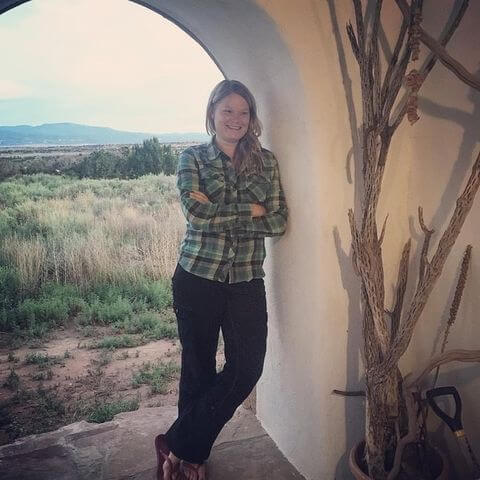
Hey everyone and welcome back to the podcast and my interview today with Karen Dwyer Tesoriero.
Now,
There are times on this podcast when I interview people and yes,
They have to appear on the show and tell a story that is magical or miraculous.
But then through the course of the conversation,
I begin to understand,
Talking with them,
That in fact,
A big part of their lives has involved bringing magic bringing healing,
Bringing miracles to others.
And that's exactly what happened in my conversation with Karen.
Yes,
We have a great talk about who Karen is,
The work she's done,
But honestly,
It's the way Karen shows up in the world today and in the past,
Being of service for others as a psychotherapist based in New York City who worked for a very long time in the NYPD Now,
That work that she did did wear her down and did cause problems in her life.
But it was the years that she engaged in helping keep families together and helping people who are struggling to survive and thrive.
Well,
We need about a million more of her in the world,
I can tell you that.
Probably even more at this point.
But I can't wait for you to meet Karen because she's just unapologetically her funny,
Honest,
And with an incredibly generous spirit.
So here we go.
The very next episode of the podcast starts now.
The stories,
I still tell the stories.
I tell the stories about taking babies to go visit their parents in jails.
I still tell stories about the fact of like,
You know,
We had this incident this time and the cops were involved and like.
.
.
You never knew from one day to another what you were going to experience.
You never knew from one minute to a minute when you were going to get the call that a child needed to be moved from one home to another.
If you were to introduce yourself to a group of people,
If you were to describe who you are,
How would you do that?
Oh,
There's so much in that.
So,
Initially,
My first thought is professionally.
I'm a psychotherapist.
I've been in the field for 30 years.
I am trained in so many different modalities related to trauma,
And I'm very passionate about the work that I do.
So that would be the first thing on my head,
But I'm a single mom.
I also think of myself as a small business owner because of my practice and my life coaching businesses.
So I'm constantly thinking in those ways.
I am an avid outdoor person.
I love going out on hikes and walks and being in nature,
Being at the beach.
Enjoy my family and friends more than anything.
Anytime anyone asks me,
What are you doing this weekend?
It's my kids,
And it's my partner,
It's our family,
It's our friends,
That's what I do.
Amazing.
Amazing.
Now I do want to ask you this question.
When you were a kid,
What did you dream of becoming?
A pediatrician.
I wanted to be a pediatrician and then seventh grade science squashed all that.
Like a really low grade.
I was like,
If I can't get a seventh grade science without an A,
I need to find something else that I could do with,
I knew I wanted to work with kids.
So that was the first thing I wanted to work with kids.
That's why I thought pediatrician.
I flirted with the idea of teacher,
But that was not going to be a good fit for me.
And eventually I wound up in therapy when I was 17 years old.
And when I was in college,
And thinking about college,
What kept coming to me,
My therapist's name was Michelle.
And I was like,
I want to do what Michelle does.
Like,
I could do that.
I could sit and listen to people all day and help them with things that are going on for them.
Like,
I think I want to do that.
And in college,
I floundered around.
I went business major.
I went education major.
I thought about that.
And eventually,
I just kept coming back to,
I want to be with people.
I want to do something.
And it just kept coming back to me.
Michelle does.
I could do what Michelle does.
And I actually at one point had a lawyer who I was working for that offered to pay for me to go to law school.
And I turned that down to be a therapist.
So I had a couple of different paths ahead of me,
But it's the people.
I just love working with people.
I'm a person who will watch on TV anything from the Real Housewives and all that comes with that to Alaska Bush people.
I watch everything about people's lifestyles.
It just intrigues me.
So I'm very naturally curious about people.
I love that.
That's amazing.
I am too,
Which is why I'm doing this podcast.
You know,
In the past,
I've said to myself,
I would love to hear a story from every single person on the planet,
But you know,
Five years later,
I've interviewed 350 people.
So needless to say,
It's a slower process than I anticipated.
But you're on your way.
And when I tell people all the time,
Sometimes it just starts with a,
Hey,
How are you today?
To a stranger on the street.
Uh,
We went,
Uh,
My partner and I were on a trip one time to Washington,
DC and our because it was a business hotel,
So people stayed there for long stays.
And we had a kitchen there,
And we were like,
Oh,
Let's cook a romantic dinner.
So we went to the local supermarket.
As we were checking out,
With my Brooklyn accent,
I turned around to the cashier,
And I was like,
Hey,
How are you today?
It was just off the cuff.
We were there for 45 minutes.
The cashier winds up giving us,
Like,
The store card so we could get those discounts.
Then he winds up giving us,
Like,
His employee discount,
And,
Like,
He was punching me in the face.
We walked out,
And my partner looks at me.
He's like,
How did you make that happen?
I'm like,
I don't know.
I said hi.
That's all I said was hi.
And this person was,
You know,
Really just engaging.
And they turned out to be from New York,
Too.
So we had,
Like,
A bonding thing happen in there.
It's just being curious about people.
I love being curious about people.
I love hearing people's stories.
Well,
And I'm sure the cashier could feel your authenticity,
You know,
That you actually did care.
Yes.
We're like,
Hey,
How are you?
But we don't really mean it.
We're like,
We're busy.
This is just like a social nicety.
Hey,
How are you?
You don't expect to get in a 45 minute conversation.
Um,
But also you took the time.
I mean,
After 10 minutes,
You could have been like,
Oh,
Look at the time.
You know,
Gotta go.
But,
Um,
I mean,
You created a relationship and,
Um,
You know,
Friendship and you got the store discount.
That's authentically who I am.
We had a plumber one time come out and do work in the house,
And I just turned around to the plumber.
I was like,
So what made you become a plumber?
That into a whole conversation.
There were tears.
There was all kinds of stuff.
Like,
There's just,
You know,
I think that is part of what resonates for people in response to me because I'm just so curious.
And I've always been that way.
My teachers used to tell my parents,
Like,
We could put her next to the wall and the wall is going to respond to her.
We could put her next to the shyest person in class and they're going to be the most talkative in class.
Like,
We don't know how she does it.
So it's really,
I think of that often,
The feedback that my parents always got from my teachers,
Because I was like,
What other profession can I get paid for engaging people?
And that's really a gift that I have,
And I'm so grateful for that.
And I know personally,
I'm one of these people that every day I'm thankful for the work that I do.
I'm thankful that people share their journeys with me,
Because when you're a therapist,
It's not always like,
Hey,
Here's a great recipe here.
It's very,
You know,
Heartfelt,
And it's very painful stuff that people are choosing to share with me.
And I'm so grateful for my clients that trust me enough to be on their journey with them through the process of healing and and recovering from trauma experiences.
Oh,
My gosh,
Yes.
And I've said this on the podcast before,
These journeys,
These deep excavations of our pasts of our trauma of ourselves,
Of our family histories can be incredibly dark and incredibly painful.
And You know,
I.
You know,
I've been in talk therapy for years.
And also I do somatic work because I really believe that my body holds a lot of of my experiences.
And,
You know,
I have discovered,
I'm a pro at this.
And what brought it up was I watched one of your reels on Instagram,
Where you said people In therapy,
Sometimes people please the therapist.
So they kind of.
.
.
Say things to make the therapist happy versus,
You know,
What's authentically going on inside of them.
And I am the queen and I know this,
I acknowledge it.
Of changing the subject when things get too difficult with my therapist.
And I,
I have,
I've done this for decades.
I did it with my family.
You know,
My father called me out on at once.
He was like,
I know what you're doing.
You do that.
You just change a subject when things get,
And I thought I was doing it really deftly and sneakily,
But apparently I'm not as cool as I think.
Um,
But I thought that was interesting.
What you said about people wanting to people,
Please the therapist.
I'd never read that.
It happens so often,
And really the way that I conceptualize that,
When we talk about people-pleasing and we talk about fawning,
That's all a form of dissociation.
And it really comes from the protectiveness that we're trying to experience,
That safety.
So let me backtrack.
Safety is something people talk about in therapy often,
But we cannot have safety in any relationship without stability and predictability.
Our brains need to know or think it knows what's coming next in order to have that sense of safety.
So when somebody is people pleasing or fawning,
What is actually happening there is that they learned early on in their system that they needed to people please in order to have their needs met.
Now,
This is usually something that,
Like,
When we talk about attachment wounds in childhood,
This is part of that.
We want to make our parents happy.
And so we continue to people-please them,
And then our system learns,
This is protective,
This is working for us.
And people carry those patterns in with their therapist.
And honestly,
I don't know if enough therapists recognize that it's happening when it's happening.
The client goes along with the therapeutic plan,
Whatever that is,
Whatever modality is happening,
And they may not actually be benefiting from it.
And I see people like,
The therapist wasn't a good fit,
This modality wasn't a good fit,
And I think under that is often that this people-pleasing was going on and it was no longer working because the client might have recognized,
I don't want to always be people-pleasing.
I want to be authentic,
But there's something in this that isn't safe or stable or predictable to do that.
Need to find a new modality or a new therapist.
So that's kind of how I conceptualize all of that.
Man,
That that's fascinating.
You know,
I have realized that in the past when I was younger,
Um,
You know,
I used to fawn quite a bit when I felt threatened and especially when you're in relationship with men or you go on dates and things,
Maybe take a,
A turn for where you don't feel safe anymore.
Um,
You know,
I,
Um,
The fawning thing seems to just work,
Um,
With people.
Um,
And,
But now,
I mean,
I don't know,
I am in menopause.
And instead of fawning,
I'm just like,
Let's burn everything down!
And so it's quite the,
I don't know if a lot of women go through this,
But there's quite.
Just this transition,
Shall we say,
And I am on hormones.
Okay.
So it's not because I'm angry or whatever,
But you reach this point where you're like,
Oh my gosh,
I don't have to put up with this anymore.
Um,
And it's fascinating.
I found usually women in their forties start to go through that,
Like usually 43 to like that mid 40 range,
Like in there.
And I think it's part of our natural development that we don't talk about where we,
I think for a lot of women,
We start to know who we are.
We're in our careers.
We have a family usually by that point.
Some of us still have young kids.
Some of us have older kids.
But we know our family is kind of where it is.
How many kids we're going to have or the house that we're living in.
We're more secure in what we're doing.
And so with that comes that sense of stability and predictability of like,
I don't need to keep people pleasing.
I don't need to keep keeping up with the Joneses anymore.
I could be my authentic self and that's okay now.
And if people,
And I know I went through this personally right around that age.
And I was like,
You don't like me.
People don't like me.
And I'm okay with that.
I'm like,
I'm not everybody's cup of tea.
I'm a loud New Yorker.
I have my accent.
You know,
Some people,
Like,
Some clients have told me,
Like,
I can't work with you.
You're too loud.
I'm okay with that.
I cannot and I'm not gonna make myself smaller to fit someone else's ideal.
I just can't do that anymore.
And so because of that,
I'll refer a client out.
If I'm not your cup of tea,
Friendships of mine have changed and shifted similarly,
And I'm okay with that.
Do I miss the person sometimes?
But I know not every relationship is going to be for forever.
We come in and out of our lives.
And as long as we're both OK with that,
And you go about your life and have the best life possible,
I'll go about my life and have my best life possible,
We're OK.
Yes.
Yes.
It is.
It's quite a watershed moment to,
You know,
Just reach this point where you're like,
Oh gosh,
You know what?
I actually don't care if other people like me,
I don't care if people look at me and think,
Is that,
You know,
Someone who just rolled out of bed and put on the clothes or,
You know,
It's,
There's a freedom.
There is a freedom that I did not anticipate.
It's absolutely unbelievable.
Yeah.
And I,
I,
You know,
I have younger clients in their twenties and thirties and they're talking about like,
Well,
My friend this and they have that.
And I'm like,
It's,
You're not going to matter in your forties.
Like that's not going to matter.
Don't worry about it.
Like develop.
And people put so much stress on that.
And I wish younger people understood this.
It doesn't matter what house you have.
It doesn't matter if you have a Louis Vuitton bag,
Are you happy with the traits that you inhibit?
Are you kind?
Are you caring?
Are you empathetic?
Are you okay with that?
That's the important things in life.
Keeping your family healthy and safe as best that we can,
Like that's the important thing.
None of this rest of this stuff matters.
It's all about knowing who we are authentically and living our best authentic lives.
Yes.
You're preaching to the choir and I love it.
Um,
I,
I,
I'd love to ask you this question because I have,
Um,
You know,
I've done EMDR in the past and it's actually very fascinating.
I did not know what to expect.
Um,
And my revelation came two weeks after I had the EMDR.
I had a memory from when I was four that kind of explained an attitude I had or,
Or a belief.
That I had about me and my life.
And it's very painful to remember because the four-year-old in me is still.
It's hard to talk about right now.
A little upset by it,
But.
I think EMDR is so fascinating.
And then I've just started internal family systems with my therapist,
Which is also fascinating.
And I am someone who is an imaginative person.
I'm a highly creative.
I'm making stories all the time about interactions,
Both positive and negative,
But I have this insane capacity for imagination.
I would say it's one of my gifts,
Which I love,
But it also can not serve me in a positive way.
Let me ask you,
When did you.
.
.
Think,
Oh my gosh,
I'm going to learn and incorporate EMDR and family systems,
You know,
Into my repertoire.
So this is actually a little bit of an interesting story,
But it's a long story because I ramble.
So I was working in a foster care.
So my early career was in New York City child welfare.
And I left that after about 10,
15 years.
I was getting burnt out.
It was not good.
And I went to community mental health.
And when I went to community mental health,
The director turned around to me and said,
We have this new program.
We want you to supervise it.
And I was like,
Great,
Bring it on.
What am I going to be doing?
And they were like,
We're opening a satellite office in a foster care agency,
And you're going to be providing mental health to the families there.
And I was like,
OK,
I'm kind of going right back to the pool that I came out of,
But OK,
We'll go there.
And while I was there at that agency,
Somebody referred to me as the resident trauma expert.
And I literally was like,
Wait,
What are we talking about?
Like,
What?
What?
And I was told,
And I asked her,
I was like,
Wait,
Me?
Who?
What?
I was like,
Yeah,
You're our trauma expert.
Like,
This is all relationship trauma and intergenerational trauma.
I was mind blown in that moment.
The imposter syndrome took over.
And I literally went home and started researching,
What do I do?
And I went to other colleagues of mine,
How do I learn about trauma?
Like,
How do I need to know about this?
Because people are holding me out there as an expert,
And I don't know what I'm doing.
And so with that,
I did the two-year trauma study program for psychoanalysis being like,
Yes,
This will be where I learn all this stuff.
And through that program,
I was first introduced to EMDR and somatic work.
And when I finished that program and I started thinking about,
Okay,
What's next?
EMDR was all over.
It was like an algorithm in my brain of like,
Oh,
EMDR is here.
Oh,
EMDR is there.
And so I started looking into EMDR training and I immediately fell in love with it.
And she immediately was like,
Oh,
This is amazing.
I want to do this.
So that took place in 2018 but then it wasn't my basic training wasn't completed until January of 2019 just the way the calendar and everything fell.
COVID hit shortly after that.
I was using EMDR with my clients and COVID hit.
And while all that was going on,
I started looking at,
You know,
Continuing my trauma education.
So I started doing some somatic trainings in regard to trauma and incorporating that.
So I was doing that kind of work.
I did body centered psychotherapy,
Which I loved.
And the more that you learn about trauma,
It's literally just digging deeper and digging deeper and digging deeper.
Deeper.
And eventually IFS came on my radar.
And I did an IFS training.
I have to say,
When you mentioned that four year old little girl part,
I was like,
That's a part like in my head,
I was like,
There's a part.
And I love incorporating IFS.
And I actually have some clients that will tell me I'd rather do the parts stuff than deal with the EMDR stuff.
So I,
We stick and we do parts mapping,
And we look at all those parts,
And they're loving it.
And then eventually I do have people that will start with IFS and then we move right into EMDR work because EMDR work really does help make those connections between the painfulness and the memory and link it together.
And so,
Yeah,
I use all three modalities in my work,
The somatic work,
IFS,
EMDR.
I think of it as layers.
Well,
And it's incredibly beautiful as well because you know,
We go through our lives.
Sometimes we don't even realize or understand when a trauma hits or something negative happens that we have taken it on and it can hide.
And,
And so going through this work and plowing through and being brave enough to encounter these former selves of yours or these former stories,
You,
You get to know yourself better.
You get to have more tender heart towards yourself and compassion for your Exactly.
Thank God for that.
I,
You know,
It's so interesting.
I'm,
I'm reading a book,
Um,
On sound and vibration from the seventies or eighties.
So I got this old copy.
It's fascinating.
I think it's called not a Brahma.
And it's actually,
It,
It goes through sound through the millennium belief in the Upanishads and,
You know,
Indigenous philosophies.
And I mean,
And also as we know,
Quantum physics is now saying that everything is vibration.
So essentially,
Everything is sound.
And I came upon,
You know,
Because because of my scientific bent,
I'm like,
How,
How do these experiences that we have that are happy or negative,
Or what have you,
How do they get lodged in our body?
And,
You know,
I was talking to my acupuncturist,
And,
Um,
You know,
I've done more research and more books,
But I won't go into that.
And she said,
Well,
You know,
When you have and experience that might be frightening or hurtful,
Harmful,
You know,
Your heart,
Your pericardium and your heart takes it in and the blood that's going through the heart at that time gets imprinted vibrationally with that experience.
So the blood vessels,
The blood,
The white bloods,
It's like,
It comes into your heart.
The blood circling through is like,
Whoa.
And then it goes and the body being as fabulous as it is,
You know,
It's like,
Okay,
We want to get this,
And so it like secretes this kind of vibrational experience anywhere it can.
Yeah.
Body would just,
You know,
I know a lot of mine is in my digestive area,
My intestines.
And because it's,
You know,
How,
How long is your intestine?
There's a lot of places to hide stuff.
Absolutely.
But I just thought,
Oh my gosh,
Scientifically,
That makes a lot of sense to me.
It just,
You know,
It's,
It's,
It's,
It's,
You know,
There are so many different,
For lack of a better word,
Theories around this.
So often I have clients come in who have different body aches,
Different body issues,
And they're going to doctor after doctor after doctor.
I'm like,
This is all trauma.
It is alive in your body.
It's living in your nervous system.
When you're talking about vibrations,
Calming is one of the best things that a person can do to regulate their nervous system.
One thing I want to say,
I'm a huge advocate for this.
When we're looking at somatic approaches,
Body-centered psychotherapy,
When we're looking at polyvagal theory,
Nervous system regulation is not just done in the therapist office.
It's not a,
Oh,
Go do this exercise and you'll be fine.
It needs to be practiced every day in little,
Little micro moments,
Whether it's 30 seconds,
If that's all a system can tolerate or two minutes or five minutes.
It's not a long drawn out hour long thing.
It's little titrations of that.
What can we tolerate?
So that our system doesn't get overwhelmed.
And what does that look like?
And humming is one of those things that really just brings us down in our nervous system and really helps us feel okay for however long that is.
And the more that we practice these nervous system regulation exercises,
The more our window of tolerance expands so that when something does happen,
It isn't as overpowering as it used to be.
And we're able to return to our window of tolerance more easily.
And that's what trauma healing is all about,
Like recognizing like,
Oh,
Wait,
This thing is happening right now.
But instead of becoming dysregulated,
Instead of going into fight or flight or shutting down,
I'm going to be able to bounce back into a sense of okayness right now.
And that's really the work that has to get done for people.
Karen,
You're speaking my language.
I love this.
I agree with everything.
It's kind of like,
You know,
No one can hide from the experiences of life.
Things are going to happen.
Things are just going to happen.
Over time.
We need to learn how to get back to balance in an easier way.
Like to say,
Oh,
That's happening.
I'm going to come back.
It'll be okay.
And that takes practice.
You know,
It's not like you're just gonna one day be able to do it.
It takes a lot of practice,
A lot of mental energy,
A lot of emotional energy,
And a lot of sitting with the sensations in your body.
What's happening in my body right now?
Where am I feeling that?
And what emotion is tied to that?
And that's where the somatic work plays in,
Especially with IFS,
Especially with polyvagal,
That's part of polyvagal therapy,
But EMDR therapy,
And also when people dissociate.
Dissociation,
There's a theory out there in regard to dissociation.
And what the theory basically says is that it's a three tier.
There could be three different tiers to dissociation.
So there's the usual,
What they call the norm,
And then the emotional part,
And that's a one-to-one ratio,
Or there could be the apparently normal part and then multiple parts,
Or there could be multiple,
You know,
Apparently normal parts and then multiple emotional parts.
And so what happens is each one of these different parts has a first view,
First-person view of what's going on.
So when I'm working with someone who we're recognizing that they dissociate,
I'm not just asking the apparently normal part.
I'm asking the part that's in the room.
What are you feeling in your body right now?
And really incorporating the somatic work into all those different parts as well.
So it's just fascinating.
I love this stuff.
I do too.
I mean,
It's another way that we can learn about each other and ourselves.
And so I'm all about the answers.
Let's get some answers so we can do some healing here.
I am captivated by the fact that even as a kid,
You knew you wanted to work with kids.
Where do you think this comes from?
That I'm not sure.
That's an interesting question.
I worked in summer camps when I was a teenager,
And I enjoy that.
I remember there was this one boy.
He was what today probably would have been diagnosed with ADHD,
But this was back in the late 80s.
Like,
That didn't happen.
And he was a runner.
He would just run away when he would get upset.
And now I know,
Like,
Oh,
He was dysregulated,
And he went into fight or flight,
And he was taken off.
And a couple of times I had to go chasing him in Brooklyn,
You know,
Down a street in Brooklyn,
And trying to bring him back into the building for camp.
And he would sit and just tell me,
Like,
I feel like I'm being bullied.
I feel like I'm being paid.
And,
Like,
He would just open up to me.
And I just always enjoyed that.
And I was making nothing.
I think we were getting paid some,
Like,
$70 every two weeks.
So it was,
Like,
$35.
Like,
It was nothing that we were getting paid at this camp.
But I enjoyed just always being with the kids who were always in trouble.
Like,
Those were always my favorite kids to be paired with or be their counselor.
And I was just something.
That I had.
So that was young.
I was probably in high school at that point.
So I wasn't thinking college or career or what that was going to be.
It was just something I always liked.
And then as I was like,
Like I said,
I wanted to be a pediatrician.
And when I failed seventh grade science,
I was like,
That's not for me.
So I just always pulled in that I wanted to work with kids.
I don't know where that came from.
No one in my family is a teacher.
I don't come from a family of teachers.
My dad is actually a therapist,
But he wasn't at that point.
He was in the business world at that point.
So I don't know where that came from in me.
It just was something I thought I always wanted.
And early in my career,
I did work with kids.
I worked with New York City foster care kids and did all that.
And then even in my private practice,
I worked with kids,
But eventually I transitioned out of that the more I got into the trauma work.
Okay.
Okay.
Yeah.
Um,
I thank you for that answer.
Thank you.
That,
Um,
Actually makes sense.
I just interviewed someone recently who was a summer camp counselor and,
And I got,
I had a little envy because I love summer and I loved camp as a kid.
So being a counselor just sounds amazing.
Um,
I'd love to ask you the second question,
Which is,
Did you grow up in a religious household?
If so,
What did that look like?
And you know,
Whether you believe in something now outside of yourself or not,
How has that evolved over time?
That's actually an interesting question.
So yes,
I was raised Catholic,
And we would go to church every Sunday.
We went to church for all the holidays.
I went to Catholic school for most of my early childhood experiences.
Actually,
All of my schooling was in the Catholic religion in some way,
Shape,
Or form,
Jesuit,
All of that.
So right up,
Even my master's degree,
I went to Fordham University.
So that's a Catholic university as well.
So all of my upbringing,
Was Catholic.
When I became an adult,
I had two kids of my own.
My kids were baptized,
And my son was in first grade.
I'll never forget this.
We took him to a church on the Sunday,
And my son and both my kids went to public school.
We had them in public school.
And being in public school in New York City,
You get exposed to different people,
Different religions.
And my son's best friend was a Jewish boy.
And we went to church one day,
And the first song was a song about all is welcome.
And it was a beautiful song,
All are welcome.
That mass,
The same mass where you have the song that all are welcome,
The priest did his homily and went on about how if you're not baptized in the Catholic church,
Like we should not associate with people who are not baptized in the Catholic church.
My son was devastated.
He came home from church that day and I'm literally gonna cry about this.
He literally said,
I can't be friends with Jacob because Jacob's Jewish.
Explain that to your six-year-olds.
So with that,
It left a very bitter taste in my mouth.
And so with that,
I moved away from the Catholic church.
I was like,
You can't tell us that all are welcome and then exclude people,
No matter what the race is,
No matter what the religion is.
Like,
That's such a contradictory message that I just,
The cognitive dissonance that was happening,
I was just like,
I can't do this anymore.
So eventually,
Little by little,
You know,
We had,
We went through the church stuff,
But I would bring my kids home every day and like after church on Thursday,
We'd have this whole discussion about why the church was wrong in the messages,
And we just couldn't keep it up.
So after my younger son received communion.
.
.
I am so exhausted from undoing the Catholic Church.
I moved away from that.
And we really haven't.
My younger son does go to a Catholic college,
But he doesn't go to any of the religious,
Any of the masses.
He doesn't partake in any of that.
But yeah,
It was just so contradictory for my kids and for me.
And then I went through my divorce and we're not,
You know,
Divorce isn't allowed in the Catholic church.
So I was like,
This is just,
Yeah,
We're done.
Yeah.
So what he,
I mean,
I was just thinking,
Did the priest not know what song was going to be sung?
I mean,
That makes no clue.
I didn't question it.
I was so angry.
I mean,
Literally we just like storms out of the church.
That's it.
It was just such a crease.
I was like,
What are we doing?
So I was,
It was,
It went on,
Like,
It was just really bad.
Like,
I'm like,
No,
We're not doing this much longer.
So,
So yeah,
My parents go to church,
You know,
They every once in a while,
They'll be like,
You know,
You should really go to church.
I'm like,
Yeah,
I'm not doing that.
So.
Yeah.
Well,
I think,
You know,
You're someone you're like,
Oh,
Hypocrisy.
Hello.
Right.
Right.
Let's bring more trauma in,
Like,
Because those kind of things don't like traumatize people.
You know,
That those hypocrisy and those messages,
Like I was like,
No,
We're not doing that.
Also,
Like.
.
.
Staggering intolerance.
Yes.
Just like staggering intolerance.
Right.
Complete absence of generosity of spirit,
But also weirdly like,
Almost like an isolation control sort of thing.
Yes.
I don't know.
And that's what resonated with me.
I was like,
In this day and age where like so many different things are going on and we're so divided,
Like to hear a church say that like,
It was just so decisive.
And so I was like,
No,
This is the wrong message.
This isn't the message I want to send to my sons.
Wow.
Yeah,
I think I'm just,
I just.
I mean,
Wow,
I would never have the audacity to suggest to anyone that they shouldn't be hanging out with a certain person because of their religion.
But their religion,
Their sex,
Their race,
Their class.
I don't support any of that.
And hearing it,
I was like,
Yeah,
We were done.
It was mind blowing.
It was mind blowing.
Can I ask you,
You know,
I lived in Portland,
Oregon for a number of years and I went to the My partner at the time was Catholic.
And so,
But he was a very liberal Catholic and the archdiocese in Portland,
The church was magnificent and gorgeous.
And,
And they had a Jesuit priest who was the coolest when he gave his sermons,
Because he was so about bringing science in and what have you,
But the archbishop was very liberal.
Um,
And it was fascinating,
You know,
And then he had mandatory retirement because he'd gotten to that age and they brought in a different.
Very hyper-conservative.
Archbishop right the way that church pivoted and became something different.
Yeah,
And judgmental and closed-minded and I mean it was I was like how did this happen so quickly so we stopped going because it seemed to be the antithesis yeah the message of Christ I was like does anybody is anybody else noticing here this this place got really weird really quick yeah It really does come from the top down.
Yeah,
Absolutely.
Absolutely.
And I think it was an interesting choice by those in power in the church to send an extremely conservative archbishop to Portland,
Oregon,
Just to complete sea change from the energy and the generosity and the kindness and expansiveness that had existed previously,
I thought,
Who's making these decisions?
So just,
Yeah,
So the church,
You know,
It became A lot of people stopped going.
Yeah,
Yeah,
Absolutely.
Absolutely.
Yeah.
And depressing.
But now we just do our own things.
Like,
Like my sons are okay with it.
They don't ask about it.
My younger son once in a while be like,
Oh,
Be nice.
And I'm like,
You are now 20 years old.
I I have no say you want to go to church to have him.
He hasn't gone yet.
He's like,
No,
I'm like,
Okay.
Yeah,
Yeah.
It's,
It is.
I mean,
I think,
You know,
I have masters of divinity and I've gone to lots of different kinds of faith traditions and they're their services and you know,
If you're not facing the world or orienting yourself to the world as a faith community with openness and kindness and generosity of spirit,
No matter what your religion,
You know,
You're really missing an opportunity to create deep community,
Deep communion with other people,
The judgmental thing.
And I am,
I,
I judge people all day long.
I don't even know I'm doing it.
Sometimes I know I'm doing it,
Sometimes I have to admit,
But.
You know,
As,
As a faith tradition,
Just orienting yourself to this world.
And what I perceive to be a really constrictive way,
Like closed off inward facing,
But yet you want people to come so that you can get them inward facing and you can constrict their,
Their access to spirit.
Um,
Is really,
I think,
A little bit of what's wrong with the world a little bit today.
We're meant to be.
Connect to the other,
Right?
Just like you were saying,
That's,
That's your spirit.
That's your way of being in the world is outward facing.
And I want to,
Hey,
How are you to that cashier?
You know,
How's your day going?
You want to create authentic connection.
And it's impossible to do when you're in a faith tradition that that,
You know,
Is eliminating that.
Yeah,
Yeah,
Yeah,
Yeah,
Yeah.
It analyzes everything you do and has a commentary on the way you are in the world.
And evaluate judgment.
Yeah,
I find it so fascinating.
You know,
The Zoroastrians,
I find their religion fascinating.
And they had a very,
To me,
I mean,
I'm going to distill it down very binary good versus evil,
You know,
Dark against light sort of thing.
And the light,
You know,
Is expansive and it goes out and it it flows and it wants to fill up a room And to me that talks about spaciousness and welcoming and belonging whereas the darkness can't exist unless it's contained I mean,
Of course,
There's darkness at night.
We have we have nighttime But usually you need to have all the lights off you have to or you have to have all the doors closed all the windows closed It has to be in this contained little space To actually exist as true darkness and that's shutting down.
That's closed down.
That's That's isolation.
Yeah,
It's isolation.
It's not letting anything in.
So of course,
I equate that with,
With heaviness,
Leadness,
Closed down,
Shut down.
And I think the universe being the way it is,
It's always striving for openness and more expansiveness.
I mean,
You can see that because the universe is expanding itself.
Exactly.
Scientists are like,
Oh,
Where are we going?
Are we going to,
You know,
What,
What does this look like?
You know,
What is the shape of the universe?
And it's always reaching further and farther.
And so I think we can use that for our own relationships,
Whether it's in church or with our families or with people that we know we should always be reaching out with.
With the hope of connecting.
And absolutely.
So okay,
I'm going to get off my soapbox.
I'm going to ask you the main question of the podcast.
Yes,
I'm sure you have several stories and you can share however many that you want.
Okay,
I would so appreciate if you'd share one story,
Two stories where you feel like you've witnessed or experienced something magical,
Miraculous or mysterious.
Magic,
Wait,
Repeat that again,
Magical,
Miraculous,
Or mysterious.
And it can be,
You know,
I've had stories of people have seen ghosts.
I've had stories of,
You know,
Some,
Someone died three times and came back and what they saw on the other side.
I've had stories of,
You know,
Where someone could have was of service to someone else.
And it changed that person's life.
I've had an atheist on and he's like,
I don't believe in any of this,
But this happened.
Um,
You know,
It can be a story from when you worked with the foster kids.
It can be,
You know,
Can be any number of those,
Anything,
Everything's legitimate.
Yeah.
So.
.
.
What's coming up in my mind,
The first thing that's coming up and maybe tomorrow,
Like this might be one of those things,
Like as I reflect on it,
I'll have a better answer.
But seeing some of my clients go through some major changes and healing that has been and I tell people all the time,
I put it out on my social media all the time,
I put a post about it yesterday,
Like that is so meaningful to me.
Like,
For example,
I have a client yesterday who stopped our session,
And was just like,
Wait,
Can we stop for a second?
And I was like,
Sure.
And she was like,
I just want to reflect back on where it was where I started when we started working together and where I am now and all the progress that I made.
She was like,
And I just want to thank you.
And I was like,
Don't thank me.
I was like,
I appreciate the thanks.
I was like,
But this is your journey.
And I'm just walking alongside of you with you.
And I get to see that.
So I'm honored that I get to see that progress.
And that transformation that you're referring to.
So that,
It's really powerful when I see that.
Others,
Like,
This is gonna sound lame,
Like when you talk about some of your other people,
But I,
I'm constantly enthalled and fascinated by nature.
Like watching,
Like we have a place in the Poconos in Pennsylvania and watching the animals and watching that happen and seeing a mother deer nurse her babies.
Like to me,
That is just so calming.
Deb Dana calls them glimmers.
And those are those micro moments where it's not trauma,
But it gives you a sense of warmth and compassion and generosity.
And that's how I'm equating your question.
And seeing those things happen in nature,
It's just mind-blowing to me.
It's like,
This is a beautiful moment that I'm getting to witness.
Whether it's a deer nursing her young,
Or going out at night and sitting on the deck and watching the stars above,
Like,
Those things are bigger than us.
And in my.
.
.
The way that I conceptualize that when I see these different things is like,
For the most part,
For me,
Some of the problems I have are minor when I look at these bigger things and that kind of helps me stay in perspective.
So does that answer the question?
I feel like in my own way,
It does.
Yeah,
No,
No.
Yeah,
Absolutely.
I mean,
I would actually say that that conversation that you had with the cashier was a tiny miracle,
Because you brought a blessing to him,
You brought him a gift to your presence,
And who you are,
You know,
In your therapy,
When you talk with these people,
Your clients,
You're giving them the blessing of yourself,
Helping them on their healing journey.
You know,
Discovering,
I would imagine in therapy,
When someone discovers a new part that they didn't know existed,
You know,
Talk about that blowing open the road for them for healing,
But also getting to know a part of themselves that they'd forgotten,
Or had to forget.
You know,
That's a big deal.
Right.
That's a huge gift.
That is a huge gift because then that is going to change the course of their life.
I'm hoping.
Yes,
Yes.
But also,
You know,
Kind of having your spirit in the way of,
You know,
Hearing that message at church from the priest and then advocating for yourself and your kids and saying,
Hey,
This is not who we are.
This is not how we're going to,
We're not going to be closed down and not be open.
I find your you know,
You're advocating for your family in that church situation also to be incredibly powerful because it was an example to your kids,
Like,
Hey,
We're not like this.
We're not going to,
You know,
Shut down our relationships because we're so small minded that we don't think other people who are different don't belong in our community.
You know,
I mean,
For me,
That is incredibly,
Incredibly beautiful.
And it's,
As I was saying,
It speaks to your character,
Where you have the strength.
You know,
I wanna ask you about your work with the foster kids.
I'm only,
And I want to ask you this because I know I don't have the capacity to work in that arena.
My nervous system is too,
It has been my entire life,
Really frayed and exhausted.
What was that work like?
And I can already tell that you are.
.
.
A strong person,
Like you're firm in your convictions,
And you have a well of strength that you can draw on.
But how did you manage that kind of work?
That was really difficult work.
And this is all in hindsight,
Like who I am now as a 50-year-old versus a 22-year-old who I started right out of college there.
So first and foremost,
I wanna say this,
I don't think anybody at 22 years old should be working in foster care.
I know that sounds horrible,
But you don't know what you don't know.
And now as a parent,
I know now what I didn't know then.
I don't,
That work was really hard.
It was,
I started off,
Literally my supervisor,
When I started the first day on the job,
Hands me a list.
It was two stapled pieces of paper with all the kids' names,
All the family name,
All the foster parent names,
Addresses,
And was like,
Here's your case list.
There's the filing cabinet,
Kind of good luck with that.
And I was like,
I don't know what to do.
So I just started pulling charts and reading charts.
Like I didn't know what else to do.
By the time I left New York City foster care,
I had had different levels of responsibility and I had moved up.
It was hard work.
It was hard managing the kids.
It was hard managing the birth parents.
It was hard managing the foster parents,
The courts,
The expectations,
The other.
It is a lot of work doing foster care work.
If you think about one child who's not in foster care and all that comes with them,
The pediatrician's appointments,
The school appointments,
Anything like that,
If they have special needs,
And then you compound that by all these different systems that are in place,
In hindsight,
It was a lot of work.
I think about those kids,
All those different kids,
Every day,
They kind of,
You know,
Every once in a while,
Someone will say something like,
And they all come up,
Like,
It's amazing.
Um.
.
.
How much?
You just you you hold on to these and they're forever imprinted in my mind at the age they were then like sometimes I have to remind myself like oh that little 10 year old probably would have been a 40 year old man now like It's just so.
.
.
It's amazing that I had that experience,
And I'm thankful I had that experience,
And I learned so much in that.
My writing skills improved in that because we were constantly writing reports to the court.
When I was working doing adoption work,
We were constantly writing adoption home studies,
So that professional benefit was there,
But it was mentally exhausting.
There were days where I came home,
It physically impacted on me.
I was at my heaviest weight at 325 pounds because literally you're working all hours,
You're grabbing whatever you can,
Burger King,
McDonald's.
So my weight had gone up.
I had my own kids at the time,
Towards the end of that.
And I would come home at night and just crash.
And I couldn't be the mom that I wanted to be to my own kids.
And so that helped me make the decision to leave the foster care world.
Um.
.
.
The stories,
I still tell the stories.
I tell the stories about taking babies to go visit their parents in jails.
I still tell stories about the fact of like,
You know,
We had this incident this time and the cops were involved and like,
You never knew from one day to another what you were going to experience.
You never knew from one minute to a minute when you were going to get the call that a child needed to be moved from one home to another.
Just moving kids in garbage bags.
When I say looking back at that now as a 52-year-old and looking back at myself as a 22-year-old,
You weren't given anything other than hefty bags.
What kind of message does that send to them?
Yeah,
And as a trauma therapist,
Seeing what my role was in that,
There's a lot in this.
There's a lot in this,
In my experience with foster care.
The whole system needs to be,
Like you said,
Set on fire and revamped.
Like,
Even today,
It's just a mess.
Yeah,
Foster care was hard.
I spent probably close to 15 years there.
And it was exhausting.
It was exhausting.
Oh my gosh.
I can't even imagine.
And I'm so sorry.
Yeah.
Like you think about these people who don't have the resources available and,
And I'm talking about financial resources right now.
Like so many of these birth parents were caught.
They,
It was intergenerational trauma.
And then there was the trauma,
Having your kids removed and the trauma to the kids and forced the parents who was stepping up to try and make these kids lives better.
But some of them had their own issues that you're dealing with.
More kids come into the foster care system and get abused in the system than ever the abuse was with their birth family.
There's so much in it.
And that's where all my trauma experience,
Like that person said,
Like,
Oh,
You're the resident trauma expert.
You've been dealing with it for so long.
And now that I see it,
It's like,
Oh,
I wish I would have done that different.
So there's a lot in that for me.
Can I ask you,
Through this work over 15 years,
I can't imagine the challenge,
The exhaustion,
The grief,
Because you're at the front lines of witnessing a lot.
It is is really,
Really.
Painful.
Was there ever a moment or a family or a child where you thought,
Oh my gosh,
This This is ideal.
The system works.
There was one family that we had.
What I would call a major success for.
And when I left the story,
It was still good.
And I hope for those kids that they did do well.
They're well into adulthood at this point,
Looking back on them.
But their mom had gone through a drug program.
She stayed clean.
She was literally like,
I need more support.
Please don't.
She was visiting her kids.
She was doing everything right.
She actually went to school.
Career.
And last we heard,
Those kids went home,
And they were doing well with her.
And I hope,
For their sake,
That that ended well.
Like,
I really hope.
You just never knew.
You just never knew from one moment to another when it was going to go awry.
And here it is,
You have all these kids,
Like 20,
25 kids for one caseworker.
And you're going out,
Doing home visits.
You're checking on the parents.
It was so much.
And the system has changed since then.
Like,
Now they do a lot more permanency work.
They keep the kids in the home with their birth parents and support them more.
Um.
.
.
And that eliminates some trauma of the kids actually being removed like that.
But it's a hard system.
It's a hard system.
The courts and dragging things out.
Like,
You got to think about it.
If a judge has their court officers and their stenographer and all the people that work there in the courts,
One person gets sick,
They might adjourn something.
And now when you're talking New York City,
That court case could get adjourned for six months.
So for no fault of their own,
These kids were still in the system.
System,
These parents were still struggling to get their kids back because somebody got sick and the whole day got adjourned.
It was just a hard system.
I would imagine,
I mean,
Just based on our conversation and what I sense of your spirit and who you are,
That oftentimes,
Or many times,
Or most times,
Those kids and those families were like,
Karen is an angel.
No,
Not- I got called a lot of other names other than Angel.
I had some other parents who would not agree with you on that.
They had all kinds of names.
And you know what it was?
I'm working within a system.
And oftentimes,
My hands were tied.
And so it was a broken system at that.
And everybody's trying to do the best that they can.
And sometimes,
Things didn't go well.
Things didn't.
And I got cursed at.
I got spit at.
There was all kinds of stuff that happened.
System to work in.
My younger son,
Who I talked about,
Is actually studying in psychology,
And I'm like,
Don't go into a foster care.
Don't go into a foster care.
Don't do that.
So,
Um.
.
.
Yeah,
It's just,
It's a really,
Really hard field.
Like,
It was just the stories,
The stories.
Like,
Dropping kids off at college,
Like,
You think,
Like,
Oh,
That's a great thing.
But when you're leaving a kid there and all the other kids have their parents there,
And this kid is going to orientation by themselves with no parental support,
Like,
That pulls at your heartstrings of,
Like,
I,
You know,
There's that fine line between you want to step in and be a parent,
But we were all around the same age.
Like,
Sometimes these kids going into college,
I was only.
.
.
If they were 18 and I was 23,
What is that,
Five years difference?
Like,
I wasn't much older than them.
Who was I to pretend to be their mom?
So it was just a hard,
Hard field.
Wow.
Yeah.
I'm grateful for.
.
.
Your strength of spirit and the fact that you were able to do it for as long.
Thank you.
You know,
When you said I didn't do it for very long,
And then I was like,
Oh,
A couple of years,
And then you're like 15,
I thought.
Well,
I've been in the field of social work for 30 years.
So that was the first part.
And then everything else after that was more clinical based.
So yeah,
In hindsight,
Yeah,
It was half my career at this point.
Well,
And as a final question,
I'd love for you to,
How did you take care of yourself during those years?
How did you kind of?
Not well,
Not well at that,
At that point,
Like I said,
I was at my heaviest weight.
I was like 325 pounds.
It wasn't until after I left foster care that I started on a weight loss journey and really started to take care of myself.
Um,
Nowadays I'm a lot more boundaried with my time than I ever was back then.
Again,
I've learned a lot.
Um,
I work out every day and include movement in my body.
Every single day,
Even if it's as simple as going for a walk.
I love,
Like I said,
Spending time outside because I know that being in nature really helps regulate our nervous systems.
I'm very big into emotional connection with people.
That helps regulate me.
So I am a lot better at it now than I ever was back then.
And I think it makes me a better therapist now than I ever was then.
I think back then I thought like,
I have to be all in it.
I have to be there.
And I burnt myself out on it.
Okay.
Yeah,
Totally.
Boundaries.
It's about boundaries.
That's a wrap on this episode of the podcast and my conversation with Karen.
I want to thank all of you for listening to the podcast.
It means a lot.
I work really hard.
And while I do love the work,
It helps when I get a little rating or maybe someone takes the time to write a review.
Those ratings and reviews,
Well,
They warm the cockles of my heart and you'll never know how grateful I am.
Thank you for listening.
And here's my one request.
Be like Karen.
I mean,
I don't know,
Find balance,
Right?
I mean,
Some of the people I know are involved in work that is all about lifting others up,
Being of service to others.
But at some point,
Those stresses and those concerns begin to weigh on us.
So it's all about self-care and balance.
How can you show up for the world?
How can you be present to others while also maintaining your health?
So whatever you do,
Be like Karen a way forward that encompasses both.
Where you can show up and shine for others and show them how to shine.
But then you can go home and nourish yourself in whatever way that looks like.
It's all about balance,
Everyone.
So take that to the bank and I'll see you so very soon for the next episode of the podcast.