
The world’s largest free audio library for everyday wellbeing
Real people. Real life. Real time.
Retreat categories
All RetreatsYoga RetreatsWellness RetreatsMeditation RetreatsYoga Teacher TrainingWomen's RetreatsYoga Retreats in BaliYoga Retreats in United KingdomYoga Retreats in AustraliaYoga Retreats in ItalyFind Your Perfect Retreat
Discover transformative Retreats led by Insight Timer's best teachers.Reconnect, recharge, and return renewed.
The world’s largest free audio library for everyday wellbeing
Blog categories
Mental Health and WellbeingTips and GuidesScience and ResearchTraditionSpiritualityAt WorkTop Articles
How to Meditate
Meditation is something everyone can do. Practicing can help improve your health and wellbeing.
Explore MeditationMeditation Timer
Free meditation timer with customizable intervals, bells, and ambient sounds.
Meditation Timer Online
COURSE
Living WELLth
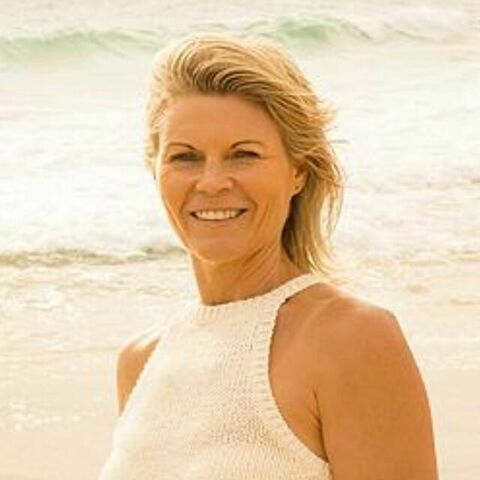
With Cari
Welcome to Living WELLth Many of us live in ways that slowly interrupt the natural flow of energy — through overwork, constant input, disconnection from place, or imbalance in giving and receiving. Over time, this can show up as fatigue, stress, isolation, or a sense that something important is missing — even when life appears full. Living WELLth approaches wellbeing differently. This course is an invitation to restore the conditions that support vitality, clarity, and meaningful contribution in your life. Rather than asking how to do more, improve faster, or optimise your habits, this course explores how life moves through living systems — including your body, your relationships, the places you live, and the work you do. Across five guided sessions, you’ll be introduced to: Flow — how energy circulates Vital — what enters your system Relational — how exchange occurs between people Ecological — how place shapes vitality Creative — what you contribute in return Each session is delivered as audio only. You may choose to listen while walking, stretching, cooking, or resting. This is intentional. Because WELLth is not something we understand by observing alone — it is something we understand through participation. There is nothing to get right here. You are simply invited to notice where circulation may be interrupted and how it might begin to move again. When you’re ready, Begin with the introduction to Flow.
Meet your Teacher
read more
6 Days
9 students
5.0 stars
4 min / day
Abundance
English
More from Cari

Trusted by 37 million people. It's free.

Get the app


