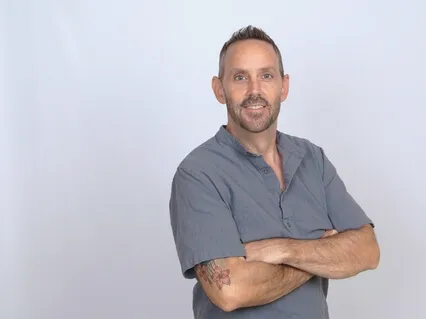
Welcome to Life,
Lessons and Laughter with your host Glenn Ambrose.
Hey everybody,
Welcome to the show.
Today we are talking about the imposter syndrome.
This was a term that you had never heard before.
I had never heard this before.
You're right.
Somebody had brought it up in an email,
I believe,
Or a comment or something,
And I was like,
Oh,
Imposter syndrome,
What's that?
Yeah.
You know,
And I mean,
Of course,
I think everybody's familiar with the imposter syndrome,
As well as many other things.
But yeah,
I had never heard the term.
And I was like,
Oh,
Isn't that interesting?
They have a term.
I don't know why I was shocked.
We have a term for absolutely everything.
We do have a term for absolutely everything.
Do you want to read the definition since you just set it up on your computer a minute ago?
Yeah,
I'll pop it up here.
Imposter syndrome,
Also known as imposter phenomenon,
Imposterism,
Fraud syndrome,
Or the imposter experience is a psychological pattern in which one doubts one's accomplishments and has a persistent internalized fear of being exposed as a fraud.
Dun dun dun.
So,
Yeah,
I mean,
That's a legit issue,
Though,
That a lot of people struggle with.
And,
You know,
I think what's interesting is that,
And I think that people,
There are levels,
Right?
I feel like there's probably a spectrum to imposter syndrome,
Because it says,
You know,
A feeling of somebody doubting themselves,
But then also like a chronic feel of being a fraud and none of your accomplishments being real.
So I feel like those are two very broad things.
So how do you know?
When I first read it,
The first instinct I had is not being human.
Like,
You know,
We want to have a podcast about being human.
So,
I mean,
Because it is so prevalent.
I mean,
Everybody second guesses themselves.
Everybody feels this to some degree.
I mean,
So I think it is part of our human condition as a general rule.
But like you said,
You know,
There's a spectrum of it.
So we can,
You know,
I think if it doesn't,
You know,
This is actually interesting.
I didn't know it was going to go this way.
But I think there's a lot of things that are like this.
I think we give too much credit to stuff a lot of times.
And I found this a little exercise that's kind of helpful.
And I've noticed that other people don't always do this.
Like a lot of times when I come across something like this,
Where I go,
Oh,
I'm second guessing myself.
Like,
I'll stop and go,
Well,
Do other people second guess themselves?
Like,
Well,
Yeah.
I mean,
I've heard people talk about second guessing themselves.
I mean,
You know,
Many times I've even heard very successful people say that they second guess themselves.
Like,
Oh,
Well,
Then if everybody,
Most of the people they're doing or a lot of people are doing it and even successful people are doing it,
Then maybe I'm just,
That's just kind of part of being human.
Now we do this type of stuff.
Oh,
Yeah.
OK.
And then once I put it into perspective like that,
It's really not that big of a deal.
I don't kind of,
I don't feed it.
I don't think that there's something wrong with me because I'm doing it.
And because of that,
I don't let it hold me back from doing things.
I just kind of accept it as part of the human condition and then just move forward anyway.
You know,
It's kind of like,
You know,
It's like courage.
You know,
It's not,
Courage isn't the absence of fear.
It's action in the presence of fear.
So this is kind of the same thing.
There's all these little things in us that second guessing and stuff and oh my God,
Am I good enough?
Am I a fraud?
All that.
Like those are normal thought patterns that pop into everyone's head.
So if we perceive it as that and just like,
Oh,
OK,
We don't put too much thought or power to it,
Then we just move on with our lives and it just has less and less of a stranglehold on us because we feed it less and less.
You know,
So that's one way we can interact with this or things like this if it's not overwhelming.
That's when it's kind of low on the spectrum,
I guess.
You know,
And we should probably discuss when it's bigger on the spectrum.
I would I would assume we should probably discuss when it's bigger on the spectrum.
I would I would also venture to think that and I think that you covered this in the episode of Ask Glenn Anything where you answered this question from a listener.
You know,
When you're actually committing fraud and like when you're actually lying and you're actually,
You know,
Right.
There's a difference between feeling like you don't belong and like actually lying about whatever.
Right.
Yes.
Am I wrong on that?
No,
No.
You're right.
I mean,
It's you know,
I will play hypothetical game.
I suppose anything if you feed it enough,
Like it's you know,
If you feed it enough,
It can get large enough where it's hard to differentiate that.
You know,
If this is a gigantic problem,
Then when you're perceiving it,
You probably think that.
No,
I really think I'm a fraud.
But like,
Yeah,
I think a good way to do it is to compare it to,
You know,
Lying.
You know,
Like because that's truly fraudulent,
You know,
Like if you say,
You know,
Well,
I'm you know,
I'm acting like I just had a flash of like being a parent.
You want to you want to know what the biggest fear,
You know,
The biggest fraudulent,
The biggest imposter syndrome is being a parent.
Because,
You know,
There's a part of us that think when you're a kid,
When you look at a parent,
You think that parents actually know what they're doing.
Right.
I mean,
You like you think that they've been on this planet a long time.
They know stuff that you don't know.
And basically,
You think that they know everything.
And that's why sometimes kids can get so mad.
Like if a parent makes a mistake or deals with something wrong because they expect them to deal with it right.
So it's like,
I mean,
As a as a parent,
It's like you completely feel like an imposter or a fraud because you don't you have no idea what you're doing.
Anybody that says they know what they're doing as a parent is full of crap,
As far as I'm concerned.
How could you?
You were never a parent before.
How could you possibly know what to do being a parent?
You know,
Maybe after you raise 14 kids,
You figured out a little rhythm and,
You know,
But I mean,
Barring that,
You're going to come in situations that you don't know what you're doing.
And I used to I embrace that,
Man.
Such a specific number.
I mean,
It's you're going to come into situations where you don't know what you're doing and it's going to happen often.
So like I embraced it,
You know,
Because very,
Very early on,
I felt that.
And I was like,
Oh,
My God.
So I used to tell my son,
I'm like,
You know,
I've never I heard this somewhere,
But I used it a lot.
You know,
I've never I've never raised a five year old boy before.
I don't I don't know.
I'm not sure what I'm supposed to do in this situation.
Now,
You have conversations with them at five.
Hey,
What do you think I should do?
Well,
Geez,
I don't know,
Maybe we should do that like it was and we'd have conversations about it.
Five years old.
You know,
At four years old,
At eight years old,
We'd have conversations.
I didn't give the I didn't give the decision making capability over to a five year old.
I mean,
I'd ask him his opinion.
I made final call,
You know,
But but yeah,
I think that that's a big example of it.
So we all go through this in a lot of different.
You know,
It's you know,
It's interesting about the the the thing that you're talking about with the children is that it never gets better because you just when you just when you just when you think that you're getting a hang of like the five year old,
They turn six.
And then a six year old is completely different than a five year old.
And no one tells you that.
Which is insane.
People are they tell you that they tell you and you don't listen because that's true.
And because nobody.
Right.
And and you could never comprehend.
And going through that,
I think that in general,
When we're kids,
We think that adults in general know what they're doing.
Even as adults,
I feel like we think that other adults know what they're doing.
You know,
We give too much of our power away.
We give too much credit to other people.
Like,
Yeah,
There's a subconscious thing about that.
And like when you're you know,
When you're in a position of power,
You know,
Like management or something like that,
The people really do expect you.
You know,
They're they're preconceived notion is that you know more than they do just by your sheer,
You know,
Stature to where you are.
That's where it starts.
I mean,
You know,
After after a while,
They can tear you down,
Of course.
But but like a lot of times when you're when you're saying things,
It's it's like.
You know,
I learned this as a personal trainer,
Like,
You know,
One of the first things the guy said to me is like,
You know more than they do when you're a personal trainer.
That's why they're hiring you as a personal trainer.
So if you don't know everything,
Just don't worry about it.
You know more than they do.
Just do the best you can.
You know,
And this guy really didn't know that much.
The guy that was training me,
He really wasn't that great of a personal trainer,
But he had a great personality and he wasn't the most authentic.
But that that helped me.
And so I tweaked it a little bit.
And some if somebody asked me a question that I didn't know,
I'd be like,
I'm not sure I'll get back to you on that.
He would just make something up.
But because nobody would ever know,
You know,
And there's a lot of situations like that.
I want to be more authentic than that.
So I'd be like,
Oh,
I'm not sure now.
Let me think about it or let me get back to you on that or something.
Let me I'll look it up and come back to you with an answer.
You can do stuff like that.
But people are depending on you,
Where you are,
What your job is.
People are expecting you to know more than they do.
And it's OK not to know everything and come back for an answer.
And it's you know,
It's nobody has all the answers.
I've evolved as a life coach now compared to 10 years ago.
So what was I going to do?
Not life coach 10 years ago?
No.
Because I'm not where I am today 10 years ago?
Well,
Of course not.
You know,
Does that mean I hurt people 10 years ago?
No,
I don't think so.
You know,
I don't I mean,
You can do things to the best of your ability,
Even though you're not at a certain level without screwing things up.
As a matter of fact,
That's exactly how most people are functioning.
Most people out there doing their jobs and do it,
Walking through life are not masters of their craft.
No,
They're not.
No,
No.
And sometimes even the people that are masters of their craft aren't super confident in it.
Right.
Yeah.
Confidence is something that just because you're good at something doesn't necessarily mean that you have it.
Yeah.
You know,
Confidence is internal.
So it's,
You know,
That's I think a lot of it is about taking a big step back and just putting it into perspective and understanding that no matter where you are,
Somebody else was there,
You know,
Somebody else was there doing the same thing you're doing and they made it.
We don't we're not going to know.
We're not we're just not going to know everything.
We have these unrealistic expectations of ourselves.
So because of coronavirus and I have no idea what the world will look like by the time people actually hear this episode,
Because it'll probably be a few months from when we're recording this.
But because of coronavirus,
I have had such an interesting perspective shift on imposter syndrome from both angles.
So basically,
To make a very long story short,
Because Glenn moved to Florida and we had to switch the way that we recorded podcasts so that we could still do it together,
We learned how to use Zoom before way before years before it was a household name.
And because of that,
Some people that I have as clients in Rhode Island knew that and they told other people that needed help.
And then all of a sudden I was getting phone calls from like the head of the state government,
Like agencies and stuff asking for help.
And I was like,
So I had some huge imposter syndrome starting off with this of like,
Why am I why am I being asked to do these things that are,
You know,
Above my station,
Essentially?
And and then also,
Like,
We got to do some interviews with some really cool celebrities.
And it was like,
Well,
Again,
Why am I having conversations with these people?
This doesn't seem like it necessarily needed to happen.
Like what's happening?
Do I am I actually good enough to be doing this,
Etc.
,
Etc.
?
So that was the perspective shift of of getting over that sort of imposter syndrome,
Because it happened very quickly.
Yeah.
Do you remember that text message I sent you?
I don't remember it.
It was you were like there was through little conversations and texts every once in a while,
You would say something about that.
Like,
Oh,
I can't believe this is happening.
Why did they want me?
I think I specifically said,
Does no one else in Rhode Island know how to do this?
Yeah.
You said all kinds of stuff like that.
And like,
I started picking up on a pattern.
And of course,
As an adjustment process,
And I didn't I don't think I mentioned something right off the bat.
But after a few,
I was like,
Then why not you?
Yeah.
Why not you?
Like,
You know what you're doing.
You use this stuff.
You're the perfect person for this.
Stop doubting that,
You know,
Why,
Why are they coming to you?
Why shouldn't they come to you?
Like,
You know,
Start looking at it like that.
And it's like,
I mean,
You know,
You're capable of doing what they were asking.
And whatever you hadn't done yet,
You're capable of figuring out.
That's all it takes.
And,
You know,
And I kind of say it like that,
Because it's,
That's,
That's the,
I think that's the part that we don't give ourselves credit for.
We think we're supposed to know everything and we can't.
So it's like,
So we know what we know.
And that's the foundation.
And then whatever we don't know,
Are we capable of finding it out and figuring it out and working through it?
Yes.
Okay,
Great.
Then you're the person for the job.
Because nobody knows everything.
And the,
And the cool thing was now from the opposite side of that is having the access to some people.
You got to see them.
I got to see them also have the same feelings,
Right?
So I'm in these conversations before we go on camera of,
With these people.
And,
You know,
Talking to like the head of government agencies that are trying to,
Like,
They're just earnestly trying to get people their unemployment checks.
And,
You know,
And like,
It's difficult and things are happening and they're like,
We're doing,
You know,
We're doing the best that we can and so on and so forth and talking to this guy who was a Reagan appointee and was served in the White House for years and years and years.
And he was like,
You know,
We make,
Sometimes we like,
We don't know what the right move is right now.
And then,
And then like,
You know,
Talking to,
I've gotten to talk to a lot of priests who are having hard,
Difficult times because their congregations aren't in person anymore right now.
And,
You know,
And they've had to deal with like losses of,
Losses of congregation members and some really,
Like,
Some really deep stuff.
And it's not the fear of,
It's not the situation of now,
I think.
No,
Nobody knows what they're doing.
It's,
But it's a lot more of,
Oh,
Just everybody has the same doubts.
Yeah.
We're all wandering around here trying to do the best we can and nobody has it all figured out.
You know,
That's why,
That's why I try to be as authentic as I can.
And,
And do,
Do I want run around on Facebook every time I have a doubt and go,
I'm doubting myself.
No,
I don't,
You know,
Because I don't want to feed it.
But when I'm talking about stuff and when I'm working with my clients or when I'm on a podcast,
I have no problem,
You know,
Saying that I have doubts.
You know,
The,
I don't doubt myself most of the time when I'm working.
But that's just because of the way the information flows.
So,
But I mean,
I have this whole personal life out there.
You know,
And it's like,
Oh my God.
I mean,
There's plenty of times when I doubt myself.
And I know that these podcasts aren't perfect.
Like I know,
You know,
Like,
But that's not my goal.
My goal is to have them be authentic,
Not perfect because they're perfectly authentic.
You know,
And that's all I can offer.
And that's all any of us can offer.
It's just be authentic.
I mean,
It's like I heard,
You know,
I had major problems with public speaking before.
And one of the things that I heard is like,
If you've got a fear,
Just,
And not just let everybody know.
So there's been a few times in my past where I've walked up to microphones.
I did it in front of like this middle school,
Gigantic auditorium filled audience once.
And I hadn't spoken in a while and I had never spoken to kids and I didn't know what I was going to say.
So,
And I walked up to the microphone and I was like,
Boy,
I haven't spoken in a while and I'm really nervous right now.
And it just took the shame and the guilt away from it.
And I think most of the times when you do stuff like that,
People connect,
They feel for you.
They're like,
Oh,
This person's real.
Oh,
This person's human.
Oh,
I felt like that too.
And then all of a sudden if I stutter or mess up or something or have to start over,
They're like,
Wow,
Cut him a break.
He's nervous.
It's really wonderful if we connect on a human level and show ourselves authentically because anybody that doesn't,
Anybody that makes fun of us or attacks us when we're being authentic,
We don't need them.
We don't need them in our lives.
And I mean,
And if it's in a job situation,
I hate to say,
I mean,
You might want to get out of that job situation.
Because if somebody is that cruel,
Like to attack you,
You know,
You might not need it.
But I think the biggest thing is to know that everybody feels this stuff and it's fear-based.
So if it's fear-based,
It's an amount of food.
So,
You know,
If you feed the fear,
You're never going to get over it.
If you starve the fear and you feed something else,
Then it will diminish and take up less of you.
So feed the things like everybody goes through,
Everybody has these feelings.
Feed the things that authenticity is what people can connect to.
Feed the things,
You know,
That like whatever I don't know,
I can find out.
And that's more important than pretending that I know everything.
Like if somebody,
If somebody,
This is how it's almost like a pet peeve of mine.
If somebody tells me that they don't know,
But they'll find out,
I'm completely fine with that.
Completely fine.
But when somebody starts telling me stuff and all of a sudden I'm picking up that like energetically,
I'm like,
They don't know what they're talking about.
They're just saying stuff because they think that they're in power.
Like I had this specifically,
The last time I had this was when I was purchasing a cell phone and I was changing my phone number.
And I was,
I was getting a couple phones because I was changing my phone number and blah,
Blah.
And it was kind of a complicated situation,
But I used to sell cell phones like 15 years ago.
I have a vague idea of how the business works.
So I was asking these questions and also I stopped picking up on this guy.
And he's just,
He's just going,
Oh no,
No,
That's fine.
Don't worry about it.
Yeah,
No,
No,
That's.
And I'm like,
Really?
And then I do something else.
No,
No,
No,
No,
It's not like that.
It's like this.
And I'm,
And I'm going,
And I'm just getting this off feeling.
And then I started throwing out stuff and he just kind of blew right over and I looked down and I was like,
You don't know what you're talking about.
Oh yeah,
Yeah,
Yeah,
I do.
Yeah,
Absolutely.
I was like,
No,
I,
And I called for the manager.
I was like,
I can't,
I can't deal with this guy because he's just,
He's at,
He just wants to give me an answer.
So he's in control of the conversation and he thinks he knows what's right.
And he has no idea what he's talking about.
That's the worst thing that you can do.
You know,
It will shoot you in the foot time and time again.
So don't go that route.
If you don't own up to it and find out.
I will not go that route.
Well,
Yeah,
I'm sure you won't,
But.
Did you like the wink?
The wink implied that I will go that route.
Oh,
No,
I don't think you will.
I think you're past that with your authenticity.
I think that that's funny,
Actually,
Because I have a meeting after this where I'm,
I'm so ill prepared for the meeting right now because I've been so busy all day doing other stuff.
And yet I,
I have the confidence now to know that I'm pretty sure whatever they ask me,
I'm going to be able to answer and come up with a solution of.
But I'm happy that we just had this conversation,
Because now it's just going to be a nice reminder to not just make,
Make up answers if you don't actually have them,
Which is nice.
Yeah,
It's just,
You know,
Take some.
Nobody thinks that everybody has all the answers.
You know,
It's OK.
It's,
You know,
Everybody's had a first day of work.
Yep.
You know,
So like that's I've told many clients that like,
Oh,
You're starting a new job.
OK,
So your go to is,
Hey,
I just started,
You know,
And,
You know,
I'll find out because 90 percent of the time everybody goes,
Oh,
OK.
Why?
Because they've all had that.
They've all felt that,
You know,
They've all had a first day.
So everybody knows how that is.
They can relate because it's authentic.
Just be authentically you and and give yourself credit.
I think that's the you know,
I'm just going to refer to another podcast.
It's kind of been coming up a lot lately.
Be who you're becoming.
That's an important part,
You know,
Like give yourself time to get better at something,
But also give yourself credit when you've gotten good at something.
You know,
Be like,
No,
I actually know this stuff.
Slowing down and just doing that is really helpful.
And it's something that people don't do very often.
They don't you know,
They're actually pretty good at things and they're still so busy second guessing themselves that they don't even realize that they've gotten good at it somewhere along the way.
Yeah.
So give yourself credit for for what you've done multiple times in the steps.
Look back and go,
Oh,
My God.
Remember that first day?
I've only been here three months.
And look at how far I've come.
The first day,
I didn't know anything.
I was bumbling around here like an idiot.
And now look at me.
And it's only been three months.
Wow,
I understand this.
This is,
You know,
Really give yourself credit and then do it again,
You know,
Monthly or every three months or six months,
Whatever.
Just do it regularly.
You know.
So there.
So did we cover it?
I think we covered it.
You know.
It's definitely if you're real bad on the spectrum of imposter syndrome,
I still think it's,
You know,
I think it's going to it's challenging no matter what.
But I think that,
You know,
You gave a lot of great advice in this episode for how to how to deal with it.
So,
Yeah,
It is challenging.
And it's,
You know,
If it's really a giant issue,
Then,
You know,
It's probably going to help to get some individualized help and really talk through it and get yourself into a place because wherever you are,
There's a way through it.
Like if you're in a position you shouldn't be in,
There's a way to handle that.
If you're if you know if you actually are good at something,
But you just don't believe it,
There's a process to get yourself confident in it.
There's,
You know,
No matter where you are,
You can get to where you want to be through this imposter syndrome.
You know,
You can get there.
If it's really high on the spectrum,
You might need to get a life coach.