Hi,
Welcome back to the Y's Effort Show.
If you are recently divorced or maybe you're stepping back into the dating world after a major breakup,
You're not alone.
And today we're going to be focusing on the real challenges of dating after divorce,
Everything from how to rekindle your self-confidence to emotional baggage that you may be carrying and figuring out what you truly want now.
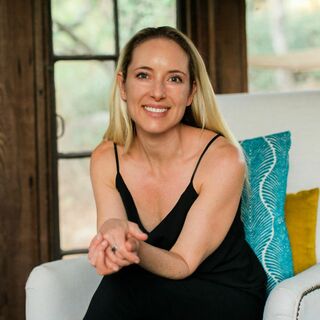
We're talking with a friend and colleague of mine,
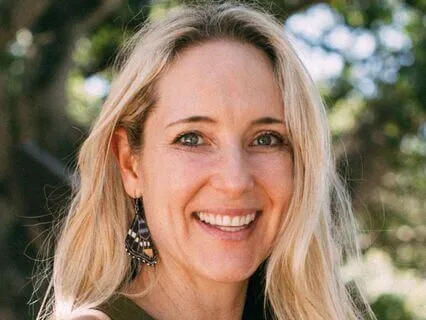
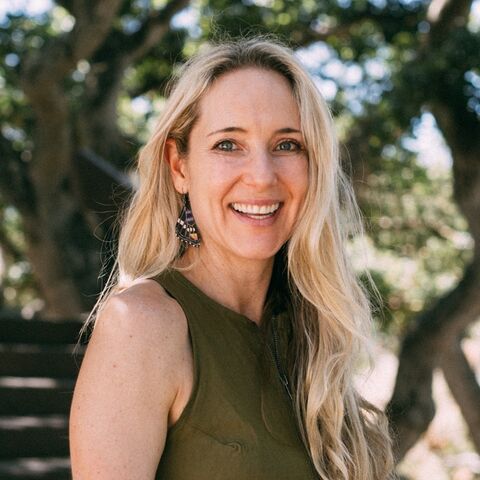
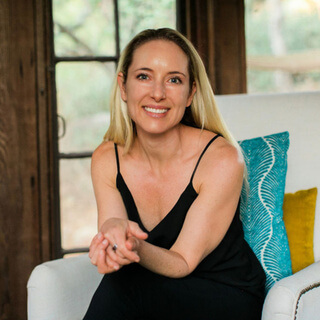
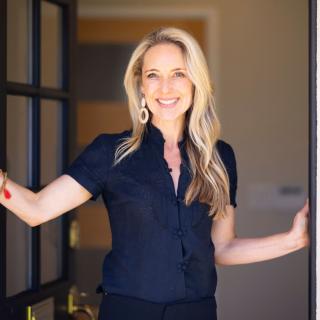
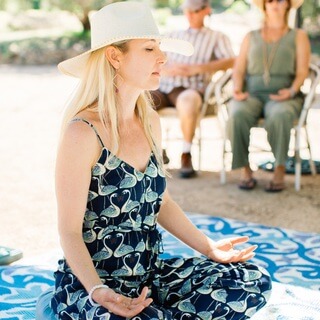
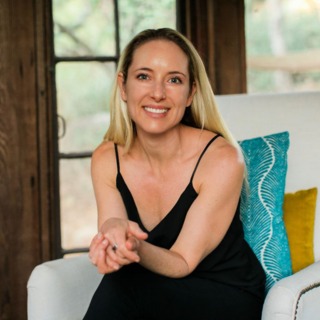
Whitney Cubison,
Who has written two books and she's going to share a bit about her own history of divorce and dating and the creative pursuits that came out of that.
And we are going to explore this,
You know,
Roller coaster of excitement about a fresh opportunity,
Fresh start,
But also the overwhelm and worry that can happen.
You don't want to repeat the same pattern over again.
So welcome,
Whitney Cubison.
So good to see you.
Thank you for having me.
Tell us a little bit about your story,
How you ended up on this podcast about dating and divorce.
Tell us about you.
Sure.
So I have been living in Paris since 2009.
I moved here married to an American husband.
To be honest,
When we moved here,
Things were already not great.
But after two years of being here together in Paris,
We decided to split up.
So I got divorced in 2000.
We split up in late 2011.
Early 2012,
I was divorced and back on the market.
And he and I had been together for 10 years.
And so I was starting to date again in a different language,
In a different culture and in a different technology paradigm.
Because when I was single before,
There was no texting,
There were no dating apps.
There was just the degree of difficulty with all of those things combined felt very overwhelming.
And so I was launched into really a very foreign land called dating after divorce in a foreign land called Paris.
And it was an adventure.
And so I was dating for a long time,
Still dating to be honest.
And I had so many stories of dates gone wild that my friends were like,
Oh my gosh,
You must write a book because you just can't make this stuff up.
It is crazy.
Sometimes life is truly stranger than fiction.
And you must document your journey.
And so I did.
And that was my first book.
And it was about an American expat in Paris,
Recently divorced and looking for love with French men.
And it's a rom-com.
Most of it goes horribly wrong.
And yeah,
That was the start of my little literary adventure.
And the second book is coming out next month.
So,
Yeah,
Very exciting times.
Yeah,
It might be a helpful read for folks that are recently divorced if they want to escape their own dating disasters and get some hope and also feel not so alone in the disastrous aspects of it.
So one of the first things I often ask people when we're working on WiseEffort in whatever domain it is,
I just did an episode on WiseEffort in the bedroom.
And I encourage people to ask themselves,
What is your worst nightmare review of sex?
But maybe we could ask,
What is your worst nightmare review of dating?
When did it go really bad?
What's an example of dating after divorce that was just the worst?
And maybe it could even be one of the stories you wrote about,
Right?
Yeah.
I mean,
In the book,
There's actually three chapters that are called The Internet.
The Internet Part 1,
Part 2,
And Part 3.
And it's repeating rounds of when she,
The character,
Slash me,
The person,
Got back onto the dating apps after taking a break.
Or the first time on,
And then back on,
And then back on.
And what each of those chapters kind of goes through is an evolution where she is trying to be more honest about who she really is.
And this was my experience in dating where I first,
When I first started,
I said,
OK,
Well,
I don't want to say that I work at Microsoft.
I don't want to say that I'm a speechwriter for one of the biggest execs at the company.
I don't want to say that I've traveled to 72 countries.
I don't want to intimidate people by being my full self straight out the gate.
And so I tuned down a lot of that stuff and kind of tried to,
I think,
Be smaller and fit in a space that I thought that was going to be more palatable to men.
And with each of those kind of experiences and rounds,
What I kind of eventually figured out was that if they don't like me as me,
Then they're not going to be my person anyway.
And so the nightmare review is she showed up and tried to play small.
And that's the one that if I look back now,
Say,
Gosh,
I was really,
I did everything wrong in those instances trying to be a smaller version of myself because the right person is going to think that I'm just the right size for whatever it is.
And that's something that I think is hard for a lot of people to just embrace and say,
Well,
Like,
This is who I am.
And you either like it or you hate it.
And if you hate it,
Then,
Oh,
Well,
Bye.
I guess you're not my person.
But I mean,
I think there's a lot of people-pleasing characteristics that a lot of people carry through life,
And it's hard to kind of get rid of those and just embrace your full self.
It's interesting because I see with my clients,
It's those same people-pleasing characteristics often that kept them in bad marriages for too long,
You know,
And that they crave,
Like you have this craving to finally be yourself.
Finally I get to exhale and just be me.
And then it seems like once you get thrown back into dating again,
Those old patterns just,
You know,
You said make yourself more palatable for the other person.
They just kind of hook you.
And there's risk involved,
Right?
Because what if you don't make yourself more palatable and somebody doesn't like you?
It's so,
This experience of rejection is so painful.
So we fall back into the old patterns.
How did you work through that?
I think each time I was being willing to be a little bit more myself.
And so I don't know if there was a specific thing that I did differently each time.
It was just a gradual opening of the honest version of me.
And I think with,
You know,
With my marriage and with that situation in particular,
Since he wasn't working,
He was actually quite,
He was a bit depressed and it was hard.
I felt that I didn't have the right as his spouse to be angry about that.
I wanted to be a supportive wife.
I wanted to say,
Don't worry,
Honey,
It's going to be okay.
You're going to get there when you get there.
But underneath I was boiling with rage because I felt like he was not taking advantage of an opportunity that so many people would kill for to live and work in Paris and have this like big,
Beautiful life.
And so I suppressed all of that anger because I was trying to be a supportive spouse.
And then when we finally got divorced,
I was able to release all of that and went,
Oh,
This feels so good to just be really angry for a long time because I wasn't allowing myself that anger.
And so like that's one of those things where it's like,
Well,
If you're unhappy,
Say you're unhappy because it doesn't just go away.
If you hold it in,
It'll explode at some point.
And so it was kind of taking all of those lessons learned along the way and saying,
Okay,
Well,
Like,
Don't just take,
Don't just accept the things that you don't love,
Like address them,
Talk about them,
Work them out.
Because my cousin had this analogy,
Which I love,
Which was the anger was like trying to hold a beach ball underwater.
And you've been trying to hold that thing under for so long.
And when you finally let go,
It just exploded into the stratosphere.
And it went so far up that she was like,
You know what?
It's going to be hanging up there in the air for a good long while and just let it and be angry.
And one day it's going to fall down.
It's going to land in front of your face and you're going to go,
Oh,
Look at that.
I guess I'm not angry anymore.
That's nice.
And that's exactly what happened to me.
Like there was a particular instance where I got an email that I kind of went,
Normally that would trigger me and it doesn't.
And I think that's the beach ball.
I think finally I'm not mad anymore.
And that feels good.
But I think letting myself feel that,
I mean,
I think a lot of times we're told or we're taught,
We're taught like,
Don't be angry.
You need to forgive.
You need to forget.
You need to like let all that go.
And I think that permission to just like be angry for a little while was also really helpful to just go,
OK,
Well,
Yeah,
Like I deserve that.
I deserve a minute to like sit in that anger and let it do what it's going to do.
And eventually like you figure out how to let go.
So I think it was just there were so many things.
It's such a hard question to answer because it's such a complicated process over so many years to really embrace your full self and to use your voice when you know that you need to and should.
And we're just taught,
I think,
Too often to not do that,
To shut up and to be polite,
To be palatable.
And,
You know,
There are moments for that where it does make sense and there's moments where it just doesn't.
So finding that balance,
I think,
Has been the real challenge and opportunity.
As someone that has been through not my own personal divorce,
But been a friend of people that have gone through divorce,
That anger,
You know,
There's been many runs where I've just listened to like full on anger and and knowing that that's part of the arc,
Like that,
That this is this is part of the shift in the healing,
All that stuff that was stored up for so many years.
There's this period of time after divorce where it all needs to come out.
It's like,
What is it,
Dr.
Pimple Popper?
It's kind of smelly and ugly and gross and it needs to get out of there so you can heal.
So I navigate a lot with my clients,
Like sort of the two big scary things,
Especially if you're getting a divorce in midlife.
One is the technology that you mentioned.
So I'd love to talk about navigating technology and dating apps.
And do we need to do them or is it OK not to or that whole question that people have?
And then the other one is sex.
It's like the last time I kissed someone,
I was,
You know,
Twenty five.
I mean,
Someone other than their partner.
Right.
How do you like am I supposed to have sex with them the first night?
Am I supposed to wait two weeks?
Am I like all those questions around how to navigate having sex while dating?
Those are the two big ones that I spent a lot of time with on clients.
So let's talk about sex first,
Because that's more interesting.
How did how did you navigate that?
Like,
I mean,
I just see a lot of blunt,
Like a lot of fumbling blunders.
Oopsies,
Whoopsies.
OK,
That was fun.
Got that out of my system.
And then eventually landing on,
You know,
Something that works.
But what was your experience?
And you can talk a little bit about what you write about in the book,
Too.
Sure.
I mean,
The other interesting thing about being in another culture is that the American way of dating is not the French way of dating.
And so what are those French do?
And the yeah,
The culture and the expectations of the French way of of meeting people,
Of dating,
Of falling into bed together or not are totally different than what you what what I had expected from my time dating when I was in my 20s in California.
And so in France,
There is no word for dating in the French language,
Which I think is a pretty big clue that the whole thing is quite different.
So the way that it works here is people typically meet through friends or through work or just out,
You know,
In life somewhere,
Usually through friends,
To be honest.
They talk,
They fall into bed together,
And then they become a couple.
And there is no in the U.
S.
There's the,
You know,
The define the relationship conversation like you can be sleeping with somebody,
You can have gone out with them a bunch of times,
Have had sex with them a bunch of times.
But until you have the are we or aren't we a couple conversation,
You're often not.
And it's cool to just like date a bunch of other people.
And that is was not the case in France when I started dating.
I think it's becoming a little bit more true now because it's now 13 years later since I got divorced and things have changed over that time even.
But it was very much a if you sleep with somebody,
You're a couple.
And I found that out with my first French boyfriend.
We met.
We were chatting for a couple of months.
We probably I think the second time we saw each other after having been chatting for a few months,
We ended up in bed.
I think it was May of whatever year that was.
And we woke up the next morning and he was like,
So what are you doing for vacation in August?
And I was like,
I'm sorry,
What's your last name?
Like,
August,
What do you mean,
August?
Like for me,
It was so scary to have him asking about something that was happening months down the road,
Because for me,
Like we had just had sex for the first time and I was like,
Are you kidding me?
But for him,
We were a couple.
And it was it like did not compute.
And I would have fled the scene if we had not been at my apartment.
Couldn't really run.
And I'm actually going to have dinner at the restaurant where I met him tonight.
So,
You know,
We're still friends.
It all worked out in the end.
Wasn't meant to be relationship wise,
But he taught me a lot.
And so there was just all these learnings where the cultural norms and kind of what you expect wasn't necessarily what you expected.
And so that was the really hard thing.
I think people just slide into bed a lot more easily in France.
And so that was something that you just kind of have to say,
All right,
Well,
Do I accept that or do I not?
It's not expected,
But it's just I think somehow a bit easier to do.
And,
You know,
I was so you slide into bed,
You slide into bed and then you're a couple.
But people do that more easily.
Yeah.
But then you can break.
And then just and then there's like a commitment and there's a assumption of a commitment.
Like if we're sleeping together,
You're not sleeping with anyone else.
Like that's just sort of.
Yes.
I mean,
The French,
I'm little I know about that culture.
I don't know a ton.
But there's like rules.
I mean,
They follow they follow rules.
There are rules about when you eat the baguette and rules about,
You know,
All sorts of things.
So,
OK,
There there are rules for everything.
Yes.
But that is one of them.
And frankly,
It is so refreshing because all of the guessing that you have to do as an American data where you're like,
I don't know.
Should I call him?
Should I wait three days?
Is he going to call me like all of that stuff?
It kind of isn't the same game here.
It's just,
Oh,
We slept together.
We're going to be a couple until we decide not to be a couple.
And that could be next week or next month or whatever.
But until we decide it's not working out,
We're just we're together now.
And like I said,
I think it's it's changing a little bit now.
It's a little bit less kind of straight and laced like that now these days than it was 13 years ago.
But it's still,
I think,
A lot less complicated,
Which is refreshing and also terrifying.
If you're someone who's like nervous about jumping quickly into a relationship,
The French style can be very scary.
But if you don't like the games,
It's delightful.
But it's very hard to play a game where you don't understand the rules.
And I think that's the hardest thing in dating in another culture is is trying to guess the rules and figure out if you are playing by if you're even playing the same game.
And sometimes you're not.
And that creates all kinds of opportunities for insanity.
Yeah,
I mean,
I think what I see with my clients and my friends while working through this is there's there's figuring out the rules,
But then there's also a re redefining of rules for yourself because yeah,
The book that you were playing from when you were 16,
17,
20,
30 is totally different now.
And you get to this is the liberation.
I feel like it's liberation when you're a divorce divorce.
Like you get to do it your own way now.
And there is this window.
It's like a window of flexibility that people have after their divorce where they try all sorts of new things,
Like maybe they dress differently.
Maybe they do all sorts of,
You know,
New things after divorce,
Including how you date and to not just get back into that,
You know,
Same habit that you were in before is helpful.
And also that you don't have to,
Especially in your 40s,
50s and beyond.
There is no one that you need to please or follow someone else's rules around this whole dating thing.
Like it is just not worth it.
So I work a lot with folks around design your life,
Make your life so awesome that you don't need someone else in it and then date so that you that it's not that you're dependent on getting remarried.
Although I was just reading the stats on this,
Something like 68 percent of people who were married before get remarried.
And most of that you're an anomaly here.
Most of them,
It happens in the first four years.
Talk a little about online dating,
The swiping and the challenges associated with that.
Yeah,
I mean,
I think the biggest challenge is that it has given everyone that the apps and the quick access to a million new options has given people the attention span of a fruit fly where you have two seconds to capture someone's attention.
If they are bored,
Even for a second,
They are just,
Oh,
I'll delete and move on.
And I'm guilty of that.
Guys are guilty of that.
It's just there's an overwhelming amount of choice,
And it is with a certain amount of anonymity as well.
And what I've been,
You know,
When you're driving in your car and you yell at somebody that you would never yell at them in person,
It's road rage,
Right?
But you do it behind the safety of your your windshield.
They're behind the safety of an app.
People will say things to you that they would never dare say to your face,
Like sexual things,
Like things like,
Oh,
Do you like this?
And I want to know right now because I'm not going to waste my time unless you do want to do that.
And I'm like,
I'm sorry.
Like,
I haven't even decided if I want to hold your hand and you want to talk to me about a very specific sex act.
Like,
That feels like a little much.
Were you raised in a barn?
Like,
What would your mother say if she heard you ask that question to someone that you've never met?
Like,
Are you for real?
And I've had so many of those instances where I'm like,
Seriously,
What would your mother say if she heard you ask me that question?
I've never met you.
But then there's some.
What I have found is the people that have been on the apps for a long time get very jaded very quickly.
They have very short attention spans,
And it's very difficult to engage in a in a respectful,
Interesting conversation.
And there's so much kind of copy and paste of,
Hey,
How are you?
How's your day?
And it's like,
Oh,
Do I have to do this again?
Like,
You're just kind of waiting for someone who asks an interesting question and,
You know,
Waiting for someone who like looks at your profile and goes,
Oh,
I saw you did this.
And you're like,
Why is this so much to ask that someone actually reads the profile?
But so many people don't.
And so it's a very soul sucking kind of frustrating process that has a lot of opportunities for things to not go well.
But then every once in a while,
You hear these stories of people who meet online and who have,
You know,
Great connections.
And it's definitely possible.
Like I've met somebody on an app that I dated one,
One person that I've met.
I've met a million people from the apps where I've gone out on one date and said,
OK,
See you never again.
And and then you start to say,
OK,
Well,
Am I being too quick to judge?
And you start questioning all of your own instincts.
And I found myself and this this is something I talked about in the book,
Too.
I found myself out on a lot of dates where I'd be sitting across from someone looking at them going,
I don't know,
Could I like you?
You kind of like looking for that thing,
Trying to figure out if it's there.
And then I met this one guy where I was like 20 minutes and I was like,
Oh,
My God,
Like I cannot wait to spend more time with this person.
I was like,
Right,
This is what it's supposed to feel like.
You're like,
I've been waiting for that.
And I forgot that that's what it could feel like.
And I've been like asking myself to look harder than I think I should have to look.
But so you just really start to question your own sanity after a while because it's so quick to go to the next one.
You're like,
I don't know.
Should I just give up on this one and go to the next right away?
But the sad truth is that it is pretty much the only way to meet anybody anymore,
Because in France,
At least there,
People don't approach each other anymore in a bar or in a cafe and say,
Hey,
Like,
Would you like to grab a drink sometime like it doesn't happen.
And it is like the online generation that's just lost that ability to engage out in the real world and be,
You know,
Interesting humans face to face.
Like that skill has has diminished intensely in the population.
And so it's very hard to to meet people in real life,
As they say.
And so apps just become this kind of default thing.
But there's a lot of stuff that is not great.
And I am seeing definitely in France that that that swing,
There are people trying to move away from apps and there's different kinds of apps that are popping up that are like we actually won't let you chat until an hour before you have agreed to meet.
And so then you don't,
You know,
Spend too much time talking to somebody that you have good chemistry in writing,
But no chemistry in person.
So we were cutting out some of that wasted time or we're only going to show you five profiles a day.
So you don't spend 30 minutes swiping going,
I just wasted half an hour of my life.
What am I doing?
So I think the apps are actually working to adapt to people's adverse reactions,
To feeling like they're losing time or wasting time or that the connections are good online,
But not good in real life.
And so the technology is evolving,
Which I think is a good thing.
But it's still it's a jungle out there.
And I just I loved so much.
I was watching a little clip from it was the Drew Barrymore show,
And she was interviewing some actress.
I forget who she was.
But she said,
Oh,
So you've been on dating apps,
Right?
And the lady goes,
Oh,
Yeah,
I think they should just combine them all into one and call it what's left.
Just thought that was so funny because,
You know,
Sometimes that's what it feels like.
Yeah.
Well,
You know,
When I think that,
Yes,
People can find I've definitely met people,
You know,
Found someone they married or a long term relationship through a dating app.
And I find it's sort of like akin to shopping for a bathing suit.
Right.
So you if if you shop for there's so many good things,
They look so good out there.
And then you get it in the mail and it comes home and you put it on.
You're like,
This thing is not there's no coverage.
There's no there's no back coverage.
There's no whatever it is.
And then you got to send it back.
And the effort of sending it back,
Like the the effort of the let down after you put all this energy into a date,
That's just exhausting.
Right.
It's not only the effort of getting to the date,
But then it's the after impact of that,
You know,
That bringing the printing out the label and shipping it back is just as much as a pain as searching through all the different commodities.
And it does become like that.
It becomes a sort of consumeristic way of relating to people as opposed to the the interest curiosity that just I,
You know,
Kind of I want to know more about you and I can linger here longer and kind of notice that I'm starting to get interested in asking more questions.
I feel like you're interested in me.
There's a little that that gets that gets lost when you're not in person.
So what I recommend my clients to do around that is to make a list of of their interests,
Like the things that they like to do.
So cooking and,
You know,
Things that reading whatever,
Make a list and engage in those activities where other people are on a more regular basis.
So if you if you love reading,
Go to all the book openings at the local bookstore when like there's a new author presenting and just get yourself into places where there may be other people.
And then you have the skills that you've developed from the dating app of initiating a conversation or having now just actually use them with your like your your voice,
Go up to someone and ask a question and stay at it a little bit.
And the same things that you would write in the chat,
Use your mouth and say them to a human being.
And because that you're right,
That skill we've we've lost over time.
But if you're if you're over 40,
You've experienced it.
You know what it's like to be face to face with people.
You know how to engage.
Maybe if you're in your 20s right now,
You're screwed.
But that may not be the case.
I mean,
I think we all have that that in us.
We just it's like rusty.
We got to practice it.
Stay in the discomfort a little bit longer.
There's nothing about this is going to be comfortable,
But it's not to be comfortable in the dating app either.
So maybe choose one that's going to be a little bit whatever one you want to do that's more aligned with who you are and what feels right inside of you.
If you're totally turned off by dating apps,
I guess I want to say you don't have to do them.
I don't think at least that's what I tell my clients.
Yeah,
Not that it's a loss.
No,
I don't think I don't think you have to.
I think there are like all the things that you just said about the activities and and meeting other people and like saying yes to invitations is like one of my things.
It's like,
OK,
Well,
There's going to be people at that event that I don't already know.
So say yes,
Even if it's something that maybe I wouldn't absolutely love and consider my primary interest.
But it's an opportunity to meet friends of friends and friends of friends are a great way to meet people.
And so there are certainly ways to do it.
The apps just kind of became the default way.
But I feel like society is kind of swinging a little bit away from that because there's so much frustration that's come from the experience for so many.
But also,
Like I said,
The technology is evolving.
And so I think it's one to to keep watching and to see what new apps come on the market and what new new ways of of connecting those offer.
And and,
You know,
Just putting yourself out there and in multiple different ways,
Which is easier for some and harder for others.
But I think,
You know,
The right person is is less likely to stumble into your living room than,
You know,
Than they are to be out in the world when you're out doing things that you love.
So,
Yeah,
Totally agree with you on that.
I want to talk a little bit about this sort of downplaying of I call it your genius energy,
So downplaying of your spark,
Downplaying of your skills and aptitudes,
Downplaying of and your emotional intelligence,
Even that we have that tendency to do that.
I see I think maybe women do it more than men,
But men may do it,
Too,
Because we want to we want to fit into something that's sort of like digestible for the other person.
We don't want to be too much.
And you just kind of alluded to that a little bit when you were talking about playing small.
It seems like you're kind of weighing the cost.
Like I could maybe I'm not going to have as many people that are the right fit for me if I'm fully myself,
Which could be the cost.
But the benefit is you're more yourself and you have to be the badass that you are.
I mean,
Whitney Cubberson is kind of a badass that you've done really big things in your career.
You've moved to Paris.
You've written two books that are completely divergent from what your career was about.
And yeah,
So these are big things for you to present to somebody.
I feel like my best bet,
I feel like my life is awesome.
I feel like I have this really,
Truly amazing,
Remarkable life.
I have great friends.
I live in the most beautiful city on Earth.
I have created a life for myself that I love,
And I am a hopeless romantic.
I would love to find someone to share that life with.
But the life is good enough that I can be happy in it on my own.
And I choose not to compromise on what I'm looking for,
Because I would rather be alone than be with someone that makes me feel play be smaller than I am.
I've just decided that this is who I am.
They're either going to like it or they're not.
And if they're not,
They're not my person.
And that my right person is going to look at me and go,
Yeah,
You all of it.
And until I have that,
I'm just going to keep going.
Me,
All of it.
Yeah,
I'll just keep doing me until the right person comes along.
And I think about I think about Amal Clooney,
Who was the,
You know,
This like single badass human rights lawyer out there just like destroying everything in the best way,
Like having this killer career.
And she probably intimidated the crap out of every guy she ever met.
And then she met George Clooney.
And I just feel like,
You know what,
George Clooney is out there somewhere.
And until I find him,
I'm just going to keep being me.
And listen,
If that's wrong and I spend the rest of my life single,
I still feel like I would rather do that than be with the wrong person because I was married to the wrong person.
I know what that feels like.
And I think that it truly is more lonely to be with the wrong person than to be alone.
Yeah,
Well,
That's the genius review that you just wrote,
Which was even if she doesn't remarry or isn't with somebody,
She led a genius life.
She was fully herself.
Right.
So that that's a choice.
And for some people,
They may not.
They may choose that they want to be with somebody like it's so important for them to have another body in their bed or have someone that they're having coffee with in the morning that they may choose to compromise or be more adaptable than others.
And that's the like everyone gets to do their own thing on that.
But you don't have to.
There isn't one way to do it.
The most important thing is that,
You know,
Inside of yourself,
This is what's important to me.
This is how I want to be.
I you know,
You're going after George Clooney.
Go for it.
I heard a while back that the most satisfied some of the most satisfied couples are the ones where both parties feel like they got the better deal.
You know,
Like,
Oh,
He's so he's so awesome.
He's he's he's so much better,
You know,
Better for me than I am for him.
Or he's he's whatever.
And I feel that way in my marriage.
I often think,
Oh,
I got the better deal.
And I know that he feels that way about me,
Too.
So we both feel this this satisfaction,
Right?
What we don't want to be in the place of is falling back into the same the same unhappiness that we were in before that we,
You know,
Had to work so hard to get out of in a divorce.
Exactly.
And I mean,
I totally I totally respect that some people are like,
I just want a partner and I don't need George Clooney.
I just want like somebody who's a good person who,
You know,
Like I want to keep talking to at night.
And honestly,
That's half the battle.
I don't need George Clooney,
George Clooney.
I want somebody who I can have great conversations with and who makes me laugh.
Like these are my most two important things.
But great conversation for me means one thing that maybe means something different to someone else.
Like I want my my person,
I feel like is going to make my world bigger,
Make my brain bigger,
Like that.
We're going to have the kinds of conversations where you learn something.
And it doesn't mean he,
You know,
Went to some Ivy League school like my first French boyfriend whose restaurant we're going to tonight for dinner.
He never went to college,
But he knew everything about French wine and about the French restaurant scene.
And I was like,
Oh,
My gosh,
Hanging out with you is going to make my world bigger.
Like,
I'm so excited to learn about this stuff that I don't know about from you that like you fascinate me.
And obviously that didn't work out long term,
But it's not like on paper.
There's not a must hit these criteria things.
I feel like it is for me a question of is this person going to expand my world?
Am I going to learn something?
Am I going to have the kinds of conversations that like get my brain really turning,
Because that's what turns me on.
And so,
You know,
I think to each their own.
But as you say,
It's about knowing what's important to you and and finding those things.
And for me,
Being unwilling to compromise on those is a completely acceptable choice because my life's already pretty great.
And what I would recommend is take that piece of paper where you write out those criteria on it,
Like you could sit down and write all the criteria.
Do they expand my world?
Do they do I have fun,
Meaningful conversations?
This is person I want to keep talking to,
Whatever your criteria are,
And then flip it and ask yourself,
Am I doing that?
Am I expanding their world?
Am I a fun conversationalist?
Am I,
You know,
Helping grow their life in a certain way?
Because that's ultimately the thing that you have the most power over in our relationships is how are we showing up?
What are what are our relationship values?
But oftentimes with my clients,
I see them.
They're like searching for someone that fits those values,
But then they're not doing it themselves.
So take your criteria of your ideal person,
Flip it and be that ideal person.
And you'll probably have a greater chance of getting your ideal person,
For one.
But for two,
You get to you get to be with that person every day.
You get to be with the if you value adventure,
If you value,
You know,
Being in nature,
If you value being physically active,
You get to do that every single day.
And the chances that you will be around someone that is in nature,
Physically active,
Adventurous will increase.
Exactly.
Totally agree.
So we started with will there be wine?
So tell us a little bit about where will there be love?
What happens there?
Yeah.
So the first will there be wine?
Austin was the protagonist in will there be wine?
Her dating misadventures.
She ends up with someone.
No spoilers.
She ends up with someone at the end of book two or the end of book one.
And book two's main female protagonist is his first love.
And so he and Austin are there.
She's married to John Luca.
They're 12 years married,
Two kids,
Relationship in crisis.
These two are just falling in love.
So it's kind of a story about falling in and out of love told from the perspective of these two couples that are in very different stages of their relationships.
These two are brand new and these two are not.
And they all end up in a villa in Ibiza for Ophelia's 40th birthday.
The four of them and four other guests,
One of which.
And this is on the back cover.
So not giving you anything away.
But one of those guests is unexpectedly Ophelia's husband's mistress.
And so the drama arc is,
Is that going to come out?
And then what's it going to mean?
And so,
Yeah,
It's about falling in and out of love and the courage that it takes to hold on or to let go.
Is it true that the French have mistresses like this is part of the culture there?
This is normal.
It is a it is a lot more accepted than it than it is in the US.
Absolutely true.
Yeah.
There's a lot of of that going on.
And a lot of French women who just go,
Yeah,
That's just part of the game.
And I'm just choose to look the other way.
So,
Yeah,
That that's that's definitely a cultural difference between the US and France.
What's that like for you being in France?
I mean,
That you would expect that to happen in your marriage.
It sort of would be acceptable.
It's such an interesting question,
Because I with my ex-husband,
100 percent loyal.
I'm 100 percent loyal person.
I've never cheated on anybody in my life.
I feel like that is a core quality for me as loyalty and honesty.
And and so I I have thought about this a lot,
Though,
Is that there are a million ways to be happy.
And if you are happy with your husband in every way,
Except in the bedroom and things aren't going well in that way,
But in every other way,
It's perfect.
And he comes to you and says,
You know what?
I feel like I want an open marriage or I want to be able to go out and do X,
Y,
Z.
But I want to stay together.
I want to keep loving you.
Like I've had I've asked myself that question,
Like,
Would I be OK with that?
And I honestly have no idea because I've never really been in that.
And academically,
You can think one thing.
And in reality,
The situation might be totally different.
But because if we allowed for a little bit more honesty,
It's so hard to be honest about sex in particular and about the things that you really want and need.
And and if we did allow ourselves to be totally honest and to have a little bit more curiosity or flexibility in those relationships,
Would there be fewer divorces?
Like,
Would it be easier to get certain things from other people in your relationship that you don't get and not just sexual things?
But another example is there's a friend who like she loves birthdays.
Her husband is a terrible birthday planner.
And so she just says,
You know what?
Here's a spreadsheet.
Here's six things that I would love to do for my birthday.
This restaurant,
This present,
This whatever,
This kind of a party.
He gets to pick from the spreadsheet.
So she still gets a surprise.
But and she's not disappointed because it's something that she knew she was going to want,
But she wants him to put in the effort.
And so she just says,
Here,
Here's a spreadsheet.
Choose from it rather than continuing to be disappointed by him not doing what she wanted every year on her birthday.
And so it's like,
Well,
That's very practical.
So are there certain aspects where you can outsource something that you're not getting some emotional needs,
Some whatever to a friend or to someone else?
I don't know.
Like,
I don't know the answer,
Because it's been a very long time since I've been in a relationship.
And I'm very curious to meet RelationshipMe 2.
0 because RelationshipMe 1.
0,
The married version of me from my 20s and early 30s,
I'm a very different person now in my late 40s than I was then.
And I don't know that girl and I can't wait to meet her.
I just like feel like the guy is going to bring out something that I probably can't even anticipate at this point.
But I feel like there's a certain openness that to other ideas that comes with security in who you are and in what makes you happy and what you need and what you care most about or less about.
And I think that's the benefit of kind of dating older is that you do know yourself more and you are willing to like maybe break the norms a little bit more that that maybe you weren't willing.
Or maybe that's just me living in France for too long.
I don't know.
There is some life experience,
Wisdom and confidence that comes with that can come not guaranteed.
And we also need more people than our person.
Bill,
In that is where your partner may not fill in,
Like maybe you love to travel and your partner doesn't love to travel.
That is that may not be like ending the relationship,
But you find people to travel with.
I mean,
They're not staying so rigid and stuck in one person having to fill every single need of yours.
I reference in the book the the it takes a village thing that it was an African proverb that Hillary Clinton popularized.
And it was about like it takes a village to raise a child.
But,
You know,
That is true.
And I think the world that we're living in today has made the village get smaller and smaller and smaller.
And so suddenly we're expecting our partner to be everything for us.
And I think going back to the village model is probably something that we need to be a little bit more open to and saying,
You know,
OK,
Like your partner is it's like he's great for orgasms and lifting heavy things.
But I get other things from other friends and other people in the relationship that make my life more full.
And that's OK.
And,
You know,
I think yeah,
I think there's a lot of wisdom and logic in that that that society and the way that it's built today has moved us away from.
And it makes them more interesting as well.
If your partner gets other things from other people.
So that's the other part of it.
If your partner is getting some excitement outside of the house,
They're in a band,
They're in a book club,
Whatever it is,
And they come back kind of like all energized.
Then now you have something to talk about.
I talk about having,
You know,
Interesting conversations.
This is the thing that dwindles the most in these long term relationships over time,
Is that,
You know,
Number one,
One time during covid,
I walked into my kitchen and we were wearing the same like same color Biori sweatpants,
The same,
You know,
Patagonia jacket.
And we were like twins at the same slippers.
I'm like,
Oh,
My gosh,
I think I just married myself.
This is not a good sign.
We need to mix some stuff up.
Right.
So being aware of that as well,
That as you as you build out your life and you have lots of great relationships and lots of interests and also you stay true to who you are and what you love,
That you are becoming more interesting for your partner and likewise for them as well.
So it takes a village,
But villages are more fun than,
You know,
Parties of one or parties of two.
So that's the other reason I think to have those villages involved in your relationships.
Yeah.
Any last minute ideas,
Tips,
Inspiration for those folks that are dating after divorce based on what you have experienced and learned and even shared about in these books?
Yeah,
I mean,
I think my number one thing is just be you,
That that you want somebody who wants you in all of your glory.
And and apologizing for who you are is or trying to fit into that small space is not going to serve you well long term.
And it may mean that you get a boyfriend for the short term or a girlfriend for the short term.
But is that what's going to make you happy in the long term is trying to be some smaller version of yourself?
Probably not.
And so I don't know when I was getting trying to decide whether or not to get divorced,
I was really thinking about,
OK,
Marriage.
Let's say optimistically is a 50 year game.
Right.
And so in those 50 years,
There's always going to be some number of years that suck.
Like,
That's just a fact.
It's impossible to have 50 years of bliss.
And so when you're in that moment of like,
Should or shouldn't I get back out there,
Walk away,
Do something else?
It's about is this person someone that I want to that I can see with me at the end of my life?
Do we want the same things?
Are we headed in the right direction?
Will the same things make us happy?
And in my case,
I just felt like our paths were just diverging and that,
You know,
It wasn't like,
Oh,
This sucks for a while.
We're going to come back together eventually and kind of show up in the same place at the end and be happy there.
I just felt like we were going like this.
And so that was my kind of cue to say,
OK,
I'm going to go out.
And and I said to him,
You're a good person.
I'm a good person.
We both deserve to be happier than this.
Like,
Let's go seek joy.
Let's go live our biggest,
Best,
Most wonderful lives.
And my version of that and yours aren't the same.
So go do you.
I'm going to go do me and Godspeed.
And I just feel like that's my my tip is like,
Go do you and live.
Whatever is like the best version of your life and find the people that want to support you on that journey and be on that journey with you,
Whether it's a partner or a bunch of amazing friends or whatever.
And and go live your best life.
Fabulous as well.
Thank you so much,
Whitney,
For spending the time with us.
Thank you.
It was a pleasure chatting with you.
Yes,
You too.
Au revoir.
Thank you so much for listening to this episode of the Wise Effort podcast.
Wise Effort is about you taking your energy and putting it in the places that matter most to you.
And when you do so,
You'll get to savor the good of your life along the way.