There's regionally specific systems that are going to work and it's about we need to develop those systems going forward and working with farmers.
And this is the thing for me,
As you know,
Farmers are really resourceful people and all the solutions I reckon are trapped in farmers' heads and we just need to facilitate and enable those farmers.
That was Mick Whittenhall and you're listening to The Regenerative Journey.
We acknowledge the traditional custodians of country throughout Australia and internationally and their continuing connection to culture,
Community,
Land,
Sea and sky.
And we pay our respects to elders past,
Present and future.
G'day,
I'm your host Charlie Arnott and in this podcast series I'll be uncovering the world of regenerative agriculture,
Its people,
Practices and principles and empowering you to apply their learnings and experience to your business and life.
I'm an eighth generation Australian farmer who transitioned my family farm from industrial methods to holistic regenerative practices.
Join me as I dive deep into the regenerative journeys of other farmers,
Chefs,
Health practitioners and anyone else who's up for yarn and find out why and how they transition to a more regenerative way of life.
Welcome to The Regenerative Journey with Charlie Arnott.
G'day,
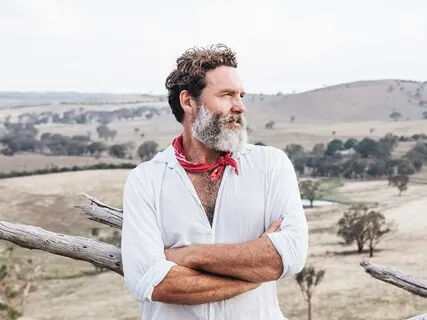
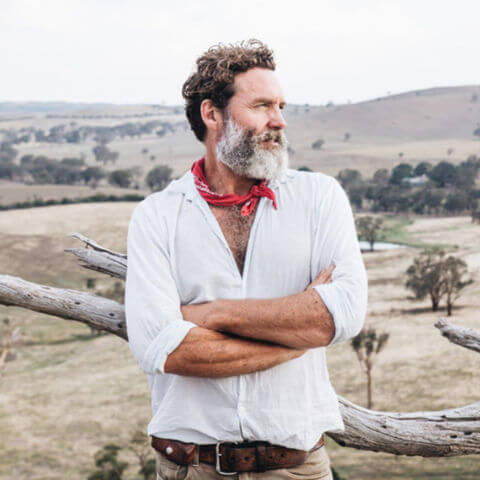
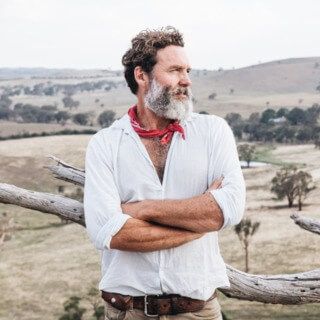
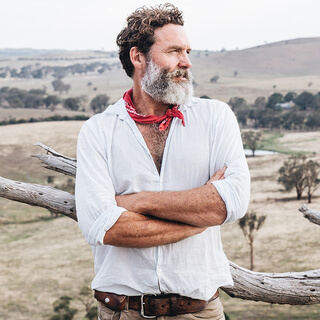
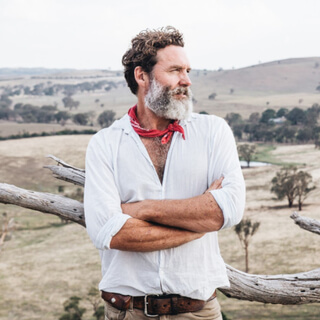
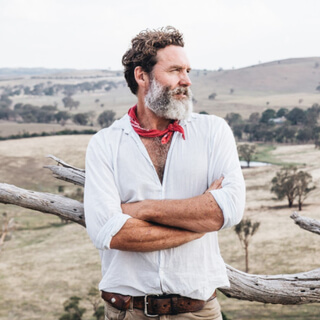
Today's interview is with Mick Whittenhall,
A farmer from Trangie in New South Wales.
I've known Mick for quite some time now and stoked to be sitting on his veranda here at Weima Bar at Trangie and we talked about all sorts of things,
The amazing farming initiatives he's implementing here going from a conventional farming situation to one where he's using and creating and making his own products and helping develop a very interesting inoculation product that a couple of mates dug up a few years ago.
It was dug up by a professor in Sydney.
You'll have to listen to the interview to get all the detail but fascinating stuff and just goes to show how some very simple things,
Simple opportunities and simple essentially will be practices can make a huge difference to the sequestration of carbon essentially.
We talked about all sorts of things.
This will be a two-part interview.
This one we went for,
I think we did break all records this time so I won't spoil it all now but welcome to and hope you enjoy this interview with Mick Whittenhall.
Mick Whittenhall,
Welcome to The Regenerative Journey show.
Thanks for having me Charlie.
Welcome to your veranda here at Weima Bar at Trangie.
I was wondering how long I was taking you at the bottom of the bucket and how many episodes you've done and you got to me.
Well look as I said to a fellow the other day,
I interviewed Murray Pryor at Yass near Yass and I said mate Charlie Massey can't do it tomorrow,
Can I do you?
And you were third on the list.
So no,
No I have to say I got in last night,
We had a good chat,
We had a good chat this morning and which was wonderful because I've been watching you from afar and we've known each other for a long time and I've just been,
You know it was a really good excuse just to drill down into what you've been doing which we'll get to and I'm going to stop coughing in a minute or scratching my throat.
Now I'm going to,
Mick I'm going to go straight to the guts of it right now,
Straight up.
When does a Mick or a Mick or a Mike?
Yeah right,
I suppose that's,
Geez I've been Mick for probably yeah,
40 years I'd say.
Yeah I was Mike as a kid,
Primary school and then I migrated to Mick,
I don't know why mate.
So you were a Mike for a bit?
Yeah well I suppose I was Mike by my family and then I just,
I don't know I've referred Mick,
Just a bit of an abbreviation.
So it was your choice,
That's great.
Yeah I suppose,
Don't know anyway.
There you go,
That's it,
That's pretty much it,
We've hit the peak.
That's radio gold.
Right there.
Mate let's get down to Tintax,
We're sitting at the Weemar bar,
On the Weemar bar,
Homestead veranda or one of them,
Looking out upon your beautiful garden here and we'll get to sort of a bit of the history there.
What does it mean for you to be sitting here looking out there,
Sort of set the scene for listeners as to sort of our setting and what being here means to you?
Yeah I mean I think country life is the best kept secret really,
You know I mean I love to go to the city,
I love Sydney and all it has to offer,
I love to travel and go places and you know go to the beach and you know we go to the beach on holidays but I always come back here and it's sort of,
You're walking around the garden here after you've been away in the city for a couple of weeks or you know at a time and it's just,
Where the silence is sort of deafening almost you know and it's just,
I just think we're lucky to have the best of both worlds where you get this sort of experience of city life as you and I have both experienced but also get to bring our kids up in a you know,
Such an open and free environment.
And how long have you been back here?
We were talking about it a bit last night.
Actually let's go back further.
Let's go back to I guess formative years and sort of I mean you're a farmer and you're doing a wonderful job and have a big,
I believe a big,
Not that you haven't had a big sort of past already but there's lots of really cool interesting projects on the horizon and already sort of being achieved but you know before you were farming and doing this,
What was,
When you were Mike in your group.
That's a long time ago.
Well maybe just after you became Mick,
I mean what was your life not so much like but like you know just as a reference point for what you're doing now,
What was you know,
Where did it all start?
Where was the hankering for farming start?
Oh yeah I've always been a country kid,
Always loved the bush.
Yeah you know left school,
Went to the Territory,
Did all those sort of things,
Worked you know in the industry.
Yeah and that's I suppose where it you know where it all started.
And then when Kirsten and I were married there was an opportunity to come out here and work on Weimabar with George's,
With Kirstad George and we've been out here for the last sort of,
Yeah since 2001 I suppose.
So we've sort of been through that whole family succession.
She's the youngest of three girls.
So yeah it's been,
Well I think you know I think it's worked really well that they've kept the family home and everyone come you know comes back and enjoys coming back to Weimabar and it's a real sort of you know hub I suppose.
And was there I guess did you have a sense of when you were younger you know obviously you met Kirsty at some point there and you know the rest is history as it were but was there a sense of how what sort of farming you wanted to do or where you wanted to live or you know was there sort of a was it just like I just want to be living in the country doing stuff?
Yeah I was always destined for a career in agriculture and I was in you know living in Sydney at the time and which seemed quite strange was kicking around down there doing all sorts of different gigs.
After what age were you?
Yeah so this is sort of I suppose yeah mid-20s I sort of left the bush and went to Sydney and lived down there for a bit and I was working in construction and you know a number of different gigs down there and I was radioing at the time and that was you know so I'd spent a lot of time travelling doing that.
Yeah right.
And it was something I really enjoyed and did for a good few years so Sydney was a pretty central place to travel out of.
What were you riding?
What was your favoured event?
Oh mate I was a saddle bronc rider,
Not a very good one but yeah I didn't I enjoyed it it was a lot of fun met a lot of great blokes and I saw a lot of the countryside and went to you know I went to Canada and did a season and that over there which was a lot of fun and yeah.
Any injuries that you can tell from?
Yeah.
You got a bit of a weird gait about you when you started waddling across the garden there.
Well mate I got no cartilage in my left knee that's due to that but apart from that it was fine I think it's yeah it's not as bad as people make out I think probably rugby's probably harder on the body than saddle bronc riding you know.
What did you learn from saddle bronc riding?
Was there a reason you did it in that you were I don't know proving something to yourself or was it was it or maybe not been no not necessarily an intention about that but was there sort of some anything you learned life lessons you learned from it?
Well mate I think yeah I suppose you have to yeah it's that whole balance of of fear and anxiety and and things like that you have to you know have to sort of overcome this there's no greater feeling I reckon you know when it when it like a good saddle bronc ride feels really good but a terrible one feels bloody ordinary and it's it's almost like it's a bit like the golf you know that one good shot at golf that has you keep going back that's that you know you get that you get that timing and that rhythm when you're on a on a you know on a good saddle bronc horse and it's yeah it's a lot of lot of fun and you're trying to recreate that.
So what back to the farming caper what was the I guess explain if you could the sort of the the type of farming you know what was in a typical day or what what sort of how would you describe the farming that you were doing when you when you came back in 2001 you know was it you know we're training it was a typical sort of you know farming sort of enterprise mix here is anywhere else in the district and.
Yeah so traditionally you know weimabar's an irrigation property on the banks in the Quarry River here so sort of a river alluvium that you know predominantly to sort of heavy black verticiles.
So we were yeah generally cotton growing George was growing a lot of cotton at the time and there was irrigated cotton.
And when I sort of came out here you know he's growing a thousand acres of cotton sort of year in year out it's one of those things if you didn't have the water you'd pull the beds up because you generally got the water you know what I mean and you'd punt on getting that water and more often than not it would rain through the season the dam would get a bit more water get a bit more allocation and you'd sneak through.
That model just doesn't seem to be applicable anymore and whether just the 90s it was just that era that they could was that snapshot in time that could be they could do that.
Was it a seasonal thing?
You think the seasons have changed that there's sort of not the there's not the rainfall up the river to supply the water or just the or the or the the in-season rain that's falling or what?
Well it just seems that way when we're just not getting the allocation you know that that we did once upon a time like it was just do it year in year out like I say grow that pull those beds up and plant that cotton.
Away you go.
So and it's something I wasn't ever exposed to cotton growing before and it was sort of you know and the bad old days of probably cotton growing if you it's one of those things if you weren't sort of born into it it's sort of I found it did sort of challenge my it challenged me a bit you know in what it was that we're doing because it was a lot of you know probably at the stage up to sort of 15 sprays in a season it was just horrendous.
And that's funny for heliothis?
Heliothis yeah.
Yeah it's funny you say that because you're not the first I mean in the last I reckon week and I can't think where I've been the broken hill for a couple of days but maybe was out there I heard exactly the same thing about cotton if you're not born into it then it's a it's a it can be a challenge to sort of get get into or stay in or sort of get your head around so interesting.
Yeah and I was sort of thought well I have to work out a way to do it differently if we're going to continue to do it because I was just you know I was just finding it really really challenging to you know to be putting putting out synthetic pyrethroids that are just towing every insect in the paddock you know like it was but it's the cotton industry's been really progressive and has moved a long way in the last you know two decades that I've been for I can't believe I'm saying that.
Two decades you old boy.
Yeah I know but and it really has moved a long way but it's still and it is continuing to evolve and and and grow and I think this is one of the challenges that we have not only that a lot of people you know you get on social media and you hear people talk about cotton oh geez it uses all the water and we shouldn't have cotton and we should be growing hemp you know and thinking well that's fine like oh you know let's develop a hemp industry and I'll give that a crack as well but you know trying to grow this is what people don't sort of realise if you grow hemp in an industrial model like we're growing cotton in an industrial model you're growing a grass you know a plant that grows to and I'm not sure the agronomics of it but it grows really tall really quickly so that to me says it's going to use a lot of nitrogen there's going to be people chasing yield and you're just going to be in in the same predicament that the cotton industry's you know in so yeah I think unless I said cotton industry's really progressing and starting to you know they're acknowledging the challenges we've got with climate change and how we're going to mitigate that you know going forward so people have criticized it sitting there in their bloody cotton socks and their cotton undies in there you know it's sort of yeah you've got to it's still I get the end of the day like if it is you say if it's a if it's a hemp that they're looking that you know is going to be the alternative yeah that's fine it's still a monoculture yes it might be more water efficient but it's still going to need it's going to burn diesel to plant it's going to burn diesel to harvest it's going to be there's going to be all sorts of other you know good or bad consequences that that a lot of farmers who are growing it probably don't even haven't worked out yet you know it's sort of no silver bullet is it no it's not mate it's not it's the simple reality of agronomics you know a crop that's going to grow that amount of biomass it's going to need a lot of you know it's going to need a lot of time to get over that you know but trying to do it you know year in year out or something you're going to be faced with the same predicament so yeah I'm a you know a big believer that agriculture needs to be an evolution not a revolution if you know what I mean I'm really inspired by about the opportunities that we have with agriculture going forward but it's not you know that we necessarily need to move away but we need to evolve to systems that can protect that natural capital and enhance that and a lot of there's a great misconception I think out there and probably in mainstream saying in agriculture anyway that the choice is binary we have to have you know soil health or production and you know or soil carbon and production but at the end of the day we our systems need to get to a point where we've got enough you know carbon in our soil that's actually driving that production and that's we will grow more food with carbon in the soil and better and better quality food.
I think it's a good point Mick you know and and just sort of steering it towards a grazing and sort of meat production direction there you know it's a bit like saying oh we've got to get rid of all the cows out of the environment because they're parting and you know killing the planet so like well we can actually do both we can actually still we actually need you know ruminants in the landscape because they used to be and you know they've been taken out and replaced with other types of ruminants and other grazing animals but you know we can still produce meat and that's in that's a whole other sort of argument well not argument but sort of conversation but but we can use them as a tool to to sequester carbon so it's not a so it's not a matter of this or that it's this and that isn't it you know we can produce stuff and we can we can build soil carbon and we can you know feed the world and we can actually improve the environment and all its functionality that that is required really required of us as farmers to take responsibility responsibility for because we were talking last night about you know the environment subsidising the food system yeah at the moment yeah oh and has for for many many many years no but you know the onus can't be on the on the farmer to do without the goodness of his heart and this is the thing and this is where I'm a you know a big believer that we need to remunerate farmers for you know for this work and and the best and simplest way to do that is to put a price on on carbon and you know it's like I was saying to you I envisage the day that's not too far away that that carbon needs to be a line item on a on a balance sheet and that when we'll make like all of our enterprises will make decisions around that but at this stage no one's picking up a tab for the cost of it so this extractive model of agriculture that we seem to have is eroding that that soil carbon and it's quite the thing about it it's it's quite elusive because it's like that frog balling in the pot scenario it's sort of that three percent every year that we need more to get the same same results and that we don't really see it happening but it's like the frog balling in the pot slowly turn the temperature up and before you know it isn't knows that he's cooked you know and that's it's a really good analogy for for the industrial agricultural model yeah let's get back to 20 years ago so there's cotton in the paddock there's what else was running around what else is yeah so cotton wheat cereals pulses all the general farming stuff beef cattle yeah george had a short horn stud of course which we no longer have yeah the shorties have gone okay uh mick that was a lovely interview thanks for your time yeah yeah so um but that was yeah and we we haven't moved that far away from that model now i suppose um we're probably doing less dry land farming maybe than we did you know there's a lot of sort of wheat loosen rotation on the river here that we don't sort of do a lot more of um anymore i'm sort of doing more um yeah more sort of multi-species forage sort of crops um trying to drive that that biological function and and you know address that so um there was a so you you jump back in the well jumped into the the driver's seat here as it were um and um was there so so you know i guess you know in a mixed farming operation here at trangi um which was was that similar to a lot of other farmers in the area is that a sort of a bit of a you know you didn't you you were let's just say a normal farmer back then as in you you you were were you doing pretty much were you doing a few weird things oh mate no i'm always been bloody weird you know that i'm a bit of a yeah um i don't know i've always had a thirst for knowledge i just i love learning i'm a self-confessed pet head you know like i'm just i'm fascinated by soil and and i came out for drove george mad i think you know like all the training i did on it you know i went and did the laningham and you know grime site all the different any course that was on agriculture i went and did did the ballistic management training and that's where we met and um yeah uh so it was sort of all around i've had this fascination for how we can do things differently in agriculture and um yeah and i've tried on a number of different things along the way and uh yeah it's like it just keeps keeps evolving i suppose and there's just yeah it's just so fascinating it's just we can just know a fraction of what there is to know about soil and how it functions and it's just it just really fills me um with hope and and um inspiration about um the opportunities for our industry going forward you know moving to a low carbon economy and and the potential we have like our soils at sub one percent soil carbon if you had to put a figure on it of their their capacity the you know the capacity that they're operating operating at at that is just is it 10 15 percent of what they could potentially do like who knows what that number is but it's quite exciting though it really is exciting and i said there's some real low fruit here and we just had there's some nuts that just definitely need cracking and that's what you know that's what we're all about you know what what was what was if i can ask what what was george thinking about um this this son-in-law who was running around doing all this stuff and using words he probably hadn't heard before and maybe experimenting here and there was he was he sort of um how did that sort of fit into the to the to the to then current farming you know practice one word extremely patient i think um good lord poor george yeah um and um i think you know i dragged him up some gullies where he probably didn't didn't necessarily want to go and um yeah and he'd run a really you know run a really successful farming business um it's not like i think young blokes and i look back now you know young blokes can come tearing headlong in this is like you know i'm bloody old good old bloody you know that's how it can be perceived um and yeah it's sort of um it wasn't that way at all but that's the way it can land i suppose you know and that's um like i said he was extremely patient we've got a you know we had a as you know family succession and things like that but he's been he's done a magnificent job of of um of doing that and it's real yeah credit to to what he's achieved here and yeah what he's been what he's done because it's not often the ways that i'm i'm sure you know a few maybe even similar same people you know that unfortunately families don't get to the point of working that out and it can end in uh very messily it's interesting isn't it that one like it's sort of um lynn sykes i reckon summed it up in a statement she said so much with agriculture she said with professions so much of who they are is tied up in what they do so take away being a farmer or whatever do you know what i mean you are not what you do yeah yeah so and i thought that is that's so true and there's another and i suppose where the the issues are with succession and different um different generations its attitude to risk you know that the older generation generally don't want to take the risk and younger generation do so it's sort of and then you might have two or three you know different families that are involved lynn sykes also said another thing um to me she said that uh just because your family doesn't qualify you to go into business together she said there's no other industry that does that but agriculture does it no there's an expectation isn't there you generally you go and pick a business partner you know get someone who has the skills that you do that you that you know yeah whatever and you say okay this is going to work no you're my brother let's go and then we're going to bring a couple of wives into it and complicate it now where are we going to go now oh so so mick when uh so running a running a um a farming business and where did was there a particular point in time that um you remember to be a significant you know turning point or or or a point in point that you know changed you might have been going from dabbling and this and dabbling that and that to no this is actually something i've really got to focus a bit more on yeah like i said i've um i've been a real seeker of i've loved doing any training any courses anything like that i did a lot of the um the courses that i alluded to there before like things like you know grazing for profit and all that they were a bit of a breakthrough moment um for me um it did make a make a lot of sense um you know and i've practiced it for the last 20 years it can tend to be a bit idealistic um yeah and it um and the and a big issue with a lot of it too that it can be i see it's a bit exclusive can be a bit sort of holier than now to the mainstream and i think that's something that needs to be overcome with that but what was the what was it that was that was leading you i think to even go to the some of these courses or was it was it was it a hunger for something or you were getting away from something else or was it yeah yeah yeah okay yeah no i suppose it was just i wanted to be able to do things differently i i didn't uh yeah that the typical agricultural industrial agricultural model was something that i struggled with and i wanted to be able to learn how to do things differently so i did the actual farming for um for profit i think was probably one of the first ones that they came in and we started looking in different things and i was working with um you know bart davidson he was i still laugh with bart about it now you know had me covered in fish guts and bloody you know he loved that and i'm making my own brewers and things you know like i was just yeah i was trying all these different sort of things on them or just exploring i suppose it was really sort of early days and um you know we're getting to a point now we were refining things probably a bit more um so uh picking up some courses getting getting on the page um defining moments yeah yep um i think uh that was really yeah i suppose those a thirst for wanting to do things differently um was was was was the key key driver so um and where was the back to the turning points was there a um was there something that happened or a series of events was it a you know as charlie mousy says a tension event or was it or was it a slow burn or you know yeah well like i said always this drive to try and build carbon in our in our farming systems and um i think well it was 2006 um at an at an rcs conference in sydney i still remember it um that um tim flannery um was the speaker and climate change was something that i hadn't really ever heard of like i don't know i must have been like a freaking rock or something but anyway this bloke came i just absolutely blindsided me like it sort of um yeah started talking about the issues that we had and it's you know it's all happening now and he had photos of glaciers that were retreating and i thought geez um and i remember going out after it um you know after smoke after the breakout session after the after the talk and it was the general consensus of the group of farmers geez he's a happy bloke isn't he you know like what a load of shit i've heard about that it's all crap you know i'm thinking is it really like it seemed it seemed like like you know pretty convincing what he was talking about yeah he had some he had some that's some pretty good points like nah nah nah it's all rubbish um anyway i went home and i read his book the um the weather makers yeah yeah um yeah i remember i think each each chapter had a quote at the start whenever one quote really stuck with me he said when humans had a have a choice between starvation and raiding humans raid and i thought you know that's and that's um you know that's the reality of climate change if it goes unabated and and that's been i suppose for me it's almost yeah coming out in rural in a rural setting or rural circles and say that you believe in climate change back in 2006 it's like almost saying you're gay in 1950 or whatever you know you'd have been hung drawn and quartered in town square um you know so but it's something yeah stand for something or you'll fall for anything is the is the saying isn't it not and i have been a real a real advocate for it and i spent i suppose i looked at it more and more and and i found myself being quite depressed and quite fearful um and then realized that that's that doesn't help the situation and then i just think now i'm just i'm really inspired about the opportunities that are right there on the point of our nose for for our industry in in the potential for agriculture to become you know a climate mitigating force so tell me about that mick what's what have you what have you instigated what sort of direction what path what journey are you on now where that had been a catalyst what was something you know so what did you what were some of the first things you did you had the sort of let's call it catalyst epiphany whatever it was then what was it what was your next sort of step did you get home and go right we're gonna do this that the other or what was where what was that sort of next step from that that turning point yeah i'd been working with guy consultancy at at fords excuse me um who guy web who's um yeah and now a great mate of mine and we've been working together for the last sort of i suppose it's probably now shit i've known guy for probably 15 odd years and we've been working together um i couldn't sort of find an agronomist locally that was thinking the same way and and guy had um you know was looking at how we develop systems that can build carbon soil and we were both looking at carbon and soil basically from a productivity perspective which we all need to look at it from obviously um but then yeah and we he he too um had been bitten by the whole um climate change sort of bug and and realised the um the potential in agriculture and that's where the two of us really um struck a chord i suppose with each other and um it was one event in particular um so we've been working together in the paddock you know obviously trying to build carbon in soils you'd think it's just about building biomass you know the more biomass more carbon in should be more carbon kept um and guy went to the carbon conference in dubbo in 2013 last speaker of two-day seminar um was a guy called peter mcgee retired scientist out of sydney university and um he it was groundbreaking work that just sort of fell on deaf ears at the end of a long conference and uh guy thought my god this place just got the key to the universe um and thought he wouldn't be able to talk to this bloke at the end of the end of the conference um he thought they'll be 15 deep and um mobbed and um he was the only one that went back and said tell me more about it um so basically peter peter's work he's a um he was a mycologist and uh he had they'd found carbon um inside of micro aggregates in soil that were dated to hundreds of thousands of years so and that made sense to him um because inside of a micro aggregate it's it's an oxygen-free environment so there are there are two um key uh elements of how we lose um carbon in soil and that's um hydrolysis and oxidation so wherever there's air wherever it's exposed to air or whether it's exposed to to water carbon will be will be lost relative to particle size and time doesn't matter what it is um even if it's a um a water stable like a humic compound it can still be oxidized albeit slower but it can be oxidized and that's what i never realized that you know and i was saying to peter because then guy got peter out did a did a conference at greenville and you know i was one of 12 farmers or something in the room average age 65 um it tends to be you know when you go to those things and he just had this i was just it was like an epiphany um and i'm not saying this is the only way that you can build carbon in soil but it is a another way that um that we can do it so the so back to that carbon that they found it was inside of a micro aggregate so um put a line through plants straight away because root hairs physically won't fit inside of micro aggregate um so started doing their work with fungi how did that carbon get inside that micro aggregate um started doing their work with fungi and they uncovered a specific set of species called melanized endophytic fungi so they're an endophyte just like rhizobium bacteria and endophyte that sequesters um hydrogen um and so they um did the there was a phd student um did his work on it and they found the results were um increased soil carbon by 17 in 14 weeks using sub clover um which was using sub clover that was inoculated inoculated with this particular with with this particular set of organisms 17 phenomenal numbers like it really is and this is and this is where i suppose we've really struggled getting the technology up because it just flies in the face of what everyone considers as normal for um for being able to build carbon carbon has always been thought of as being really hard to um to build um in soil takes it's quite transient takes a long time and it's easily lost and all this sort of stuff um but yeah his work suggested that this wasn't the case and and um it's sort of i don't know of almost they say science progresses one funeral at a time it's a really good saying that one i think you know a lot of people have had their whole career been around soil science and said that's just not possible it can't can't happen and i think that's where we sort of struggled so after that um after that meeting with pete we said well where's it all up to you know what's the next step when can we buy some of this because this is this sounds fantastic and he said that um i'm retiring cindy and he's not taking the work forward um yeah so i've tried to um get people engaged in what it is i'm doing and he said it's i've basically given up he's i'm just gonna i'm retiring and gone i just thought this i just can't let this happen like a technology like this to let let it die on the annals of academia um would just be an absolute travesty so guy and i we laugh about it now probably but um you know uh we we thought we'd um we'd take it take it forward we got some of the some of the um the strains that they used in the in the trials and brought them back um did a couple of different trials i did a trial on here at cotton on cotton we thought we'll get it into agricultural soils where we see you know the typical you know issues that we see in agriculture of chemicals and tillage and all that sort of stuff and it won't work it'll just be that controlled environment that it did work but we got a result in in cotton i've got a result in um uh in canola um you know we've uh yeah so we've been trialling along the line a number of different different crops and seem to be getting you know getting similar responses and when you say a result what what did you see what was that result what was the sort of the the numbers or the the actual thing that was being impacted or progressed by the use of it so with the trial work that we did um we were basically putting a lot of spores out in a small area so it's not necessarily in an in a traditional agronomic agricultural environment that would normally do that so we put uh sterilized wheat seed with the endophytes without and put measured amount of wheat dug them in in alongside plants in a replicated fashion and so you're putting the same amount of making sure you're putting the same amount of carbon in the soil with the wheat and then we just measured the different yield no i didn't measure yield because there aren't any small plots okay so we just took soil samples of carbon and then sent those soil samples away and measured and we were seeing you know we were seeing similar numbers to what peter so so it's just really for us getting our heads around yeah can we do this in an agricultural system so the the the the impact was was a was a carbon sequestration basically there was a measured measured increase in carbon in terms of the plants um productivity or the yield or the health was there was some measurements you know of of the of the impact of on production of that of that again we didn't follow it through because it's only a small area so we couldn't we didn't do yield or anything like that we were just looking at it purely from a carbon perspective but you could see um yeah on the canola especially it was physical you could see that soil that actually changed colour in that was quite i'll never forget when guy sent me through the photos of this this canola sample it was just it was incredible so is is there have there been trials done since or is there plans to do trials where a bit more broad acre um you know with with measurements of soil carbon you know biology activity um yield potentially of whether it's cotton or wheat or you know and actually um nutritional you know like bricks testing of the of the of the plants growing and use having used the the um the inoculate well like yeah i was saying you know guy and i quite naively thought well we'll just pick up where peter left off and get this technology up and you know up and going shouldn't be too hard who needs a phd exactly like we'll have a crack and um again we just thought imagine that i mean because we just know you know i'm a big believer that if we're going to mitigate um climate change that agriculture is going to have to play a massive role and we can't you know i'm a big fan of things like um permaculture um you know fan of you know what you're doing with the bio dynamics all things like that which are that that are really good in their own right but the how are we going to get mainstream agriculture over the line you know um and and that's what i see is that it's about all about firstly adoptability that's easy for farmers to do and um again it's just an evolution that we're trying to create and so it's evolving from where we are now um and and yeah being able to have that repeatability reliability every time and like i say use that the nitrogen um uh example rhizobium like we tripped over rhizobium back in the early 1900s um where scientists dug up um you know legume and found nodules on the on the route um and thought holy hell that's nitrogen well only one place that's come from is the atmosphere hey you know so i've told these peers like well this is unreal imagine we could there's a heap of it up there there's a heap of it bloody 73 percent or whatever it is like geez you know let's let's get some of that we said why don't we we should inoculate all our legumes and apparently the time you know it was ridiculed um and witchcraft yeah and um but they said about doing the work and um and here we are 70 years later um that there is not a farmer in the world anywhere that when he plants a legume doesn't put that specific microbe um on that specific plant to get a reliable repeatable outcome every time and that's 30 units of n for every ton of biomass that you grow if you follow the instructions on the pack on the packet you'll get that you know and that's where the biological farming piece sort of needs to to be able to get to that reliability step out of the you know the for mainstream it's got to stick it step out of that sort of snake snake oil sort of tag um and we get a you know a lot of the the true believers um we label us as probably a tech fix and it's just so not um you know it's not at the expense of the rest of the microbiome it's just ensuring that certain sets of species are in there in critical amounts it gets a reliable repeatable outcome every time and we're looking to put forward a soil carbon inoculum package um so we've got the carbon endophytes in there um water stress relieving endophytes nitrogen fixing endophytes um you know potentially piece volubilising bacteria all these things ensuring that they're not at the expense of but ensuring that they're in that mix and will that be available um for for purchase and and is that going to be a um addressing basically a seed dressing is that how yeah so and it's something that farmers are really um you know technology farmers already already use and they're happy to use it's pain in the ass that you have to inoculate your legumes and you know we all finish planting planting your pulses of your legumes or whatever and then you um get onto your weakness and you think you know thank god that's over and I don't have to say dress my seed anymore but if it means we have to do that and who knows how how we'll do it we might put it you know we're looking at putting it with granules or um yeah as a liquid inject or as a seed dressing there's a number of ways of doing it but um yeah that's um I suppose that's where it evolved to evolve from is that after that meeting with Peter and Guy and I thought well naively thought well we'll just take this forward and we'd heard about we thought if we're really transparent about this um why don't we set this up as a um as a not for profit and and because we'd heard about these trillions of dollars for um for climate philanthropy that that's out there climate initiatives yeah surely there'll be someone who'll get this and see the impact and the potential and you know if we if we can if people can really get our why of what we what it is that we're trying to do um surely we'll we'll get supported and supported in the time frame that we need to so I thought no point building it up and hiding it in one corner of the world and need to find that it could have solved the problem but you know but we ran out of time so that's really what what drove us so um we were both really uh really aligned um with that and we yeah like I said we bloody um did it on the on the side forever Guy Webb was an absolute Trojan um with it like he was just relentless I was more his wingman um but he was yeah um did an amazing job to to keep Source Quest going and keeping his day job um what what was Source Equest at the time like what what did you had you created in in Source Equest so um well we Source Quest was just basically Guy himself initially and um you know we're putting in trials and we put these you know you look back now and you look at the videos and that we did but we all evolved from you know like I said it's almost it's really quite naive if you think you're going to you have to have a certain amount of naive you think you're going to pull something like this off totally um otherwise you thought too much about it if you thought too much it's just oh you haven't lent yourself mate like are you kidding like seriously you're a copy from trang it you reckon you're gonna you know save the planet yeah I know and that um take that on and uh that uh that's what sort of you know what was driving us um the you know that whole the whole journey but yeah it sort of evolved from there we picked up people along the way that could see what we're trying to do and and you know we had other people that were giving up their day jobs as well to come on board and thinking geez you guys got a lot of faith in what is it we're doing and that but that but that void us as well so you know um it really has been a joint effort we've just pulled people in that are just so good at what they do um you know uh frank ollie and and teak knock they did a documentary on the project and that was one thing that launched grass yeah grassroots yeah so we'll put that in the show notes for people to to check out and that was a that was a real catalyst you start you starred in that one oh well I don't know about that but frank did a mass he did just did a great job and one bloody uh these documentaries very famous in slovenia is that right i think it was slovenia where we won we won he won the best documentary all around the world like it literally went around the world and that really gave us some exposure um and got us that next level like we you know first of all go and i went to government and they sent us you know went to the local members you do and say we got a great idea you know like get us in and see that you know someone in government surely government will fund this but mind you they funded um rhizobium um inoculum all those years ago yes um but that was a good good good point there you know it was a totally different sort of funding and and research environment back then wasn't it oh it would have been totally yeah the best of interest as there is now so yeah sent us off to seem like we're in the right place a carbon farming initiative and um and they just couldn't get it for whatever reason you know it was really frustrating we've had lots of highs and and lots of lows um along the way but we just kept picking ourselves up and and pushing on with it and like i say guy was an absolute um absolute Trojan with it um so then the the next big breakthrough i suppose was a mate of mine or mate of ours you know um Sarah Porter who was working working for the BBC at the time in Singapore said hey i've been talking to my boss about what it is you're up to and they're really keen to do a do a story on you and i said really she goes yeah 90 million people breakfast you know tv up for it and i thought oh you know a big break no pressure so i remember i was just it was monday morning i was all weekend i had it all worked out what i was gonna say script oh you know and i just how many minutes did you did you know you had oh i don't know and i just thought if i spoke really quickly i'd get it every year i had to say um it was quite funny i look back now and i cringe as you tend to but um anyway it was uh it seemed it had the desired effect i got off the i got off the call well first of all she started off yes now we're going live now to mick from trangies talking about using soil in Australia yeah fungi to sequester carbon and yeah tell us more about that mick well have you got three hours so um anyway hardo who's our CEO of soil carbon company now ring me up 15 minutes later i get off the call and i'm just going oh jeez i should have done i should have said that i shouldn't have done that i you know and he said what the hell did you just do and i said what do you mean what did you do and he said i just had horizon ventures just uh ring me ring me up um and they want to um they want to talk to us and i've got we've been talking to them before the man on the ground here in Australia hardo had been had sort of pitched to him but it's like yeah they're not for profit you know we're all about commercial um you know entities that we're looking at and it's not really our bag anyway um yeah his boss in the um um overseas that had in Singapore heard the heard the um the interview and um said let's talk to these guys so that's where it's evolved to now we got so they're the um they're the lead investor um and uh so we've raised about 10 million all told um we've got under the under the um the soil carbon carbon carbon company was spun out of out of soil sequester and we've kept the so the the not-for-profit is the largest shareholder of of soil carbon company so um when it's up and um you know we're up and we're running entity and selling product there'll be money fitting back into the into the non-profit and that's my that's my part probably more so i'm not really you know i'm not a scientist and i'm into breeding you know to doing all the lab work and and running that side of it i'm more about the systems you look very fetching in a lab coat and a beaker in your hand there yeah yeah um but i'm i think there's just so much work that needs to be done to developing systems um for carbon sequestration so we need technologies um but we also need the systems to to overload those technologies in and and systems that you know if you listen to facebook you just do what one bike does in bismarck north dakota and you know happy days it's just cover crops and magically it'll it all happens but you know in reality and i've been there like anyone who's dabbled in this space not not hard to take some bark off um you know trying some of these things on you've got to have a really measured approach um so we do it's not to say that the system won't work in all wherever we you know all through the wheat belt in in australia but there's regionally specific systems that are going to going to work and it's about we need to develop those systems um going going forward and working working with farmers and this is the thing for me you know as you know farmers are really resourceful people and all the all the solutions i reckon are trapped in in farmers heads and we just need to facilitate and enable those farmers and those ideas and that's that's really the purpose of the of the not-for-profit part of the of the entity and that's what we really so where there's a product attached um soil carbon company will be developing the product and the system stuff so guy and i often use the analogy if we're going to solve climate change you need to be able to pull on every lever and it sort of gives you access to to um all funding streams so you've got venture capital as well as you know philanthropy as well to drive those systems like i say where there's not a product to be sold so um let's imagine mick that uh there's a product it's it's it's available you know i guess it's it's um genesis um well i guess you know the trials were with wheat and cotton and so a cropping background how how do you see um it being adopted not adopted adapted by or relevant to graziers how can you see it sort of fit into their system it can i i we don't know all these things maybe we're in just imagine put you imagine cap on we've got um and we're working on it now so it's um we are looking to develop into grazing systems but where the leverage point is um for for cropping systems is that you are you've got that economic you know that that market or that model that you're putting in private investments putting in that planting an area the size of south america every year and they're handling that seed and there's that opportunity to put to match that seed with specific microbes on you're doing it every year you know um and you know that's often what people sort of say oh that the purists will say oh they'll never compete with the native microbes um so when we do it with um with rhizobium and it works and and it doesn't have to stay there because we're doing it every year but these are the things we need to tease out which ones will stay there which ones um you know will be there don't need to be reinoculated and that's probably where the strength will be with the grazing systems again you know like an area the size of south america that we farm but an area the size of africa that we graze so do you know what i mean that and these are all carbon sinks the only carbon sinks that we've really got any control over and they just have to be leveraged um and i was gonna make you some profound point then it's just left me oh yeah right okay um i can't remember what it was now i think uh was something to do with grazing no it was gonna it was gonna chime straight in there with yeah so there is i mean there is the uh the there are there are challenges with grazing systems to answer your question um but they won't be insurmountable and a lot of them too i suppose that a lot of people now uh we're bringing um animals back into our into our farming systems it's funny you know like blokes sort of our vintage came home um from uh from school you know um and so when the no-till movement happened i think the no-till movement is a really good example of you know we've got a precedent for farmers um having already done this because i don't know if you remember when no-till first came out was it was breakthrough it was revolutionary first and foremost it was cheaper for the farmer it took less time so you weren't sitting on your your patties weren't blowing away you're plowing and you're making dust and you're thinking oh well that's what we do it's just how agriculture is um and um you know then the technology sort of came in that we had no-till planters and and um and the chemistry it was a step in the right direction um but it wasn't the panacea that everyone thought it was but if you remember everyone was singing the praises of of no-till farming if you weren't no-till farming we're building carbon and you know like it's soil health and there's you know farmers could see it like sort of like white knuckled at the pulpit preaching the gospel you know it really was it was almost a step sideways and forward in a way wasn't it was like okay it's not what we were doing we're not plowing in the dust you know blowing it away but there was there was also a um again we can say that in hindsight because we we're so much further down the track i think now there's definitely definitely a step forward um i think without a doubt i mean the the plowing uh it's just so so destructive so it sort of went to to that point of of um you know people really excited and how much carbon we're building and they got the point we just worked out the science came back and said we're just losing carbon less slowly and it was just like yeah shoulder slumped as you were you know back to where we were um so we do need the no-till system but we also what's the key part is restoring that biological function you know and how do we do that inside of of agricultural enterprises as they are now without going broke we've got to have a we've got to have a focus on on um you know profit um yeah we've got to tick that box um first and first and foremost i remember i was going to say now mick i was going to say that um it wants to be profound now no it's it's pretty lame really okay no it was that um you know people say oh you got to use the it went back to grazing that's right i mean i think there's a fair argument to say that that um yeah or what's not to say that those microbes and the you know the fungus and the the the the what we're now inoculating what one might inoculate their seed with whether it's a pasture seed or it's a it's a wheat or it's a cotton seed or whatever you know those types of microbes weren't there before once upon a time you know that we've that we are almost replacing or or putting back into the system what used to be there because we just don't what we do know is that the soil the degradation of soil over the last 230 years has been massive you know we're back to a lot of places are actually farming subsoil not necessarily topsoil yes and that um that's not the environment that's not a that's not an environment where microbes who flourish in a topsoil are going to flourish now just like you know let's go we expect you to start growing some decent sort of food so um i think that you know we we but i mean not for the naysayers necessarily but just that you know what what you're doing what can be done is really trying to get back to a system that is that it that it could have possibly been been you know um could have existed all those years ago you know you sort of like okay well we can wait for nature to try and get these the the right as it were fun you know microbes in there to do a job to sequester carbon because i've no doubt that 230 years ago plus there was a very healthy carbon cycle there was lots of microbes and lots of activity and we have we've taken it back to literally you know very small percentages of what used to be there so you know so it's not you know it's it's almost again a responsibility for us to to um to put some of this stuff back you know and then and we're never going to get back to where it was i'm not suggesting that that farmers need to make it look like a you know the landscape used to be turning 30 years ago but we're you know we we know that as you just said you know biology is is what we need to put back and and which leads me to the question how do you see you know i'm seeing a lot of um emphasis on and funds being poured into agtech as a solution to climate change solution to food production solution to environmental sort of you know um let's let's let's get it back on track do you have a you know what's your sense of um agtech versus agtech and all and it's pretty broad topic you know there's there's there's apps there's machinery there's there's sort of you know there's i guess a tech industrial sort of side of it versus a biological mindset have you got a sort of a view of you on that i just think you know that the only way that farmers will mitigate um against climate change going forward in a variable climate there's only one way it's not going to be in that but you know it's it's increasing soil carbon that is the literally the only way we can mitigate mitigate ourselves against a variable climate so those things are all real and it's exciting like it really is the you know the remote technology autonomous tractors all these things are going to be fantastic and we're really moving into an exciting time of agriculture but um yeah all of those are for nothing unless we can crack this all carbon nut yeah um talking about nuts what what's your your neighbours or not so your neighbors does the um does the you know the farming community of trangy um or anywhere i mean how how how how are you fitting in what what what what do people think of oh i think a lot of people are really receptive about you know what it is that we're you know that i'm trying to do i'm i'm not you know i don't profess to to know everything or be doing things you know brilliantly i've got you know i've got so many um a lot of room for for improvement and like i say my system's evolving and i'm still using conventional you know it's not like i'm doing everything um you know a certain way i'm still using um you know chemistry and and and we have to inside of our our system so it's about i'm just really strategic um about how how we use um specific tools and and ensure that when we're using them um yeah we can we can um gate their deleterious effect as much as possible where we have to have to use them but um yeah so any pushback you know yeah nothing none that i listen to i suppose i don't know um yeah it's um i think most people are often genuinely interested in what it is that we're you know that we're trying to do well there you go that's the uh that's the end of part one with mick wettenhall fascinating chat um here at the veranda of wimmerbar um as the rain um started to fall but you'll hear all about that in next week's episode in part two so uh stay tuned for that uh second half of the interview with mick wettenhall this podcast is produced by reese jones at jaeger media if you enjoyed this episode please feel free to subscribe share rate and review for more episode information please head over to www.
Charliernet.
Com.
Au