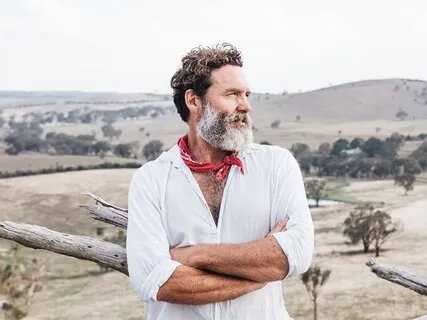
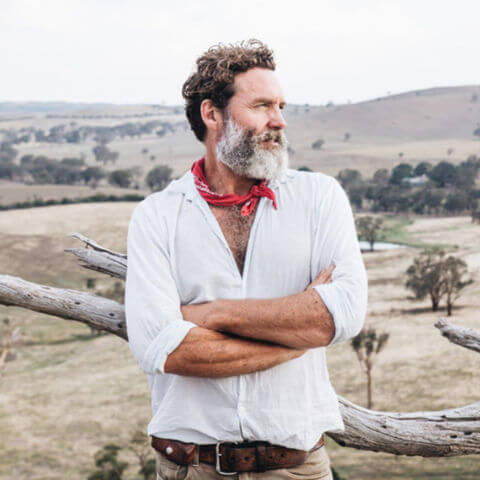
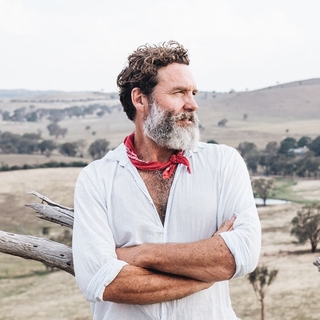
Wine was kind of to me hijacked by the aristocrats and scientists like 60,
70 years ago and they gave it all this new language and reverie and judging shows based on clarity and purity and all this kind of stuff that wine wasn't and farming isn't or nor should it be.
That was Peter Windram and you're listening to The Regenerative Journey.
We acknowledge the traditional custodians of country throughout Australia and internationally and their continuing connection to culture,
Community,
Land,
Sea and sky and we pay our respects to elders past,
Present and future.
G'day,
I'm your host Charlie Arnott and in this podcast series I'll be uncovering the world of regenerative agriculture,
Its people,
Practices and principles and empowering you to apply their learnings and experience to your business and life.
I'm an eighth generational Australian farmer who transitioned my family farm from industrial methods to holistic regenerative practices.
Join me as I dive deep into the regenerative journeys of other farmers,
Chefs,
Health practitioners and anyone else who's up for yarn and find out why and how they transition to a more regenerative way of life.
Welcome to The Regenerative Journey with Charlie Arnott.
G'day,
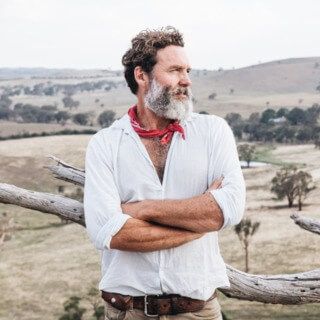
This week's episode even is with Peter Windram,
A good mate of mine,
Currently living up there in Byron Bay and he's moved up there in the last few years to do a number of things which we do discuss in the interview.
We talk about his formative years growing up in the northern beaches of Sydney and his involvement with and living on Crinklewood,
Their family vineyard,
Grape growing farm,
If you can call it that.
In the Hunter Valley in New South Wales and the impact of biodynamics has had on his life.
I love Pete's interpretation or his definition of biodynamics and the way he does it in the context of explaining it to a child and it was a wonderful,
Fresh,
Very clear explanation and definition of biodynamics.
We talk about all sorts of really cool stuff,
Actually food,
His involvement in retail,
Production of wine,
His beautiful insights into life and his own regenerative journey as it were.
Had a really cool time with Pete sitting there on the steps of the farmhouse at the farm at Byron Bay and I trust you enjoy this episode with Peter Windram as much as I did.
Pete Windram,
We're on.
Welcome to the veranda at the farmhouse at the farm at Byron Bay.
Thank you for having me Charlie and it's a beautiful spot and a beautiful afternoon.
It's a privilege to be here.
It's a bit like we're commentators at the cricket or something.
I feel that way and it's a lot more exciting out there to me looking at the birds in the trees and the lovely rows of vegetables and things in the cricket.
Yeah,
A bit more going on.
The Corellas are,
I hope there's not too much.
Rhys,
Can you,
I hope you can sort out these Corellas in post.
Before I kick off Pete,
I just want to say,
Make a note that the other day I signed up as an ambassador for the beard season,
The charity.
And Jimmy Niggles and his crew there raising money for I guess cancer awareness,
Specifically melanomas and raising money for people to have skin checks.
And as I,
Oh,
I didn't turn the video on.
We won't stop.
We won't stop.
Hang on,
I'll try.
Well done mate.
I'm glad we worked that out.
I'm glad we worked that out.
It's the low tech operations that I like to do.
It is.
Rhys,
Don't take this bit out.
It even looks like we're at a pavilion at the cricket.
Yeah,
It does.
So sorry for those watching the video.
You missed the first couple of minutes.
Yeah,
Signed up for an ambassador for the beard season,
Raising awareness and funds for skin checks.
And I had to fill out the form on the website and it said,
You know,
Who are you,
Blah,
Blah,
Blah.
And it said,
Who's your beard inspiration?
And guess who I put down?
Pete Windrum.
Wow,
Look at that.
What an accolade.
I can't compete.
I've trimmed mine.
Mine used to be down like past my belly button.
I used to like,
You know,
Be hazardous on the farm driving along and blow out the window and then get sort of stuck in the door and all that sort of stuff where you go to zip up your jacket in a cold morning and catch it was a nightmare.
Did you,
If you're woken up in the morning and it's sort of tangled up with your underarm here and you're sort of struggling to get out of bed or?
Yeah,
There was a bit of that and being married to a journalist,
It was sort of,
I was at a disadvantage because she was working for Good Weekend at the time and wrote a cover story about living with the beard and waking up with it all covered in drool.
So it wasn't all compliments.
Not a single iota.
How rude.
So that's,
There we go,
We kicked that off.
Now Pete,
I,
As per the name of the show,
The Regenerative Journey,
I'm keen to sort of dig deep as far as you want to go,
As deep as you want to go in,
I guess,
Relevant journeys that you've had a year on and,
You know,
Where that has taken you and anything you've learned on the way.
So I guess a good place to start would be,
Who is Pete Windrum?
Well,
How would you describe yourself?
Because before you,
Just to give you a bit of priming time,
You know,
You're an art director,
You're a creative director,
You're graphic sort of design kind of guy,
You're a photographer and you're a farmer.
And I hope I haven't just answered your question for you.
But what do you,
Probably moving to the next question,
But what,
Like,
How would you,
How would you describe yourself?
Yeah,
I'm all those things,
I guess,
And winemaker and restaurant owner and all that sort of stuff.
But I guess one thing that I've put to everything that I've ever done is,
I guess I'm a bit of a deep thinker.
And,
But I'm also quite spontaneous.
And they don't normally seem to go hand in glove and sometimes I'm too spontaneous and sometimes too much of a deep thinker.
But,
You know,
I approach creativity to farming and I approach creativity to winemaking.
And I approach a natural kind of,
Dare I say the word organic element to photography and design and things like that.
So I guess everything I do kind of feeds into one another.
But,
You know,
I'm a pretty complacent,
Relaxed individual with an open mind.
I grew up with a lot of space around me.
We had a balance between Sydney,
Sort of not too far from the surf and the country where I spent sort of two or three days every week since I was a baby.
So I kind of had a lot of that air and space around me,
I guess that influenced who I am today.
And probably the reason why I ended up somewhere like Byron Bay.
You know,
There's a lot of air and space around here.
And not too far from the surf.
And yeah,
And always sort of had some kind of focus on nature,
You know,
Like I remember being a little young kid,
You know,
Supposed to be doing my homework,
I was like nine or 10 and I was in my bedroom drawing like Greenpeace logos and stuff like that.
And sort of like becoming a graphic designer before I was one,
But being focused on the environment and sustainability before I really knew what those two terms were.
So I guess it's a natural path that I was on from day dot.
And you grew up in the northern beaches of Sydney.
So for those overseas listeners that's on the northern side of Sydney.
My grandparents.
I grew up,
I spent a lot of time at Collaroy,
My grandparents had a,
They lived there for as long as I can remember.
Yeah,
Great part of the world.
So you grew up there,
Beach culture,
I guess,
And then when did Crinklewood at the Hunter Valley sort of come into it?
Or what role did it play?
What significance?
A couple days a week there,
But like,
You know,
That's a wonderful lifestyle,
You know?
Yeah,
I'm very,
Very fortunate of the upbringing for what that was.
You know,
It was pretty raw though,
Like we all slept in a tiny little 60s caravan,
You know,
Five of us and the dog and that sort of stuff.
So it was,
It was pretty basic.
But obviously,
You know,
My mom and dad are tireless workers and I'm gonna say burgers,
But I think they might be Germanized.
So they're very fastidious and always wanted to create something really nice in somewhere that was kind of like a real nucleus for the family to always be around and amongst.
So it's quite an emotional investment as much as it was a physical one for them,
You know,
And a financial one to buy a farm while still being in Sydney.
But my parents bought the first Crinklewood before I was born and were putting in grapes when I was in my nappies.
So the first photos of me are sort of in between the,
You know,
The grapevine rose when it's just like star pickets and stuff and that was pretty raw.
My dad planted two acres.
I think he had Cabernet and Chardonnay at the time.
And he just grew it because he liked drinking wine and he was just curious.
And I think that's probably a word that I'll say about myself.
One thing I'm very grateful for picking up from my father is curiosity.
And I think with curiosity comes like the thirst to know and understand and explore and have a go and all that sort of stuff.
So his was a little bit of a weekend hobby that just spiraled out of control and ended up becoming a business.
So it did start off as a nice upbringing and a fun place to go and learn how to ride bikes and horses and all that sort of stuff.
But it was I guess it was always kind of in me and that joy of the country air and,
You know,
Growing up with a dad,
You know,
Driving along and going,
Oh,
Smell that,
You know,
And you're like,
What?
He goes,
Oh,
You know,
The chicken shit or the da da da.
You sort of,
From a young age,
You appreciate these things and you sort of learn the importance of composting and that kind of stuff.
And that nice symbiotic relationship with livestock,
Like some of my favorite photos of my dad laying around in amongst the cows,
You know,
And that sort of.
And I think not to try and go too far with this answer,
But to sort of understand biodynamics,
You kind of need to kind of think of yourself as part of that system and not trying to control.
Do you want me to?
No,
I was going to say,
Let's go there.
That was my next question.
So let's go.
Let's go there.
Because that's a big part of what we do,
What big part of you do or you have done.
And it's,
You know,
It's one of those things you can't un-know this sort of stuff.
So when,
How were you introduced to biodynamics and in what sort of style and where,
How does that,
How has it been involved in your world?
Yeah,
I mean,
I was borrowing books off my dad's shelf before I was,
Had even considered going full time on the vineyard and the farm.
You know,
Just things like the Buddhism of beetroot and,
You know,
The Dao of nettle and all these titles.
Broad.
Yes.
And it's just interesting to sort of look at agriculture,
I guess,
Farming with a just totally different lens,
Something that I wasn't really that attached to closely.
So there was always the interest there.
And I was like a weekend wine warrior with my dad when they were making wine up there and that sort of stuff.
So I was part of it and I had an interest in it and I really enjoyed the physical work.
Like I would get there from a weekend,
A week working in the city and just throw on any old scrappy overalls and boots laying around and just simply want to get my hands dirty.
It was such satisfying work and you'd be covered in mud with a big smile on your face.
You'd have a beer at six o'clock when the sun went down and it was just such a nice way to spend time.
But I was still doing my creative work at the time and in that a job offer came up in India.
So Nina,
My wife and I moved to Bombay and funnily enough,
I'd been in India only a couple of months.
And it sounds very cliche to sort of snack on spirituality when you're there.
But I guess being there really shifted my headspace where I was at and what seemed important to me.
And what was really important was the work that was happening on the farm without me being there.
And it was really quite ennobling in a way.
It just sort of almost came one day and it was a fever that I just couldn't put out.
So I ordered all of the books on,
I could,
You know,
All Nicholas Jolie stuff,
Peter Proctor stuff,
Everything I could get my hands on to read in India.
So I'd rush home from the publishing house and go straight to our apartment in Mumbai,
You know,
Above the slum and just start reading these books and bio dynamics and sustainable farming.
And then I phoned my parents and I was like,
I'm coming home and I'm coming to work on the farm.
And they were like,
No you're not.
Because they knew kind of that.
Well,
I think my dad was quite excited about it.
My mum knew what was involved and it was such a big career shift and she didn't want me to do it out of any kind of emotional obligation.
And,
You know,
Which is within good reason.
But it was the bio dynamics that really,
Really spoke to me.
And thinking about that harmonious relationship between,
You know,
The people and the produce and what you're doing and the work and that sort of stuff.
So I flew home from India about a year later and literally got in my car and drove straight to the farm.
I said,
Look,
You don't have to pay me.
If I can live here for free,
I'll do whatever work I can.
And got up to speed with everything very quickly.
It was a very,
It was a comedic start because,
You know,
I had real soft hands when I went there on my first day.
So how many years ago was that?
Just to get it to be the context of how soft your hands were.
It was about eight years ago,
I guess.
And,
You know,
Quite quickly I sort of had to fall into a managerial type role just because I was family.
And there was a lot of stuff that comes with that.
There's a lot of boys out there that grow up knowing how to do all these things that we had to do on the farm.
And I didn't.
So I was very aware of not telling anyone how to suck eggs if I didn't know how to raise them and cook them myself first.
So everyone would leave for the day and I'd get on YouTube and look up how to drive a Bobcat.
And I'd sit there with my phone and just figure it out that afternoon.
So then the next day when they came in,
I said,
Oh,
We've got to go on,
You know,
Dig out whatever with the Bobcat.
And I had to sort of show what I needed to be done first.
And that was my learning style on the farm.
That'll happen very quickly.
So it was a wonderful journey and a really fun journey.
But it was,
Like I say,
The biodynamic stuff that really,
Really intrigued me.
But it was interesting.
And the thing that I was hoping that we might talk about today was biodynamics and,
Well,
Part of it is and also the comprehension of it for people who don't work in it.
And I think there's so much confusion there.
And I've been guilty myself of lip service,
Of just using other people's words and sayings and quotes and things,
Because it feels nice to use the words.
And it feels nice to talk about something that you care so deeply about.
But I feel like I'm guilty as much as so many people just sort of caring so much about it and getting so lost into the wonderful philosophical touchy-feely nature of what it is.
And I think if I went into a classroom of like kids under eight years old and I tried to explain what it is that I was talking to journalists about in this quite esoteric language,
I'd be at a loose end.
You know,
And I sort of,
So I'm putting my hand up to say that I can't explain biodynamics to a five year old.
I don't know it well enough yet.
And I feel like that's the next season of my journey is sort of trying to really distill the work on the farm,
My passion for biodynamic wine and roll those things,
Will take it all back to a point where I can sort of crystallise it for myself,
Because I know what I'm talking about.
But it's very difficult to explain it to a child.
Well,
Pete,
The largest demographic that we have of our listeners are five year olds.
So this is a perfect opportunity.
How would you,
Because I mean,
It was one of my questions is,
You know,
How would you describe it?
So I mean,
I guess as a warm up,
You know,
How,
It's a great way to do it,
Because I was once asked by the MLA Meet in Livestock Australia to do some videos.
And I said,
You know,
In what style?
And they said,
Well,
Pretend that they're kids.
Use really simple language.
And I felt like a total muppet because,
You know,
Speaking slowly and big,
Well,
Not big words,
Small words.
But it was really valuable because when I went to listen back to them,
I actually said,
That made sense.
It wasn't full of all the gum.
Give it a crack.
No pressure,
By the way.
No.
Well,
I'll start with the reason why it's a problem is,
You know,
Rudolph Steiner,
Obviously the father of biodynamics,
Had all these sayings like,
Okay,
Sulfur,
Sulfur is what the spirit moistens its fingers with into the physical,
Right?
What does that even mean?
You know,
Is it a gateway?
Is it a lubricant?
Is it a,
And these are the things that we're supposed to understand to then apply to farms.
And if you're talking to farmers about putting the chemicals away and getting into this kind of stuff,
And they pick up a book and read that,
They're never ever going to get their head into it.
So I would say to a child,
What is biodynamics?
Biodynamics is an ancient farming method that deals with natural substances and products to benefit and heal and produce things from the land that you're on.
But with a nice little campfire note of being aware of what's happening up in the sky and under the ground at the same sort of time.
And to put it into a more art director language,
It's that elegant ballet between the subterranean and the cosmos.
Mate,
You got it right there.
It's a good thing I just recorded all that.
It's there forever.
You don't need to do any more homework,
Mate.
No,
But I mean,
It just feels important to me because,
You know,
You can get so fixated and focused on something that you care so much about that you actually kind of lose sight of that peripheral stuff that's so important for people to latch onto it.
And it's interesting from a wine perspective,
Like I was really banging on about biodynamic wine when I was making the wine at Crinklewood and the importance of it.
And it kind of got bypassed by the natural wine scene because people can kind of,
They hear the word natural and they get it.
They know that it's wine that's not messed with in any way.
But 85% of the bottles that are out there are generally kind of conventionally farmed anyway.
So it's something that I'm personally going to take a bit of a journey on to sort of try and bring the biodynamics back into the focus.
And thankfully now there's a lot of people that are who have really caught the wave of the climate change movement and stuff that have cottoned onto,
Pardon the pun,
Soil,
The importance of soil,
Which I know is a passion for you.
But I think if there was a way that you kind of go,
These guys care about what's under the ground to make something better and as simple as that,
Other than it's like,
You know,
Cool guy with a cool label with a funny looking bottle of wine,
Like see past that and see what's really important.
And I think there's certain products that are,
You know,
The consumables,
Well,
Maybe they're sort of luxury consumables like a bottle of wine.
People care a little bit less because it's a bit like a,
I'm in it for a good time.
You know,
When you're in something for a good time,
You don't care so much about exactly where it's from or what it's doing like you might with your eggs or with your milk or with your steak.
And if you only have beef once a fortnight or once a week,
Whatever,
You really want it to be a good organic cut.
So,
But wine being a bit more of a sort of a folly,
It's maybe had a little bit less focus on it.
So I feel it's important to go there.
You want to put the focus and one way you've done that fairly and squarely in the world is with Supernatural.
Can you take us to that point,
Because I've sort of skipped over the agricultural side straight to the,
I guess,
The retail side of your life and involvement with wine.
I mean,
Why Supernatural?
Was it important?
Tell us about Supernatural.
Yeah,
So Supernatural came about from literally my time on the farm and dealing with other farmers and winemakers and things.
And to not be too long winded about this,
But my heart story as well as the business story.
There's a dog.
You've probably been copping the Corellas and they've buggered off,
Thankfully.
But there's a couple of dogs tied up beside,
In the veranda here at the farm at Byron Bay and I'm not sure what,
I can't see them,
I'm not sure what they're doing to each other.
I think they heard me say organic steak.
They're going,
Dad,
Feed me,
Whatever Dad is.
Hopefully Dad comes and takes them away soon.
Sorry mate,
Yeah,
Yeah,
Yeah.
So Supernatural,
You're on the.
.
.
Yeah,
So the sort of personal story that led me to opening Supernatural in Byron Bay was farming,
Funnily enough.
My love of farming,
My love of viticulture and particularly biodynamics was obviously going to drive me to do something in the sustainable wine world beyond the farm.
But it was probably my time on the farm in,
I guess you could call it isolation.
It sort of got me questioning what I was doing there and as much as I loved the work,
I was kind of starved of community.
And I would go off to these wine shows and fly down to Adelaide or wine shows in Melbourne or even just the Hunter Valley or whatever.
And you'd get together and it'd be this real melting pot of energy and you'd talk about your vineyard and your winery,
What's going on.
Or guys in biodynamics,
We'd get together and go out for dinner and talk about all sorts of fun stuff.
But then you'd all disperse back to your properties and kind of just be alone with your machinery or in your winery again.
And I'm a kind of a sensitive person and obviously that's what drew me to biodynamics because to me it's a bit of sympathetic agriculture.
But,
You know,
I was sort of lonely in a way.
And so I started thinking,
You know,
A lot of hours on a tractor and things to think and,
You know,
What's next?
And I really felt like it was going to be a community as the backbone of what I did.
And then it was going to have a wine.
So it's going to be some sort of wine business,
But centered around community.
So I was like,
All right,
I want to go and build a bar and build a community around natural wine and give people a sort of a light journey and a passive experience into what this world of biodynamic wine is.
So Byron's felt like a really obvious choice because it's that combination of farming and spirituality,
Dare I say.
But these things that make people quite open minded and receptive to these sorts of methods.
So,
Yeah,
We moved to Byron Open Supernatural and supernatural to me was always going to be something fun and something lively and something that didn't take itself too seriously,
Which is,
You know,
Talking about the words often used with biodynamics.
It's worse in wine.
You know,
Wine was kind of to me hijacked by the aristocrats and scientists like 60,
70 years ago.
And they gave it all this new language and reverie and judging shows based on clarity and purity and all this kind of stuff that wine wasn't and farming isn't or nor should it be.
And it's time,
It's sort of time and it's happening to sort of claw it back again and go back to what the essence of these things are.
It's like good soil,
Good farming,
Open hearted,
Open minded kind of approach to what you're doing.
And creating something that is year on year or week on week so different to what it was a year or week before.
And that's honest integrity and proper farming.
And it's if people want to talk about that word terroir,
You know,
That very site specific microclimate thing.
You can't have a terroir without farming properly and farming biodynamically.
So I wouldn't start with any of this kind of talk when I was running a restaurant or being there on a Friday night.
I'd sort of have tasting notes that were purely metaphorical so people could connect with something.
Because wine can be quite polarizing.
People kind of feel a little bit embarrassed to say,
You know,
A wine variety from Austria or something because they don't want to pronounce it wrong and look silly in front of their friends and things.
And this is an age old problem.
So I would write tasting notes about dating boys or playing music or like that feeling of running up a hill and that smell of your own sweat or whatever it might be.
Yeah,
That old leather couch or,
You know,
Certain smell that sunlight hits a different thing and people kind of go,
Oh,
Yeah,
I get that.
And they don't connect with the wine in any way,
But they have the confidence to go,
I want the one that's about picking dandelions and listening to the cure because that's an emotion that they feel and they know.
So they're going to I want to taste that,
You know,
And then they'd have the confidence to kind of go,
Oh,
So what is spy guilt?
You know,
And I'd start telling them about it and then I could get into a bit of the philosophy and the history and geography and things and it would all make sense.
So then they'd walk away really informed,
But they kind of arrived at it themselves.
Yeah,
I have to say it was it has been the many times we've been there has been such a wonderful experience because,
You know,
Your staff and and as you just said,
You don't push it on the people.
You're very good at gauging people's interest in their awareness and what you feel.
You sort of tap into what we're up to in their little wine tasting journey and their experience.
And there's no cutlery.
It's all finger food.
It's just getting there,
Enjoy.
It's very it's a what's the word I'm looking for?
Sensation.
It's primal and it's just sensory.
You know,
Everything,
It's the taste,
It's the music,
It's the vibe.
And I read somewhere that was,
You know,
The headline of the article was,
You know,
Why is this bar one of the best wine bars in Australia?
And that was sometime last year.
And you received a wine stingers award for Maverick last year,
Peter,
As well,
For good reason.
So tell me,
We're just in the context,
I want to get back to the agriculture side of,
Or the more the hands on the dirt side of dirt and soil of biodynamics in your world.
What about,
Let's give a little bit about Supernatural.
You,
Like many retailers and restaurateurs have had to shut their doors for some time.
What,
Without going into all the detail of what that meant specifically for the bar,
But what about you?
Where's the last couple of months sort of taken you in your journey or your thinking or your sort of,
I don't know whether it's values or whatever.
Where's it sort of put you?
Has it thrown you or has it sort of placed you gently in a spot?
Both.
I mean,
It's been an expansive couple of months,
Mostly for my waistline.
You're a very,
Very handsome slim looking man,
Peter.
I'm sucking in.
No,
It was,
Look,
Like everybody,
It had,
It was a yo-yo.
It had days where I was like,
Wow,
What a,
When do you ever get a chance for the world to hit pause and to step back and reassess your own life and your own business and have the time to actually kind of readdress where you're going?
To quote Charlie Arnott,
I tried to see it as a gift and when you once said that to me,
How do you see it as a gift and it's a wonderful thing to sort of put the mirror back on your situation.
And I really,
I mean,
I had a bit of a moment of despair the week that I shut because I was still paying exorbitant rent.
I didn't know what was going to happen to my staff.
I mean,
Everything happened very quickly.
It was a domino effect,
But day by day,
New things came up.
And then when I sort of finally knew where we were at,
Which was within the week,
I surrendered to it.
You know,
Like biodynamics,
It gives you sort of like great metaphors because you can't force anything.
And the more you learn to work with it,
The more power it all has at the end of the day.
So,
You know,
I did a lot of things everyone else did.
I cooked a lot.
I pickled things.
I,
You know,
Made some flour wine.
I did all sorts of fun stuff that I wouldn't normally have the time to do and I spent a lot of time with my wife,
Which was beautiful.
You know,
We got to wake up,
See the sunrise together,
Which would never happen normally when you're running a restaurant.
And it gave me some time to think about some ideas beyond the immediate business and sort of reignited or refused all of my passions,
You know,
Like the restaurant industry,
The wine industry and agriculture.
So I've really,
It sounds awful because I know a lot of bad things have gone down,
A lot of people have lost their businesses and lives and things.
But to speak purely personally,
I've got a lot out of the time.
And what I mean,
And I'd agree,
I feel very the same way in terms of the pause and the opportunity and the reflection.
What are you going to do differently as a result?
Is there sort of like a,
Is there a renewed vigor for Supernatural or for other projects or is it,
You know,
On the domestic at home with Nina,
Is it like some,
You know,
You're going to be making flour wine every week?
Like what are some sort of,
I guess,
You know,
What I fear,
Not fear,
What I think about,
Reflect on is,
You know,
I don't want to get another two months down the track and go,
Oh,
Hang on,
What happened?
And just feel like I'm back on that normality train,
You know?
So I guess how is it pivoted your life and go,
I'm going to do this now,
I'm going to stop doing that.
Is there any sort of,
Any lessons you've learned from that?
You're just going to go,
No,
Never again.
Yeah.
I mean,
From the business model itself,
One that's sort of been niggling away at me and I haven't really arrived at a formalised decision yet is imported wine.
And,
You know,
Watching what happened with climate change and the benefits from the world stopping was such a wonderful experiment that we'll probably never ever get again to see how the,
You know,
I mean,
Being able to see the Himalayas for the first time in 40 years and all these things that keep coming up is such an amazing example of what would happen if we did slow down,
You know?
So one thing that I've been really wrestling with is,
You know,
I probably should have a 100% biodynamic Australian wine because my original thought was,
Isn't it nice to give people this passive education and wine tour,
I guess,
Of the world,
Trying wines from Georgia and Austria and Hungary and all these,
And Japan,
All this kind of stuff.
But like,
They're being flown into the country,
You know,
Or they're being shipped into the country.
So that's sort of something I'm looking at to have a little bit more of a domestic focus,
I guess.
And I think for me personally,
It's the work life balance thing is 100% critical.
You know,
Like when I was heading into this,
I was sort of like running pretty hot after a difficult summer.
I was really acutely watching the news about what was happening in Asia,
You know,
Like I was following BBC in London and remember listening to a thing late at night about Hong Kong just collapsing overnight.
And every single restaurant was shut.
And that was January.
And we were still in the middle of bushfires and trying to get a summer,
Summer businesses afloat.
So I came into COVID like pretty red hot.
And,
You know,
I did a few tests on myself and I was low in magnesium and I knew that was based around stress and anxiety and all this kind of stuff.
So what it showed me was to kind of like,
I need more time for myself.
And no matter how I emerge from this,
I really need to have that strike that balance again.
It's hard.
And we're all sort of martyrs in a way that it's my own business,
I've got to do it and no one else does it.
It won't happen and all this kind of stuff.
But it does like this has shown us that the world goes on,
People survive,
People thrive,
People rise up,
We get better.
So,
Yeah,
That and I don't want any staff to kind of like bust their guts more than they have and just sort of try and be a bit more calm with how I approach everything.
You know,
I've started meditating again during this phase,
Which I'm so grateful for.
I was going to ask you if you thought of the show.
Yeah,
I hadn't.
I let it go when I opened the restaurant because,
You know,
I sort of felt weird to start meditating at 10 a.
M.
And I know people do transcendental and do it a couple of times a day.
But for me,
It's mornings really only.
And that's the time where I sort of really tune in.
And I've been doing that almost daily.
If I miss a day,
I sort of make sure I do something,
Go for a run or go for a surf or something.
So that's probably the biggest takeaway for me.
I want to jump back to farming and again,
Not just yet into the soil and the substance,
But more creativity.
Like,
As I asked you earlier there,
You know,
You're many things.
And one wonderful thing about you,
You are a farmer at heart because you work hard,
You know your stuff.
You produce something that is beautiful.
So you're definitely a farmer in that sort of definition.
But you're also very creative.
You know,
What is it that you think,
How can,
And at the end of the day,
Everyone's creative.
And it's just about choosing to express that and how they do that.
What are some tips you can give our listeners,
And not just farmers really.
I mean,
There's lots of people in jobs that are creative,
But they just don't have that outlet.
Any tips that work for you in terms of just making sure,
You know,
You're on the case that that's an important part of your life?
Let's just leave it in the context of farming,
You know,
Like,
Is there sort of some things,
Yeah,
You can just tell our listeners that sort of work for you or that are important?
Just immediately,
Probably one of the things that comes to mind is it sounds super,
Super simple.
But if it looks good,
As in if it looks aesthetically,
Pleasingly good,
You've done it right.
And I used to say this on the farm and say anything,
You know,
Like fig tree or,
You know,
Grapevine.
And I'd be explaining the pruning process to the guys on the farm.
We'd get like contract pruners come in and sometimes people just do it for a bit of cash work.
And some people love it.
They make a living out of like part time bit of cultural work,
But sometimes it's just a cash job.
And so when we'd start pruning,
I would say,
If it looks good,
You've done it right.
And I'd get these blank looks and just like,
You know,
What the hell are you talking about?
And I'd demonstrate on a couple of vines and I'd go,
If you just go by theory,
As in like two spurs here,
Blah,
Blah,
Blah,
Whatever,
You're going to miss,
You're going to lose sight of what you're actually trying to create.
And it's the same with a tree like,
You know,
Like these trees,
They need to look like a lollipop,
You know,
And the insides need to be spacious,
You know,
Like a wine glass.
And if you talk,
You know,
So to me,
Everything was kind of aesthetically desired in my mind.
So if I,
You know,
Was slashing a row or whatever,
I'd want to look back at the end and not see a line,
You know,
A wonk in the in the arc,
Whatever.
So,
Yeah,
If it looks good,
You've done it right,
Is 100 percent of the thing.
And I think you've got really got to take pride in it.
If you've got pride in what you do and you're a proud person,
You will make it work to make it right.
You know what I mean?
I was listening to a podcast and I just can't remember who it was.
And they said that,
Talking about happiness,
And that it's,
You know,
The purpose of life is not to be happy.
You see,
The purpose of life is to appreciate beauty and in appreciation of beauty,
You will be happy.
It was really,
It was a really interesting way to frame it up because,
You know,
For someone to go,
I have to be happy to be fulfilled and everything.
It's like,
Well,
Feel fulfilled.
It's like,
Well,
How do I be happy?
And this was the simplest thing is like appreciation of beauty and beauty could be everything around us,
You know,
We don't have to be too,
You know,
Put too much of a harsh filter on it.
So that was quite,
That blew my mind actually.
And I agree in terms of a creative,
The option to be creative is,
Yeah,
Whatever feels good.
You know,
Whatever looks and,
You know,
Having said that,
I'm also cautious in context of perfection,
You know,
Hamish M'Kai very well.
And in terms of,
You know,
Quite an educator and mentor,
You know,
He says,
And I say,
We say it,
Our course is,
You know,
80% of something is better than 100% of nothing.
Yeah,
So this is not contrary to what you've just said,
But I'm also just think it's important that,
You know,
Having the momentum and getting things done and on a farm,
Like that's,
It's a really important thing,
I think,
Isn't it?
You sort of,
You know,
Yeah,
Because you're running against the,
You know,
The sun,
You know,
In time all day long.
So it's,
I mean,
Sometimes you just have to run and get something done or sometimes there's a problem,
You just got to fix it without,
Like,
You know,
You can't pull a sheep's head out of the fence poetically.
You know,
You can try.
You just started too close to the road,
People start finding a way.
So I mean,
Purely,
They're kind of like methodical tasks,
You know,
Like that kind of stuff.
But,
You know,
But having,
Applying a bit of art to it,
Like even plunging the must in a fermenting tank,
You know,
Like,
I would always be like,
Yeah,
But dip it and dive it and give it a flick,
You know,
Like,
What do you do when you're in your camp?
What do you do when you're in your kitchen?
You don't just like aggressively mash something.
You've got to feel some connection to what you're doing.
Otherwise,
You're not actually doing it.
But I agree with you about when it comes to application of biodynamics,
Full stop.
Like if you're thinking about it,
You're not doing anything.
Or if you're putting a mood board together,
You're not doing anything.
But if you're actually trying to have a go and doing the bit that you can in your spare time,
You don't have a flow on,
You're just using buckets or you're just using a broken olive branch instead of a broom handle.
Whatever you're doing out there,
It's 100% better than nothing.
Yeah,
I definitely agree.
Because I think getting back to biodynamics,
There's a couple of schools of thought in Australia around,
You know,
I guess practice,
Not so much the principles,
But the practice.
And,
You know,
We are of the school that,
You know,
Again,
80% of something is better than 100% of nothing.
And that,
You know,
People can get,
I was talking to someone about it today,
You know,
People can get really caught up in the precision of it in the time of the day or the time of the year or the amount,
You know,
Grams per hectare and that sort of thing.
It's really something that's made my relationship with biodynamics,
You know,
Deeper and simple,
If there's such a thing,
You know,
Is just using it,
Just getting it and using it and being a little bit experimental and having reverence for it at the same time as being creative.
Like not,
It's not a prescription,
Prescriptive practice,
Is it?
I mean,
There obviously are some things that,
You know,
You don't put your soil preps out in the morning,
You've been helping,
As an example,
But there's,
You know,
Just having,
How did you use biodynamics creatively at Crinklewood?
You know,
Were there some sort of things that you did differently,
You know,
Whether it's a type of spray or the stuff you made,
Or was there anything that really made your practice,
Your use signature Crinklewood?
Yeah,
Sorry,
Just to sort of go back to what you said,
I totally agree.
It's not about the quantities,
You know,
Because you're dealing with homeopathic stuff anyway.
So if I've got a cold,
I'm not going to overdose on dandelion tea.
But the timing of when I.
.
.
As yummy as it is.
Yes,
Yummy as it is.
But the timing of me having the ginger and the orange and stuff is critical.
So I do think that timing is important,
If you can afford to have the luxury of time.
But yeah,
Quantity is not so much.
The thing that you said too about being prescriptive or being,
You know,
One rule fits all,
It's kind of bogus,
I agree with you,
Because you have to have an intimate or develop an intimate relationship with your farm.
Or your own garden or whatever you've got,
You might have one tree in the garden.
And you are the only person that has that knowledge and understanding of what you've got,
You know,
You've got a huge property down south,
I've been there.
You know that like the lines in your hand,
Because you've walked it,
Driven it,
You've.
.
.
Animals have crossed it a million times,
And you've seen every single weather pattern hit it at every single time of day.
So you're the only one who knows,
Not Steiner or anyone,
What to do when that property.
And it was the same at Crinklewood,
Because I lived there literally sort of pretty much smack bang in the middle of the vineyard.
All my waking hours and even in the dark,
I was out there doing something.
And I just developed a real sensitive connection to what was happening at that place.
And to me,
Because I wasn't coming in at seven and leaving at three thirty,
I had the luxury of time to sort of to spend with it and get that deep connection with it.
Because if you just.
.
.
It's ten past three and you're a contractor and you're just fanging around on the four wheeler,
Just getting out there to get out the door at the end of the day,
You're not going to have that simple old school footsteps on the farm kind of feeling and understanding.
And that's the real science of that,
Just that connection there.
So the things that we did differently,
We did a lot of compost teas.
We were big into composting.
When my old man planted the vineyard,
He put in about three thousand tonne of compost or something just to build up and level the earth to put it on.
So it was impressive start.
But,
You know,
You can have too much of a good thing as well,
As you know,
You can kill things with kindness.
We,
You know,
We kept it pretty simple.
I experimented with all sorts of the preps,
But really we were pretty religious with the compost preps and 500 501.
You know,
We had quartz that we harvested from the river,
Which was cool.
So we ground that up ourselves.
But it was literally I think that the thing that really worked was knowing what the rhythms of our property were.
And I really felt like I knew them.
I remember calling my dad about things and,
You know,
It's been a lot of lot more time up there than me.
I was like,
I've just noticed this happening.
It doesn't seem normal.
And he kind of go,
Oh,
Yeah,
I don't know if that's right or,
You know,
That's odd.
So the other thing that,
You know,
It's that sort of intention behind things and intention is a bit of a woo woo kind of word with with the work that we do.
But I dabbled a bit with radionics.
I know it's a little bit off the curve from BD,
But we I put in a broadcasting tower at this really pivotal part of the farm and I went off to learn dowsing and all this kind of stuff.
And I had a guy come in and dows it and I dowsed where I felt like the energy was right because I felt like I had a pretty good understanding of the energy of our farm.
And I held a winter solstice meditation pre-harvest on this site because I just felt like it was right.
And anyone who liked our farm or neighbours or wine club members,
They all drove up and they did this group meditation with us.
It was quite powerful to do it at sunset.
And anyway,
When I went dowsing around the property,
I ended up pretty much within 10 feet of that spot.
And I'd left a sandstone block there from that day.
And I got this guy down who drove six hours to come to the farm and dows it for me to find out exactly where they put the broadcasting tower.
And he landed on the same spot and we put it in and in the two years that followed that,
We had the worst years ever with rainfall that the Hunter Valley had ever seen.
The whole valley was full of rot and mould.
So a lot of rain.
A lot.
More than normal.
Because when people say the worst year of rain,
It's like,
Oh,
That's not much rain.
Oh,
Sorry.
Yeah,
Yeah,
Yeah,
Yeah.
For a grape grower,
Worst is like too much.
Worst is too much rain in summer.
And,
You know,
Think of,
You know,
Moist underarms sort of thing.
So people were dropping their grapes,
Not picking a single thing,
Down 100% or down like 95%,
Like everywhere,
Two years in a row.
We had two of the best years that we had ever had.
And you can't attribute that to the biodynamics or to me and the sensitive woo-woo relationship with the farm or the radionics.
But it's like,
I remember when I put the images and the boundaries into that map,
I just did the vineyard and I did a lot of warmth and I put in a lot of,
You know,
Warming supplements and pictures of heat and energy and all this kind of stuff.
And I kind of have to believe that it worked.
And that's just intention.
And I think if you,
So if you're doing anything with BD,
Yes,
You don't have to do it all or do it at the right timings and stuff.
But I really believe if you believe in it and feel it,
It'll work.
There's a difference.
Yeah,
There's a difference.
Who was the fellow who put your tower in?
Remember what?
Lloyd Charles or Hugh Lovell?
No,
It's Hugh who you came and put it in.
Yeah,
Yeah.
Yeah.
We've got one at home.
And Lloyd Charles put it in,
I met Lloyd through the VAA,
Biodynamic Sociosome Australia,
And lovely fella.
And he,
Oh,
Naranda,
I think Lloyd's from.
And he,
Interesting you say about the site,
You know,
We had a,
One of the fellows working for us,
He doused a spot on a map.
Lloyd had a map and he doused a spot.
And then the next day we went out and actually found a spot and these two got the same spot.
And we put the radionectar in.
We'll put some notes,
Some little link in the show notes about what that's,
A bit more detail about that.
But we put preps in,
Hamish Makhaya was at home there back in March.
We put some 501 out in the mornings,
500 in the afternoons.
And we shot a fox the other day.
So the fox is going to go in there too.
He's going to go down the tower to try and move the foxes on from Hanamino.
But back to your point about where you found the spot.
I mean,
It's interesting that,
You know,
I wonder whether the spot was a spot and you both found it,
You and the other fella,
Because of what,
Of the gathering that had taken place on that spot or whether,
And whether that had created a bit of an energy,
Residual energy.
And that was where they found or that gathering,
And you probably tell us,
The gathering was put there because that was the place that we,
You know,
The group innately went to because there was already an energetic thing there,
You know,
Whether they were attracted to that in the first place,
Or whether the dowsers in yourself found it because of the energy put there by the group.
Was it sort of the chicken or the egg?
I don't know.
Have you got any sort of views on that in terms of residual energy sort of stuff?
Probably like a sort of a combination of both,
You know,
Because if you're looking for a peaceful place to meditate or to feel calm,
You're looking for that grounding energy,
Aren't you?
And I guess it's a similar thing for the tower because you're just working with this like sort of just surface level stuff.
It's all very kind of like earthing.
But I think just spatially,
It just sort of things just feel right and it's very hard to sort of put words to them.
It's just kind of like,
You know,
Like something settling into a bowl,
You know,
That's where the energy sort of like just resides.
And yeah,
Maybe we were both,
We were all looking for a similar feeling.
That's probably why we arrived at a similar place.
I'm not sure.
You definitely weren't looking for anything kind of like exciting or like chaotic.
Where you're going to have a rave party.
They're like the splendor in the grass of the Hunter Valley.
I think it's such a subtle energy stuff and we've done some work with Patrick McManaway and just that it's such an untapped tool,
Isn't it?
I mean,
There's not many farmers that tap into that,
You know.
And I guess,
You know,
The water regenerative agriculture and biodynamics,
That's,
It's not necessarily that is the tool of choice,
But it's more,
It's all part of a similar box of tools,
Which are not all based around science,
Not all prescriptive,
Not all objective,
Isn't it?
You know,
That's sort of wonderful things about this space.
Yeah,
That's so true.
I was thinking about that on the way down here this afternoon.
And,
You know,
We're so okay with acupuncture and Reiki and all these things,
Right.
And a little bit of what that is,
Is kind of like a terrestrial acupuncture style thing.
You're finding a nerve point or a trigger point type thing,
You know,
And there's a couple of interesting wine guys in the Loire in France that actually move rocks and things around their farm to kind of like,
You know,
Calm certain energies.
And that would sound completely off the charts to so many people.
But if you went to a GP and you were complaining about,
You know,
Some niggling pain and they said,
Oh,
You've got to go and get some some needles in your chest.
You know,
The first time you'd heard that,
That would sound equally as crazy,
You know,
And I think there's a lot of that sort of like spiritual connection people try to draw between your farm and your body.
But I think it's,
And your mind,
But I think it's a very lovely place to try and put your thought and to try and wrap your head around it.
Because if you think about the two in a similar way,
It won't feel like a paradigm shift in any way.
It'll just feel like natural.
Well,
Patrick,
He talks about,
You know,
I guess he calls himself a landscape.
Well,
He practices landscape acupuncture.
That's one of his things,
One of his big practices where he's looking for black water or there's certainly residual energies he's trying to move on.
I just find it absolutely fascinating.
I had another question for you based around that,
Pete,
But it's now,
It has left my soft,
Mushy brain.
Tell me what,
I don't remember now,
It was,
I love wine and I'm sort of dabbled with the idea of putting some grapes in a burrara and dad always had a sort of,
You know,
He's curious to do that as well.
So it's quite a bit of a passion of mine.
You know,
So I love the idea of farming in that style,
You know,
Growing grapes,
Producing a wonderful thing.
And I just would love more wine makers and grape growers to use BioDynamics because I just see,
I can taste,
And that's one of your things,
It's just the taste of it.
Well,
I mean,
For those grape growers,
Wine makers listening,
I mean,
What are some of the,
What are the sort of the things that you could suggest they think about or some tips or some trigger points or what's that thing doing again?
Phonife storage is full.
I know.
You're just getting juicy.
I just,
Yeah,
I will put that up,
It's fine.
The broadcast,
The audio is the important thing.
What would you say to them to sort of make them feel a little more comfortable about considering it?
Anything,
Experiences you've had?
Look,
It's a difficult area because a lot of people are just against it or don't feel like they need it for one.
A lot of people see it as marketing,
Which is real discredit to it.
A lot of people see it as too time consuming and that kind of stuff.
But I kind of feel that if you want to stand behind what you're producing and what you're doing,
You should be doing it this way because it's the only way that you're going to sort of carve out a true essence of what you're growing and your little patch of earth.
And if you want a wine to taste purely of where that grape is grown in that soil that belongs to you and have any kind of point of difference,
You should be giving this a go as well.
And I think you can really kind of taste an essence and a soul of place.
And you should and you're sort of cheating people out of that if you just grab and grapes from anywhere and just whacking them around with sulfur and winery and then bottling it and sort of hoping that that's enough.
And I think you should also,
If you're involved in this,
This is where I personally stand,
Don't get any hate emails about this,
But you should be in agriculture for the right reason.
And I think a lot of people,
Their second,
Fourth,
Fifth,
Sixth,
Seventh,
Eighth generation,
I've met a guy the other day who's a seventh generation dairy farmer.
And I take my hat off to anyone who's a dairy farmer because it's such brutal hard work.
I can get up at 3.
30 to spray silica every now and then,
But doing it every day of the week,
Eight days a week,
That's hard graft.
Seven generations.
Yeah.
So it's this sort of,
It's kind of different,
But if you're into it to sort of produce something that you hope to sell and tell a story around,
Part of your belief system should be that passionate responsibility about your patch of earth.
That's lovely.
And it is,
It's about,
For me,
It's about simply having a relationship with your landscape and your,
The nature of your landscape.
And Patrick talks about the nature of your business,
The intelligence of your business.
You know,
There's more to it than just,
Oh,
That's a balance sheet and you've got the financials and you've got the emissions statement and that's sort of all your business plan.
It's actually that there's that entity of your business has an intelligence,
You know,
Everything does.
That's a whole nother story.
And I'll be interviewing Patrick later in the year.
Pete,
Mentors,
Who have been some of your mentors?
Quite a few.
I think we've talked about this fellow in the past,
But John Priestley,
Who is a multi-generation citrus farmer,
And he wasn't too far from where we were in the Hunter.
He was great to me because he was one of those people that said,
Here's my phone number,
It's my home number,
Call anytime you want.
If the Mrs.
Answers,
I'm not too far,
She'll just tell you a story and wait till I get inside to answer any question you've got.
And I would ring him.
And it was wonderful because he was one of those people that really had the childlike response that we talked about before.
But in such a practical,
Informed point of view,
Because he'd done it,
You know,
Practical application,
Being able to explain it in a way that made pure sense.
You know,
He was the one who told me about our horse being flighty and he was like,
Oh,
It's just magnesium deficiency.
He's like,
What else do you want to know?
And I just go,
Oh,
Okay,
While you're there.
And I just had this long.
So he was a wonderful influence early on for me because it was just nice to sort of have that real sounding board.
And very practical.
Practical.
Yeah.
Yeah.
Not a mentor,
But one of the probably the biggest inspiration for me was the Loire Valley winemaker,
Nicolas Jolie.
He's 80 years old now,
But he talked about wine and viticulture in a way that was just pure passion and poetry.
It was just a joy to listen to him talk and explain certain things.
And it wasn't just fancified nonsense or gussying something up just to sell a bottle.
It was he believed in that rhythm of and the energy of growing grapes and the personality and how they express and communicate things to you and all this kind of stuff.
And that just flipped a little in my mind.
And it really it just proved to me that was anything is acceptable and anything is possible.
And having that broad brush open mind is so potent and so exciting.
So those two guys for,
You know,
At polarities for those two very different reasons.
But if you if you could have a.
And Charlie on it as well.
Sorry.
I was just politely waiting.
I was just like,
I don't know what I was going to say.
No,
I'm serious.
Stop it.
Checks in the mail.
If you had if we had a sign you could put on the side of the highway just out there in the Pacific,
That is the Pacific Highway,
I think at Byron Bay here,
What would it say?
You had the opportunity to to to state something,
Ask a question,
Make an impact on those drivers driving,
Something like that.
Was there anything that comes to mind?
Well,
The thing that I'm sort of intrigued by at the moment is is the pledges that we should and we will in certain places have to take when we visit somewhere,
You know,
Like take Bhutan,
For example.
You've got to sign a pledge to contribute and to acknowledge and understand what's happening there and why they only take certain tourists and all this sort of stuff in Tibet the same.
So we we race around,
You know,
Shoplifting experiences,
Basically.
And Byron is no stranger to that because people race in here and,
You know,
I've been guilty of it my whole life before I was a local.
You're of the Bengalis,
The Bengalis population.
Yeah,
Yeah,
Yeah.
The linen mob.
No linen today.
Linen undies probably.
Yeah,
Yeah,
Yeah.
Oh,
They are.
The linen pants,
They are too.
Yeah,
Well,
You know.
Anyway.
Enough about the angler.
You know,
Some kind of I mean,
OK,
What does the sign say on the way in right now?
Chill out,
Cheer up,
Slow down.
Slow down,
Cheer up,
Chill out.
Chill out.
And that's brilliant.
But if you could almost if the road was wider,
Get out and sign something to promise to do that while you're here,
You know,
Or to to learn about some of the history here,
The indigenous culture here and the agricultural culture here that so is this this land is farming land.
I mean,
Yeah,
It's got wonderful point breaks,
But it's farming land that we're on and it's really wonderful,
Fertile,
Indigenous land.
So that we need to kind of you know,
I went to the march last Sunday and it was Saturday.
It was beautiful and it was such a powerful moment.
You know,
More than 50 percent of the population marched that day,
You know,
More than in the New York march.
There's a lot of people there.
50 percent?
That's unreal.
Well,
Five thousand.
Really?
Yeah.
And in a town of nine thousand,
I thought that was pretty powerful.
But I just I think having a bit more of an understanding of where you are and what and what you're standing on.
So what would I say?
I'd probably keep that slogan at the front gate there,
But sort of create some response to it.
What did you did you do that while you were here?
Every time someone left the town,
They'd have to pass a tollway and they'd have to prove,
Show me a photo of what you did.
Yeah.
Did you chill out?
Yeah.
Did you just Instagram the whole thing and then,
You know.
I would just say that hijacking,
What do you say,
Shoplifting experiences.
Yeah.
That's kind of that's great.
Years of February going on.
Yeah.
I have to make sure I don't do that either.
No,
But I mean,
I've been fortunate to travel quite a bit with my wife's work.
She travels professionally for work.
And one of the things that I love most,
Like I had an argument with my dad about politics on the phone this morning.
And I just basically.
Who won?
Him,
Of course.
Not an argument.
We just have,
We're just on slightly different sides of the middle.
And but one thing I said was,
Yeah,
It's important to get your news from multiple sources so you can sort of start to,
You know,
Shape your own opinions and your own understandings of what's going on.
But there's nothing more important than travel,
Like to me,
Is because going and seeing something for your eyes,
Like when I went into,
Like,
Say,
Palestine,
I felt so lucky to have seen it,
To sort of grasp in some small way what really has been happening and what should be happening.
And not to get political on it,
But I think one of the wonderful things about travel is you do homework and you research things and you learn things,
You learn things about culture and history and art and farming and all these things that have gone into this wonderful place before you've set foot there.
And I think there should be more emphasis on that for whatever we're doing.
So there is none of this shoplifting of experiences.
So you walk away enriched by that experience.
I guess it's a reverence,
Isn't it?
It's stepping into a place and whether you've done the history or not,
I guess it's nice if you have,
One has,
But to actually really immerse yourself in the culture.
We went to Italy for a couple of months last year,
Which was just amazing.
I'm glad it was last year,
Not this year.
And about this time,
And got there and wished I'd done more homework,
But did we resolve to ourselves that we would just,
And the way we planned it was just to immerse a week at a time in a different spot,
Little village.
We covered a fair bit of country in eight weeks,
But that was profound in that we really did absorb it and we had reverence for,
You know,
Ange,
My wife,
Italian.
So there was that connection.
And there was some expectation as well.
I have to say we're at the farm at Byron Bay,
I know I keep plugging it for very good reason.
And the guys here,
The three blue ducks,
Make the best salads in the world.
And I say the world because.
.
.
And curry chicken pie.
Oh,
Tequila.
And the Portuguese tarts.
How good are they?
And,
You know,
Ange and I would be sitting in this amazing little restaurant in Rome or some beautiful place,
Sicily,
And just be craving a three blue duck salad.
Because I love Italian food,
But they cannot make a salad.
Look at that.
Isn't that cool?
Formation.
Formation.
What about there?
Maybe Ibis?
They look like Ibis.
That's unreal.
Pete,
We probably have to wrap up because we're sort of hitting just over an hour now and the sun's setting here.
I have to ask you,
Elton John.
Elton John.
Was it fair dinkum you,
He was at a porky dinner or a thing?
Or did I make you tongue in cheek?
No.
Am I going to regret asking?
No.
Tell us.
Or was it hush hush?
There was no Elton John.
There's two Elton John stories.
The only advice I got from my old man when I was a little kid,
This is in the 80s,
By the way,
So excuse it being not so politically correct.
But he said,
Don't drink and drive because you might chip your teeth.
And one day you'll like Elton John.
And the third thing,
Oh,
No.
And the third thing was you're only as big as you think.
But they were three bits of advice I remember getting at different times when I was a little kid.
Anyway,
Turns out that I did end up liking Elton John.
No,
I did a talk in Byron to the Paradiso group about morphing careers and shape shifting and evolution and stuff with what you do.
And there's a line that I started with and I can't remember what it was,
I think they said in the film about Elton John,
It says,
You've got to kill the person that you were born to be in order to become the person that you want to be.
Right.
And that's all about stripping away your old self and just throwing on the mask and being someone different.
And I,
To someone that isn't a performer,
I think that's sort of bullshit because everything that we do informs the next things that we do.
And it's a shame to like to remove that and pull that away from the fabric of yourself.
I think it's really,
Really wonderful.
Like if you've been an accountant and you've been doing it for,
You know,
A construction company,
You can take all those things that you've learnt from that and apply it to like a dairy business or something.
And I think we get so boxed in with where we should be and,
Oh no,
I can't change careers or I don't know anything about that.
Or people study that for 10 years and now they're working it professionally.
And I think that's such a shame,
You know,
That we have to kill our old self or stay the old self and not evolve.
So that's what that was about.
So I didn't have lunch with Elton John.
I just paraphrased and paraphrased a line that someone used.
Oh,
Because it said,
I must have so misread that because I thought it said something like,
You know,
In the presence of Elton John or something.
And it wasn't a photo of him.
I thought,
Oh,
He must be in the crowd there with his mates and whatever else.
And I thought it was in Melbourne.
I thought I had it all so right.
I went,
Oh,
He's met Elton John.
Elton went to him,
To Pete's talk especially,
Just to hear about,
I don't know,
Metamorphosis.
Elton said a bit of that himself,
Isn't he?
Yeah,
Exactly.
Well,
He did.
He just doesn't want anyone to know about it.
I'll give out his phone number or something.
I'm on harsh money.
You've probably got him.
He's probably on speed dial.
Pete,
What else did I have here?
We've covered so much.
Is there any,
One last question,
I guess hurdles.
Hurdles,
You know,
In whatever form they were,
Learnings,
Hurdles,
You know,
Or advice to others,
Whether they're farming or they're entrepreneurial,
They're creative.
Is there any sort of,
I don't know,
It might be a favourite quote or just little tips of advice or thing,
Little guideposts that you use in your life?
Is there anything,
Any little gold nuggets you can throw on the table for us?
Yeah,
I think that probably the hurdle that I've had with everything that I've done is trying to appear that I know what I'm doing or being too proud to ask the questions and having that ego as a real stumbling block and also the creation of friction.
If I've ever had any friction with people,
It's because they have either been like myself or I've been too proud to actually ask the questions or admit that I don't know.
Because I've been so quick to race to the front of whatever I've been doing,
Sometimes that's been a problem because I haven't allowed myself the time to kind of like sit with it and kind of go,
Oh,
Yeah,
And,
You know,
Pick up the phone another 10 times to John Priestley and sort of,
You know,
Take my time with it.
So I probably haven't gotten rid of my ego,
But I've learned to kind of keep it in check and I've learned to know how to use it now definitely when it's doing me a disservice.
And that's applied to farming or art direction a long time ago or running a restaurant or any of that sort of stuff because you never know everything.
And probably the best piece of advice that I ever got was probably 25 years ago from a friend who lived in England and we were doing some design work together.
And he just turned to me one day.
He goes,
Oh,
You've got to know what you know.
And I went and it took me like a cycling home that day and I was thinking about it and I was like,
It's the best piece of advice I've ever been given,
Because if you want to be a.
You know,
A ceramicist or something,
And you don't know where the good clay comes from,
How to harvest it,
How to build your own kiln or how to make bricks or or the history of ceramics in Iran or what the first pot looked like and all that kind of stuff and temperatures.
And if you just kind of get into it and skim into it and want to kind of have a surface level appreciation of that,
You'll never know you'll never be a voice of reason or someone that people go to for anything.
And and you won't get that richness out of it.
It won't provide you with what you need.
So I use that really for everything because I love good conversation,
But I hate nothing more than throw away remarks that,
You know,
Sometimes I've said to myself about something,
But I love getting into conversation where I've actually done my homework on things.
And because it's so nice to have a robust conversation about stuff,
No matter what it is,
But whether it's your work or or current affairs or whatever it is or finally trying to get to understand yourself because your wife's a little bit more.
You know,
You're not going to be able to understand yourself because your wife's been begging you to sort of figure it out.
You too.
That's a work in progress.
I don't think the sexes were designed to know to work each other out,
Which is kind of leaves that there's an air of friction.
And I think that's a way that sort of uncertainty or that spontaneity or that,
You know,
The greatness.
That's okay.
There's a gap for creativity there and exploration.
Always room for improvement.
Totally.
We're not too proud to,
You know,
I think that's great.
And I guess that's probably where we should leave it.
Probably really no need.
I think that you'd like,
Sorry,
The one last thing I'll say is people need to ask more questions.
You know,
Like if kids are going to the butcher shop with their mum,
Like ask the guy,
You know,
Where were those cows from?
Where was that sheep from?
Who's the farmer?
You know,
Like Matthew Evans used to be quite good on that,
Like three degrees of separation from the paddock or the animal or whatever to the plate and things.
And I think we need to put more pressure on the people,
You know,
And I think it's it's got to start in the homes and filter its way out.
And I think that would help the same with with with with wine,
You know,
Like Nina used to go into bottle shops and go,
Have you got anything biodynamic?
And they go,
Oh,
Wine,
Biodynamic.
And she was like,
Okay.
You know,
So I just think that's a really,
Really simple thing.
So that's the subtle way that we can put pressure on and start from the bottom to get more people doing the right work.
I think that's a that's I can't agree more.
You know,
Asking that's all I.
You know,
I always emphasise to people is ask better questions because you'll get better answers.
And then that that incites more curiosity.
And I think that's a really healthy,
It's a really healthy place to to do anything from,
Isn't it?
You know,
Constant hunger and back to your comments about,
You know,
The,
You know.
What was it again?
Knowing,
Knowing.
Know what you know.
Know what you know.
You know,
It's about being an artisan in something.
And if you're really passionate about it and really is just having reverence for the topic or the or the job or the trade or whatever it is.
And it's not necessarily about being an expert,
It's just having,
You know,
A relationship with that,
With that,
With that trade or that,
As you say,
That that the hobby or whatever happens to be because that that that creates fulfilment.
And then get back to our comments about beauty and and,
You know,
Making beautiful things and appreciating the beauty and everything,
You know,
Like everyone has a different eye.
And that's a wonderful thing.
I think.
And that's again,
That's why that makes us so that that that makes us different.
And that's that's a good thing.
You know,
We've all got different opinions and,
You know,
You and your father have different political opinions and that's a good thing.
There was one lovely thing I heard recently.
There was this deceased now,
But this beautiful Irish poet called John O'Donoghue.
And he used the word religion,
But I'll replace it with spirituality.
But he says spirituality is the gap from longing to belonging.
And I thought that was so apt when it comes to like the right way of farming and right mindfulness,
All that kind of stuff.
Because if you have a connection to it,
You are it,
You embody it and you enthuse it and you inspire it,
You know,
That sort of stuff.
So that's a deep way to finish.
No,
That's great.
I guess it's,
You know,
That that leads me and we better wrap it up to,
I guess,
The dare I say spirituality of farming,
You know,
And having again,
It comes back to that connection with your vocation.
You know,
Your,
Because in farming,
You know,
The job,
The business,
The family,
The life is the one thing,
Isn't it?
You know,
And if you're,
If a farmer is not,
And I'm not saying one's right or wrong,
I'm just saying from experience,
You know,
If a farmer,
If one is not deeply connected to their farm and what they're doing,
Like,
It's hell.
You know,
It's really,
It's tedious,
It's stressful,
It's,
There's no fulfillment and,
You know,
There's a real lack of purpose because there's just not that,
You know,
Appreciation of the beauty of farming.
I mean,
Whoever talks about their,
I love the idea of being in love with your farm,
You know,
And the romance.
I mean,
No one uses the word romance and farming in the same sentence.
Well,
Not many.
I mean,
Some do,
I guess.
But I think that's something,
Hopefully there's something in that for all of us.
Yeah,
I agree.
100%.
We're going to wrap it up because it's getting dark and I get scared in the dark.
No,
I don't.
I'm a tough guy.
Pete,
That was so inspiring,
Informative,
Insightful,
And I really appreciate your time,
Mate.
Thank you very much for having me,
Charlie.
It's an honour.
Well,
It's.
.
.
Mentor,
Charlie.
Check's in the mail,
Pete.
Well,
There you go.
Fantastic chat with Pete there at the farm at Byron Bay.
I love his insightful definition of biodynamics and the way he so succinctly defined it,
As one does with a definition.
My,
Talking about defining people,
That's a crazy segue,
My next interview next week is with Darren Robertson.
Darren is one of the three blue ducks.
There's not just three blue ducks,
There's about five of the boys doing fantastic things,
Making big waves in the Australian culinary scene and have been doing for some time.
I speak with Darren about his growing up in the UK and moving out to Australia and his rise to,
Dare I say,
Stardom in the Australian culinary world and also globally.
Had such a really cool sit down with Darren,
Really relaxed guy and we both enjoyed the time we had out just to sit and chat there at the farm at Byron Bay and that's next week.
So set your watches,
Put your ears on,
Tune in.
This podcast is produced by Rhys Jones at Yeager Media.
If you enjoyed this episode,
Please feel free to subscribe,
Share,
Rate and review.
For more episode information,
Please head over to www.
Charliernet.
Com.
Au.
.