Hello.
Welcome to Sleep Stories with Steph,
Your go-to romantic podcast that guarantees you a calm and entertaining transition into a great night's sleep.
Come with me as we immerse ourselves in a romantic journey to a time long since forgotten.
But before we begin,
Let's take a moment to focus on where we are now.
Take a deep breath in through your nose and let it out with a long sigh.
Now close your eyes and feel yourself sink deeper into the support beneath you.
It is time to relax and fully let go.
There is nothing you need to be doing now and nowhere you need to go.
Happy listening.
Sense and Sensibility by Jane Austen Chapter One The family of Dashwood had been long settled in Sussex.
Their residence was at Norland Park.
In the centre of their property,
Where for many generations they had lived in so respectable a manner as to engage the general good opinion of their surrounding acquaintance.
The late owner of this estate was a single man,
Who for many years of his life had a constant companion and housekeeper in his sister.
But her death produced a great alteration in his home,
For to supply her loss he invited into his house the family of his nephew,
Mr Henry Dashwood,
The legal inheritor of the Norland estate and the person to whom he intended to bequeath it.
In the society of his nephew and niece and their children,
The old gentleman's days were comfortably spent.
The constant attention of Mr and Mrs Henry Dashwood to his wishes gave him every degree of solid comfort which his age could receive,
And the cheerfulness of the children added a relish to his existence.
By a former marriage,
Mr Henry Dashwood had one son,
By his present lady,
Three daughters.
The son,
A steady,
Respectable young man,
Was amply provided for by the fortune of his mother,
Which had been large,
And half of which devolved on him on his coming of age.
By his own marriage,
Likewise,
He added to his wealth.
To him,
Therefore,
The succession of the Norland estate was not so really important as to his sisters,
For their fortune could be but small.
Their mother had nothing,
And their father only seven thousand pounds in his own disposal.
The old gentleman died.
He was neither so unjust nor so ungrateful as to leave his estate from his nephew,
But he left it to such terms as destroyed half the value of the bequest.
Mr Dashwood had wished for it more for the sake of his wife and daughters than for himself or his son,
But to his son,
And his son's son,
A child of four years old,
It was secured in such a way as to leave to himself no power of providing for those who were most dear to him.
The whole was tied up for the benefit of this child,
Who had so far gained on the affections of his uncle,
By such attractions as are by no means unusual in children of two or three years old,
As to outweigh all the value of all the attention which he had received from his niece and her daughters.
He meant not to be unkind,
However,
And as a mark of his affection for the three girls,
He left them a thousand pounds apiece.
Mr Dashwood's disappointment was at first severe,
But his temper was cheerful and sanguine,
And he might reasonably hope to live many years,
And by living economically,
Lay by a considerable sum from the produce of an estate already large and capable of most immediate improvement.
But the fortune was his only one twelve month.
He survived his uncle no longer,
And ten thousand pounds,
Including the late legacies,
Was all that remained for his widow and daughters.
His son was sent for as soon as his danger was known,
And to him Mr Dashwood recommended the interest of his mother-in-law and sisters.
Mr John Dashwood was affected by a recommendation of such a nature,
At such a time,
And he promised to do everything in his power to make them comfortable.
He was not an ill-disposed young man,
And was in general well-respected.
Had he married a more amiable woman,
He might have been made still more respectable than he was.
But Mrs John Dashwood was a strong caricature of himself,
More narrow-minded and selfish.
When he gave his promise to his father,
He meditated with himself,
To increase the fortunes of his sisters by the present of a thousand pounds apiece.
This prospect of four thousand a year,
In addition to his own present income,
Besides the remaining half of his own mother's fortune,
Warmed his heart and made him feel capable of generosity.
He could spare so considerable a sum with a little inconvenience.
No sooner was his father's funeral over,
Than Mrs John Dashwood arrived with her child in their attendance.
No one could dispute her right to come.
The house was her husband's from the moment of his father's decease.
But the indelicacy of her conduct was so much the greater,
And to a woman in Mrs Dashwood's situation must have been highly unpleasing.
Mrs John Dashwood had never been a favourite with any of her husband's family,
But she had had no opportunity till the present of showing them with how little attention to the comfort of other people she could act,
When occasion required it.
So acutely did Mrs Dashwood feel this ungracious behaviour,
And so earnestly did she despise her daughter-in-law for it,
That,
On the arrival of the latter,
She would have quitted the house for ever,
Had not the entreaty of her eldest girl induced her first to reflect on the propriety of going,
And her own tender love for all her three children determined her afterwards to stay,
And for their sakes avoid a breach with their brother.
Eleanor,
This eldest daughter,
Possessed a strength of understanding and coolness of judgment,
Which qualified her,
Though only nineteen,
To be the counsellor of her mother.
Her disposition was affectionate,
And her feelings were strong,
But she knew how to govern them.
It was a knowledge which her mother had yet to learn,
And which one of her sisters had resolved never to be taught.
Marianne was sensible and clever,
But eager in everything.
Her sorrows,
Her joys,
Could have no moderation.
She was generous,
Amiable,
Interesting.
She was everything but prudent.
Eleanor saw with concern the excess of her sister's sensibility,
But by Mrs Dashwood it was valued and cherished.
They encouraged each other now in the violence of their affliction.
They gave themselves up wholly to their sorrow,
Seeking increase of wretchedness in every reflection that could afford it,
And resolved against ever admitting consolation in future.
Eleanor,
Too,
Was deeply afflicted,
But still she could struggle.
She could exert herself.
She could receive her sister-in-law on her arrival,
And treat her with proper attention,
And could strive to rouse her mother to similar exertion,
And encourage her to similar forbearance.
Margaret,
The other sister,
Was a good-humoured,
Well-disposed girl,
But as she had already imbibed a good deal of Marianne's romance,
Without having much of her sense,
She did not at thirteen bid fair to equal her sisters at a more advanced period of life.
CHAPTER TWO Mrs John Dashwood now installed herself mistress of Norland,
And her mother and sisters-in-law were degraded to the condition of visitors.
As such,
However,
They were treated by her with quiet civility,
And by her husband with as much kindness as he could feel towards anybody beyond himself,
His wife,
And their child.
He really pressed them with some earnestness to consider Norland as their home,
And as no plan appeared so eligible to Mrs Dashwood as remaining there till she could accommodate herself with a house in the neighbourhood,
His invitation was accepted.
Mrs John Dashwood did not at all approve of what her husband intended to do for his sisters.
To take three thousand pounds from the fortune of their dear little boy would be impoverishing him to the most dreadful degree,
And what possible claim could the Miss Dashwoods,
Who were related to him only by half-blood,
Have on his generosity at so large an amount?
It was my father's last request to me,
Replied her husband,
That I should assist his widow and daughters.
He did not know what he was talking of,
I dare say,
Had he been in his right senses he could not have thought of such a thing as begging you to give away half your fortune from your own child.
He did not stipulate for any particular sum,
My dear Fanny,
He only requested me in general terms to assist them.
Perhaps it would have been as well if he had left it wholly to myself.
He could hardly suppose I should neglect them,
But as he required the promise,
I could not do less than give it.
Something must be done for them whenever they leave Norland and settle in a new home.
Well then,
Let something be done for them,
But that something need not be three thousand pounds.
Consider,
She added,
That when the money is once parted with it can never return.
Your sisters will marry and she'll be gone forever,
If indeed it could ever be restored to her poor little boy.
Why,
To be sure,
Said her husband very gravely,
The time may come when Harry will regret that so large a sum was parted with.
If he should have a numerous family,
For instance,
It would be a very convenient addition.
To be sure it would.
Perhaps then it would be better for all parties if the sum were diminished one half.
Five hundred pounds would be a prodigious increase to their fortunes.
Oh,
Beyond anything great,
What brother on earth would do half so much for his sisters,
Even if really his sisters?
I would not wish to do anything mean,
He replied.
No one at least can think I have not done enough for them,
Even themselves,
And they can hardly expect for more.
There is no knowing what they may expect,
Said the lady.
The question is,
What can you afford to do?
Certainly,
And I think I may afford to give them five hundred pounds apiece.
As it is,
Without any addition of mine,
They will each have above three thousand pounds on their mother's death.
A very comfortable fortune for any young woman.
To be sure it is,
And indeed it strikes me they can want no addition at all.
They will have ten thousand pounds divided amongst them.
They may all live very comfortably together on the interest of ten thousand pounds.
That is very true,
And therefore,
I do not know whether upon the whole,
It would not be more advisable to do something for their mother while she lives,
Rather than them.
A hundred a year will make them all perfectly comfortable.
His wife hesitated a little.
To be sure,
Said she,
It is better than parting with fifteen hundred pounds at once.
But then,
If Mrs Dashwood should live fifteen years,
We shall be completely taken in.
Fifteen years,
Her life cannot be worth half that purchase.
Certainly not,
But if you observe,
People always live forever when there's any annuity to be paid to them,
And she is very stout and healthy,
And hardly forty.
I have known a great deal of the trouble of annuities,
For my mother was clogged with a payment of three to servants by my father's will,
And it's amazing how disagreeable she found it.
Twice every year these annuities were to be paid.
My mother was quite sick of it.
Her income was not her own,
She said,
With such perpetual claims on it.
It certainly is an unpleasant thing,
Replied Mr Dashwood,
To have those kind of yearly drains on one's income.
It takes away one's independence.
Undoubtedly,
And after all,
You'll have no thanks for it.
I believe you're right,
My love.
It will be better than there should be no annuity in this case.
Whatever I may give them,
Occasionally,
Will be a far greater assistance than a yearly allowance.
A present of fifty pounds now and then will prevent there ever being distress for money,
And will,
I think,
Be amply discharging my promise to my father.
To be sure it will.
Indeed,
To say the truth,
I'm convinced within myself that your father had no idea of your giving them any money at all.
The assistance he thought of,
I dare say,
Was only such as might be reasonably expected of you.
For instance,
Such as looking out for a comfortable house for them,
Helping them to move their things,
And sending them presents of fish and game and so forth whenever they're in season.
But do consider,
My dear Mr Dashwood,
How excessively comfortable your mother-in-law and her daughters may live on the interest of seven thousand pounds,
Besides the thousand pounds belonging to each of the girls,
Which brings them in fifty pounds a year apiece.
Altogether they will have five hundred a year amongst them.
Only conceive how comfortable they will be.
I'm sure I cannot imagine how they will spend half of it,
And as to your giving them more,
It's quite absurd to think of it.
Upon my word,
Said Mr Dashwood,
I believe you are perfectly right.
My father certainly could mean nothing more by his request to me than what you say.
When my mother removes into another house,
My services shall be readily given to her to accommodate her as far as I can.
Some little presents of furniture too may be acceptable then.
Certainly,
Returned Mrs John Dashwood.
But however,
One thing must be considered.
When your father and mother moved to Norland,
Though the furniture of Stonehill was sold,
All the china,
Plate and linen were saved and is now left to your mother.
The house will therefore be almost completely fitted up as soon as she takes it.
That is a material consideration undoubtedly,
And yet some of the plate would have been a very pleasant addition to our own stock here.
Yes,
And the set of breakfast china is twice as handsome as what belongs to this house.
But however so it is,
Your father thought only of them,
And I must say this,
That you owe no particular gratitude to him,
For we very well know that if he could,
He would have left almost everything in the world to them.
This argument was irresistible.
It gave to his attentions whatever of decision was wanting before,
And he finally resolved that it would be absolutely unnecessary,
If not highly indecorous,
To do more for the widow and children of his father,
Than such kind of knavely acts as his wife pointed out.
Chapter 3 Mrs Dashwood remained at Norton several months,
Not from any disinclination to move when the sight of every well-known spot ceased to raise the violent emotion which it produced for a while.
For when her spirits began to revive,
She was impatient to be gone.
But she could hear of no situation that at once answered the notions of comfort and ease,
And suited the prudence of her eldest daughter,
Whose steadier judgment rejected several houses as too large for their income,
Which her mother would have approved.
Mrs Dashwood had been informed by her husband of the solemn promise on the part of his son in their favour.
She doubted the sincerity of this assurance no more than he had doubted it himself,
And she thought of it for her daughter's sake with satisfaction.
For their brother's sake too,
She rejoiced.
His attentive behaviour to herself and his sisters convinced her that their welfare was dear to him,
And for a long time she firmly relied on the liberality of his intentions.
The contempt which he had very early in their acquaintance felt for her daughter-in-law was very much increased by the further knowledge of her character,
Which half a year's residence in her family afforded.
The two ladies might have found it impossible to have lived together so long had not a particular circumstance occurred,
To give still greater eligibility,
According to the opinions of Mrs Dashwood,
To her daughter's continuance at Norland.
This circumstance was a growing attachment between her eldest girl and the brother of Mrs John Dashwood,
A gentleman-like and pleasing young man who was introduced to their acquaintance soon after his sister's establishment at Norland.
Some mothers might have encouraged the intimacy from motives for interest,
For Edward Ferrars was the eldest son of a man who had died very rich.
But it was enough for Mrs Dashwood that he appeared to be amiable,
That he loved her daughter,
And that Eleanor returned the partiality.
Edward Ferrars was not handsome,
And he was too diffident to do justice to himself.
But when his natural shyness was overcome,
His behaviour gave every indication of an open affection at heart.
But he was neither fitted by abilities nor disposition to answer the wishes of his mother and sister,
Who longed to see him distinguished,
As they hardly knew what.
His mother wished to get him into parliament,
Or to see him connected with some of the great men of the day.
Mrs John Dashwood wished it likewise,
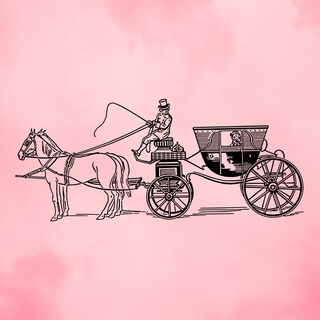
But in the meanwhile it would have quieted her ambition to see him driving a barouche.
But Edward had no turn for great men or barouches.
All his wishes centred in domestic comfort and the quiet of private life.
Edward had been staying several weeks in the house before he engaged much of Mrs Dashwood's attention,
For she was at that time in such affliction as rendered her careless of surrounding objects.
She saw only that he was quiet and unobtrusive,
And she liked him for it.
She was first called to observe and approve him further,
By a reflection which Eleanor chanced one day to make on the difference between him and his sister.
It was a contrast which recommended him most forcibly to her mother.
It is enough,
Said she,
To say he is unlike Fanny.
It implies everything amiable.
I love him already.
I think you will like him.
Mrs Dashwood remained at Norton several months.
Not from any disinclination to move when the sight of every well-known spot ceased to raise the violent emotion which it produced for a while.
For when her spirits began to revive,
She was impatient to be gone.
But she could hear of no situation that at once answered the notions of comfort and ease,
And suited the prudence of her eldest daughter,
Whose steadier judgment rejected several houses as too large for their income,
Which her mother would have approved.
Mrs Dashwood had been informed by her husband of the solemn promise on the part of his son in their favour.
She doubted the sincerity of this assurance no more than he had doubted it himself,
And she thought of it for her daughter's sake with satisfaction.
For their brother's sake too,
She rejoiced.
His attentive behaviour to herself and his sisters convinced her that their welfare was dear to him,
And for a long time she firmly relied on the liberality of his intentions.
The contempt which he had very early in their acquaintance felt for her daughter-in-law was very much increased by the further knowledge of her character,
Which half a year's residence in her family afforded.
The two ladies might have found it impossible to have lived together so long had not a particular circumstance occurred to give still greater eligibility,
According to the opinions of Mrs Dashwood,
To her daughter's continuance at Norland.
This circumstance was a growing attachment between her eldest girl and the brother of Mrs John Dashwood,
A gentleman-like and pleasing young man who was introduced to their acquaintance soon after his sister's establishment at Norland.
Some mothers might have encouraged the intimacy from motives for interest,
For Edward Ferrars was the eldest son of a man who had died very rich.
But it was enough for Mrs Dashwood that he appeared to be amiable,
That he loved her daughter,
And that Eleanor returned the partiality.
Edward Ferrars was not handsome,
And he was too diffident to do justice to himself.
But when his natural shyness was overcome,
His behaviour gave every indication of an open affection at heart.
But he was neither fitted by abilities nor disposition to answer the wishes of his mother and sister,
Who longed to see him distinguished,
As they hardly knew what.
His mother wished to get him into Parliament,
Or to see him connected with some of the great men of the day.
Mrs John Dashwood wished it likewise,
But in the meanwhile it would have quieted her ambition to see him driving a barouche.
But Edward had no turn for great men or barouches.
All his wishes centered in domestic comfort and the quiet of private life.
Edward had been staying several weeks in the house before he engaged much of Mrs Dashwood's attention,
For she was at that time in such affliction as rendered her careless of surrounding objects.
She saw only that he was quiet and unobtrusive,
And she liked him for it.
She was first called to observe and approve him further by a reflection which Eleanor chanced one day to make on the difference between him and his sister.
It was a contrast which recommended him most forcibly to her mother.
It is enough,
Said she,
To say he is unlike Fanny.
It implies everything amiable.
I love him already.
I think you will like him,
Said Eleanor,
When you know more of him.
Mrs Dashwood now took pains to get acquainted with him.
She speedily comprehended all his merits,
The persuasion of his regard for Eleanor perhaps assisted her penetration,
But she felt really assured of his worth,
And even that quietness of manner was no longer uninteresting when she knew his heart to be warm and his temper affectionate.
No sooner did she perceive any symptom of love in his behavior to Eleanor,
Then she considered their serious attachment as certain,
And looked forward to their marriage as rapidly approaching.
In a few months,
My dear Marianne,
Said she,
Eleanor will in all probability be settled for life.
Oh mama,
How shall we do without her?
My love,
It will scarcely be a separation.
We shall live within a few miles of each other.
You will gain a brother,
A real affectionate brother.
But you look grave,
Marianne.
Do you disapprove your sister's choice?
Perhaps,
Said Marianne,
I may consider it with some surprise.
Edward is very amiable,
And I love him tenderly,
But yet there is something wanting.
His figure is not striking.
It has none of that grace which I should expect in the man who could seriously attach my sister.
And besides all this,
I am afraid,
Mama,
He has no real taste.
Music seems scarcely to attract him,
And though he admires Eleanor's drawings very much,
It is not the admiration of a person who can understand their worth.
He admires as a lover,
Not as a connoisseur.
Oh mama,
How spiritless,
How tame was Edward's manner in reading to us last night.
I could hardly keep my seat.
To hear those beautiful lines which have frequently almost driven me wild,
Pronounced with such impenetrable calmness,
Such dreadful indifference.
He would certainly have done more justice to simple and elegant prose.
I thought so at the time,
But you would give him Calper.
Nay mama,
If he is not to be animated by Calper,
But we must allow for difference of taste.
It would have broke my heart had I loved him,
To hear him read with so little sensibility.
Mama,
The more I know of the world,
The more I am convinced that I shall never see a man whom I can really love.
I require so much.
He must have all Edward's virtues,
And his person and manners must ornament his goodness with every possible charm.
Remember,
My love,
That you are not 17.
It is yet too early in life to despair of such a happiness.
What a pity it is,
Eleanor,
Said Marianne,
That Edward should have no taste for drawing.
No taste for drawing?
Replied Eleanor.
Why should you think so?
He does not draw himself,
Indeed,
But he has great pleasure in seeing the performances of other people.
He distrusts his own judgment in such matters so much that he is always unwilling to give his opinion on any picture.
But he has an innate propriety and simplicity of taste which in general direct him perfectly right.
Marianne was afraid of offending and said no more on the subject.
But the kind of approbation which Eleanor described as excited in him by the drawings of other people,
Was very far from that rapturous delight which,
In her opinion,
Could alone be called taste.
I hope,
Marianne,
Continued Eleanor,
You do not consider him as deficient in general taste.
Marianne hardly knew what to say.
She would not wound the feelings of her sister on any account,
And yet to say what she did not believe was impossible.
At length she replied,
Do not be offended,
Eleanor,
If my praise of him is not in everything equal to your sense of his merits.
I have not had so many opportunities of estimating the minute propensities of his mind,
His inclinations and tastes as you have,
But I have the highest opinion in the world of his goodness and sense.
I think him everything that is worthy and amiable.
I am sure,
Replied Eleanor with a smile,
That his dearest friends could not be dissatisfied with such a commendation as that.
Marianne was rejoiced to find her sister so easily pleased.
Of his sense and his goodness,
Continued Eleanor,
No one can,
I think,
Be in doubt who has seen him often enough to engage him in unreserved conversation.
He and I have been at times thrown a good deal together.
I have studied his sentiments and heard his opinion on subjects of literature and taste,
And upon the whole I venture to pronounce that his mind is well informed,
His enjoyment of books exceedingly great,
His imagination lively,
His observation just and correct,
And his taste delicate and pure.
At first sight,
His address is certainly not striking,
And his person can hardly be called handsome,
Till the expression of his eyes and the general sweetness of his countenance are perceived.
At present I know him so well that I think him really handsome.
What say you,
Marianne?
I shall very soon think him handsome,
Eleanor,
If I do not now.
When you tell me to love him as a brother,
I shall no more see imperfection in his face than I do in his heart.
Eleanor started this declaration,
And was sorry for the warmth she had been betrayed into speaking of him.
She felt that Edward stood very high in her opinion.
She believed the regard to be mutual,
But she required greater certainty of it to make Marianne's conviction of their attachment agreeable to her.
I do not attempt to deny,
Said she,
That I think very highly of him,
That I greatly esteem,
That I like him.
Marianne here burst forth with indignation.
Esteem him?
Like him?
Cold-hearted Eleanor.
Use those words again and I will leave the room this moment.
Eleanor could not help laughing.
Excuse me,
Said she,
And be assured that I meant no offence to you by speaking in so quiet a way of my own feelings.
Believe them to be stronger than I have declared.
But further than this,
You must not believe.
I am by no means assured of his regard for me.
There are moments when the extent of it seems doubtful.
In my heart I feel little,
Scarcely any doubt of his preference,
But there are other points to be considered besides his inclination.
He is very far from being independent.
What his mother really is we cannot know,
But from Fanny's occasional mention of her conduct and opinions,
We have never been disposed to think her amiable.
And I am very much mistaken if Edward is not himself aware that there would be many difficulties in this way if he were to wish to marry a woman who had not either a great fortune or high rank.
And you really are not engaged to him,
Said Marianne,
Yet it certainly soon will happen.
But two advantages will proceed from this delay.
I shall not lose you too soon,
And Edward will have greater opportunity of improving that natural taste for drawing,
Your favourite pursuit,
Which must be so indispensably necessary to your future felicity.
Eleanor had given her real opinion to her sister.
There was at times a want of spirits about him which,
If it did not denote indifference,
Spoke of something almost as unpromising.
A doubt of her regard,
Supposing him to feel it,
Need not give him more than inquietitude.
It would not be likely to produce that dejection of mind which frequently attended him.
A more reasonable cause might be found in the dependent situation which forbade the indulgence of his affection.
She knew that his mother neither behaved to him so as to make his home comfortable at present,
Nor to give him any assurance that he might form a home for himself,
Without strictly attending to her views for his aggrandisement.
Eleanor was far from depending on that result of his preference of her,
Which her mother and sister still considered certain.
But,
Whatever might really be its limits,
It was enough,
When perceived by his sister,
To make her uneasy and,
At the same time,
To make her uncivil.
She took the first opportunity of affronting her mother-in-law on this occasion,
Talking to her so expressively of her brother's great expectations,
Of Mrs.
Ferrer's resolution that both her sons should marry well,
That Mrs.
Dashwood could neither pretend to be unconscious nor endeavour to be calm.
She gave her an answer which marked her contempt and instantly left the room,
Resolving that her beloved Eleanor should not be exposed another week to such insinuations.
In this state of her spirits,
A letter was delivered to her from the post,
Which contained the offer of a small house,
On very easy terms,
Belonging to a relation of her own,
A gentleman of consequence,
And property in Devonshire.
He understood that she was in need of a dwelling,
And though the house he offered her was merely a cottage,
He assured her that everything should be done to make her happy.
Which he might think necessary if the situation pleased her.
He earnestly pressed her to come with her daughters to Barton Park,
The place of his own residence,
From whence she might judge herself whether Barton Cottage could,
By any alteration,
Be made comfortable to her.
The whole of his letter was written in so friendliest style,
As could not fail of giving pleasure to his cousin.
More especially at a moment when she was suffering under the cold and unfeeling behaviour of her nearer connections.
Her resolution was formed as she read.
To quit the neighbourhood of Norland was no longer an evil,
It was a blessing,
In comparison of the misery of continuing her daughter-in-law's guest.
She instantly wrote to Sir John Middleton,
Her acknowledgements of his kindness,
And her acceptance of his proposal,
And then hastened to show both letters to her daughters that she might be secure of their approbation before her answer was sent.
Eleanor had always thought it would be more prudent for them to settle at some distance from Norland than immediately amongst their present acquaintance.
The house,
Too,
As described by Sir John,
Was on so simple a scale,
And the rent so uncommonly moderate,
As to leave her no right of objection.
Therefore,
Though it was not a plan which brought any charm to her fancy,
Though it was a removal from the vicinity of Norland beyond her wishes,
She made no attempt to dissuade her mother from sending her letter of acquiescence.
No sooner was her answer dispatched than Mrs Dashwood indulged herself in the pleasure of announcing to her son-in-law and his wife that she was provided with a house.
Mrs John Dashwood said nothing,
But her husband civilly hoped she would not be settled far from Norland.
She had great satisfaction in replying that she was going into Devonshire.
Edward turned hastily towards her on hearing this,
And in a voice of surprise and concern repeated,
Devonshire?
Are you indeed going there,
So far from hence?
And to what part of it?
She explained the situation.
It was within four miles northward of Exeter.
It is but a cottage,
She continued,
But I do hope to see many of my friends in it.
She concluded with a very kind invitation to Mr and Mrs John Dashwood to visit her at Barton,
And to Edward she gave one with still greater affection.
To separate Edward and Eleanor was as far from being her object as ever,
And she wished to show Mrs John Dashwood by this pointed invitation to her brother how totally she disregarded her disappropriation of the match.
Mrs Dashwood took the house for a 12-month.
It was already furnished,
And she might have immediate possession.
No difficulty arose on either side in the agreement,
And she waited only for the disposal of her effects at Norland,
And to determine her future household before she set off for the West.
Her eagerness to be gone from Norland was preserved from diminution by the evident satisfaction of her daughter-in-law in the prospect of her removal.
A satisfaction which was but feebly attempted to be concealed under a cold invitation to her to defer her departure.
Now was the time when her son-in-law's promise to his father might with particular propriety be fulfilled.
But Mrs Dashwood began shortly to give over every hope of the kind,
And to be convinced from the general drift of his discourse that his assistance extended no further than their maintenance for six months at Norland.
He so frequently talked of the increasing expenses of housekeeping that he seemed rather to stand in need of more money himself than to have any design of giving money away.
In a very few weeks from the day which brought Sir John Middleton's first letter to Norland,
Everything was so far settled in their future abode as to enable Mrs Dashwood and her daughters to begin their journey.
Many were the tears shed by them in their last adieu to a place so much loved.
"'Dear,
Dear Norland,
' said Marianne as she wandered alone before the house on the last evening of their being there,
"'O happy house,
Could you know what I suffer in now viewing you from this spot?
From whence perhaps I may view you no more,
And you,
Ye well-known trees!
But you will continue the same.
No leaf will decay because we are removed,
Nor any branch become motionless although we can observe you no longer.
No,
You will continue the same,
Insensible of any change in those who walk under your shade.
But who will remain to enjoy you?
' Chapter Six The first part of their journey was performed in too melancholy a disposition to be otherwise than tedious and unpleasant.
But as they drew towards the end of it,
Their interest in the appearance of a country which they were to inhabit overcame their dejection and a view of Barton Valley as they entered it gave them cheerfulness.
It was a pleasant fertile spot,
Well wooded and rich in pasture.
After winding along it for more than a mile,
They reached their own house.
As a house,
Barton Cottage,
Though small,
Was comfortable and compact.
But as a cottage it was defective,
For the building was regular,
The roof was tiled,
The window shutters were not painted green,
Nor were the walls covered with honeysuckles.
In comparison of Norland,
It was poor and small indeed.
But the tears which recollection called forth as they entered the house were soon dried away.
It was very early in September,
The season was fine and from first seeing the place under the advantage of good weather,
They received an impression in its favour which was of material service in recommending it to their lasting approbation.
The situation of the house was good.
High hills rose immediately behind,
And at no great distance on each side.
The village of Barton was chiefly on one of these hills and formed a pleasant view from the cottage windows.
The prospect in front was more extensive,
It commanded the whole of the valley and reached onto the country beyond.
With the size and the furniture of the house,
Mrs Dashwood was upon the whole well satisfied.
She had at this time ready money enough to supply all that was wanted of greater elegance to the apartments.
As for the house itself to be sure,
Said she,
It is too small for our family,
But we will make it ourselves tolerably comfortable for the present as it's too late in the year for improvements.
Perhaps in the spring,
If I have plenty of money,
As I dare say I shall,
We may think about building.
In the meantime,
They were wise enough to be contented with the house as it was,
And each of them was busy in arranging their particular concerns and endeavouring to form themselves a home.
Marianne's piano forte was unpacked and properly disposed of,
And Eleanor's drawings were affixed to the walls of their sitting room.
In such employments as these,
They were interrupted soon after breakfast the next day by the entrance of their landlord who called to welcome them to Barton and to offer them every accommodation from his own house and garden in which theirs might at present be deficient.
Sir John Middleton was a good-looking man,
About forty.
His countenance was thoroughly good-humoured and his manners were as friendly as the style of his letter.
Their arrival seemed to afford him real satisfaction and their comfort to be an object of real solicitude to him.
Within an hour after he left them,
A large basket full of garden stuff and fruit arrived from the park,
Which was followed before the end of the day by a present of game.
Lady Middleton had sent a very civil message by him,
Denoting her intention of waiting on Mrs Dashwood as soon as she could be assured that her visit would be no inconvenience.
And as this message was answered by an invitation equally polite,
Her ladyship was introduced to them the next day.
Lady Middleton was not more than six or seven and twenty.
Her face was handsome,
Her figure tall and striking,
And her address graceful.
Her manners had all the elegance which her husbands wanted,
But they would have been improved by some share of his frankness and warmth and her visit was long enough to detract something from their first admiration.
By showing that though perfectly well bred,
She was reserved,
Cold and had nothing to say for herself beyond the most commonplace inquiry or remark.
Conversation however was not wanted,
For Sir John Middleton was very chatty and Lady Middleton had taken the wise precaution of bringing with her their eldest child,
A fine little boy about six years old,
By which means there was one subject always to be recurred to by the ladies in case of extremity,
For they had to inquire his name and age,
Admire his beauty and ask him questions which his mother answered for him while he hung about her and held down his head.
An opportunity was soon to be given to the Dashwoods of debating on the rest of the children as Sir John would not leave the house without securing their promise of dining at the park the next day.
Barton Park was about half a mile from the cottage.
The house was large and handsome and the Middletons lived in a style of equal hospitality and elegance.
They were scarcely ever without some friends staying with them in the house and they kept more company of every kind than any other family in the neighbourhood.
It was necessary to the happiness of both,
For however dissimilar in temper and outward behaviour,
They strongly resembled each other in that total want of talent and taste which confined their employments within a very narrow compass.
Sir John was a sportsman,
Lady Middleton a mother.
He hunted and shot and she humoured her children and these were her only resources.
Lady Middleton peeped herself upon the elegance of her table and of all her domestic arrangements and from this kind of vanity was her greatest enjoyment in any of the parties.
Sir John delighted at collecting about him more young people than his house would hold and the noisier they were,
The better he was pleased.
The arrival of a new family in the country was always a matter of joy to him and he was charmed by the inhabitants he had now procured for his cottage at Barton.
The Miss Stashworths were young,
Pretty and unaffected.
The friendliness of his disposition made him happy in accommodating those whose situation might be considered in comparison with the past.
As unfortunate.
Mrs Dashwood and her daughters were met at the door of the house by Sir John who welcomed them to Barton Park with unaffected sincerity and as he attended them to the drawing room repeated to the young ladies the concern which the same subject had drawn from him the day before at being unable to get any smart young men to meet them.
They would see,
He said,
Only one gentleman there besides himself,
A particular friend who was staying at the park but who was neither very young nor very gay.
Lady Middleton's mother had arrived at Barton within the last hour and as she was a very cheerful,
Agreeable woman he hoped the young ladies would not find it so very dull as they might imagine.
The young ladies as well as their mother were perfectly satisfied with having two entire strangers at the party and wished for no more.
Mrs Jennings,
Lady Middleton's mother,
Was a good-humoured,
Merry,
Fat,
Elderly woman who talked a great deal,
Seemed very happy and rather vulgar.
She was full of jokes and laughter and before dinner was over had said many witty things on the subject of lovers and husbands,
Hoped they had not left their hearts behind them in Sussex and pretended to see them blush whether they did or not.
Colonel Brandon,
The friend of Sir John,
Was silent and grave.
His appearance,
However,
Was not unpleasing in spite of his being in the opinion of Marianne and Margaret an absolute old bachelor,
For he was on the wrong side of five and thirty.
But though his face was not handsome,
His countenance was sensible and his address particularly gentleman-like.
There was nothing in any of the party which could recommend them as companions to the Dashwoods,
But the cold insipidity of Lady Middleton was so particularly repulsive that in comparison of it the gravity of Colonel Brandon and even the boisterous mirth of Sir John and his mother-in-law was interesting.
In the evening,
As Marianne was discovered to be musical,
She was invited to play.
The instrument was unlocked.
Everybody prepared to be charmed and Marianne,
Who sang very well,
At their request went through the chief of the songs which Lady Middleton had brought into the family on her marriage and which perhaps had lain ever since in the same position on the piano forte.
Marianne's performance was highly applauded.
Sir John was loud in his admiration at the end of every song and as loud in his conversation with the others while every song lasted.
Lady Middleton frequently called him to order,
Wondered how anyone's attention could be diverted from music for a moment and asked Marianne to sing a particular song which Marianne had just finished.
Colonel Brandon alone,
Of all the party,
Heard her without being in raptures.
He paid her only the compliment of attention and she felt a respect for him on the occasion which the others had reasonably forfeited by their shameless want of taste.
His pleasure in music was estimable when contrasted against the horrible insensibility of the others and she was reasonable enough to allow that a man of five and thirty might well have outlived all acuteness of feeling and every exquisite power of enjoyment.
She was perfectly disposed to make every allowance for the colonel's advanced state of life which humanity required.
Mrs Jennings was a widow with an ample jointure.
She had only two daughters,
Both of whom she had lived to see respectably married and she had now therefore nothing to do but to marry all the rest of the world.
She was remarkably quick in the discovery of attachments and this kind of discernment enabled her soon after her arrival at Barton decisively to pronounce that Colonel Brandon was very much in love with Marianne Dashwood.
She rather suspected it to be so on the very first evening of their being together from his listening so attentively while she sang to them.
It would be an excellent match for he was rich and she was handsome.
Mrs Jennings had been anxious to see Colonel Brandon well married ever since her connection with Sir John first brought him to her knowledge and she was always anxious to get a good husband for every pretty girl.
The immediate advantage to herself was by no means inconsiderable for it supplied her with an endless joke against them both.
At the park she laughed at the Colonel and in the cottage at Marianne.
To the former her railway was probably perfectly indifferent but to the latter it was at first incomprehensible and when its object was understood she hardly knew whether most laugh at its absurdity or censure its impertinence for she considered it as an unfeeling reflection on the Colonel's advanced years and on his forlorn condition as an old bachelor.
Mrs Dashwood could not think a man five years younger than herself so exceedingly ancient as he appeared to the youthful fancy of her daughter ventured to clear Mrs Jennings from the probability of wishing to throw ridicule on his age.
But at least Mama you cannot deny the absurdity of the accusation.
Colonel Brandon is old enough to be my father and if he were ever animated enough to be in love must have long outlived every sensation of the kind.
When is a man to be safe from such wit if age and infirmity will not protect him?
My dearest child said her mother laughing at this rate you must be in a continual terror of my decay and it must seem to you a miracle that my life has been extended to the advanced age of 40.
I know very well that Colonel Brandon is not old enough to make his friends yet apprehensive of losing him in the course of nature but 35 has nothing to do with matrimony.
Perhaps said Eleanor 35 and 17 had better not have anything to do with matrimony together but if they should by any chance happen to be a woman who is single at 7 and 20 I should not think Colonel Brandon's being 35 any objection to his marrying her.
A woman of 7 and 20 said Marianne after pausing a moment can never hope to feel or inspire affection again and if her home be uncomfortable or her fortune small I can suppose that she might bring herself to submit to the offices of a nurse for the sake of the provision and security of a wife.
It would be impossible I know replied Eleanor to convince you that a woman of 7 and 20 could feel for a man of 35 anything near enough to love him to make him a desirable companion to her but I must object to your dooming Colonel Brandon and his wife to the constant confinement of a sick chamber merely because he chanced to complain yesterday of a slight dramatic feel in one of his shoulders.
But he talked of flannel waistcoats said Marianne and with me a flannel waistcoat is invariably connected with every species of ailment that can afflict the old and the feeble.
Had he been only in a violent fever you would not have despised him half so much.
Confess Marianne is there not something interesting to you in the flushed cheek hollow eye and quick pulse of a fever?
Soon after this upon Eleanor's leaving the room Mama said Marianne I have an alarm on the subject of illness which I cannot conceal from you.
I am sure Edward Ferrars is not well.
We have now been here almost a fortnight and yet he does not come.
Had you any idea of his coming so soon?
Said Mrs Dashwood.
I had none.
On the contrary if I have felt any anxiety at all on the subject it has been in recollecting that he sometimes showed a want of pleasure and readiness in accepting my invitation when I talked of his coming to Barton.
Does Eleanor expect him already?
I have never mentioned it to her but of course she must.
I rather think you are mistaken for when I was talking to her yesterday of getting a new grate for the spare bedchamber she observed there was no immediate hurry for it as it was not likely the room would be wanted for some time.
How strange this is.
What can be the meaning of it?
But the whole of their behaviour to each other has been unaccountable.
In Edward's farewell there was no distinction between Eleanor and me.
It was the good wishes of an affectionate brother to both and Eleanor in quitting Norland and Edward cried not as I did.
Even now her self-command is invariable.
When is she dejected or melancholy?
When does she try to avoid society or appear restless and dissatisfied in it?
Chapter 9 The Dashwoods were now settled at Barton with tolerable comfort to themselves.
Sir John Middleton who called on them every day for the first fortnight and who was not in the habit of seeing much occupation at his home could not conceal his amazement on finding them always employed.
Their visitors were not many for in spite of Sir John's urgent entreaties they would mix more in the neighbourhood and repeated assurances of his carriage always being at their service the independence of Mrs Dashwood's spirit overcame the wish of society for her children and she was resolute in declining to visit any family beyond the distance of a walk.
There were but few who could be so classed and it was not all of them that were attainable.
About a mile and a half from the cottage the girls had discovered an ancient respectable looking mansion which interested their imagination and made them wish to be better acquainted with it.
But they learnt on enquiry that its possessor,
An elderly lady of very good character was unfortunately too infirm to mix with the world and never stirred from home.
The whole country about them abounded in beautiful walks The high downs which invited them from almost every window of the cottage to seek the exquisite enjoyment of air on their summits were a happy alternative when the dirt of the valleys beneath shut up their superior beauties and towards one of these hills did Marianne and Margaret one memorable morning direct their steps.
They gaily ascended the downs rejoicing in their own penetration of every glimpse of blue sky.
They pursued their way against the wind resisting it with laughing delight when suddenly the clouds united over their heads and a driving rain set full in their face.
Chagrined and surprised they were obliged though unwillingly to turn back for no shelter was nearer than their own house.
One consolation however remained for them.
It was that of running with all possible speed down the steep side of the hill which led immediately to their garden gate.
They set off.
Marianne had at first the advantage but a false step brought her suddenly to the ground and Margaret unable to stop herself to assist her was involuntarily hurried along and reached the bottom in safety.
A gentleman carrying a gun with two pointers playing around him was passing up the hill and within a few yards of Marianne when her accident happened.
He put down his gun and ran to her assistance.
Her foot had been twisted in the fall and she was scarcely able to stand.
The gentleman offered his services and perceiving that her modesty declined what her situation rendered necessary took her up in his arms and carried her down the hill.
Then passing through the garden he bore her directly into the house where the Margaret was just arrived and quitted not his hold till he had seated her in a chair in the parlour.
Eleanor and her mother rose up in amazement at their entrance and while the eyes of both were fixed on him with evident wonder he apologised for his intrusion by relating its cause in a manner so frank and so graceful that his person,
Which was uncommonly handsome,
Received additional charms from his voice and expression.
Mrs Dashwood then begged to know whom she was obliged to.
His name,
He replied,
Was Willoughby and his present home was at Allenham from whence he hoped she would allow him the honour of calling tomorrow to enquire after Miss Dashwood.
The honour was readily granted and then he departed to make himself still more interesting in the midst of heavy rain.
His manly beauty and more than common gracefulness were instantly the theme of general admiration.
Marianne had seen less of his person than the rest for the confusion which crimsoned over her face on his lifting her up had robbed her of the power of regarding him after their entering the house but she had seen enough of him to join in all the admiration of the others and with an energy which always adorned her praise.
Every circumstance belonging to him was interesting.
His name was good,
His residence was in their favourite village and she soon found out that of all manly dress a shooting jacket was the most becoming.
Sir John called on them as soon as the next interval of fair weather that morning allowed him to get out of doors and Marianne's accident being related to him he was eagerly asked whether he knew any gentleman of the name of Willoughby at Allenham.
Willoughby?
Cried Sir John.
What,
Is he in the country?
I will write over tomorrow and ask him to dinner on Thursday.
You know him then?
Said Mrs Dashwood.
Know him?
To be sure I do.
What sort of a young man is he?
As good a kind of fellow as ever lived I assure you.
A very decent shot and there's not a bolder rider in England.
And is that all you can say for him?
Cried Marianne indignantly.
But what are his manners on more intimate acquaintance?
What his pursuits,
His talents and genius?
Sir John was rather puzzled.
Upon my soul?
Said he.
I do not know much about him as to all that.
But he is a pleasant,
Good-humoured fellow and has got the nicest little black bitch of a pointer I ever saw.
But who is he?
Said Eleanor.
Where does he come from?
Has he a house at Allenham?
Sir John told them that Mr Willoughby had no property of his own in the country,
That he resided there only while he was visiting the old lady at Allenham Court,
To whom he was related and whose possessions he was to inherit.
Adding,
Yes,
Yes,
He's very well worth catching.
I can tell you,
Miss Dashwood,
He has a pretty little estate of his own in Somersetshire.
Besides,
And if I were you,
I would not give him up to my younger sister in spite of all this tumbling down hills.
Miss Marianne must not expect to have all the men to herself.
Brandon will be jealous if she does not take care.
I do not believe,
Said Mrs Dashwood,
With a good-humoured smile,
That Mr Willoughby will be incommoded by the attempts of either of my daughters towards what you call catching him.
I am glad to find,
However,
From what you say,
That he is a respectable young man.
He is as good a sort of fellow,
I believe,
As ever lived,
Repeated Sir John.
I remember last Christmas,
At a little hop at the park,
He danced from eight o'clock till four without once sitting down.
Did he indeed,
Cried Marianne with sparkling eyes,
And with elegance,
With spirit?
Yes,
And he was up again at eight to ride to Covert.
That is what I like,
That is what a young man ought to be.
Aye,
Aye,
I see how it will be,
Said Sir John,
I see how it will be.
You will be setting your cap at him now,
And never think of poor Brandon.
That is an expression,
Sir John,
Said Marianne warmly,
Which I particularly dislike.
I abhor every commonplace phrase by which wit is intended,
And setting one's cap at a man,
Or making a conquest,
Are the most odious of all.
Sir John did not much understand this reproof,
But he laughed as heartily as if he did,
And then replied,
Aye,
You will make conquests enough,
I dare say,
One way or the other.
Poor Brandon,
He is quite smitten already,
And he is very well worth setting your cap at.
I can tell you,
In spite of all this tumbling about,
And spraining of ankles.