Hey guys,
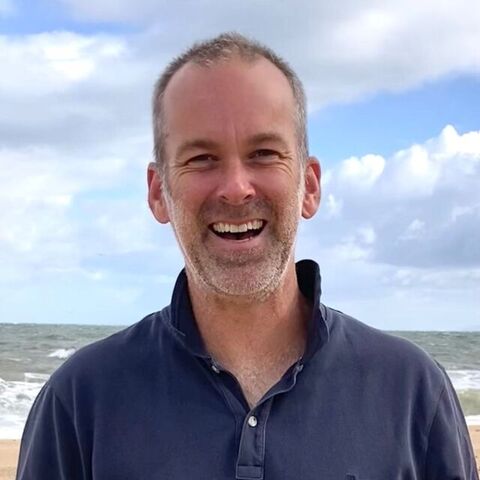
It's Ross.
Welcome to this week's update.
This week I sat in on a masterclass of Oxygen Advantage,
The organization that trained me,
About breathing in the workplace.
And some of the numbers stuck with me.
So I want to share them with you.
For the seventh year running,
Mental health is the number one thing employers are putting their wellbeing money into.
66% of employers plan to spend more on stress and resilience this year.
At the same time,
A third of them are cutting onsite fitness classes.
So the money is moving away from the gym and towards the mind.
And here's the one that got me.
Only half of organizations think their own stress programs actually work.
Half.
So what's missing?
Think about your brain.
It's about 2% of your body weight,
But it uses around 20 to 25% of your body's oxygen.
It's hungry,
And how you breathe affects how well it gets fed.
When you're stressed,
We tend to breathe faster and through the mouth.
It feels like we're getting more air,
But over-breathing lowers carbon dioxide in the blood,
And carbon dioxide is what helps open up blood vessels to the brain.
Less of it means blood flow and less oxygen to where you need it most.
So the answer is a bit surprising.
To get more oxygen to your brain,
Breathe less.
The figures we shared were simple.
Around a minute of light,
Slow breathing through the nose can lift flow to the brain by about 9%.
A gentle breath hold after you breathe out can lift it by around 30%.
30%.
Poor breathing and poor sleep lead to poor thinking.
Poor thinking leads to poor decisions at work and at home,
Making both of those areas less safe.
That's why breathing,
Or functional breathing,
Or correct breathing,
Fits so well into a busy day.
No one can see you doing it,
It takes a minute,
You don't need any equipment,
And you can do it at your desk,
In a meeting,
Or in the car park before you walk in.
These are the things that I focus on when I work with corporate teams and individuals.
Clearer thinking,
Better decisions,
And staying calm under pressure.
And it all starts with how you breathe.
In 24 years on the road and in the air with ambulance,
I saw this every shift.
The calmest person in the room always made the best calls,
And it nearly always started with their breathing.
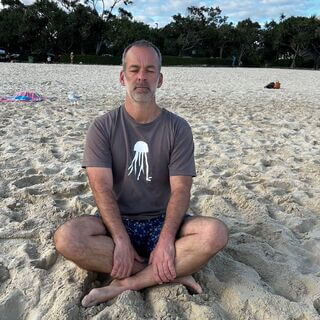
So next time work gets on top of you,
Close your mouth,
Slow down and breathe a little less.
Breathe less,
Think better.
I'll see you next week.