The world’s largest free audio library for everyday wellbeing
Energy & Subtle-Body
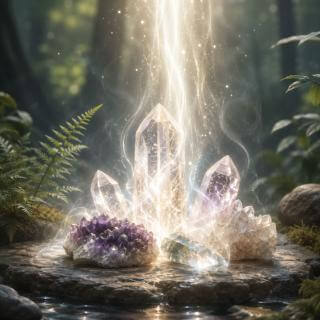
Crystal Healing is a meditation practice that uses crystals as a focal point, placed on or near the body while attention rests on felt sensation.
Last Updated
3 Jul 2026
We are still reviewing this page. Our research team checks every technique page for accuracy and evidence quality before final release. Details may change as that review completes. The evidence badge shows our current reading of the published research.
RECOMMENDED DOSE
No direct dose evidence; editorial synthesis. No dose-response literature exists for crystal healing, and cited sources describe it as a practice without a demonstrated scientific basis. This short, low-commitment introductory session reflects general relaxation-practice conventions and should be treated as a starting point only.
No direct dose evidence; editorial synthesis. There is no trial or review reporting an effective dose for this technique, so this modest step-up in duration and frequency is inferred from general contemplative-practice conventions rather than any cited source.
No direct dose evidence; editorial synthesis. No long-term or maintenance dose has been studied for crystal healing. This extended level reflects a committed personal-practice routine based on general practice conventions and should not be read as evidence of any additional benefit.
Session length
Session length: 5–10 minutes
5
MIN
How long each individual practice session should last from start to finish.
Frequency
Frequency: 2–3 days
2
DAYS
The number of days per week to fit a session into your routine.
Session length
Session length: 10–20 minutes
10
MIN
How long each individual practice session should last from start to finish.
Frequency
Frequency: 3–4 days
3
DAYS
The number of days per week to fit a session into your routine.
Session length
Session length: 20–30 minutes
20
MIN
How long each individual practice session should last from start to finish.
Frequency
Frequency: 5–6 days
5
DAYS
The number of days per week to fit a session into your routine.
About this card. No direct dose-response literature supports these figures; peer-reviewed sources classify crystal healing as a practice without a demonstrated scientific basis, so these are conservative starting points only. These recommendations are not a substitute for personalised guidance from a qualified practitioner.
Quick answers to what people most often ask. Each card links to the deeper section below.
evidence
Controlled testing has found no effect from the crystals themselves, and the practice is classified in scientific literature as lacking a demonstrated scientific basis. The single directly relevant study examined students' beliefs about crystal healing rather than measuring health outcomes. Any calm people notice comes from lying still and slow breathing, not the stone.
Read moregood for
Crystal Healing may suit people who find a tangible, sensory focal point makes meditation easier to start and stay with, or who enjoy a calming ritual for winding down. No clinical trials establish who benefits, and it is not a substitute for care when anxiety, depression, pain, trauma, or any medical condition is involved.
Read moresafety
Most healthy adults can practise Crystal Healing safely, since it mainly asks you to lie still, breathe slowly, and rest attention on a stone. The real risk is treating it as a replacement for medical or mental-health care. People working through recent trauma may want to go gently, and keep small stones away from children and pets.
Read morehow it works
Crystal Healing works through ordinary meditation processes rather than anything specific to the stone. Placing a crystal on the body and resting attention on its warmth and weight gives the mind a concrete anchor, drawing on interoception, the felt sense of what is happening inside your body. This steady sensory attention supports calmer, more settled states.
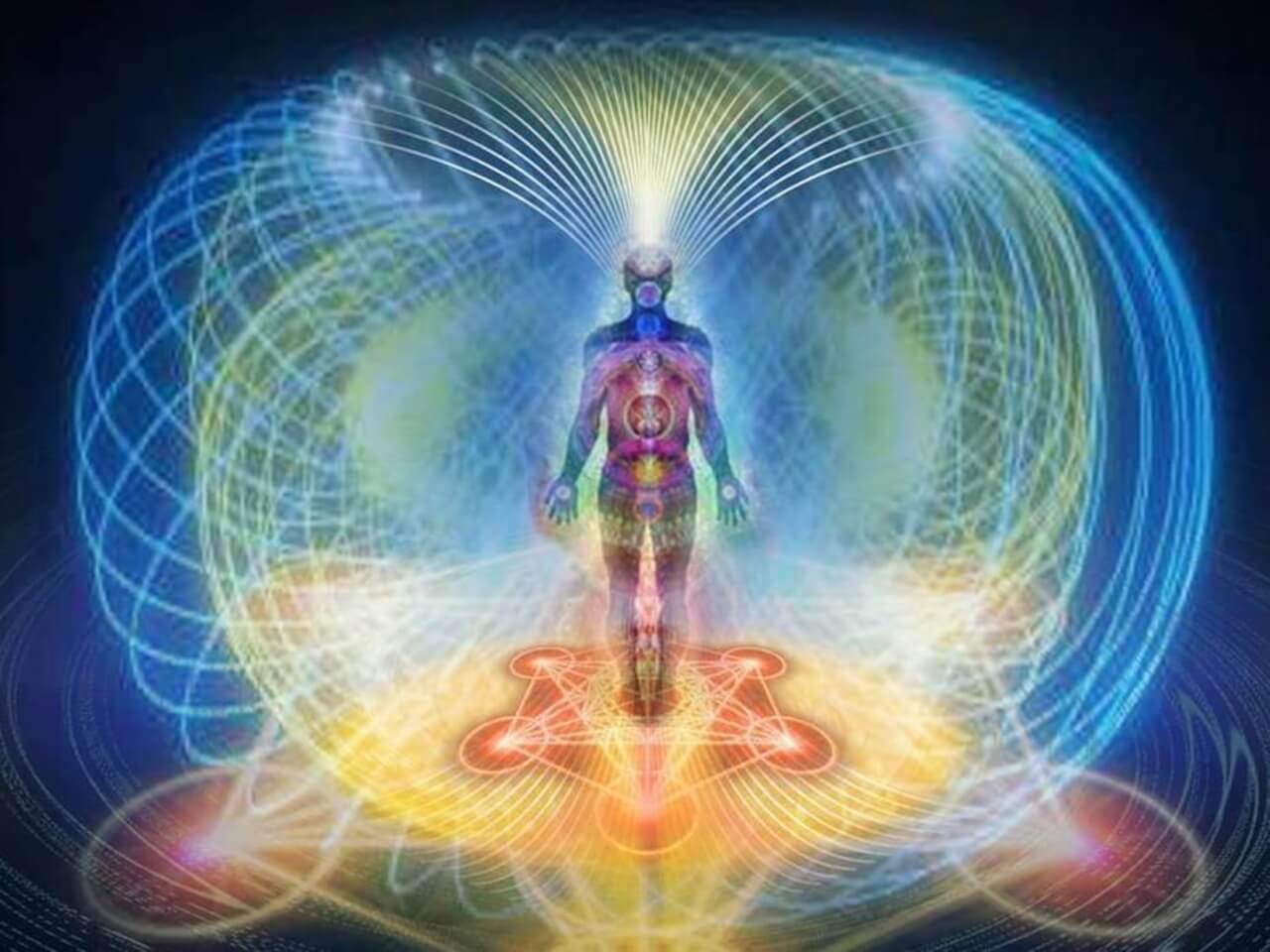
Read moreCrystal Healing is a meditation practice that uses crystals as a focal point, often placed on or near the body along the chakra centers, while attention rests on felt sensations like warmth, weight, and light pressure.
A typical session has you lying down or sitting still with one or more stones placed on or near the body, commonly along the seven chakra points, or simply holding a single crystal. You breathe slowly and rest attention on the felt qualities of each stone: its weight, temperature, texture, and any faint tingling or warmth. Some practitioners arrange stones in geometric grids and meditate within them. The sequence of placement, stillness, slow breathing, and steady sensory focus is what structures the practice.
Crystal Healing is a meditation practice, not a medical or energy-medicine treatment. Controlled testing has not found effects that come from the crystals themselves, and the scientific literature classifies it as lacking a demonstrated scientific basis (Metın et al., 2017). Do not confuse it with evidence-based therapies for anxiety, pain, or illness, and do not use it in place of professional care. It differs from ordinary body-scan meditation mainly in its use of stones and a chakra or energy framework as a focal point; the active ingredient is the guided attention, not the mineral.
Not to be confused with
Evidence-based treatment for a diagnosed condition
Crystal Healing is a supportive contemplative practice, not a treatment. It is classified in the scientific literature as lacking a demonstrated scientific basis, so it belongs alongside, never in place of, professional care for anxiety, depression, pain, or any medical condition.
Physical mineral or gemstone medicine
This practice does not treat the body through any physical or chemical property of the stone. Controlled testing found no difference between real and fake crystals, so the stone works as a focal object for attention, not as a substance acting on tissue.
Reiki and hands-on energy healing
Both sit within a subtle-energy worldview, but Reiki centers on a practitioner channeling energy through their hands, while crystal healing places stones on or near your own body, usually as a self-guided meditation.
Chakra meditation
Chakra meditation uses the same energy-center map but works through directed attention, breath, and visualization with no object, whereas crystal healing adds a physical stone at each point as a focal anchor.
Crystal Healing works, to the extent it does, through ordinary meditation processes rather than anything specific to the stone. Placing a crystal on the body and resting attention on its warmth and weight gives the mind a concrete anchor, and tuning into the sensations at each spot draws on interoception, the felt sense of what is happening inside your own body. Research on focused-attention and body-scan meditation broadly, not crystal healing specifically, links this kind of steady sensory attention to calmer, more settled states. Controlled testing of the crystals themselves has found no effect beyond placebo; any lift people feel comes from expectation and the restful setting, not from the mineral (Metın et al., 2017).
Placing stones at specific points on the body gives attention somewhere concrete to rest, and noticing the sensations there, warmth, light pressure, a faint tingling, can sharpen your read on what is happening inside you. This body-focused attention, called interoception, appears to do the work here; the crystals themselves have not shown effects beyond placebo in controlled testing (Metın et al., 2017).
No distinct bodily change has been measured for Crystal Healing itself, so there is no reliable physiological signature to report. What the session involves, lying still and breathing slowly, is the kind of quiet that tends to let the body settle: the breath lengthens, the shoulders soften, and a heavier, calmer feeling can spread. That settling comes from the rest and the slow breath rather than the mineral, which has shown no specific effect in controlled testing (Metın et al., 2017).
Limited evidence to date: there is no controlled evidence that the crystals themselves produce any healing, energetic, or clinical effect. When real stones are tested against identical fakes no difference appears, and the practice is classified in the scientific literature as lacking a demonstrated scientific basis (Metın et al., 2017). What the format reliably offers is a structure for rest and focused attention: a concrete object to hold, a reason to lie still, and slow breathing, the same ingredients that support calm in meditation generally. What is not supported is any claim that a particular stone treats anxiety, pain, illness, or a diagnosed condition, or works through a distinct energy specific to the crystal.
Controlled testing has not found any effect that comes from the crystals themselves, and the practice is classified in the scientific literature as lacking a demonstrated scientific basis (Metın et al., 2017). The one directly relevant study examined students' perceptions of crystal healing rather than measuring outcomes, so even the direct evidence is about beliefs, not effects. The calm or focus people notice in a session most plausibly comes from lying still, breathing slowly, and resting attention on one object, effects that are well supported in meditation research broadly but are not specific to the stone.
0
Meta-analyses
0
RCTs
0
Systematic reviews
0
Observational
1
Pilot
Studied populations
Outcomes measured
There are no randomized controlled trials showing crystal-specific effects beyond placebo, and the single directly relevant study assessed perceptions rather than outcomes. Benefits attributed to the practice draw on meditation research broadly and have not been isolated within a crystal protocol, so they cannot be attributed to the stones.
Perceptions of Eighth Graders Concerning the Aim, Effectiveness, and Scientific Basis of Pseudoscience: the Case of Crystal Healing
2017
Finding: This peer-reviewed paper discusses crystal healing as an example of a practice that falls outside science, grouping it with astrology as pseudoscience, and does not test whether crystals produce any healing effect. When middle-school students were asked to judge the purpose, effectiveness, and scientific basis of using crystals, their reasoning was weak, which is why the study uses crystal healing to illustrate claims that lack a scientific foundation. For anyone considering this practice, the takeaway is that this study offers no support for crystals working, and because it is a qualitative education study rather than a controlled trial, it does not measure health outcomes at all.
See full citation in referencesCrystal and gemstone practices appear across many cultural healing traditions, including ancient Egyptian, Chinese, and Indigenous systems, and remain one of the most popular guided meditation categories today. These roots help explain the practice's form, its stone placement along chakra centers, its grids and vibrational language, rather than proving any clinical effect. The chakra and energy framework works as an interpretive meaning system that makes the stillness feel purposeful.
For most healthy adults, Crystal Healing is low-risk. It mainly asks you to lie still, breathe slowly, and rest attention on a stone, so the calmer, more settled feeling it brings comes from the meditation itself rather than the mineral. The most important caution is not physical but about reliance: crystal healing is widely classified in the scientific literature as a practice without a demonstrated scientific basis, so the real risk is treating it as a replacement for medical or mental-health care (Metın et al., 2017). Resting attention on the body can occasionally bring difficult feelings or memories closer to the surface, usually mildly, so anyone working through recent trauma may want to go gently or practise with support.
Anyone managing a diagnosed medical or mental-health condition should keep crystal work alongside professional treatment rather than in place of it, since no controlled testing has shown that crystals themselves treat any condition (Metın et al., 2017). People with a recent trauma history may find that quiet, body-focused attention surfaces unprocessed feelings, so a slower pace or a guided session can help. And if small stones are used around young children or pets, keep them out of reach, because a small stone is a choking hazard.
Crystal healing is widely classified in the scientific literature as a practice without a demonstrated scientific basis, so the main risk is treating it as a substitute for treatment. Keep it alongside prescribed care for anxiety, depression, pain, or any medical condition, never in place of it, and do not pause or stop treatment because of it.
If you are managing a diagnosed medical or mental-health condition, keep crystal work alongside professional treatment rather than in place of it. No controlled testing has shown that crystals themselves treat any condition, so use the practice only as a supportive complement to your care.
| Technique | Best for | Use with care | Evidence strength | Distinction |
|---|---|---|---|---|
| Body scan meditation | Building steady body awareness and catching tension early, with no props or worldview required. | Sustained body-focused attention can feel activating for some trauma survivors; a guide can help pace it. | strong EVIDENCE | Both practices rest attention on bodily sensation to build interoceptive awareness, the felt sense of warmth, pressure, and tension inside you. Body scan moves attention systematically through the body with no external object and no belief framework; crystal healing gives that same attention a physical anchor, the stone's weight and warmth, and reads the sensations through a map of energy centers. The interoceptive training is the shared ingredient; the crystal and chakra language is the vehicle around it. |
| Focused-attention meditation | Training concentration and quieting mental chatter by coming back to one chosen focus. |
Essentially, yes. Crystal healing is a meditation practice that uses a stone as a focal point; the calm and focus come from ordinary meditation processes, not the crystal itself, which has shown no specific effect in controlled testing (Metın et al., 2017).
+
Essentially, yes. Beneath the crystal framing it is a meditation in which you rest attention on a stone's weight, warmth, and texture, often laid along the chakra points, so the settling you feel comes from steady attention and slow breathing rather than the mineral. The crystal and energy-center language is a meaning system that makes the stillness feel purposeful, not a separate active ingredient; controlled testing has found no effect specific to the crystals, and there is no robust evidence they produce energetic effects (Metın et al., 2017).
No. The calm and focus people feel come from ordinary meditation, resting still, breathing slowly, and settling attention on one object, not from the stone. Controlled testing found no difference between real and fake crystals, so belief isn't required for that settling (Metın et al., 2017).
+
No. Belief isn't needed for the settling and focus a session offers, because those come from familiar meditation processes: anchoring attention on a concrete object, tuning into body sensation, or interoception, the felt sense of what's happening inside you, and the parasympathetic calm of lying still and breathing slowly. When real crystals were tested against identical fakes, no difference appeared, and the practice is classified in the scientific literature as lacking a demonstrated scientific basis (Metın et al., 2017). Any lift credited to the stone itself reflects expectation and the restful setting rather than an energetic effect of the crystal.
The ability to sense and read internal body signals such as breath movement, heartbeat, warmth, pressure, and tension. Building it tends to feel like being more in touch with your body and catching stress earlier.
Interoceptive awareness; the detection and interpretation of visceral afferent signals, associated with insular and anterior cingulate networks.
Steadying attention on one clear focus, such as a sensation or an object, so it stops drifting to worries. It usually feels like a quieter, more settled mind.
Focused attention; the sustained selection of a single target with repeated redirection of wandering attention.
A shift toward the body's rest-and-recovery branch, largely through the vagus nerve, that turns down the fight-or-flight response. It tends to feel like slower breath, looser muscles, and a calmer, steadier state.
Increased parasympathetic (vagal) tone shifting autonomic balance away from sympathetic arousal toward recovery.
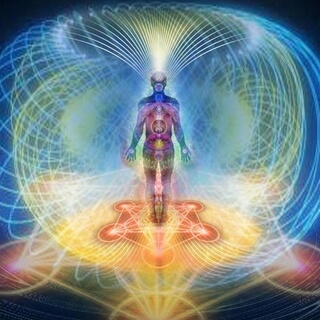
In subtle-body traditions, one of the body's energy centers, often numbered as seven along the midline. Crystal layouts commonly place a stone at each center; this is a meaning framework, not a demonstrated anatomical structure.
The non-ordinary flows or currents, described as chi, prana, or vital force, that energy practices work with. Perceiving them is a felt experience within these traditions rather than a measured physical effect.
An arrangement of stones in a geometric pattern that a practitioner sits or meditates within, used to structure attention and intention during a session.
A response driven by expectation and setting rather than by the specific thing being tested. When real and fake crystals produce the same result, the change is attributed to placebo and the calming context, not the stone.
Duygu Metın, Jale Çakıroğlu, Gülşen Leblebicioğlu, D. Metin, J. Çakıroğlu, G. Leblebicioglu (2017). Perceptions of Eighth Graders Concerning the Aim, Effectiveness, and Scientific Basis of Pseudoscience: the Case of Crystal Healing. https://doi.org/10.1007/s11165-017-9685-4
Explore guided sessions to deepen your Crystal Healing technique.
Resting attention inward on the body can occasionally bring difficult feelings or memories closer to the surface, usually mildly. If quiet, body-focused attention feels destabilising, open your eyes, ground yourself, and shorten the session. Anyone working through recent trauma may want to go slowly or practise with a trusted guide.
If small stones are used around young children or pets, keep them out of reach. A small stone is a choking hazard. Use clean, smooth stones and store them safely between sessions.
Crystal Healing is best approached as a gentle meditation you keep alongside any medical or mental-health care rather than in place of it, since the settled feeling it brings comes from slow breathing and steady attention rather than the stone. A sensible starting format is a quiet session where your body is fully supported and you can stay still without strain, using clean, smooth stones and going slowly if body-focused attention brings anything difficult closer to the surface.
Use crystal meditation to support calm and focus, and continue any prescribed treatment or therapy for a health condition. Do not pause or replace medical or mental-health care because of it.
Lie down or sit somewhere your body is fully supported, so you can stay still and breathe slowly without strain for the length of the session. Hold a single clean stone or place stones on or near the body, often along the chakra points.
Let your focus settle on what you actually feel at each stone, its weight, warmth, or a faint tingling, rather than waiting for the crystal to do something. The settling you notice comes from steady attention and slow breathing, not the mineral.
If quiet, body-focused attention brings up unease or hard memories, open your eyes, slow your breath, and pause. If you are working through recent trauma, consider practising with a trusted guide.
Use clean, smooth stones, and keep small ones out of reach of young children and pets, since a small stone is a choking hazard.
After lying still for a while, roll to one side and rise gradually rather than standing up quickly, so you do not feel light-headed.
This information is educational and is not medical advice. This practice is not a substitute for professional care and should not replace prescribed medication or treatment for any medical or mental-health condition. If you are managing a health condition or taking medication, talk with a qualified health professional before changing your practice. If you are in distress or crisis, seek professional support.
| Both settle a busy mind by returning attention, again and again, to a single object, which is what attentional anchoring means. Focused-attention practice usually rests on the breath or a repeated word; crystal healing uses the held or placed stone as its anchor, a multisensory object with weight, temperature, and texture. The concentration is the mechanism both rely on; the stone is simply a richer thing to rest on, not a separate active agent. |
| Reiki and hands-on biofield healing | People who find a receptive, hands-off session with a practitioner more relaxing than working alone. | Like crystal work, it is a supportive practice, not a treatment for a medical or mental-health condition. | emerging EVIDENCE | Both belong to a subtle-energy worldview in which a personal energy field can be soothed or rebalanced. In Reiki a practitioner rests or moves their hands to channel energy; crystal healing replaces the practitioner's hands with stones placed on or near the body. Research on biofield therapies offers only indirect support for practitioner-reported energy perception, and neither practice has controlled evidence for effects specific to the energy claim. |
| Chakra meditation | Those drawn to the energy-center framework who prefer visualization and breath to physical props. | emerging EVIDENCE | Both use the same seven-center map of the body, but chakra meditation directs attention and often breath or visualization to each center without any object, while crystal healing places a stone at each point to give the attention something concrete to land on. The shared work is systematic body-directed attention; crystal healing adds the mineral as a focal prop within the same energy framework. |
| Sound bath and vibrational sound healing | People who relax more easily with sustained sound to rest attention on than with silent, stone-focused stillness. | emerging EVIDENCE | Both invoke the idea of vibration acting on the body, but the vehicle differs: a sound bath surrounds you with audible tones from bowls or gongs, while crystal healing centers on stones described as carrying their own vibrational quality. Both draw much of their settling effect from lying still, breathing slowly, and resting attention on a steady stimulus rather than from a demonstrated vibrational mechanism. |
Not the crystals themselves. Controlled testing shows no difference between real and fake stones, and crystal healing is classified in the scientific literature as lacking a demonstrated scientific basis (Metın et al., 2017). Any calm or focus most likely comes from the meditation, expectation, and restful setting, not the mineral.
+
Not the crystals themselves. When real stones are tested against identical fakes, no difference appears, and there is no robust controlled evidence that crystals produce healing or energetic effects; the practice is widely classified as lacking a demonstrated scientific basis (Metın et al., 2017). What the format reliably offers is a structure for rest and focused attention, a concrete object to hold and slow breathing, so the settling people notice comes from the meditation and setting rather than the stone. Treat it as a supportive contemplative practice, not a treatment for anxiety, pain, or any condition.
Largely, yes, and the calm is still real. Controlled testing found no difference between real and fake crystals, so the settled feeling is best explained by expectation and the restful setting rather than the stone itself (Metın et al., 2017).
+
Largely, yes, though that does not make the relief fake. When genuine stones are compared with identical imitations, no crystal-specific effect appears, and the practice sits outside what controlled science has been able to demonstrate (Metın et al., 2017). The calm most people feel comes from ordinary meditation processes, lying still, breathing slowly, and resting attention on one object, rather than any energy from the mineral. That relief is real and worth having; it simply arises from the restful setting and your expectation, not the crystal.
Because your attention is drawn to that spot, along with the stone's real weight and temperature. This is ordinary interoception, the felt sense of sensations inside your body, not energy moving between crystal and body. Controlled testing has found no crystal-specific effect (Metın et al., 2017).
+
That warmth or tingling is ordinary interoception: when attention is drawn to a body region, its everyday sensations, including the stone's real weight and temperature, become easier to notice. The perception is genuine, but it is focused body awareness rather than a sign of energy transferring between the crystal and you. Controlled testing has not found any effect specific to the crystals themselves, so the sensation is not evidence of energy moving (Metın et al., 2017).
Yes, but the calm comes from the meditation, not the mineral. Lying still, breathing slowly, and resting attention on the stone support a shift toward the body's rest-and-recovery state; controlled testing found no difference between real and fake crystals (Metın et al., 2017).
+
Yes, the settled feeling is real, but it comes from ordinary meditation processes rather than the crystal itself. Lying still and breathing slowly shift the body toward parasympathetic activation, its rest-and-recovery branch, while resting attention on the stone's weight and warmth gives the mind a concrete anchor. These effects are inferred from focused-attention and body-scan meditation research broadly, not demonstrated inside a crystal protocol, and controlled testing found no effect specific to the stones themselves (Metın et al., 2017). The relaxation is best credited to the restful setting, not the mineral.
No. Crystal healing is a supportive contemplative practice, not a treatment, and controlled testing has found no effect specific to the crystals themselves (Metın et al., 2017). Keep it alongside professional care for anxiety or depression, never in place of it.
+
No. There is no robust controlled evidence that the crystals themselves produce any healing effect, and the practice has no demonstrated scientific basis (Metın et al., 2017). Any calm you feel most plausibly comes from lying still, breathing slowly, and resting attention, not from the stone, so it cannot substitute for therapy, medication, or other care. If you are managing anxiety or depression, use crystal work only as a complement and stay with your prescribed treatment.
Usually, with care. Crystal healing is low-risk for most healthy adults, but quiet, body-focused attention can occasionally surface difficult feelings or memories. If that happens, open your eyes, slow your breath, and pause; if you are working through recent trauma, go gently or practise with a trusted guide.
+
Usually, with care. For most healthy adults this is a low-risk practice that mainly asks you to lie still, breathe slowly, and rest attention on a stone. As a practice-informed caution rather than a clinical finding, resting attention inward can sometimes bring difficult emotions or memories closer to the surface, and this is usually mild. If it feels destabilising, open your eyes, ground yourself, shorten the session, or work with a trusted guide, and treat crystal healing as a supportive practice rather than a substitute for professional care.
Start by lying or sitting somewhere fully supported, then hold a clean stone or place one on the body while you breathe slowly and rest attention on what you actually feel, its weight, warmth, or a faint tingling. Any calm you notice comes from the meditation itself, not the crystal, so keep it alongside, not in place of, medical or mental-health care.
+
Set up in a comfortable, supported position, then hold or place a clean stone and let attention settle on felt sensation while your breath slows. Treat this as a focused-attention meditation with a concrete object rather than waiting for the stone to do something; the settling comes from stillness and slow breathing. Go gently if quiet body-focused attention surfaces difficult feelings, open your eyes and pause, keep small stones away from young children and pets as a choking hazard, and rise slowly afterward. Use it to complement care, never to replace it.
The calming work is essentially the same; the difference is the props. Both rest attention on body sensation to build interoception, the felt sense of what's happening inside you. Crystal healing adds a stone to hold and a chakra map to read it through, but controlled testing shows the crystal itself adds no measurable effect (Metın et al., 2017).
+
Both practices train the same core ingredient, steady attention on bodily sensation, which builds interoception, the felt sense of what is happening inside you. Body scan meditation moves attention systematically through the body with no external object and no belief framework, while crystal healing gives that attention a physical anchor, the stone's weight and warmth, and interprets the sensations through a map of energy centers. That crystal-and-chakra layer is a meaning-rich vehicle, not a separate active ingredient: crystal healing has no demonstrated scientific basis, so a stone does not add benefit beyond what the shared attention practice already provides (Metın et al., 2017).
A practice presented as scientific that lacks controlled evidence and testability. Crystal healing is widely placed in this category in the research literature, which speaks to the energy claim, not to whether the meditation feels calming.
Editorially curated. Tracks are not themselves clinically studied; evidence on the page applies to Crystal Healing as a technique.
Beginner content for Crystal Healing

★ 4.9
·
Guided
·
47 min
Steve Nobel
How hard is Crystal Healing?
Crystal Healing keeps the low-sensitivity modality defaults, but the live method is structured enough to justify base effort 3.
3
Mental Effort
2 / 4
▾Emotional Depth
1 / 4
▾Physical Intensity
1 / 4
▾Prior Knowledge
3 / 4
▾