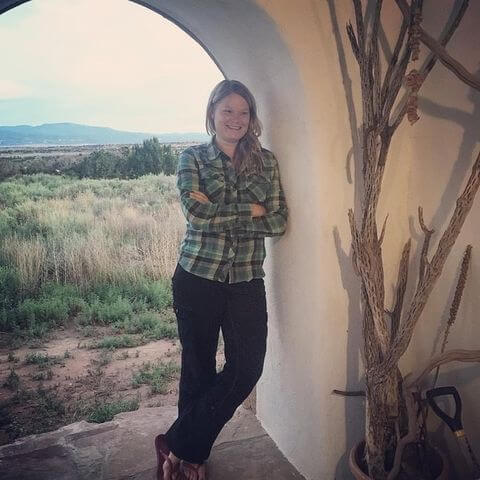
Hey everyone and welcome back to the podcast and my interview today with Karen Dwyer Tesoriero.
Now,
There are times on this podcast when I interview people and yes,
They have to appear on the show and tell a story that is magical or miraculous.
But then through the course of the conversation,
I begin to understand,
Talking with them,
That in fact,
A big part of their lives has involved bringing magic bringing healing,
Bringing miracles to others.
And that's exactly what happened in my conversation with Karen.
Yes,
We have a great talk about who Karen is,
The work she's done,
But honestly,
It's the way Karen shows up in the world today and in the past,
Being of service for others as a psychotherapist based in New York City who worked for a very long time in the NYPD.
Now,
That work that she did did wear her down and did cause problems in her life.
But it was the years that she engaged in helping keep families together and helping people who are struggling to survive and thrive.
Well,
We need about a million more of her in the world,
I can tell you that.
Probably even more at this point.
But I can't wait for you to meet Karen because she's just unapologetically her funny,
Honest,
And with an incredibly generous spirit.
So here we go.
The very next episode of the podcast starts now.
The stories,
I still tell the stories.
I tell the stories about taking babies to go visit their parents in jails.
I still tell stories about the fact of like,
You know,
We had this incident this time and the cops were involved and like.
You never knew from one day to another what you were going to experience.
You never knew from one minute to a minute when you were going to get the call that a child needed to be moved from one home to another.
I'm only,
And I want to ask you this because I know I don't have the capacity to work.
In that arena.
My nervous system is too,
It has been my entire life,
Really frayed and exhausted.
What was that work like?
And I can already tell that you are.
.
.
A strong person,
Like you're firm in your convictions,
And you have a well of strength that you can draw on.
But how did you manage that kind of work?
That was really difficult work.
And this is all in hindsight,
Like who I am now as a 50-year-old versus a 22-year-old who I started right out of college there.
So first and foremost,
I wanna say this,
I don't think anybody at 22 years old should be working in foster care.
I know that sounds horrible,
But you don't know what you don't know.
And now as a parent,
I know now what I didn't know then.
I don't,
That work was really hard.
It was,
I started off,
Literally my supervisor,
When I started the first day on the job,
Hands me a list.
It was two stapled pieces of paper with all the kids' names,
All the family name,
All the foster parent names,
Addresses,
And was like,
Here's your case list.
There's the filing cabinet,
Kind of good luck with that.
And I was like,
I don't know what to do.
So I just started pulling charts and reading charts.
Like I didn't know what else to do.
By the time I left New York City foster care,
I had had different levels of responsibility and I had moved up.
It was hard work.
It was hard managing the kids.
It was hard managing the birth parents.
It was hard managing the foster parents,
The courts,
The expectations,
The other.
It is a lot of work doing foster care work.
If you think about one child who's not in foster care and all that comes with them,
The pediatrician's appointments,
The school appointments,
Anything like that,
If they have special needs,
And then you compound that by all these different systems that are in place,
In hindsight,
It was a lot of work.
I think about those kids,
All those different kids,
Every day,
They kind of,
You know,
Every once in a while,
Someone will say something like,
And they all come up,
Like,
It's amazing.
Um.
.
.
How much?
You just you you hold on to these and they're forever imprinted in my mind at the age they were then like sometimes I have to remind myself like oh that little 10 year old probably would have been a 40 year old man now like It's just so.
.
.
It's amazing that I had that experience,
And I'm thankful I had that experience,
And I learned so much in that.
My writing skills improved in that because we were constantly writing reports to the court.
When I was working doing adoption work,
We were constantly writing adoption home studies,
So that professional benefit was there,
But it was mentally exhausting.
There were days where I came home,
It physically impacted on me.
I was at my heaviest weight at 325 pounds,
Because literally you're working all hours,
You're grabbing whatever you can,
Burger King,
McDonald's.
So my weight had gone up.
I had my own kids at the time when that was the end of that.
And I would come home at night and just crash.
And I couldn't be the mom that I wanted to be to my own kids.
And so that helped me make the decision to leave the foster care world.
Um.
.
.
The stories,
I still tell the stories.
I tell the stories about taking babies to go visit their parents in jails.
I still tell stories about the fact of like,
You know,
We had this incident this time and the cops were involved and like.
.
.
You never knew from one day to another what you were going to experience.
You never knew from one minute to a minute when you were going to get the call that a child needed to be moved from one home to another.
Just moving kids in garbage bags.
When I say looking back at that now as a 52-year-old and looking back at myself as a 22-year-old,
You weren't given anything other than hefty bags.
What kind of message does that send to them?
Yeah,
And as a trauma therapist,
Seeing what my role was in that,
There's a lot in this.
There's a lot in this,
In my experience with foster care.
The whole system needs to be,
Like you said,
Set on fire and revamped.
Like,
Even today,
It's just a mess.
Yeah,
Foster care was hard.
I spent probably close to 15 years there.
And it was exhausting.
It was exhausting.
Oh my gosh.
I can't even imagine.
And I'm so sorry.
Yeah.
Like you think about these people who don't have the resources available and,
And I'm talking about financial resources right now.
Like so many of these birth parents were caught.
They,
It was intergenerational trauma.
And then there was the trauma,
Having your kids removed and the trauma to the kids and forced the parents who was stepping up to try and make these kids lives better.
But some of them had their own issues that you're dealing with.
More kids come into the foster care system and get abused in the system than ever the abuse was with their birth family.
There's so much in it.
And that's where all my trauma experience,
Like that person said,
Like,
Oh,
You're the resident trauma expert.
You've been dealing with it for so long.
And now that I see it,
It's like,
Oh,
I wish I would have done that different.
So there's a lot in that for me.
Can I ask you,
Through this work over 15 years,
I can't imagine the challenge,
The exhaustion.
The grief because you're at the front lines of witnessing a lot.
It is,
Is really,
Really.
Painful.
Was there ever a moment or a family or a child where you thought,
Oh my gosh,
This This is ideal.
The system works.
There was one family that we had.
What I would call a major success for.
And when I left the story,
It was still good.
And I hope for those kids that they did do well.
They're well into adulthood at this point,
Looking back on them.
But their mom had gone through a drug program.
She stayed clean.
She was literally like,
I need more support.
Please don't.
She was visiting her kids.
She was doing everything right.
She actually went to school.
Career.
And last we heard,
Those kids went home,
And they've been doing well with her.
And I hope,
For their sake,
That that ended well.
Like,
I really hope.
You just never knew.
You just never knew from one moment to another when it was going to go awry.
And here it is,
You have all these kids,
Like 20,
25 kids for one caseworker.
And you're going out,
Doing home visits.
You're checking on the parents.
It was so much.
And the system has changed since then.
Like,
Now they do a lot more permanency work.
They keep the kids in the home with their birth parents and support them more.
And that eliminates some trauma of the kids actually being removed like that.
But it's a hard system.
It's a hard system.
The courts and dragging things out.
Like,
You got to think about it.
If a judge has their court officers and their stenographer and all the people that work there in the courts,
One person gets sick,
They might adjourn something.
And now when you're talking New York City,
That court case could get adjourned for six months.
So for no fault of their own,
These kids were still in the system.
System,
These parents were still struggling to get their kids back because somebody got sick and the whole day got adjourned.
It was just a hard system.
I would imagine,
I mean,
Just based on our conversation and what I sense of your spirit and who you are,
That oftentimes or many times or most times those kids in those families were like,
Karen is an angel.
No,
Not- I got called a lot of other names other than Angel.
I had some other parents who would not agree with you on that.
They had all kinds of names.
And you know what it was?
I'm working within a system.
And oftentimes,
My hands were tied.
And so it was a broken system at that.
And everybody's trying to do the best that they can.
And sometimes,
Things didn't go well.
Things didn't.
And I got cursed at.
I got spit at.
There was all kinds of stuff that happened.
System to work in.
My younger son,
Who I talked about,
Is actually studying psychology.
And I'm like,
Don't go into holistic.
Don't go into holistic.
Don't do that.
So,
Um.
.
.
Yeah,
It's just,
It's a really,
Really hard field.
Like,
It was just the stories,
The stories.
Like,
Dropping kids off at college,
Like,
You think,
Like,
Oh,
That's a great thing.
But when you're leaving a kid there and all the other kids have their parents there,
And this kid is going to orientation by themselves with no parental support,
Like,
That pulls at your heartstrings of,
Like,
I,
You know,
There's that fine line between you want to step in and be a parent,
But we were all around the same age.
Like,
Sometimes these kids going into college,
I was only.
.
.
If they were 18 and I was 23,
What is that,
Five years difference?
Like,
I wasn't much older than them.
Who was I to pretend to be their mom?
So it was just a hard,
Hard field.
Wow.
Yeah.
I'm grateful for.
.
.
Your strength of spirit and the fact that you were able to do it for as long as you did.
You know,
When you said I didn't do it for very long and then I was like,
Oh,
A couple of years.
And then you're like 15.
I thought.
Well,
I've been in the field of social work for 30 years.
So that was the first part.
And then everything else after that was more clinical based.
So yeah,
In hindsight,
Yeah,
It was half my career at this point.
Well,
And as a final question,
I'd love for you to,
How did you take care of yourself during those years?
How did you kind of?
Not well,
Not well at that,
At that point,
Like I said,
I was at my heaviest weight.
I was like 325 pounds.
It wasn't until after I left foster care that I started on a weight loss journey and really started to take care of myself.
Um,
Nowadays I'm a lot more boundaried with my time than I ever was back then.
Again,
I've learned a lot.
Um,
I work out every day and include movement in my body.
Every single day,
Even if it's as simple as going for a walk.
I love,
Like I said,
Spending time outside because I know that being in nature really helps regulate our nervous systems.
I'm very big into emotional connection with people.
That helps regulate me.
So I am a lot better at it now than I ever was back then.
And I think it makes me a better therapist now than I ever was then.
I think back then I thought like,
I have to be all in it.
I have to be there.
And I burnt myself out on it.
Okay.
Yeah,
Totally.
Boundaries.
It's about boundaries.
That's a wrap on this episode of the podcast and my conversation with Karen.
I want to thank all of you for listening to the podcast.
It means a lot.
I work really hard.
And while I do love the work,
It helps when I get a little rating or maybe someone takes the time to write a review.
Those ratings and reviews,
Well,
They warm the cockles of my heart and you'll never know how grateful I am.
Thank you for listening.
And here's my one request.
Be like Karen.
I mean,
I don't know,
Find balance,
Right?
I mean,
Some of the people I know are involved in work that is all about lifting others up,
Being of service to others.
But at some point,
Those stresses and those concerns begin to weigh on us.
So it's all about self-care and balance.
How can you show up for the world?
How can you be present to others while also maintaining your health?
So whatever you do,
Be like Karen a way forward that encompasses both.
Where you can show up and shine for others and show them how to shine.
But then you can go home and nourish yourself in whatever way that looks like.
It's all about balance,
Everyone.
So take that to the bank,
And I'll see you so very soon for the next episode of the podcast.