
The world’s largest free audio library for everyday wellbeing
Real people. Real life. Real time.
Retreat categories
All RetreatsYoga RetreatsWellness RetreatsMeditation RetreatsYoga Teacher TrainingWomen's RetreatsYoga Retreats in BaliYoga Retreats in United KingdomYoga Retreats in AustraliaYoga Retreats in ItalyFind Your Perfect Retreat
Discover transformative Retreats led by Insight Timer's best teachers.Reconnect, recharge, and return renewed.
The world’s largest free audio library for everyday wellbeing
Blog categories
Mental Health and WellbeingTips and GuidesScience and ResearchTraditionSpiritualityAt WorkTop Articles
How to Meditate
Meditation is something everyone can do. Practicing can help improve your health and wellbeing.
Explore MeditationMeditation Timer
Free meditation timer with customizable intervals, bells, and ambient sounds.
Meditation Timer Online
COURSE
How To Fight Injustice Without Hating
With Valerie Brown
This is a 5-day course on how to work toward greater racial and social justice without succumbing to hatred and violence ourselves in our efforts to bring about change. You will come to understand systemic and structural racism and why it's important to you, unconscious bias and how this hinders progress, and white privilege and fragility as a form of suffering as well as how these contribute to racial and social inequity. Finally, you will learn how to skillfully handle strong emotions for inner peace and calm. Join Valerie in these powerful teachings.
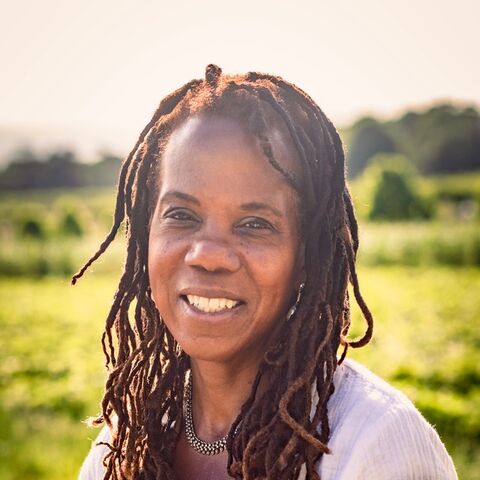
Meet your Teacher
read more
5 Days
4.2k students
4.8 stars
11 min / day
Recovery & Healing
English
4.8 (242)
Recent Reviews
Pamela

September 10, 2026
This is an excellent and directed experience to focus perspectives of race and justice as part of increasing mindful awareness of being human, and the role of constructed bias. The mindfulness exercises allow the sound and meaning of the words to join in practice of taking time for increasing awareness.
Jesmn
March 31, 2025
Thank you. So much of what I’ve done to address racial injustice has been reactive and judgmental. Mindfulness practice will allow me to show up from a calm, grounded place.
Rochelle
February 22, 2025
With all that is happening currently; this course has given me the tools I need to NOT get angry. Taking deep breaths and remembering the GOOD. We will always have racial inequality & injustice. Not accepting it; but finding some sort PEACE.
Sam
December 6, 2023
Thank you so much for creating this course.
Dale
November 7, 2023
I really enjoy any strategies to continually work on racial and social justice. This work is so important. Thank you for offering these practices! Peace, Love, and Respect to you! 🕊️ ♥️ 🙏 ✊🏽
Sky
July 4, 2023
Beautifully done. Very calming and informative.
Tim
April 17, 2022
One of a kind. Very important content to hear and to use in my life. Much gratitude.
Dayla
December 9, 2021
Great voice —very soothing
Larry
November 14, 2021
This course is on point. It opened up awareness in so many areas concerning personal social justice. This course provided examples of mindfulness engagement, leaving me with a sense of peace through empowerment.
Kirsten
May 4, 2021
Beautifully presented ❤️
Esmé
April 27, 2021
Thank you for this much-needed course. 🙏🏽
Tina
April 27, 2021
Great reminders.
Peggy
April 20, 2021
Thank you. I learned a great deal.
Stephanie
March 10, 2021
Excellent course. Thank you very much
Emma
January 31, 2021
Brilliant
E
January 30, 2021
So grateful for this course and practice. Thank you, thank you, thank you.
Dez
January 27, 2021
Thank you for developing this course and meditations to address these very important topics 🙏
Barbara
January 24, 2021
This was so valuable. Thank you 🙏🏽.
Mel
December 30, 2020
Fantastico! This helps me continue to practice mindfulness 🧘🏽♂️ meditation. Namaste 🙏🏽 and thanks
Karlin
December 1, 2020
I so appreciate this course. I chose to listen to it all in one morning but actually will listen to it again.
More from Valerie Brown
Trusted by 37 million people. It's free.

Get the app


