
The world’s largest free audio library for everyday wellbeing
Real people. Real life. Real time.
Retreat categories
All RetreatsYoga RetreatsWellness RetreatsMeditation RetreatsYoga Teacher TrainingWomen's RetreatsYoga Retreats in BaliYoga Retreats in United KingdomYoga Retreats in AustraliaYoga Retreats in ItalyFind Your Perfect Retreat
Discover transformative Retreats led by Insight Timer's best teachers.Reconnect, recharge, and return renewed.
The world’s largest free audio library for everyday wellbeing
Blog categories
Mental Health and WellbeingTips and GuidesScience and ResearchTraditionSpiritualityAt WorkTop Articles
How to Meditate
Meditation is something everyone can do. Practicing can help improve your health and wellbeing.
Explore MeditationMeditation Timer
Free meditation timer with customizable intervals, bells, and ambient sounds.
Meditation Timer Online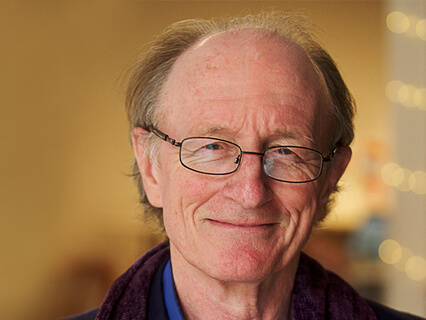
COURSE
Deepen Your Meditation Practice With Poetry
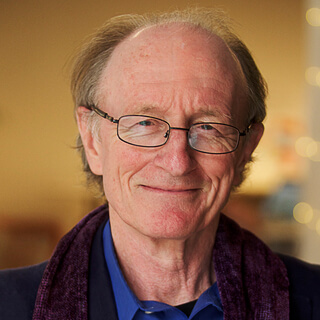
With Hugh Byrne
In this 10-day course you'll discover how to develop or deepen your mindfulness practice by using poetry as a tool to find present-moment awareness. Over the next 10 days you will be guided through a range of skills and experiental practices, as well as gain a strong conceptual understanding of mindfulness and its key components—including information drawn from the latest mindfulness research. These teachings will encourage you to establish a powerful meditation practice that will allow your mind to creatively flourish, while finding deep peace, calm and clarity from within.
Meet your Teacher
read more
10 Days
12.3k students
4.9 stars
16 min / day
Compassion
English
Ask your teacher
This course includes 268 community questions and 25 audio replies from Hugh Byrne. The community classroom and teacher audio replies are only available via the app.
4.9 (1624)
Recent Reviews
Leah

October 9, 2026
Incredible. Hugh is a gifted teacher and guide. My absolute favorite and go to on insight timer. Hugh opened my eyes to mindfulness practice and in forever grateful. I will be doing this course again and again! Thank you Hugh Byrne!
stephanie
June 12, 2026
Everyone should take this course. I will come back to these teachings and poetry again and again.
Claire
May 23, 2026
A truly insightful course with such beautiful poems which really resonate. Thank you Hugh
Rachel
April 13, 2026
Thank you for a well-balanced and thought-provoking overview of the aspects of meditation as encapsulated in the accompanying poems. ❤️
Kirsty
April 12, 2026
Ann excellent course. I will return to it and know I will have more to learn from it each time. Thank you.
Maggie
March 13, 2026
This was so very good. Hugh is my favorite teacher. Thank you 🙏🏼
Camellia
February 26, 2026
Thank you so much! Such a valuable course. Every poem resonated deeply and enriched my mindfulness, as promised. The course is perfect for repetition so I will keep it handy 🙏💛
Nicole
February 6, 2026
I truly cherished this beautiful practice each day… thank you so much for the thoughtful, nourishing, and elegant composition 🤗💝
Maaike
January 14, 2026
I appreciated Hugh’s calm voice, and the thoughts and knowledge he provided throughout the course. The poems were beautiful, and hearing them within the frame of meditation made me relate to them. I will really keep an eye out for more of Hugh’s meditations and I might come back to this course in order to re-enjoy it. Thank you! 🙏🏼
Hannah
December 1, 2025
Wonderful course and beautiful poetry. Thank you 🙏
Sarah
November 19, 2025
Hugh is a WONDERFUL teacher, and this course was as beautiful as it was transformative. I will treasure some of these poems for a lifetime. Thank you, thank you, thank you.😊
Brenda
October 29, 2025
Thank you for this soothing experience of meditation and poetry. Blessings to you 💗 🙏
Sherry
October 6, 2025
Lovely and helpful 🙏🏼
Cynthia
September 26, 2025
This course was so helpful I am taking it again.Hugh’s words and soft reassuring voice has the capacity to transform what ever difficult situation you are going through . The poems selected are thought provoking and powerful. Each lesson bulids on the last one. Alot of rich tools to help you see more clearly and change your mindset. So helpful!
Lisa
September 23, 2025
Wonderful course! I love the poems and poets chosen . Mary Oliver and Rilke have always been favorites. Thanks Hugh!
Keith
August 28, 2025
Thanks for sharing this wonderful course with us. May you be safe, happy, healthy, and may you live with ease. Namaste
Anne
August 6, 2025
Great refreshing overview with my favorite poets. Thanks!
Berenice
August 5, 2025
Very nicely put together with the poetry reinforcing the foundations of meditation and mindfulness. Thank you Hugh!
Laura
June 20, 2025
I really enjoyed this course. Hugh is a wonderful and wise teacher, and I enjoyed the addition of poems in this course. I highly recommend his courses and books. 🪷
Donna
June 16, 2025
Thank you. This is a beautiful course. I will revisit often.


