
The world’s largest free audio library for everyday wellbeing
Real people. Real life. Real time.
Retreat categories
All RetreatsYoga RetreatsWellness RetreatsMeditation RetreatsYoga Teacher TrainingWomen's RetreatsYoga Retreats in BaliYoga Retreats in United KingdomYoga Retreats in AustraliaYoga Retreats in ItalyFind Your Perfect Retreat
Discover transformative Retreats led by Insight Timer's best teachers.Reconnect, recharge, and return renewed.
The world’s largest free audio library for everyday wellbeing
Blog categories
Mental Health and WellbeingTips and GuidesScience and ResearchTraditionSpiritualityAt WorkTop Articles
How to Meditate
Meditation is something everyone can do. Practicing can help improve your health and wellbeing.
Explore MeditationMeditation Timer
Free meditation timer with customizable intervals, bells, and ambient sounds.
Meditation Timer Online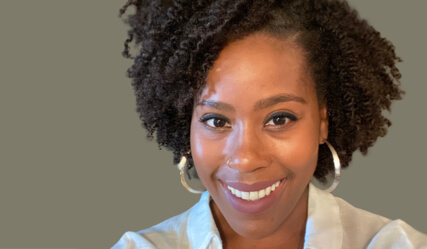
COURSE
Overcoming Imposter Syndrome
With Adia Gooden, Ph.D
Imposter syndrome makes us feel like a fake or a fraud and generally like we are not good enough. Feeling like an imposter can hold us back in our lives and careers and it is important to take active steps to overcome it. Many people struggle with imposter syndrome and it doesn't simply go away when we graduate or get a promotion. In this micro course, we will discuss what imposter syndrome is, how it can hold us back, and you will learn share 10 practical strategies to help you overcome imposter syndrome.
Meet your Teacher
read more
15 Days
18.0k students
4.8 stars
12 min / day
Confidence
English
Ask your teacher
This course includes 260 community questions and 23 audio replies from Adia Gooden, Ph.D. The community classroom and teacher audio replies are only available via the app.

4.8 (407)
Recent Reviews
Nicole

May 19, 2026
Very helpful insights into the feelings, shared experiences and tangible actions to help overcome imposter syndrome. This is a helpful framework to return to whenever these feelings may arise. Thank you for creating this course!
Carolina🕛🌚💃🏻
January 7, 2025
Thank you so much for all the insights. To change all the programming on the way I feel about myself will take some time but I’m moving in that direction.🙏🏼🙏🏼
Alicia
July 30, 2024
Very helpful course thank you so much
Tynese
July 11, 2024
This course is a God-send, to all who have struggled with Imposter Syndrome. It is one that I will revisit frequently. Thank You and God Bless You, Dr. Gooden
Sorca
June 26, 2024
Dr Adia’s course was really well delivered and I’ve definitely taken away some v useful tips for combatting my imposter syndrome - thank you so much for sharing this course !
MariaXavier
May 8, 2024
Thank you. I didn’t know I was living with this syndrome. Now I can improve myself. Thank you ❤️
Nicki
April 23, 2024
I really appreciated this course. The last strategy really resonated with me. Shifting my mindset to what I can contribute. This helps me get my head in the right space before work. Thank you 💓
Vickie
March 15, 2024
I found your course to be very helpful. I wrote everything down about imposter syndrome. I will continue to follow your strategies, however, I still feel like one. I'm working on it. Thank you very much 😁.
Kirsty
March 14, 2024
I really enjoyed this fantastic course! It's very beneficial and constructive. It's especially helpful to me that the teacher is BIPOC, as this means that she discusses discrimination wholistically with Imposter Syndrome. I have several disabilities and feel more comforted when getting inclusive advice because those extra layers of accumulative discrimination, and barriers, have to be tackled for me to move forward.
verlaine
January 4, 2024
what a great opportunity to reflect on my journey and what i bring to the table. i’m so grateful for this new perspective!!
Greg
December 19, 2023
Excellent course! Thank you!
Rochelle
August 28, 2023
Great Course! I now have a better understanding of imposter syndrome.
Sofia
August 17, 2023
Nice ❤️
Caroline
August 3, 2023
This was so helpful! The strategies were practical and I’m feeling more confident.
Jenna
July 31, 2023
Great course! Super valuable tips and strategies.
Lala
July 25, 2023
Amazing reflections. I deal with impostor syndrom in the friendships sphere, it help me a lot to finally identify that that's how I feel and gave me some very helpful insights! 🙏🏻 Also, I would love a course based on this theme of impostor syndrom around relationships, thank you!
Keri
July 6, 2023
I loved her tone & organized but not overwhelming material
Rana
June 15, 2023
Really helpful. It helped to see how I’m not alone.
Kurt
June 9, 2023
Thank you for taking the time to put this course together. It really helped identify several of the triggers that make me feel like an imposter and provided some excellent strategies in dealing with the imposter feelings. Much ❤️ and appreciation.
Sylvia
June 2, 2023
I appreciate the new perspective that Dr. Gooden brings to this topic.
More from Adia Gooden, Ph.D
Trusted by 37 million people. It's free.

Get the app


