
A 2021 study found that poor work–life balance significantly predicted emotional exhaustion and depersonalization in therapists. In 2024, Owl Practice reported 57% of therapists regularly skip breaks, meals, or self-care during the workday.
Let’s set the scene
You had every intention of stepping away for lunch. But a session ran long, your inbox was full, and progress notes started piling up. Now it’s 4 p.m. You haven’t eaten, you’re tired, and you still have two more clients. Once again, your needs got pushed to the bottom of the list. And once again, you're staying late to “catch up.”
What’s really going on
Many therapists are trained, explicitly or implicitly, to prioritize clients above all else. In highdemand times, this can lead to chronic over-functioning and the erosion of personal boundaries. When time isn’t protected with intention, breaks disappear, the workday bleeds into the evening, and self-care becomes optional instead of essential.
How this manifests itself
No clear end to the workday
Difficulty saying no to clients
Skipping meals and missing breaks
Feelings of guilt when taking time off
We’re not just for your clients. We’re for you, too.
Insight Timer is the world’s largest free mental health app, used by 3 million people a month.
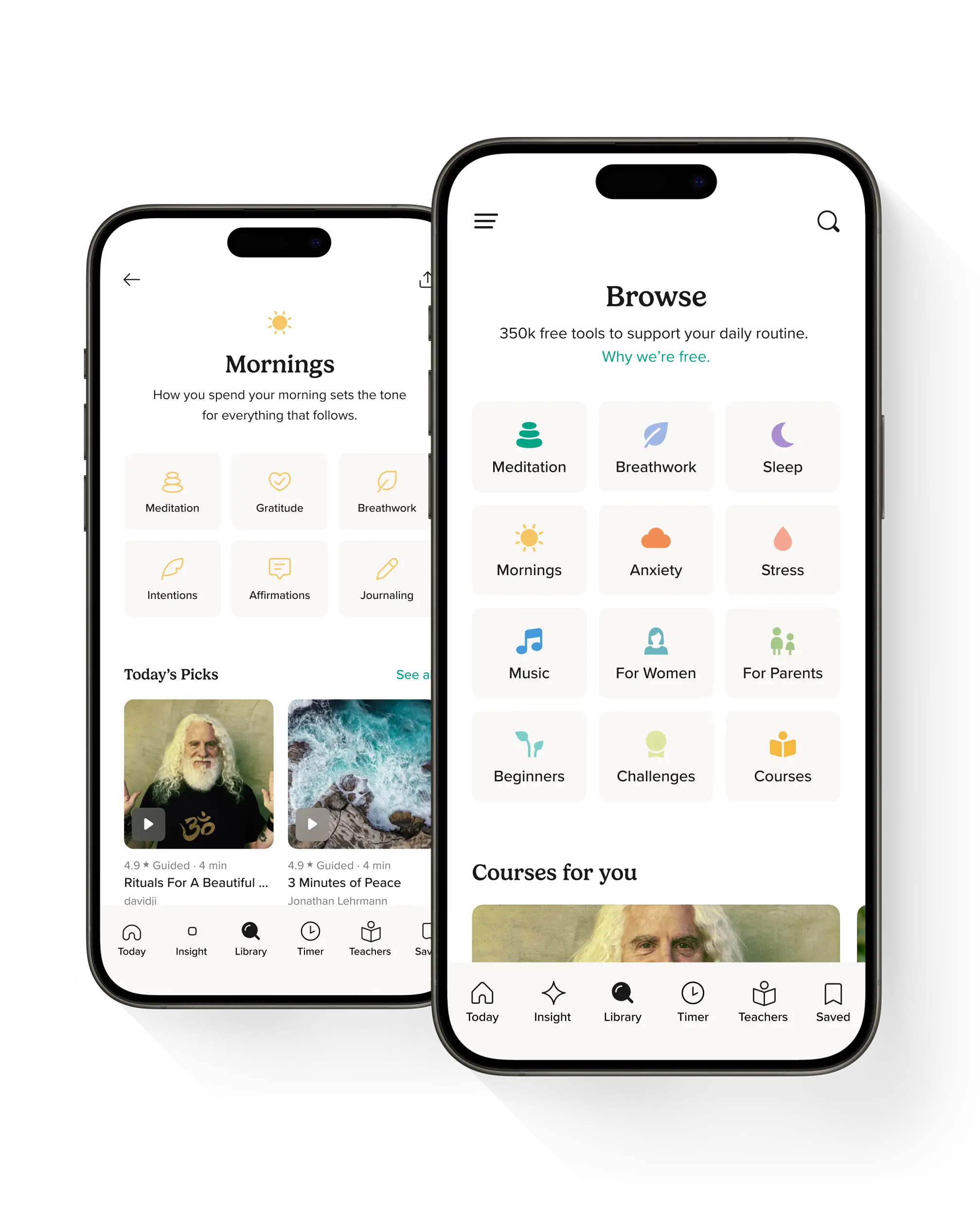
We have over 20,000 wellbeing experts who share 350,000 free tools to support your daily wellbeing. Our mission is simple: to give everyone access to free mental health support.
Join For Free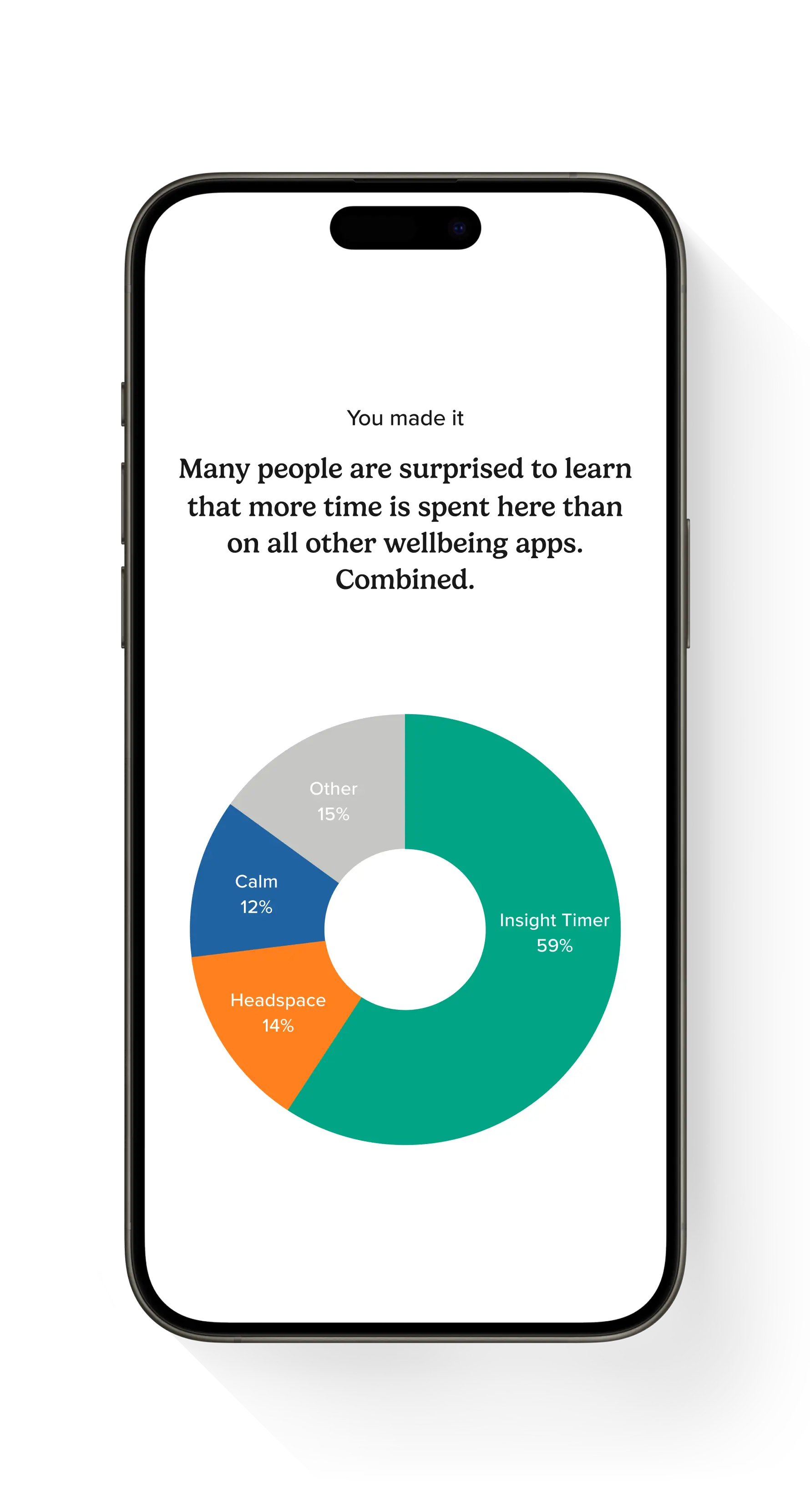
How can we help?
To restore boundaries and support sustainable care, you might benefit from rituals that protect both space and energy. Insight Timer offers simple tools to support a clearer division between work and rest.
Here are 5 tracks that can help.
1
2
3
4
5
Work-life Imbalance
Build Insight Timer into your day
Create intentional rituals to mark the start and end of your workday
Use short transitions between sessions to avoid emotional spillover into personal time
Integrate simple mindfulness scripts into client sessions to support presence and co-regulation
Build confidence in setting and upholding boundaries, including saying no
Release guilt and interrupt the perfectionist loop that leads to overwork
Reconnect with your own needs — not just as a clinician, but as a human being





Don’t overlook your own wellbeing.
Taking care of yourself isn’t separate from your job as a mental health professional. It’s what allows you to truly be there for your clients.
© Copyright 2026 Insight Network Inc. All rights reserved.
If you are in a crisis or any other person may be in danger - don’t use this site. Use these resources