
Nearly 60% of therapists report regular self-doubt, even after years of clinical experience (APA, 2024). It's not about a lack of skill. It's about the emotional toll of holding space for others while receiving little feedback in return.
Let’s set the scene
You close your laptop after a session and sit in silence. “Did I actually help them?” You mentally rewind the session: “Maybe I should have asked a different question. Was I too directive? Did I miss something important?” You’ve been practicing for years, and yet, the voice of doubt still whispers.
What’s really going on
This field attracts empathic, reflective people, but without clear outcomes or external feedback, reflection can easily become rumination. The private, often isolating nature of the work, combined with perfectionist tendencies, creates ideal conditions for impostor syndrome. Therapists rarely hear, “You’re doing a great job,” but often think, “I should be doing more.”
How this manifests itself
Overanalyzing sessions
Low self-worth, even with praise
Comparing yourself to colleagues
Feeling like a fraud
We’re not just for your clients. We’re for you, too.
Insight Timer is the world’s largest free mental health app, used by 3 million people a month.
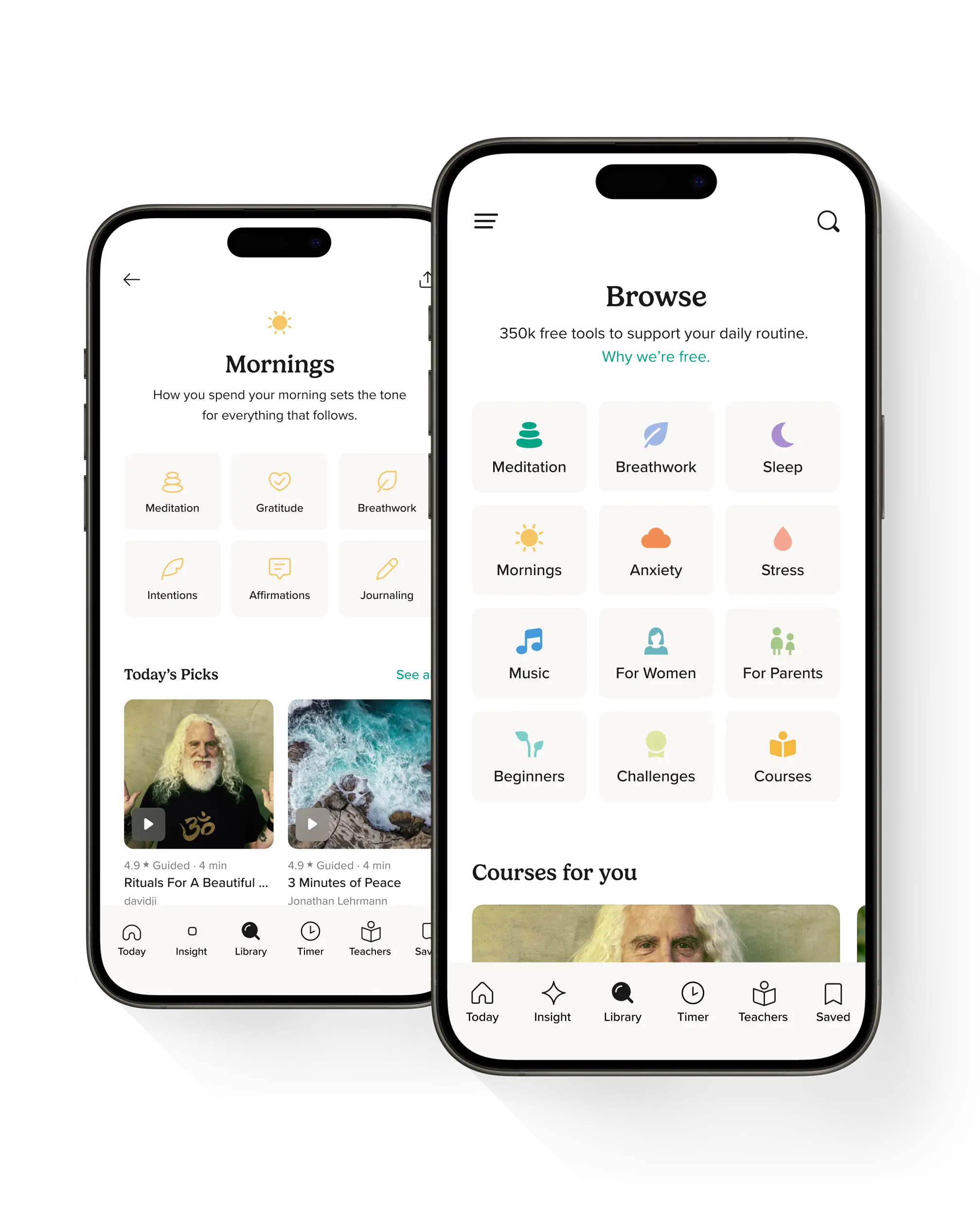
We have over 20,000 wellbeing experts who share 350,000 free tools to support your daily wellbeing. Our mission is simple: to give everyone access to free mental health support.
Join For Free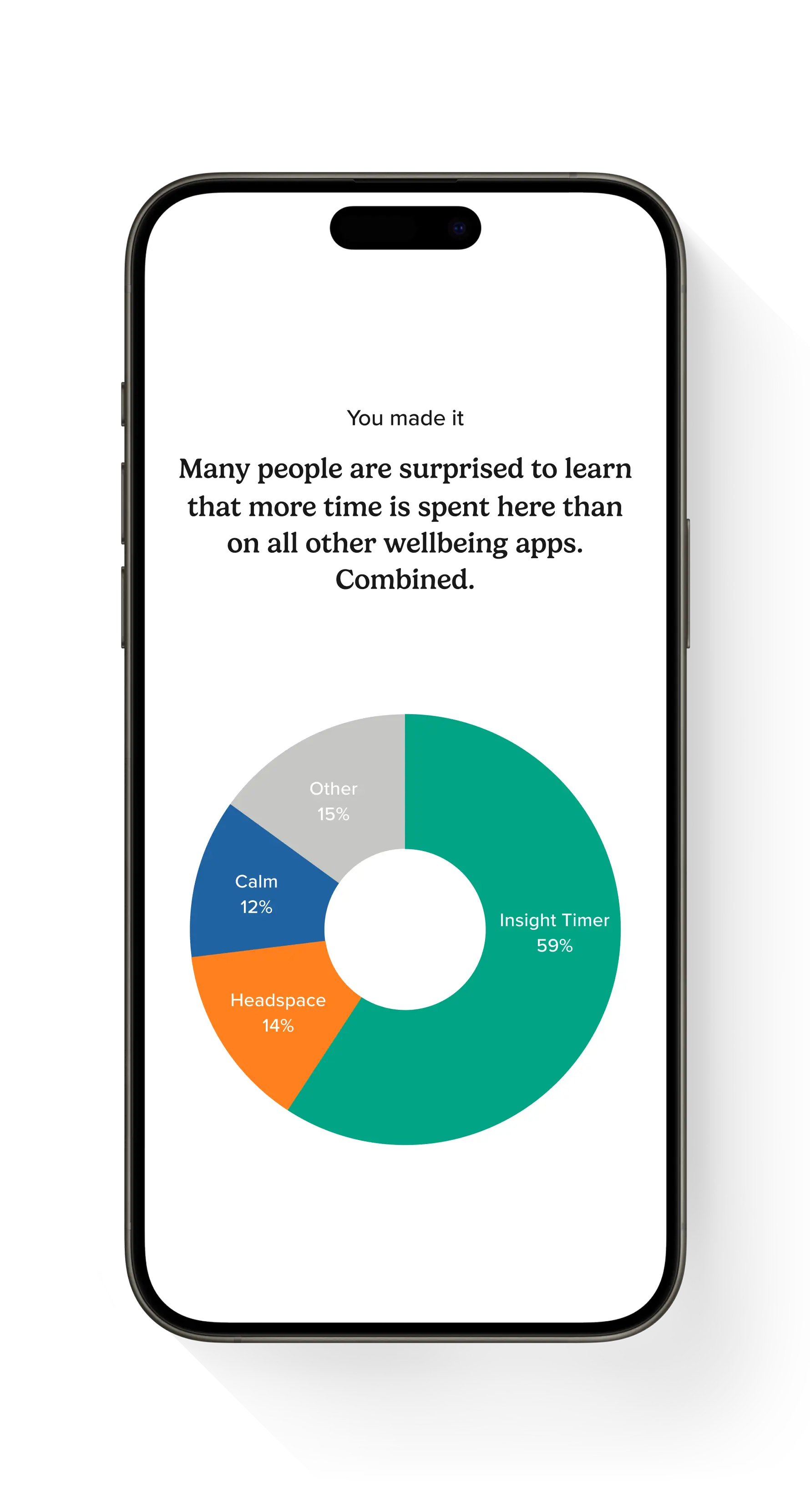
How can we help?
Support doesn’t always have to come from supervision or peer feedback. It can also come from daily practices that calm the inner critic and reconnect you to your purpose.
Here are 5 tracks that can help.
1
2
3
4
5
Impostor Syndrome
Build Insight Timer into your day
Interrupt self-doubt spirals with affirmations that reinforce confidence and self-trust
Step out of comparison thinking by reconnecting with your inherent worth and unique path
Break cycles of overthinking with somatic practices that bring you back to the present moment
Shift your relationship with your inner critic from judgment to understanding and support
Practice self-kindness as a daily ritual, not a reward — especially when your confidence feels shaky





Don’t overlook your own wellbeing.
Taking care of yourself isn’t separate from your job as a mental health professional. It’s what allows you to truly be there for your clients.
© Copyright 2026 Insight Network Inc. All rights reserved.
If you are in a crisis or any other person may be in danger - don’t use this site. Use these resources