
In 2024, 63% of therapists reported experiencing compassion fatigue, a state that quietly overshadows professional satisfaction. (Source: APA, 2024).
Let’s set the scene
You’re mid-session with a client. They're opening up. You’re usually attuned, but today, you’re drifting. You’re staring, listening, but not feeling. Afterwards, you feel guilty. Detached.
What’s really going on
Compassion fatigue sets in when you’ve been deeply attuned to others for too long without space to recover. It doesn’t come from a lack of care, it comes from caring continuously, holding pain that isn’t yours, and having little left to give yourself.
How this manifests itself
Emotional withdrawal, guilt, shame
Slow movements, difficulty articulating feelings
Feeling disconnected or shut down
Feeling you have nothing left to give
We’re not just for your clients. We’re for you, too.
Insight Timer is the world’s largest free mental health app, used by 3 million people a month.
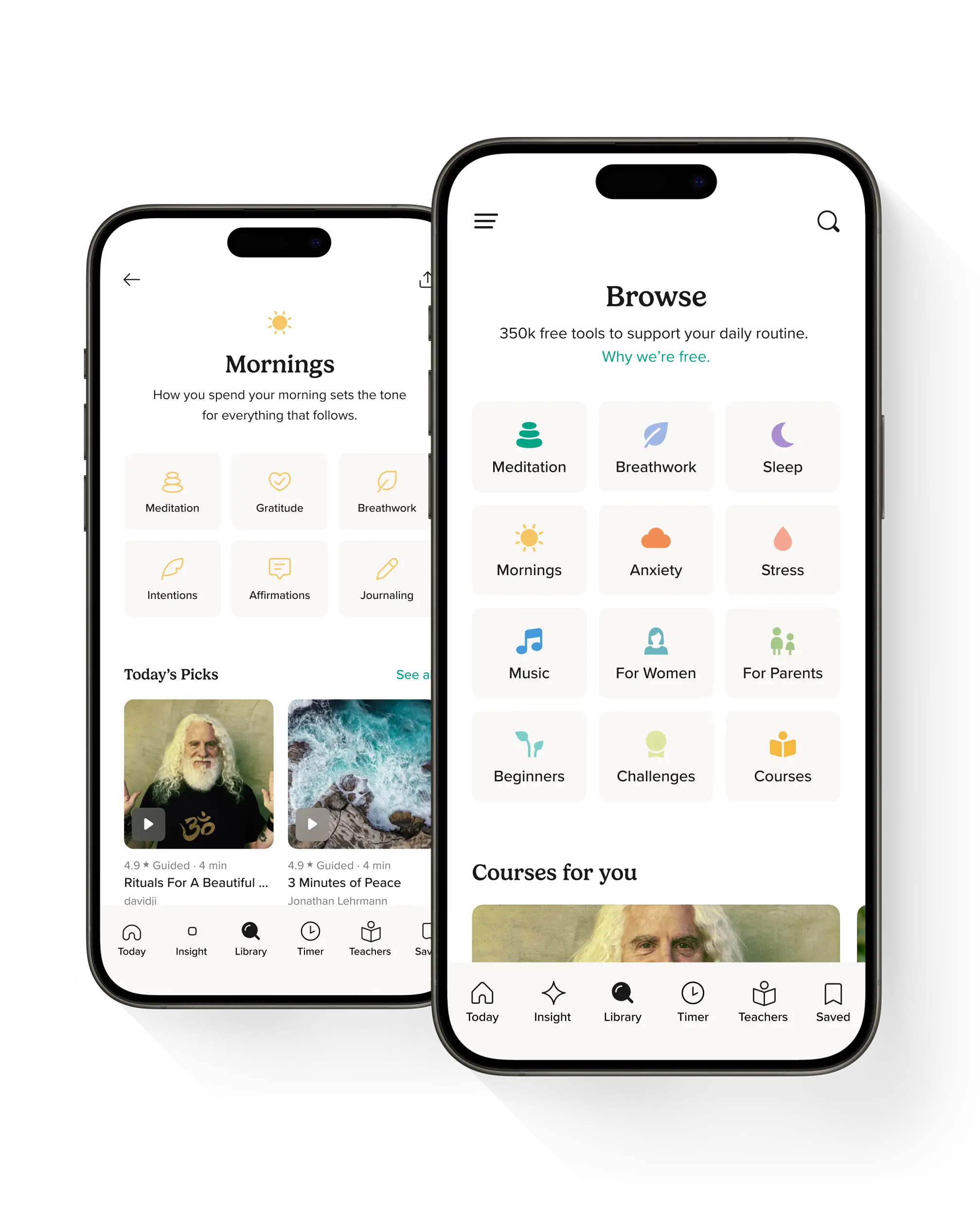
We have over 20,000 wellbeing experts who share 350,000 free tools to support your daily wellbeing. Our mission is simple: to give everyone access to free mental health support.
Join For Free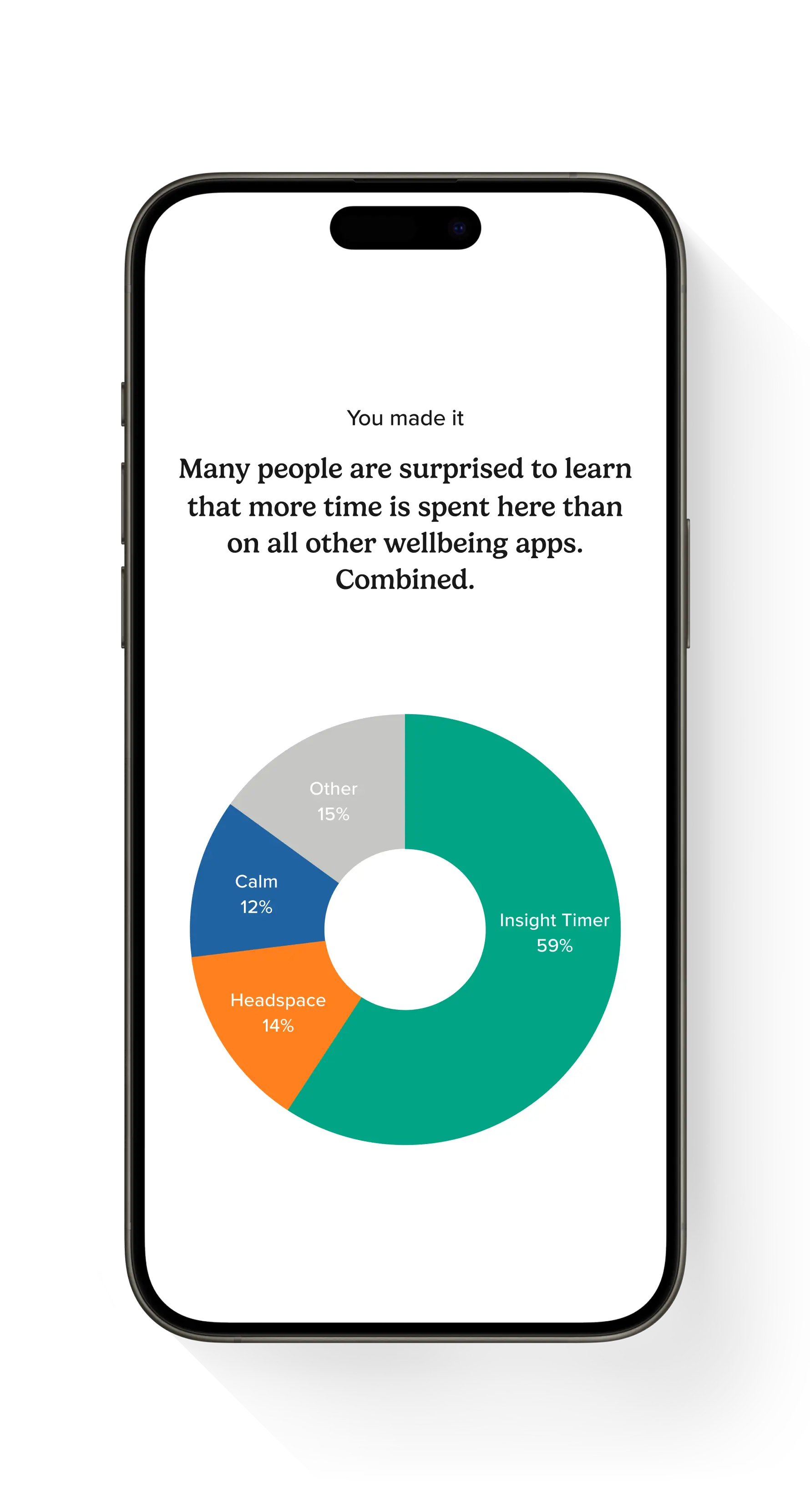
How can we help?
The goal isn’t to force empathy back into place, it’s to gently re-establish connection with yourself, your body, and your purpose.
Here are 5 tracks that can help.
1
2
3
4
5
Compassion Fatigue
Build Insight Timer into your day
Bring some of that kindness you give to others back to yourself with loving-kindness meditations
Take a quick pause to check in and remind yourself it’s okay to have needs too
Use guided journaling to make sense of your day without trying to fix everything
Let go of guilt that isn’t yours to carry — especially when you’re feeling responsible for things you can’t control
Reset your boundaries in a way that feels calm and respectful, not harsh or reactive





Don’t overlook your own wellbeing.
Taking care of yourself isn’t separate from your job as a mental health professional. It’s what allows you to truly be there for your clients.
© Copyright 2026 Insight Network Inc. All rights reserved.
If you are in a crisis or any other person may be in danger - don’t use this site. Use these resources