
Since 2020, there’s been a rise in therapists reporting difficulty emotionally “clocking out” after sessions. A 2023 study from PagePress found therapists working back-to-back virtual sessions were more likely to carry emotional residue into their personal lives.
Let’s set the scene
You close Zoom after a session. Your client disclosed something painful, and you were fully present for it. But when the call ends, your nervous system is still on alert. You head into the kitchen, still buzzing from the session, and your partner casually asks about dinner. You snap. It wasn’t the question. It was that you never left the last session.
What’s really going on
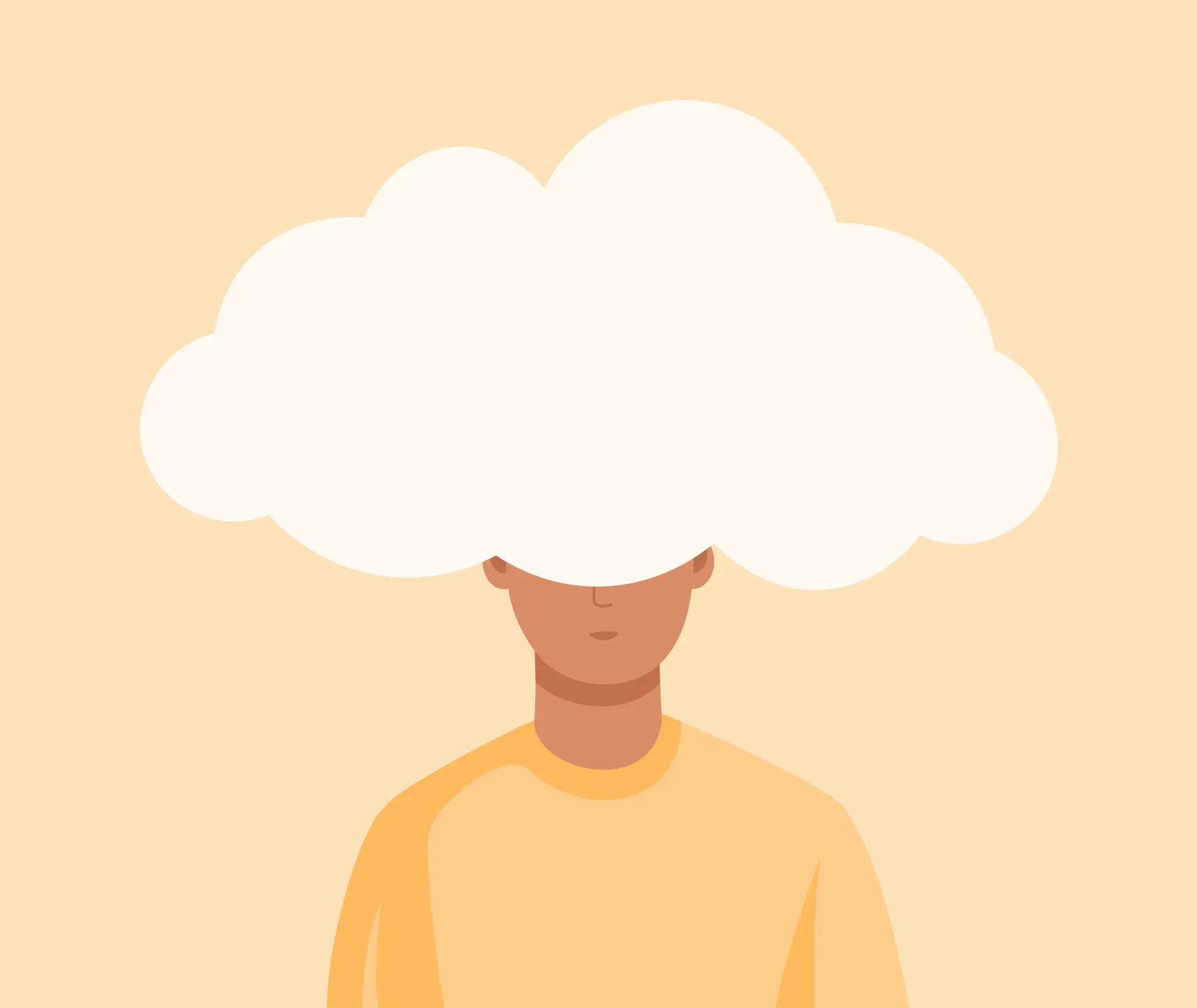
Without closure rituals, your nervous system stays in “therapist mode”, hyper-attuned, emotionally engaged, and unable to downshift. Without a clear reset, emotional activation carries into your next moment, leaving you entangled in your work long after sessions end.
How this manifests itself
Carrying client energy into personal life
Irritability with loved ones
Struggling to switch roles
Feeling “on” all day
We’re not just for your clients. We’re for you, too.
Insight Timer is the world’s largest free mental health app, used by 3 million people a month.
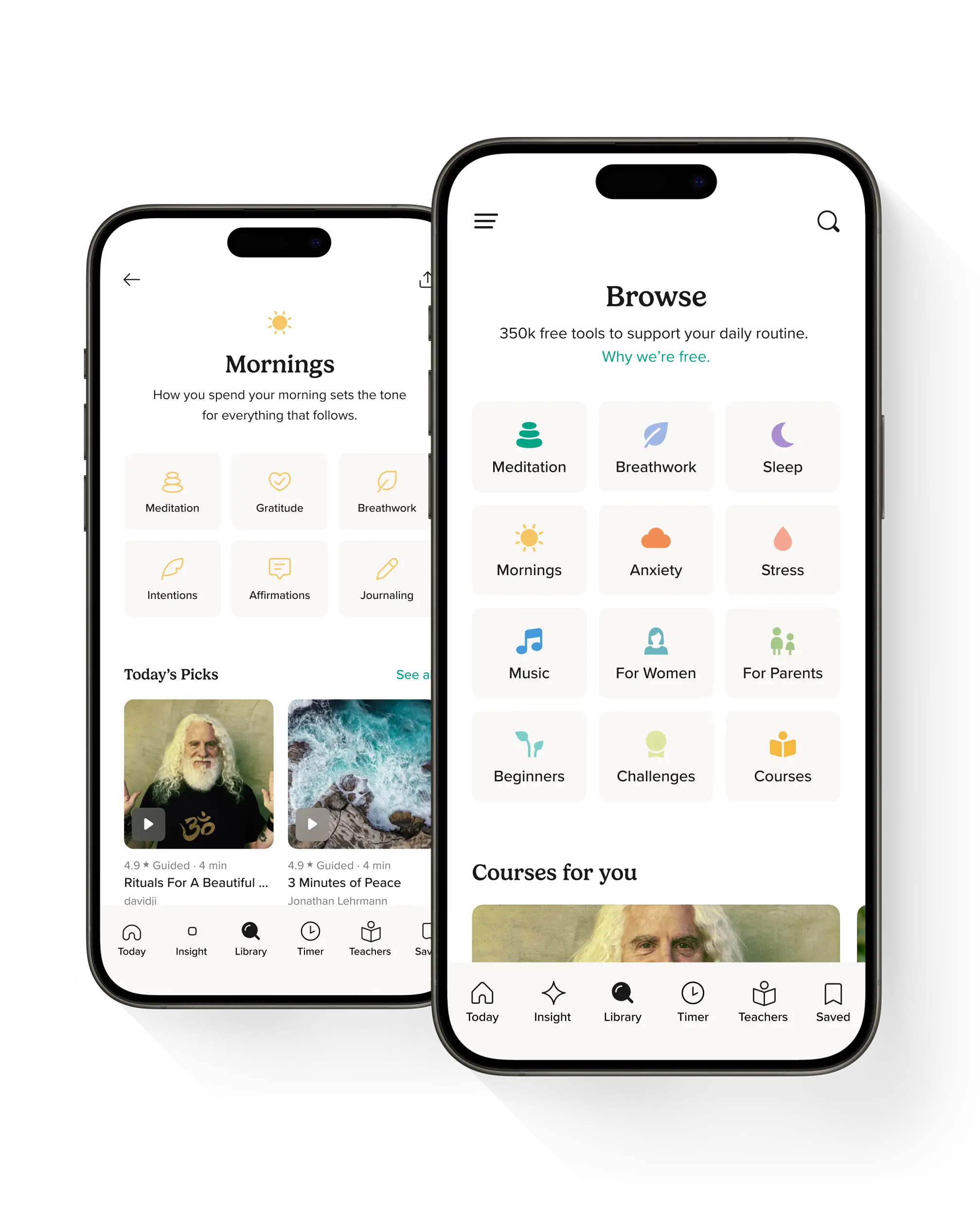
We have over 20,000 wellbeing experts who share 350,000 free tools to support your daily wellbeing. Our mission is simple: to give everyone access to free mental health support.
Join For Free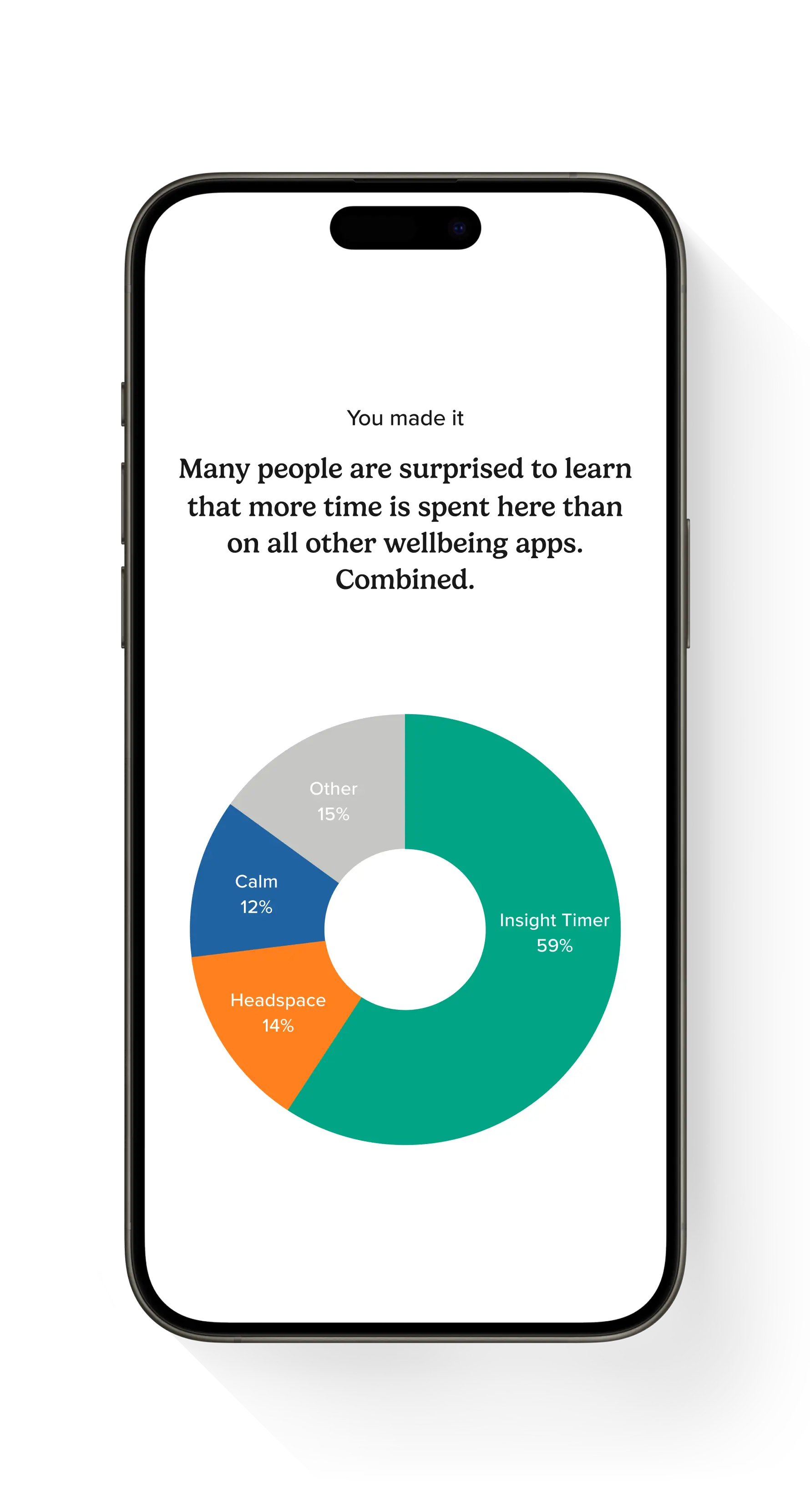
How can we help?
You don’t need long breaks to reset, just intentional ones. These tools and transition strategies support nervous system regulation and help create clear boundaries between professional and personal roles.
Here are 5 tracks that can help.
1
2
3
4
5
Post-session Dysregulation
Build Insight Timer into your day
Take just two minutes between sessions to reset and send a clear signal to your nervous system that one client is done before the next begins
Use short, effective breathwork practices to shift out of overstimulation and return to calm, embodied presence
Implement an intentional end-of-day ritual (like the Fake Commute) to create separation between work and home, especially if you’re working remotely
Use sensory grounding techniques to regulate after emotionally charged sessions and reconnect with your own body

Don’t overlook your own wellbeing.
Taking care of yourself isn’t separate from your job as a mental health professional. It’s what allows you to truly be there for your clients.
© Copyright 2026 Insight Network Inc. All rights reserved.
If you are in a crisis or any other person may be in danger - don’t use this site. Use these resources