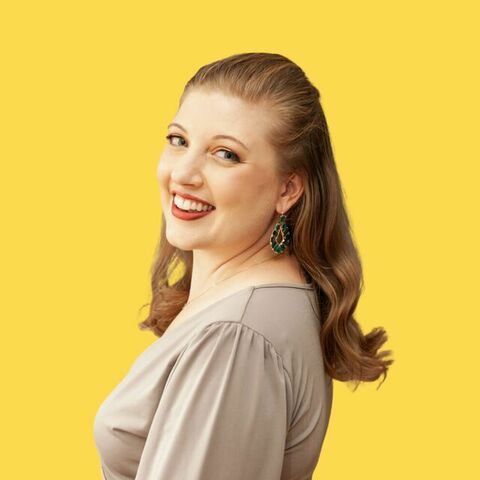
I am really excited to introduce you to Katie Arnold,
Who is the author of Running Home,
A really neat book that combines the physical experience of running with the mental,
Emotional,
Spiritual experience of grief.
I have not read a lot of running books,
But I have read a lot of grief books.
Putting these two things together,
There was a lot more symbolism and a lot more beauty and a lot more pain than I expected.
So I'm really excited to go on this journey with you,
To make this run with you this week,
Grief Growers.
So Katie,
Welcome to the show.
And if you could please start us off with your lost story.
Thank you so much for having me.
I'm excited to be here.
Yeah,
My story is really that in 2010,
Maybe two or three months after I gave birth to my second daughter,
I learned that my father had terminal cancer.
It was kidney cancer,
And it was very aggressive and fast moving.
And there was little to be done for him.
And so sort of as quickly as my daughter was growing,
My new baby was growing,
My father was declining.
And I live in Santa Fe,
New Mexico,
And he was living in Virginia on a farm there.
And I flew back and forth several times that fall to be with him and to help my stepmother as best I could.
And he passed away,
I think it was less than 10 weeks from when he was diagnosed to the day he died.
And the experience for me was I had never lost a parent before,
You know,
I'd lost grandparents.
But this is my first real profound experience with deep grief.
And what was so new to me or unexpected was how physical grief was.
And so on those trips back and forth to Virginia,
I knew that grief was an emotional state,
A sadness,
A resistance to what was happening,
But I didn't know it was physical pain as well.
And so each trip that I made to Virginia,
I sort of accumulated more and more of those physical sensations of grief,
The body aches,
Just the strain sensations,
The weight.
I felt like I was carrying a weight on my back.
And that really stayed with me through his dying.
And then shortly after he died,
It sort of morphed into anxiety.
And it became,
I became anxious and frightened that I was dying as well.
And that went on about 18 months of just this really acute anxiety.
I would get a feeling in my body.
And because I'm a writer and I've been a writer my whole life,
I have a very vivid imagination.
And I would imagine in my head that the pain I was feeling was a serious illness and that I was dying.
And I didn't know at the time that that is not uncommon when you're in grief is to sort of take on the pain of the person you've lost.
But it was quite frightening for me because,
As I mentioned,
I had a new baby.
I also had a two-year-old toddler.
And so life felt very fragile to me at the time.
Yeah,
Yeah.
And thank you for sharing the extent of that because this is a normal experience in the aftermath of loss.
And frankly,
I didn't know it until probably about two,
Three,
Four years after my mom died and I started studying grief.
And I would see these both scientific studies but then anecdotal experiences as well where people would,
Quote,
Unquote,
Get the same thing that their loved one had before they died.
But it wouldn't be that.
And only in a few situations has it actually been I am ill in some way.
It's more I am taking on the pain of that.
I'm reflecting the physical experience of what they just died from.
Like it's very much I think in psychology when they talk about mirroring emotions,
It's almost like you're mirroring physical symptoms.
And this was very true in my story as well.
My dad had two brain aneurysms and I got a bunch of headaches one summer and thought I also had brain aneurysms.
And I can't believe to this day my mother indulged me by letting me get like an MRI or a CT scan or something just to make sure.
And then after my mom died from breast cancer,
I was convinced I also had cancer.
And so it's so normal but like nobody's talking about it and so we're all sitting in our houses going,
Are we all crazy?
I think we're all crazy when in reality just about everybody who has lost somebody has physical symptoms of that grief in some way.
So I'm really glad that you shared that.
I think immediately I want to dive into these really lovely and heartbreaking connections that you made in your book between motherhood and grieving because you were giving birth to raising very,
Very small children pretty much simultaneously with the death of your dad and it's like you had these two wide open windows to the experience of entering the world and the experience of leaving it.
One of my favorite,
If I can read you a little bit of your book,
My favorite piece that I had highlighted here is nothing drives home mortality like motherhood.
When you care for a wrinkled helpless creature who depends on you for everything from whom you are inseparable,
You realize that you absolutely cannot,
Must not die.
And then you watch your father die and you realize that you absolutely will and someday so will they.
Just not now,
Please.
Not for a very,
Very,
Very long time.
And this superimposed wish of I've just seen death with my own eyes,
I'm looking in the mirror,
Don't die,
Don't die.
I'm looking at my children,
Don't die,
Don't die.
It's this very,
I'm even losing my breath talking about it.
Well it was,
It did feel like this was my mantra and my just wish on my lips like for the first 18 months after my father died was like,
I think I'd gone all that time in my life as you do when you're young,
Thinking that death is an abstraction and that it doesn't happen or it happens to other people.
And when it happens in your immediate family circle right after giving birth,
It was like just this perfect storm of realizing how precious life is to see this newborn come into the world that you've grown inside of you.
I mean I remember when my daughter was born,
I was just,
I couldn't get over the fact that she came out with fingernails.
Like I was growing this creature inside of me with fingernails,
Like down to that just tiny detail.
And then at the same time simultaneously to experience the very swift decline of a parent was just,
It was,
Yeah,
It was like I was just kind of wedged in between,
You know,
Just how precious and fleeting life is.
And so it was really,
I wouldn't say it's a prayer because I don't pray in that way,
But it felt like this mantra on repeat in my brain,
You know,
Please,
Please,
Please.
And it was all consuming,
The anxiety,
You know,
Like as you mentioned,
Those feelings of like maybe I'm dying too,
It was just,
It was like this repetitive loop in my brain.
And my brain was very creative.
It came up with like,
Okay,
Maybe it's not elbow cancer this week,
But maybe,
You know,
Maybe you have melanoma or maybe that headache is a brain tumor,
You know,
And it was like wily.
It was very sneaky and creative.
And,
You know,
I understand now that as a writer,
Right,
My imagination is my gift.
And it was just my imagination kind of ran amok and was no longer my ally,
But sort of my worst enemy during this time.
Well,
Because there's an out of orderness that death brings into our lives,
I think.
It's like the realization that that can actually happen.
And so if you're like,
Wow,
If I live in a world where death happens,
What else is possible?
And of course,
We don't go to the good,
What else?
Like maybe all of our mountains are made out of cotton candy.
It's like maybe everyone I love has cancer.
Right.
That negative bias comes screaming into focus.
I know.
And it really does become like a matter of training your mind.
And so in some ways,
This grief experience and this profound anxiety was an invitation to kind of really study my mind and work with my mind to change that story in my head.
And we have so much more control over that than we realize.
And but you couldn't I couldn't,
You know,
Experience that or work with that in the immediate aftermath.
The first 18 months was just,
As you know,
When you're in grief,
It's just like you're in the fog.
It's just triage.
It's getting through the day.
You know,
Not working on strategies.
You're just doing little taking little steps each day to sort of move you forward.
But I had no you know,
I didn't have a grand plan or strategy.
I didn't know I wasn't working toward anything.
You're just like literally fumbling forward.
But it was after my kind of popped out of that really intense period that I saw that I know I can control the stories in my head.
And I,
I can change those stories so that they're not looking and only seeing the negative.
You know,
Excuse me,
Only seeing like the scariest stories,
But choosing to,
You know,
Focus on the positive and positive outcomes that we can't see that lie ahead.
You know,
Our tendency as humans is to look at the negative.
And I've always been an optimist,
Which is,
You know,
Like I've considered myself an optimist.
And I think that that's a paradox that can stand like you can be an optimist and believe that life is working out in the way it should and toward the positive good that you can still have this profound anxiety and the two are not compatible.
I'm really glad that you said that.
And I've also never heard that before on this show is that I can be optimistic and still terribly anxious.
Because I think that when anxiety rolls through the front door,
We're like,
Oh my God,
Now I'm an anxious person.
Now I'm a negative person.
So there feels like this,
Our identity is slipping through our fingers.
Right.
And that's what I think what I was going through a lot was like,
Why am I such a pessimist?
Like,
I've always been this fairly upbeat,
Can do,
You know,
Like,
Just keep moving kind of person.
And,
And,
And so right,
And,
You know,
On top of the fact that I was anxious,
Then I thought,
Well,
Gosh,
My essential self has changed.
And no longer who I thought I was.
And that's not that was not the case.
It was just the anxiety became this negative feedback loop in my mind.
And I,
You know,
It just,
It would kind of keep spinning and,
And create more momentum and it becomes this,
You know,
Repetitive loop,
Even trues of thoughts that are really hard to break.
And really what helped me,
And I,
And that's basically the story that I tell in running home is,
Was,
You know,
Being in motion and running into the wilderness.
And so when I would run,
I would,
You know,
The repetitive motion in my body,
My legs,
My arms moving in unison,
My feet on the ground,
Which sort of lull my worry mind into a quieter space as like a moving meditation.
And so I was able to find relief from those intrusive thoughts and that anxiety while I ran.
It didn't cure me of it,
Of course,
It just helped me manage the anxiety and also to detach from a little bit and say like,
This is not me.
This is not my essential self.
This is a state I'm in right now.
And that was really helpful because when you start to think this is all you are anymore is like the most anxious person on the planet.
And that only digs you deeper,
I think,
Into that hole.
And so running was my way to kind of find my way back to myself a little bit.
Yeah,
And I and I have this message that anxiety sometimes sends me I don't know if this is true for you.
Sometimes anxiety will yell this is all there is this is all there is to focus on this is all there is to worry about this is all of the components of your life there is no more and to do something physical that forces you to be somewhere else.
It's like,
Look,
Brain,
I've just provided you an alternative to anxiety and it doesn't you're correct.
It doesn't erase anxiety,
But it's like,
Look,
We are capable of doing something else.
This is not all there is.
And that's gorgeous.
It does feel all consuming.
I remember that feeling of like I couldn't get away from it.
Even as I had these tiny precious babies who were so darling.
You know,
I would look at them and be like,
Please let me live to see their,
You know,
High school graduation you just the thoughts.
I mean those thoughts sort of are normal with motherhood I think because like you're like,
Oh my gosh,
I want to be alive for this like this is so profound,
But it was just,
You know,
Amplified,
You know,
By by my father's death and.
And so running,
As I said,
Was kind of a way to lull my brain into a quieter calmer space and not everyone was this like beautiful,
You know,
Meditative state you know the first 15 minutes of any run when I would go out and I was going out like in,
And I still do into the mountains so I wasn't in or on my city streets or on in the,
In the neighborhood you know what I craved as much as the physical motion of running and the endorphins that come with running and sort of that runners high was was time in nature,
And was the wilderness and feeling connected to something much larger than myself and my grief that didn't diminish my grief or make it insignificant but sort of put it into context,
And I just,
I felt part of something larger than myself and connected to the natural world and I've always been very,
You know,
At home in nature and outside more so than indoors.
And so it would make sense that I would go there to find that solace and that connection.
And so running in some ways was just the easiest way,
And the fastest way to get as far into nature as possible.
Right,
It's like faster than walking and easier than riding my bike,
You know,
And,
And so I would just,
It was like I was seeking myself in the wilderness.
Yeah,
And very little equipment required.
It's a low spend activity.
Mom that's,
That was a huge thing right like I used to be really into mountain biking and my,
My babies were born and I was like,
I'm feeding and maintaining my babies,
I cannot maintain a bicycle and like,
You know,
Make sure it's running smoothly so for running all I had to do was just put on my sneakers and go and,
And as a grieving person to that helps when it's simple when you can just,
It doesn't require a lot of steps.
It was the right thing for me at the time.
It's incredibly practical and one of my favorite interactions that you have in the book is actually walking with your friend Natalie.
And there's this visual that you spoke about in the book that I actually started using now that's helped tremendously and that's this.
I'm carrying two plastic jugs,
Invisible plastic jugs up the side of a mountain and they're bottomless they're filled with all of my worries all of my thoughts all the annoyances and as you're walking you're dumping out each jug and after you dump one out the other one's full and vice versa so it's like this never ending process of.
I'm dumping out the contents of my brain,
The ground is soaking them in,
They no longer belong to me.
And it's just so neat how walking running being in any kind of motion provides us with the illusion of progress it's like even if I'm not quote unquote,
Doing anything with my grief.
I'm still in motion.
And so there's,
There's an opportunity for for new circumstances for new thoughts for different doorways to appear.
And I just loved that the instant I saw that I was like,
Oh,
I'm keeping that one.
Yeah,
You know,
I haven't thought about that for a while but I feel like I could use that right now right I think yes,
We have those worries and the bottomless worries of like am I going to be healthy as my family,
What about the economy and it's like that I that day that I felt that with those having those pictures and each hand.
It was it.
It was amazing because I felt them,
I was dumping them,
And then I felt they were filling back up but that did not fill me with despair,
It was just like,
I had an acceptance about it it's like,
Oh right like as long as we're alive,
There are these sort of bottomless worries,
We don't have to carry them and we can just keep dumping and they may keep filling up but it's like this very calm feeling of like okay I'm just going to dump them again,
And then there they are again and it's in so it was that resistance that I think as humans is so natural to us,
Like I want to resist what's hard I want to resist what makes me stressed,
And the resistance that we put up actually makes it worse and it makes us suffer more and so in that moment,
Just dumping them again and there they are again,
It was like a release that I could use right now I think we all could.
Yeah.
And I want to switch gears and talk about your relationship with your dad,
Because it's clear that it's a complicated one.
I think throughout the whole like there was an arc of running home,
Where not only were you running as a child and then running faster and longer races as an adult,
But also kind of on this quest for answers about your dad and his life and the person that he was even post death.
And that was so fascinating to watch because I think so many times in the great community we have this temptation,
Or almost an order to enshrine the people who have died,
And so we can't talk about their,
Their humanness and their shortcomings and the ways that they've disappointed us but you,
You don't hold back in that and I think that's really refreshing.
Yeah,
It was,
It was really a journey I mean it was,
It was very much as I write about it in the book this very organic unfolding of understanding about who my father was kind of that was parallel to my discovering who I was as a,
As a writer and a runner right and I was like those two were happening at the same time and really what it was for me as my father was a National Geographic photographer for his whole career and so he left this incredible archive of photographs which we knew about,
Right,
You know,
My step mother rather and my sister and I knew that he had these incredible body of work and both professional and personal images that he'd taken over his lifetime.
And but what we didn't,
Or what I didn't know was that he also had this incredible archives of writings of letters of journals.
He had audio cassette tapes he had videotapes,
And so,
You know,
The result was he had this incredible documentation of his life,
And just by his nature he was very astute observer as photographers are right there waiting for that moment to capture.
And,
You know,
They're tuned to all the subtleties in life,
And so that they know,
Here's the moment right that is sort of ordinary but also gorgeous at the same time and so my father was a master of that and paying attention and capturing those details.
And so he left behind this,
This archive,
And it was all there in his office kind of neatly organized he was obviously knew he was running out of time and he was very methodical with his material and he didn't hide any of it,
And it was really all there for us to find and my stepmother made it very clear and generously said,
You know that this was all for my sister and me.
And so the result is that after he died.
I gradually went through it,
And it was too painful to,
You know,
To dive into all at once,
Chronologically methodically also that's just not how my brain works.
And,
But I did it in little bits and pieces.
And so what happened is that my father began to reveal himself to me in ways that I hadn't known him to be when he was alive.
And so in many ways,
I know him better now than he did,
Than I did when he was with us.
And that's both sort of beautiful and a gift and it's also painful.
But right the book is it explores sort of what I discover and a lot of it was different than what I thought.
And that in itself is a gift to my father's generosity and leaving that material behind and sort of documenting his life laws and all,
You know,
He was very forthcoming.
And I think a model really and how to live,
Which is to sort of be truthful to who you are and,
You know,
I guess the term is now like own your life,
But,
You know,
He really did and no one's perfect at all.
And so I think it's really important that we do that and that we do that through his material to realize that our imperfections are kind of what make us who we are.
Did you ever find out something that you didn't want to know,
Like you wish you could unknown.
But there were a couple of things that I found that in the moment of finding,
I kind of had to snap the book shut,
Like I was looking at one of my father's journals.
And there was something just really painful in there again that I that I write about in running home and my first impulse is just that like hot feeling in your face like,
Oh my god I wish I didn't know that.
And I put the book down and this happened on several occasions,
And I kind of had both of those times I think I had to go outside and get fresh air and even maybe I would go for a run and try to run,
Run through it or into it not really away from it but just kind of let it settle in my body in a different way.
And,
But then after the fact and I mean after the fact like,
You know,
Weeks or months and even now years after,
I wouldn't want to know anything.
There's nothing right now that I know that I wish I hadn't found out.
It was painful and sort of will take your breath away in the moment.
But I think,
Ultimately,
They all those things that I'm talking about,
Kind of provided a really fuller truer picture of my father and yes there's things in other people's lives that they wish they hadn't done and things for sure in our own lives right now that I wish I hadn't done that or that you want to slam the book on but really,
I found a way to sort of bring them in and accept them and I and I wouldn't want to not have found them,
Because I feel like they're sort of,
They show me the real side of my father,
And I was human and had made mistakes and have regrets.
Yeah,
So I just,
You know,
But definitely in the moment they're painful.
Yeah,
And I think that's an experience that happens a lot when we find out things after the fact because death ends life,
Not a relationship as Tuesdays with Maury that wonderful book has said and made widely known.
And so we're piecing together pieces of our people.
After they die,
And sometimes some of those pieces are things we would rather not have known,
Or there are things that disrupt the stories that we've been telling ourselves our entire lives and so we have to change our whole narrative because of their this new narrative that we've uncovered or discovered.
Yeah,
Yeah,
Yeah,
So I want to stop knowing those things like I'm looking right now I'm sitting up in my loft office in my house and I'm looking at like five cardboard boxes of my dad's material that my stepmom sent me.
A few months ago when she sold the farm where they live for four years,
And I know there's things in those boxes.
There's like little discoveries waiting to be made and some of them may be really wonderful and some of them may be unexpected,
But I'm sort of excited that I have them still right because finding those things is a way to kind of keep that relationship kind of alive,
And I feel my dad's presence when I find when I find things and I would say like,
You know,
From experience,
My own self hazard going through things it's just,
You know,
That's how I work and I don't,
I wish I had the brain or I actually don't even wish I had the brain but some people would have the mind to sit down and like go through everything very systematically and kind of amass this very complete intact picture.
And that's just not how I work at all,
You know as a,
As a writer I'm,
I sort of go on instinct and,
But I will say that,
You know,
It helped to take it slowly over quite a few years,
And not to just dive in all at once,
But to really pace yourself,
Just to use a running term with like with those things that you find out and with those discoveries because perhaps like sitting and getting it all at once would have been very unsettling and disruptive.
But in the way I did it,
It seemed to,
It seemed to be kind of nurturing rather than destabilizing.
I like both of those words nurturing versus destabilizing and another quote that I highlighted in your book is super simple and super short.
It says,
You have your whole life to grieve.
And I think that sometimes I feel like people are in a rush to grieve and get it over with.
And this teeny tiny little permission slip that you've embedded in here you have your whole life to grieve is like,
You can slow down you can take the pieces as you find them.
I mean,
Circumstances permitting you don't have to sell the house tomorrow you don't have to get rid of all the clothes you don't have to get rid of all the letters you don't have to consume all the information all at once either.
And it's almost like a permission for things to keep showing themselves to you over time.
That was certainly like a big theme for me and grieving my dad and kind of a bit of the magic of,
Of grieving him was that these things would just sort of appear and kind of present themselves.
I describe it in the book like mushrooms after rain like they just kind of pop up when you're not expecting them.
And yeah,
I don't think there has to be a timeline,
You know,
At all,
And we sort of went through my dad's material really slowly and,
You know,
It's been nine years since he died and my stepmom just sold the farm,
Which felt in a way like I was worried it was going to feel like him dying all over again,
Because so much of him was still there and kind of intact,
Although we've dismantled some of it,
But it really felt like when I got to what I thought would be the end you know the day that we said goodbye to the farm,
I realized like my dad's story still hasn't ended,
You know,
And my story with him has not ended and it keeps going in ways that I can't imagine or predict,
You know,
It keeps going every time someone reads the book like the story has rippled outward.
And so,
I really came to understand,
Grieving my dad and writing this book that like the death is not the end,
Right,
It's not this point that finishes everything I mean,
It's him in a physical form,
Absolutely,
That I can talk to or call on the phone or hear his voice,
You know,
1000%,
But there's more to the story right and the relationship keeps going.
It just isn't a different form.
Yeah.
And it's,
It's,
Yeah,
Again it's permission to allow that to be what it is,
Instead of trying to cram grief into however many years you think it should take or however many months you think it should take which I'm like,
Ouch,
That sounds painful to do it all at once.
I think people,
You know,
Our society doesn't really know how to grieve or how to support grieving people.
So there's this sense of like time heals everything and like,
You know,
A full year I remember thinking that it would be a year right like the big holidays and seasons and anniversaries come and gone and then like magically we'd be done.
And it just doesn't work that way it's not linear,
Right,
There's times when it,
You know,
It's quieter in me and then there's times when it really comes to the surface and it's painful and it's,
You kind of can't predict it but I think in some ways I've learned that the grief,
Those feelings,
You know,
As if the grief doesn't go away then my connection to my father doesn't either.
And I've just learned to allow them in.
I mean it's not,
There's definitely times when it's uncomfortable.
My anxiety often comes back in the winter,
Which is when my dad died and,
You know,
Even the feelings of physical pain or fear that I have something too will kind of come back in December.
And I wish that weren't the case you know it's not comfortable,
But it's,
I've learned that,
Oh,
There it is again,
And to sort of like just know it and not exactly make friends with it but just know that it's not,
That it's a deep well spring within me and that there's probably no end to it.
Yeah.
And the sense that it's okay that it keeps showing up.
Yeah,
Like it's not a signal that something's wrong or you need to change your life or you need drugs or you need whatever it is to like make it go away.
Grief has become routine.
It's totally okay it's part of like the fabric of who we are and it's stitched in there,
And you can go for a long time without really feeling it and that's fine too that doesn't mean you love them less or that you've done or forgotten them,
It's just,
It has its own quality right as I write in the book like it's the jagged highs and the lows and then sometimes you're on the flats and kind of rolling through and then it'll pop up again.
It's all okay.
I like I talked to my friend Natalie,
Who I talked about in the book and she lost her parents like 20 odd years ago and she,
You know,
Every time I'm feeling particularly like anxious or,
You know,
Feeling grief rises up.
She'll,
You know,
Remind me or say to me that like show,
She's had the same feeling about her father who's been dead,
You know,
20 years that like it's when you least expect it and it's okay and so just,
You know,
Talking to her has helped me realize that you're right it doesn't mean that like I'm not getting over it or there's something wrong,
It just means that I'm human.
And this draws a lot of parallels between kind of what you learned or processed while running especially in the second half of the book at the difference between winning versus finishing the race.
The sense that maybe grief can't be conquered,
But I can take it with me through the end of my life I can run the race that I'm supposed to run with grief and can you talk a little bit about that in like the physical running perspective of like this pressure to win and pressure to do well and pressure to succeed versus doing my best for me,
Which I think a lot of people feels like oh you mean a participation trophy.
Yes,
I mean a participation trophy.
Yeah,
You know,
I've been a runner my whole life and it was my father who sort of got me into running kind of accidentally which is a great part of the story.
But you know I always ran for other reasons than to compete,
You know I've,
I became a runner right around the same age I knew I wanted to be a writer,
Right around seven,
And the two have always been totally linked to me like when I move my body and I move my ideas in my mind and I come up with ideas and I sort of tap into this imagination when I'm.
And so,
I've been fortunate to have this relationship with running that was always about way more than competition.
And I really didn't start competing until I was in my 40s after my dad passed away and.
And so,
As I described,
I was,
I could find relief from my anxiety when I was running and so I naturally wanted to run farther and to sort of bolster that sense of confidence I have that,
Oh my god I'm not only am I not dying but I'm actually strong and healthy.
And so as I began to run farther and I would compete I had,
I found success at racing and I would win races,
And that was really exciting.
But it,
It created its own challenge of like,
Okay,
I'm not running to win,
Right like I have a much deeper relationship with running it's how I study my mind and how I make friends with my anxiety and how I am a writer in the world.
And also it's how I'm a parent,
You know,
Running makes me a better mother.
I'm more patient and,
And so,
But the ego loves to win.
And so,
When,
When I win races,
I am always doing this practice,
It feels like a daily practice of sort of coming back to the real and the real deeper reasons I run.
And it's really easy to get pulled out into those external measurements of success and like the trophies and the,
You know,
The podium finishes and all that,
And those feel great,
But ultimately,
I have a relationship that goes far deeper than the competition and sometimes it's easier to stay true to that and other times you get pulled out.
But,
But really running for me as this lifelong friend,
And I want to do everything I can to sort of preserve that and honor it.
I think that's a perfect place to ask this question and that is if grief growers listening are interested in getting into running as an aid for their grief,
What's a good first step?
The great first step is,
Well,
Pick up a copy of my book,
Running Home and it talks all about sort of that process of running through and into your grief.
Many times people think running is a form of escape or I'm running away.
And I actually really found that running has always been a way to run deeper into my true self and my truth as a person and running into my grief and my anxiety,
Right,
Because in some ways running didn't make sense as a way for me to cope with my anxiety.
I thought I was dying or I was afraid I would die,
I was going to die,
And yet I was running into the wilderness alone.
It's kind of a higher risk,
You know,
Enterprise than just walking around the neighborhood.
Well,
Right,
And here's me getting your heart rate up too.
I'm like,
Wait,
Wait.
It didn't,
Yeah,
It didn't make sense,
But it made total sense at the same time.
And so I think if you have that feeling inside,
Like you want to try it,
Pick up a copy of Running Home,
Which does describe how I started.
And then,
You know,
There's so many running resources online.
The best part about running is that it really doesn't require a whole lot of gear.
It doesn't require,
I run in the mountains,
You don't need mountains.
As we're learning right now in,
You know,
Quarantine,
People are running marathons in their backyard.
If you're not a runner and or if you're just beginning,
I obviously don't recommend running a marathon right out of the gate.
But really,
You know,
Whether you're walking or you're running,
Being in motion can be such a balm to your grief and your anxiety.
It's way like we,
We have so many emotions when we're grieving and we need to release them from our bodies,
Right,
Or else they build up and maybe come that physical pain that we talked about.
And so walking is a fantastic way to start and then you can gradually,
You know,
You can start running.
And I will say the outside part is so important.
You get so much sort of mood boosting chemicals and endorphins when we're outside in the fresh air and vitamin D from the sun.
So I encourage you to be outside if you can.
Yes,
Yeah,
And I will raise my hand and second that advice as well.
Because I feel like a useless lump and then I go outside and I was like,
Oh,
I just needed air.
On your face and the wind in your,
You know,
Everything.
Yeah,
The wind on your skin and you just reminded that you're alive and you're part of something bigger.
Yes,
Yeah,
It's a wonderful way to get out of your head.