
The world’s largest free audio library for everyday wellbeing
Real people. Real life. Real time.
Retreat categories
All RetreatsYoga RetreatsWellness RetreatsMeditation RetreatsYoga Teacher TrainingWomen's RetreatsYoga Retreats in BaliYoga Retreats in United KingdomYoga Retreats in AustraliaYoga Retreats in ItalyFind Your Perfect Retreat
Discover transformative Retreats led by Insight Timer's best teachers.Reconnect, recharge, and return renewed.
The world’s largest free audio library for everyday wellbeing
Blog categories
Mental Health and WellbeingTips and GuidesScience and ResearchTraditionSpiritualityAt WorkTop Articles
How to Meditate
Meditation is something everyone can do. Practicing can help improve your health and wellbeing.
Explore MeditationMeditation Timer
Free meditation timer with customizable intervals, bells, and ambient sounds.
Meditation Timer Online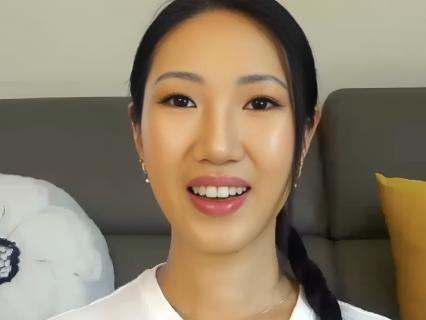
COURSE
The Nervous System Reset
With Dr. Kim Lye
You will learn how the vagus nerve influences your nervous system and why it plays a central role in stress, tension, digestion, sleep, and emotional well-being. Throughout the course, you will be guided through simple somatic exercises, breath practices, and gentle acupressure techniques that help activate the vagus nerve and guide your body out of fight, flight, or freeze. You will learn how to release tension in key areas of the body, including the jaw, throat, chest, belly, and diaphragm. By the end of the course, you will have a collection of practical tools you can return to anytime to calm your nervous system, restore a sense of safety in your body, and support long-term regulation and resilience.
Meet your Teacher

read more
9 Days
4.3k students
5.0 stars
11 min / day
Anxiety
English
5.0 (141)
Recent Reviews
Philip

October 2, 2026
Wonderful series! Very relaxing
Nicola
September 30, 2026
Really helpful information and exercises, delivered so calmly. I shall recommend this and return to it as well.
Marika
September 28, 2026
I found this course very helpful. I plan to return to the practices. Thank you so much.
Amy
September 16, 2026
Between Dr Lye’s infinitely calming voice, medically explained reasons for the exercises, and the exercises themselves, this course is, for me, the the holy grail of CNS calming. Worth the app in itself. Thank you so very much, Dr. Lye
Yifat
September 16, 2026
Interesting and surprising Thank you 🙏🏼
Debbie
September 15, 2026
I enjoyed this as I was diagnosed with IBS and had trouble with constipation most of my life. I had no idea this was down to my Vegas nerve?
Christina
September 1, 2026
Very good course on relaxing the nervous system. Dr Kim Lye explains everything slowly and succinctly and is very easy to follow. I have done a lot of her classes. I would highly recommend them. Thank you Dr Kim. Christina
Alastair
August 24, 2026
I felt really good after each day ,especially after the final one. Thanks
Susie
August 22, 2026
I found these semantic meditations and breath work very soothing and supportive for my nervous system. Many thanks. I recommend trying them out for yourself.
Misty
August 22, 2026
Thank you so much for creating this, was amazing.
Daniel
August 19, 2026
Very relaxing!!!
Rachel
August 2, 2026
Exceptional.
Kate
August 1, 2026
Powerful and clearly taught ...will be working with these for many weeks!
Petra
July 27, 2026
Super information and exercises.
Priscilla
July 22, 2026
Thank You very much, great work! Love it.
Kat
July 21, 2026
This course is amazing! Thank you!
Robert
June 27, 2026
I am finding your suggestions very helpful
Erin
June 19, 2026
I could feel the benefits for my nervous system on day 1! Thank you!
Tricia
June 15, 2026
What a wonderful series. Thank you
Manny
June 12, 2026
So nice to massage the belly area. 😁
More from Dr. Kim Lye

Trusted by 37 million people. It's free.

Get the app


