
The world’s largest free audio library for everyday wellbeing
Real people. Real life. Real time.
Retreat categories
All RetreatsYoga RetreatsWellness RetreatsMeditation RetreatsYoga Teacher TrainingWomen's RetreatsYoga Retreats in BaliYoga Retreats in United KingdomYoga Retreats in AustraliaYoga Retreats in ItalyFind Your Perfect Retreat
Discover transformative Retreats led by Insight Timer's best teachers.Reconnect, recharge, and return renewed.
The world’s largest free audio library for everyday wellbeing
Blog categories
Mental Health and WellbeingTips and GuidesScience and ResearchTraditionSpiritualityAt WorkTop Articles
How to Meditate
Meditation is something everyone can do. Practicing can help improve your health and wellbeing.
Explore MeditationMeditation Timer
Free meditation timer with customizable intervals, bells, and ambient sounds.
Meditation Timer Online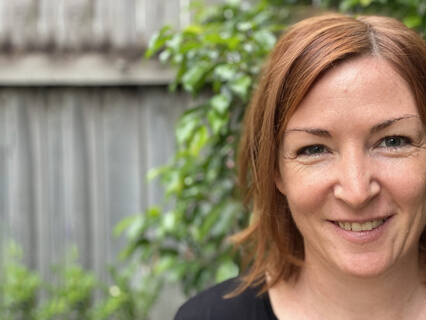
COURSE
Understanding & Resolving The Effect Of Stress, Anxiety & Emotions On Your Gut
With Michelle White | Happy Inside
There are emotional, psychological, and behavioral factors that activate or contribute to gut disorders, including IBS, and although widely acknowledged, these factors are rarely discussed or given solutions. You’re not alone in your experience with gut symptoms. I’m right here with you to share the 11 years of clinical experience as a specialist/gut-focused psychotherapist to guide you back home from all the places you’re grasping to or are lost in, as a result of your gut symptoms. Your gut is biologically wired to be affected by stress, and it’s likely that no one has yet shared this with you. So let’s take all the unnecessary pressure and blame off you by learning about and acknowledging this connection, and ensuring it no longer continues to impact you. Your gut, via your nervous system, is highly reactive to your emotions and thoughts. At present it’s reactive to the very real stress, anticipation, worry, fear, frustration, and overwhelm these gut symptoms have on your life. I hear you, and I want you to know there’s something we can do about this. It is my pleasure to share these insights and skills with you through this course, so that you have every chance of feeling happy inside and out.
Meet your Teacher

read more
10 Days
4.3k students
4.8 stars
19 min / day
Anxiety
English
4.8 (119)
Recent Reviews
Mary

August 26, 2026
An excellent course, and as one previous reviewer mentioned, it really fills in the gaps that Nerva hypnotherapy doesn’t address.
Lucie
December 29, 2024
Thank you so much for this new perspective . My view is slowly becoming one directed to who I am when I live open to my capacities to choose. I choose, calm and peaceful breathing. I choose thoughts of compassion and comfort towards myself first in order to soothe my symptoms of brain- gut reflux . I take away the responses of breathing, affirming and embracing myself , self awareness and feeling of how I am changing to the reality of peaceful, confident and easy-going me .
Michelle
December 18, 2024
Thank you
Jeannie
December 5, 2024
Informative , supportive, and inspirational! I have learned so much- and am hopeful once again : )
Karey
October 12, 2024
This is a marvelous resource for people with any gut symptoms. I am a pelvic floor PT specialist and Icwill be referring my patients to this course and to the imagery meditations. Thank you.😊
Audrey
July 19, 2024
Thank you so much.
Kate
May 28, 2024
Thank you 🙏 for this course. It is full of compassion and new ways of looking at things. I found it so compelling. I will be listening again. ❤️
Beth
March 19, 2024
I came to this course after completeing the Nerva app initial 6 weeks plus continuing maintenance. Nerva helped me a lot. AND I wanted more of the mind emphasis of the mind-gut nervous system. I need to calm my mind and let gut will follow. This course helped to fill in what I was looking for. It outlines the mental emotional end of the mind-gut nervous system which is my primary source of gut distress. Michelle’s information and delivery of that information is exactly what I needed. Thank you Michelle
Juli
December 9, 2023
I found Michelle’s course extremely useful and will continue to use her meditations regularly and repeat the lessons. I look forward to completing my list of essential joy producing activities and implementing them more frequently into my life. Thank you, Michelle for gently pushing me onto a better positive pathway.
Tammy
November 2, 2023
Awesome information! So enlightening that the problem is not always diet!
Amy
October 13, 2023
Michelle, this course was phenomenal. I’ve tried so many things to relieve my gut symptoms and your approach is spot on. Lesson 8 was particukarly illumuniating. I really appreciate you sharing your wisdom and experience here with all of us.
Cathi
October 12, 2023
Excellent course! Thank you!
Melinda
October 1, 2023
Excellect I would like to repeat The course
Anne
September 15, 2023
Thank you for bringing this course into being, it has given me so much information and inner work that I have neglected for too many years and I value you giving the opportunity to contact you for consultation. You have given me a new way of looking at my life .
Sean
August 31, 2023
Best course ever, so helpful
Susie
August 20, 2023
Very informative and helpful. I often felt that you hit the nail on the head and described me and my symptoms perfectly. I’ve already made some changes and noticed real progress, the future is brighter! Thank you!
Jill
July 20, 2023
Finally someone who gets it.
KindredKarly
May 19, 2023
Beautiful course! So informative and thorough. Thank you!
Linda
April 1, 2023
Excellent experience. So helpful and felt so supportive. Thank you so much for your work and your compassion ❤
Katie
February 26, 2023
Such a great course, really gets into the thought processes that so directly affect the gut. Thank you so much x
More from Michelle White | Happy Inside
Trusted by 37 million people. It's free.

Get the app


