
The world’s largest free audio library for everyday wellbeing
Real people. Real life. Real time.
Retreat categories
All RetreatsYoga RetreatsWellness RetreatsMeditation RetreatsYoga Teacher TrainingWomen's RetreatsYoga Retreats in BaliYoga Retreats in United KingdomYoga Retreats in AustraliaYoga Retreats in ItalyFind Your Perfect Retreat
Discover transformative Retreats led by Insight Timer's best teachers.Reconnect, recharge, and return renewed.
The world’s largest free audio library for everyday wellbeing
Blog categories
Mental Health and WellbeingTips and GuidesScience and ResearchTraditionSpiritualityAt WorkTop Articles
How to Meditate
Meditation is something everyone can do. Practicing can help improve your health and wellbeing.
Explore MeditationMeditation Timer
Free meditation timer with customizable intervals, bells, and ambient sounds.
Meditation Timer Online
COURSE
Dementia As An Integrative Relationship: Exploring The Roles Of Trauma & Grief
With Adrienne Ione, PsyD
With engagement in 10 simple lessons, you will become intimately familiar with how a diagnosis of dementia impacts functioning of three systems: the breath, the mind, and the body. You will gain an introductory understanding of a trauma-informed meditative approach to exploring the extent to which these three systems are affected by a diagnosis. Two guiding questions: 1) Could it be that behavioral and psychological symptoms of dementia (BPSD) is the body's way of working through current or past losses? and 2) Could unmetabolized trauma and grief trapped in the body present as a dementia diagnoses? The meditations in this course are intended to guide you in harnessing your powerful internal capacity to reimagine, reclaim, and reestablish an optimal internal environment for your thriving and flourishing. Participants will learn the difference between framing dementia within a medical model versus a meditative model. Students will be exposed to results of current scientific studies, be presented with questions on our current understandings and conceptualizations of dementia, contemplate the significance of grief and trauma in the body and the possible ways in which the effects impact thought processes. Last, students will be exposed to 10 different guided meditations intended to be repeated multiple times for increasing optimal neuronal benefit.
Meet your Teacher
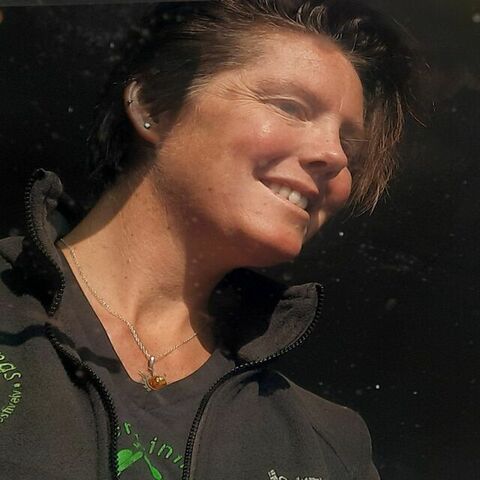
read more
10 Days
1.2k students
4.1 stars
16 min / day
Happiness
English
4.1 (12)
Recent Reviews
Amy

June 6, 2024
My mom died after a 10 year battle with what we were told was vascular dementia. I wish I could go back in time with the knowledge I have now to handle things differently. This course validated what I suspected all along (that her symptoms were something other than dementia). I am so glad there are people out there researching and looking at the meditative model for BPSD and putting more focus on the person with the diagnosis. This course helped me immensely and will shape how I live my life going forward. I will share as often as I am able.
Asher
February 15, 2022
Awesome course
Torie
January 27, 2022
Very educational
Emma
January 13, 2022
An interesting perspective on dementia, which has opened up my mind to alternative ways of thinking about it, and relating to it. It has left me wanting to know more. I liked the way it has 2 components, so that it is both informative and practical. Thank you.
Kelly
October 18, 2021
Thank you for sharing such a novel concept, of grief as a possible origin of dementia, and BPSD as agency instead of disorder. I learned a lot over these 10 days. As someone who has spent a lot of time around families living with dementia, I am grateful for this uncommon perspective.
More from Adrienne Ione, PsyD

Trusted by 37 million people. It's free.

Get the app


