
The world’s largest free audio library for everyday wellbeing
Real people. Real life. Real time.
Retreat categories
All RetreatsYoga RetreatsWellness RetreatsMeditation RetreatsYoga Teacher TrainingWomen's RetreatsYoga Retreats in BaliYoga Retreats in United KingdomYoga Retreats in AustraliaYoga Retreats in ItalyFind Your Perfect Retreat
Discover transformative Retreats led by Insight Timer's best teachers.Reconnect, recharge, and return renewed.
The world’s largest free audio library for everyday wellbeing
Blog categories
Mental Health and WellbeingTips and GuidesScience and ResearchTraditionSpiritualityAt WorkTop Articles
How to Meditate
Meditation is something everyone can do. Practicing can help improve your health and wellbeing.
Explore MeditationMeditation Timer
Free meditation timer with customizable intervals, bells, and ambient sounds.
Meditation Timer Online
COURSE
A 7-Day Guide To Healing People-Pleasing & Building Empowering Boundaries
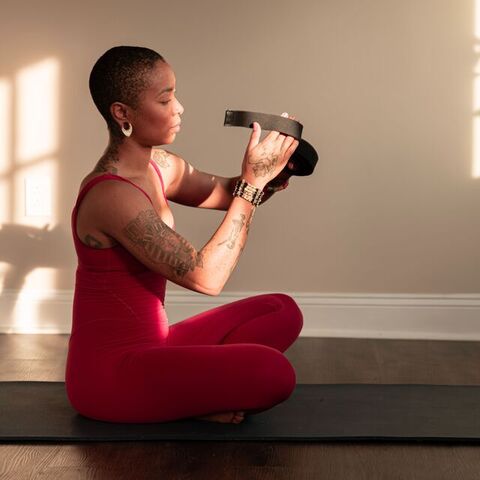
With Adi Kaur
Are you ready to stop saying "yes" when you really mean "no"? This 7-day guide is designed to help you break free from the cycle of people-pleasing and start building healthier, more empowering boundaries in your personal and professional life. Through daily exercises, reflections, and practical tools, you’ll learn to recognize your needs, honor your limits, and confidently assert yourself without guilt. By the end of this course, you’ll feel more in control, aligned with your true self, and empowered to create relationships based on mutual respect and understanding. What You'll Learn: - How to identify and release people-pleasing patterns - Simple, actionable strategies to start setting boundaries immediately - The importance of self-compassion in creating lasting change - How to communicate your needs without fear or guilt - Techniques to reinforce your boundaries in challenging situations
Meet your Teacher
read more
7 Days
147 students
4.7 stars
8 min / day
Connection
English
4.7 (17)
Recent Reviews
Renee

June 16, 2026
Great course with some practical tools to help set those boundaries! Thank you!
Sudarshan
September 17, 2025
I so grateful to you Adi. I didn’t i was “people pleasing “ whenever people borrowed money from me and wouldn’t return, I would feel like a doormat. I did as you recommended and feel so empowered now. Thank you for the wonderful course 🙏🏻
More from Adi Kaur
Trusted by 37 million people. It's free.

Get the app


