Welcome.
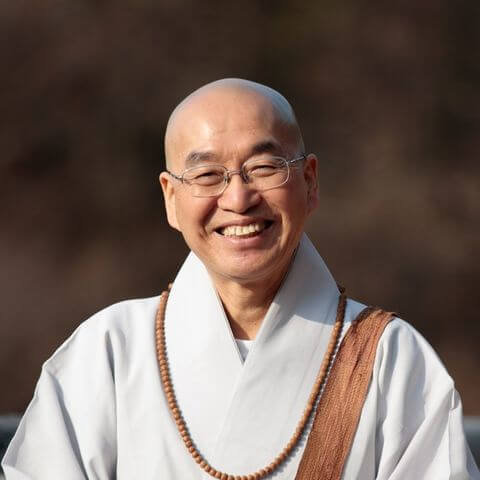
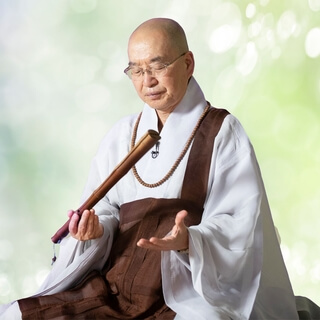
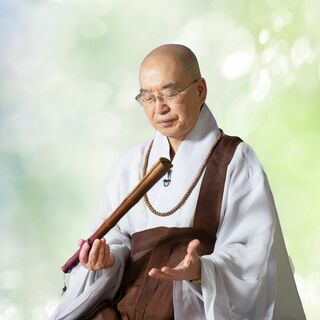
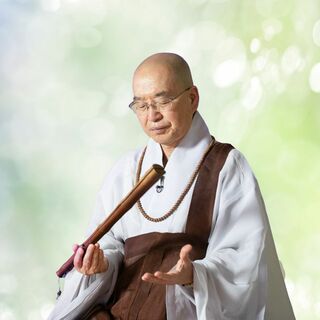
We will begin the online meditation with Venerable Pham Nyeongseon Im shortly.
Before we proceed,
We will meditate for a brief moment to calm our minds.
We will begin the meditation with Venerable Pham Nyeongseon Im.
Now,
Let us begin.
Hello.
Did you have a good holiday?
I had a good holiday.
I had a meditation session in my home.
I had a meditation session in my home.
We started at 4 a.
M.
Until 9 p.
M.
At night.
It was a full day of meditation.
I have been meditating for a long time.
The sessions lasted until this morning.
In the afternoon,
I went for a walk in the surrounding countryside.
I went for a walk in the surrounding countryside.
I went for a walk in the surrounding countryside.
I went for a walk in the surrounding countryside.
I went for a walk in the surrounding countryside.
The chestnut fell on an incline and rolled down to little streams.
We discovered a lot of them underneath the streams.
I discovered a lot of them underneath the streams.
We went into the stream and found all the chestnuts that fell into it.
It was so heavy and large that one person could not carry it by himself.
I found all the chestnuts that fell into the stream.
Despite being fall,
The last five days were fairly warm.
I found all the chestnuts that fell into the stream.
It started to get chilly today with a lot of wind.
I found a lot of chestnuts that fell into the stream.
If you have a lot of wind overnight,
Then when you wake up in the morning,
You will see a lot of chestnuts under the trees.
I found a lot of chestnuts that fell into the stream.
I found a lot of chestnuts that fell into the stream.
I found a lot of chestnuts that fell into the stream.
Like our lives,
Sometimes we have to weather the storms and the pains,
But when the time passes,
Everything is calm again.
I found a lot of chestnuts that fell into the stream.
I found a lot of chestnuts that fell into the stream.
The only difference is that people,
Although everything is calm and peaceful,
Continue to choose to suffer from past memories,
Past pains,
And past sufferings.
I found a lot of chestnuts that fell into the stream.
When the wind blows,
The leaves shake.
When the wind stops,
The leaves are calm.
But our lives seem to be when the wind blows,
Our lives shake.
But even when the wind stops,
Our lives continue to shake.
To be awake in the here and now is to realize that the wind has stopped and that you are at peace today,
Right now.
I am not aware of the past,
But I am aware of the past.
Do not suffer from those that have already passed and do not feel anxious of those that have not yet come.
I am not aware of the past,
But I am aware of the past.
I am aware of the past,
But I am aware of the past.
I am not aware of the past,
But I am aware of the past.
I am aware of the past,
But I am aware of the past.
I am aware of the past,
But I am aware of the past.
I am aware of the past,
But I am aware of the past,
But I am aware of the past.
I am aware of the past,
But I am aware of the past,
But I am aware of the past.
I am aware of the past,
But I am aware of the past,
But I am aware of the past.
I am aware of the past,
But I am aware of the past,
But I am aware of the past.
Usually after 3 or 5 days of constantly forcing yourself to this posture,
After a period of intense pain,
It usually relieves itself.
I am aware of the past,
But I am aware of the past,
But I am aware of the past.
It is almost like getting used to a new sport or exercise.
It pains for a few days,
But afterwards it becomes less and less.
I am aware of the past,
But I am aware of the past,
But I am aware of the past.
But if you are fearful of the pain,
The level of physical pain is the same,
But your psychological anxiety and pain is a lot greater.
But if you accept the process,
Knowing that this is an inevitable result of a new change in posture,
Of you getting used to the new posture,
That it will soon go away if you are consistent and constant with the practice.
If you accept it proactively,
Then the psychological part of that pain is much less.
But if you accept it proactively,
Then the psychological part of that pain is much less.
It is difficult.
Of course,
It is difficult.
But if you accept it proactively,
Then the psychological part of that pain is much less.
It is also,
Maintaining mindfulness is difficult even when you are drowsy.
And it is difficult to maintain the midst of thoughts and distractions.
Focus is difficult to maintain if there is a lot of noise from the outside.
But meditation is all about practicing and growing your capacity to be able to focus,
Despite those.
But if you are not able to maintain the midst of thoughts and distractions,
Then the psychological part of that pain is much less.
But since in the beginning it is difficult to do,
That is why you should choose a quiet place.
But the only thing that you can optimize for is lack of noise.
The rest of this phenomena or symptoms,
You have to go through them.
So even in the midst of this pain,
Don't be afraid of the pain as they will pass through consistent practice.
And even in the midst of all these distractions and obstacles,
You are growing your capacity to be able to focus through all that.
And if you have normal health,
Time will take care of this as long as you are consistent in your practice.
Even drowsiness will be solved.
However,
The biggest obstacles,
Even with practice,
Is all those distractions,
All those thoughts.
To summarize,
Basically,
To conclude this is that don't spread your legs or straighten your legs even if there is pain.
And do not clench your teeth and try to endure through the pain.
Because if you straighten your legs,
You are letting your desire kind of dictate the situation.
And if you are enduring through the pain and clenching your teeth,
You are basically suppressing the desire and that leads to stress.
So what Buddha told us is that following your desire to do something,
To be described as pleasure,
Or suppressing your desire to do something is a cause for suffering and is asceticism.
And he taught that both ways are not the right way.
And the middle way is affording both extremes.
And of course,
The follow-on question is,
What is that?
So basically,
It's all about not enduring the pain,
But seeing pain as just merely pain,
Observing pain as just pain,
Without being psychologically attached to it.
So in other words,
Kind of observe the pain as a sensation of the body,
But do not do that.
So practice is not about finding some secret way to get rid of the sensation of the pain.
So if you are afraid of physical pain,
Then you are not going to be able to do that.
So if you are afraid of physical pain and seek to avoid it,
That actually creates a greater suffering or greater amount of psychological pain.
But if you are able to observe physical pain as it is and do not imbue it with any psychological meaning,
Then your psychological pain becomes much less and your impression of the physical pain actually accordingly becomes less as well.
So practice is not about finding the pain,
But it is about not enduring the pain.
So practice is not about finding the pain,
But it is about not enduring the pain.
So practice is not about finding the pain,
But it is about not enduring the pain,
Not enduring the pain.
Yes.
I think that is possible to think that way.
Because the will requires strength.
Because you have to put forth an effort to serve the will.
And that is how we have been conditioned to live our life.
We enact a will and we put forth an effort to make that will come true.
That is why mentally and physically we are always fatigued and our life is filled with suffering.
But however,
What we mean by awareness is just that,
Being aware,
Acknowledging a certain thing,
Being observant of a certain thing.
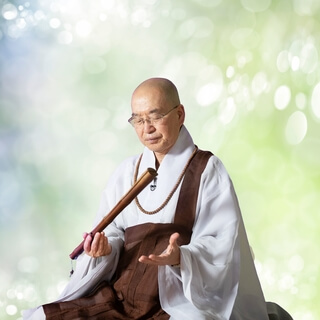
I have this meditation stick in front of me.
And if I don't pay conscious attention to it,
It may be there physically,
But I don't notice it.
Because my eyes may be looking at it,
But I am thinking of a totally different thing.
But if I actually pay attention to it,
If my attention shifts,
Then I see it.
So if you just shift your attention and you don't necessarily have to make an effort,
You shift your attention,
Then you start to see things that were already there.
Like the breath.
Breath is happening right now.
And we are not aware of the breath because we don't pay attention to it.
But if you pay attention to it and ask your question,
Am I breathing,
Then you immediately see or become aware of the breath.
And there is no effort involved in that.
And often times you walk by a floor and we don't know what's on the floor.
But if you actually look at the floor with attention,
You see that these things are actually falling on the floor,
These things are placed on this floor.
This is a little different from actually making an effort.
So in the midst of peace of mind and body,
You have to be totally idle with nothing to do.
Let go of all thoughts of what you need to do,
What you should do,
Or what you should not do.
The odds and odd-nods should not be there.
That's when you close your eyes.
And you kind of pay attention to the tip of your nose.
And you will see or become aware that you are breathing.
There is no effort involved there.
But the problem is we are not consistent at it.
Because the attention does not remain on the tip of your nose,
It kind of wanders.
We must face thesesh).
He says we want to focus on the breath,
But our attention wanders to past memories,
To future plans,
To other distractions,
So we lose the fact that we are breathing.
So,
What we are practicing is to be awake here and now.
So in everyday life when something happens,
The easiest place to catch something happening is right then and there.
However,
Since we are not awake to the here and now,
When something happens,
We are not awake to that happening then and there.
And we regret,
Once it's all passed and things have happened,
That's what happened.
If we look back now,
Your times in high school,
Junior high school,
They were good times.
It may be that that was the time that your life was filled with most purpose and need.
But when you are living then and there,
That was the time that you suffered the most.
We should have realized then and there that we were having the best time of our lives.
In a similar fashion,
We should know that today,
Here and now,
Is the best time of our life.
And if you practice being aware here and now,
How your sensation is happening,
How your feelings are reacting,
How psychologically your mind is activating,
To be aware of what's happening in the here and now,
That's what we're practicing.
Oftentimes we are so consumed by our feelings that we don't really see correctly what's happening.
So there are sayings in Korea that say greed will blind you or rage shall blind you.
So basically if you're so consumed by your feelings,
At that moment you become a fool and you tend to act in a wrong way.
So that's why the foundation of the practice is to maintain equanimity.
Based on that,
Maintain a clear awareness in the here and now.
However,
This is not easy.
That's why consistent and constant practice must drive this.
So this is not a matter of intellectual understanding,
This is a matter of internalizing into your core through practice and through experience.
Just the fact that Buddhist teaching is a theory,
You agree with the theory of Buddhist teaching or it can be scientifically validated,
Those do not help you relieve your own suffering.
Only your own internalization experience will do that.
So when you tell me that you're sleepy during meditation but your legs ache and there's pain involved,
You're saying that these are obstacles to meditation.
But the way I see it,
These are inevitable experiences that you have to go through to make this practice the capacity into your own.
Now let's do it ourselves.
We went a little over time.
How was your meditation?
Please upload your comments to the chat window.
So the best way to go about with that meditation is instead of doing a little every day or maybe once every week,
Is to allocate a five to whatever,
A significant amount of periods and kind of focus on meditation during that time.
And really overcome during that period any kind of physical pain or discomfort you may have.
Then afterwards,
Then you can go about doing it 30 days,
30 minutes or 40 minutes every day and that's helpful.
So if you do it without that upfront kind of time of intense concentration,
You could do it every day for 30 or 40 minutes and that's still helpful.
However,
Those kind of complaints about pain,
About different postures,
They might linger.
We plan another kind of extended meditation session between Christmas and New Year's at the end of the year.
So if you can plan ahead and apply to be part of that session,
That'd be great.
Let me read a couple of comments I see.
After the true self meditation session,
It was only today that my posture felt comfortable to me but now that that's been solved,
Other distractions came to me.
I focused on the breath.
Although there were distractions,
I managed to maintain the focus and I was surprised when the sound came from the meditation stick.
I recall memories of past days of suffering.
Thirty-five minutes felt like three hours.
Distractions would not end.
The distracting thoughts,
No matter how long you've practiced in meditation,
Will always be there.
These thoughts,
They'll always be there.
They'll always kind of come unbidden.
However,
When you imbue these thoughts with meaning and create a cohesive story out of it,
That's when they become distractions.
When you go from meditation to thinking.
However,
If you don't imbue them with meaning and focus on the breath,
These thoughts come and go without being distractions.
Meditation is not the pursuit of the absence of thoughts.
It's a pursuit of maintaining the focus in the midst of those thoughts.
You hear the wind blowing outside but yet you maintain focus on the breath.
After that,
We shall conclude today's session.
I'll see you again next week.