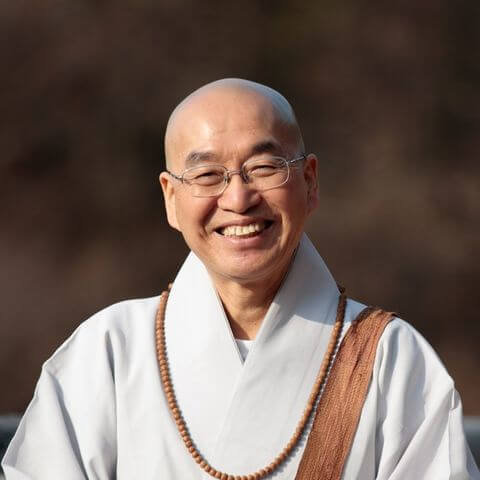
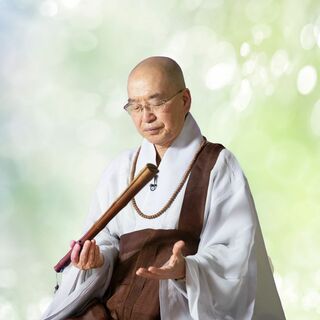
We are here with us Gokul,
Everybody.
Pangas.
Pangas.
Jigubuto.
Pommunsu-nimgwahamgehanen.
Ulain Myongsangshurunel-shakagessumida.
Chamichi-salanetan marumaki-nen.
Ibi jongi iketsu-nida.
Pangas.
Pangas.
Pangas.
Pangas.
Pangas.
Pangas.
Pangas.
Pangas.
Pangas.
Annyeonghaseyo.
Ono chakum nage shijagi desu manja sakamalsumitelimita.
Jidul-surunene nage kapjagi interene shikangkigo waipaiga jongdande-sumita.
So we had a little incident this afternoon at our usual place in which the internet,
The line went out.
It looks like they were having a construction in front of the street,
In front of the building,
And perhaps they cut the fiber leading up to the internet line.
Yes,
Because they were having a construction in front of the building,
And they cut the fiber leading up to the internet line.
But since today is Sunday in Korea,
You know,
The construction crew couldn't come out to fix it,
So we had to make do.
But since today was Sunday,
And we had to make do with the internet,
We had to make do with the internet,
So that's why we had to make do with the internet.
So we went to a village that was not affected and managed to find a house,
An individual home,
Home in which to beam this internet broadcast to.
Yes,
It was a very difficult time.
I was very nervous and I couldn't get my hands on it.
But since it's an unfamiliar setup,
We had trouble despite all the preparation in making sure that everything goes well.
So it took us a little while.
Yes,
I was very nervous.
Now let's start with a question first.
I am very nervous.
I have a good idea.
I want to learn from you.
Is the purpose of meditation trying to solve a problem by coming up with a good idea?
Yes,
I am very nervous.
Or is it to achieve a suspension of thought?
Yes,
I am not able to achieve a suspension of thought.
Neither?
I have a good idea.
I can't live without my own The ultimate objective of meditation is to be able to live a free life without suffering.
I can live without my own But I am not able to achieve a suspension of thought.
I want to learn from you.
I am not able to achieve a suspension of thought.
I have a good idea.
I want to learn from you.
I want to learn from you.
And in Pali,
It's called Nibbana.
In Sanskrit,
It's pronounced as Nirbhana.
Yes.
I want to learn from you.
Then what do we have to do to reach that state?
I have to go to the next level.
First,
Our mind and body need to be relaxed.
Second,
Your mind needs to be focused singularly on a single point.
Third,
You need to be wide awake to the things that are happening.
If you are not able to reach the point,
You need to be relaxed.
So is it at this state that this illusion called suffering disappears immediately upon arising or doesn't arise at all?
I am not able to reach the point,
But I am able to reach the point.
Buddha taught us you need to maintain four aspects of mindfulness in order to arrive at this state.
I am not able to reach the point,
But I am able to reach the point.
Number one,
You have to be mindful to your own body.
Then you have to be mindful to your own breath,
Like what we are doing.
Second,
You have to be mindful and awake to your own emotions.
Third,
You have to be mindful to all the parts that make up your body.
Then you have to maintain a mindfulness to the dissolution of your body as your body returns to the ground.
If you are not able to reach the point,
You need to be mindful to your own breath.
He said if you maintain these four aspects of mindfulness about your body,
Then you won't suffer on the cause because of your body.
The second type of mindfulness to sustain yourself is be mindful of your sensations.
Third type of mindfulness is to be mindful and awake to your emotions.
And fourth is to be mindful or awake to the law of the truth itself.
And these are the four types of mindfulness that you need to maintain in order to sustain at that state.
And the first step to this,
Going back,
Is to be awake to your own breath.
But for example,
Say we are sleeping,
And we are comfortable sleeping in our own rooms.
But then we sink into a nightmare of some sort.
Then we suffer,
Might ask for help,
We are fearful,
And we might be sad.
However,
If there was someone watching over us as we sink into this nightmare and struggle,
He probably thinks that we are just talking in our sleep.
Because to him,
He sees no problem at all with how we are sleeping.
Say a hundred people are sleeping.
All the way,
We might be sleeping under the same physical conditions.
Each one of us is probably having a different dream.
And each dream may cause different suffering for that individual.
So in order to escape from the suffering caused by these dreams,
It's not a matter of interpreting or realizing the types of each dream.
It's to wake them up.
So dreams are like a virtual reality.
And to the person inside the VR experience,
It feels real.
But once you wake up,
It's no longer there.
So your thoughts are like your dreams.
You know,
You're sitting down comfortably now,
Right?
For the next 30 minutes,
Nothing will happen to you.
But once you engage in meditation,
You start thinking of what happened in the past and you start dreaming about what's going to happen in the future.
So either suffer or feel joy or you worry or you dream just because of these dreams of thoughts.
But nothing is really happening.
And whatever you experience is a construct of your thoughts.
That's why in the midst of meditation,
Even if you're thinking of the Buddha himself,
That in itself is actually a misleading illusion.
That's why we teach to stop your thoughts.
So it's not the actual stoppage of thought that's the objective.
The goal is to reach at a certain state of mindfulness and thoughts is an underlying cause to prevent you from doing so.
And a natural follow up question is,
How do I stop my thoughts?
In order to do that,
You have to stop even thinking that you need to stop your thoughts.
It's a matter of just focusing on your nose.
And just be awake and mindful to the breath as it goes in and out.
Even if certain memories come to you unbidden,
Maintain that focus on your breath.
So we can't stop all these random thoughts streaming into our consciousness.
But you cannot imbue them with any meaning.
You cannot allow them to drag you along.
Say all of a sudden you want coffee.
But even in the midst of this desire for coffee,
Don't lose that focus on your breath.
Because these thoughts will disappear soon.
And it's going to be followed by other thoughts.
And they'll also disappear.
But we tend to imbue some random thoughts with meaning,
Allow them to lead us along.
If we think of coffee,
We think of somebody we used to share coffee with.
And think of the conversations we had with that person.
And allow these thoughts to kind of lead into each other.
And we'll just focus on the breath.
And these we are allowing the thoughts to take over.
This is like a dream.
And this is the same thing being lost inside a dream.
You're being lost inside your thoughts.
So there's no way to stop these random thoughts from appearing.
But there is a way for you to maintain focus.
Despite these thoughts,
They kind of stream in.
But once you start doing it,
It's not so easy because you just tend to follow your thoughts along.
And when that happens in a non-judgmental way,
Just say,
Oh,
I lost it.
And just start to go back to your focus.
Once your body and mind is relaxed.
Focus your mind on the tip of your nose.
Realize your breath as it goes in.
And realize that breath as it goes out.
Whatever noise you hear from the outside.
Whatever sensations you feel from within your body.
Whatever random thoughts invade your head.
Without disregard for these.
Just focus on the ins and outs of your breath.
If you lose it,
Regain that focus.
Don't imbue anything with significance.
Just engage.
And once you achieve this state,
You know the question said,
Do we get good ideas?
Sometimes you do get good ideas.
But these are also distractions.
Don't imbue this idea with any significance.
If you lose this idea,
You will get good ideas.
But it's almost a secondary consequence of maintaining that heightened focus.
If you want to get good ideas,
They don't often come.
But in this heightened focus of detachment,
And just focus on the singular breath,
Sometimes good ideas do come to you.
So we don't have time to go into the whys of these,
But maybe next time.
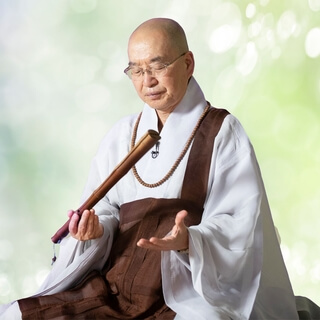
Now let us begin the meditation.
Strain your posture.
And close your eyes comfortably.
Both hands in front of you.
Focus your mind on the tip of your nose.
And check your breath.
And realize your breathing.
To breathe means air goes in and air goes out.
The tempo and the state of your breath may differ.
It may be calm,
May be soft,
May be rough.
Don't try to breathe in a certain way.
Just realize the type of breath you are breathing.
Now let us begin.
Now let us begin.
.
.
.
.
.
.
.
.
.
.
.
.
.
.
.
.
.
.
.
.
.
.
.
.
.
.
.
.
.
.
.
.
.
.
.
.
.
.
.
.
.
.
.
.
.
.
.
Please share your experience,
Your thoughts on the chat window.
.
.
.
.
.
.
.
.
.
.
.
.
.
.
.
.
.
.
.
.
.
.
.
.
.
.
.
.
.
.
.
.
.
.
.
.
.
.
.
.
.
.
.
.
.
.
.
.
.
.
.
.
.
.
.
.
.
.
.
.
.
.
.
.
.
.
.
.
.
.
.
.
.
.
.
.
.
.
.
.
.
.
.
.
.
.
.
.
.
.
.
.
.
.
.
.
.
.
.
.
.
.
.
.
.
.
.
.
.
.
.
.
.
.