
The world’s largest free audio library for everyday wellbeing
Real people. Real life. Real time.
Retreat categories
All RetreatsYoga RetreatsWellness RetreatsMeditation RetreatsYoga Teacher TrainingWomen's RetreatsYoga Retreats in BaliYoga Retreats in United KingdomYoga Retreats in AustraliaYoga Retreats in ItalyFind Your Perfect Retreat
Discover transformative Retreats led by Insight Timer's best teachers.Reconnect, recharge, and return renewed.
The world’s largest free audio library for everyday wellbeing
Blog categories
Mental Health and WellbeingTips and GuidesScience and ResearchTraditionSpiritualityAt WorkTop Articles
How to Meditate
Meditation is something everyone can do. Practicing can help improve your health and wellbeing.
Explore MeditationMeditation Timer
Free meditation timer with customizable intervals, bells, and ambient sounds.
Meditation Timer Online
COURSE
Managing The Stress of Life Transitions And Change
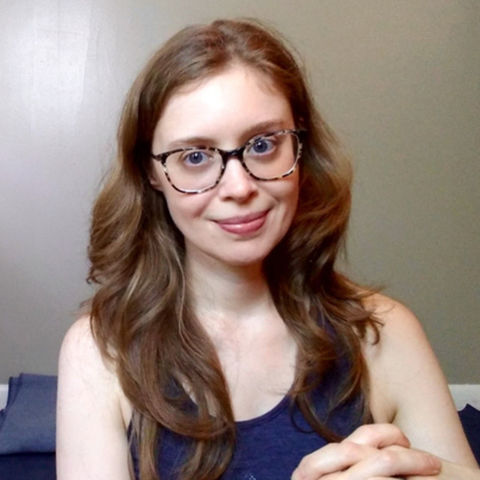
With Courtney Johannesen
Life transitions are events or changes that impact your life, sense of self, purpose, or daily life. Situations such as marriage, having a baby, moving to a new city, divorce, starting a new job, the death of a loved one, or starting a business can create anxiety and stress. These situations often call on us to be different versions of ourselves. The changes take us out of our familiar patterns and invite us into a new way of being. As we navigate these new situations we don't know what to expect or what the future will be like. The anticipation can cause the mind to spin in cycles of doubt, worry, and fear. This course offers you practical mindfulness-based tools to ease the stress and anxiety of what lies ahead. The lessons will help you move through uncertainty and change with grace, steadiness, and peace. You'll learn self-regulation tools to practice with and prepare for the more intense moments when you need to ease your thoughts and emotions. You will be guided through four stages of experiencing life transition. This course is intended for all levels of awareness and practice but is not intended as therapy or treatment by a mental health professional. These sessions are designed as a mindful exploration of your emotional patterns and responses when dealing with major life events.
Meet your Teacher
read more
5 Days
534 students
4.7 stars
11 min / day
Anxiety
English
4.7 (28)
Recent Reviews
Don

March 22, 2024
Great course!
Judy
February 19, 2024
Beautiful and soo true!!
Susan
February 18, 2024
Thank you. It is a good reminder to pause and reflect on how the experience of change can 'change'.
Bonne
February 15, 2024
Great course.
More from Courtney Johannesen

Trusted by 37 million people. It's free.

Get the app


