
The world’s largest free audio library for everyday wellbeing
Real people. Real life. Real time.
Retreat categories
All RetreatsYoga RetreatsWellness RetreatsMeditation RetreatsYoga Teacher TrainingWomen's RetreatsYoga Retreats in BaliYoga Retreats in United KingdomYoga Retreats in AustraliaYoga Retreats in ItalyFind Your Perfect Retreat
Discover transformative Retreats led by Insight Timer's best teachers.Reconnect, recharge, and return renewed.
The world’s largest free audio library for everyday wellbeing
Blog categories
Mental Health and WellbeingTips and GuidesScience and ResearchTraditionSpiritualityAt WorkTop Articles
How to Meditate
Meditation is something everyone can do. Practicing can help improve your health and wellbeing.
Explore MeditationMeditation Timer
Free meditation timer with customizable intervals, bells, and ambient sounds.
Meditation Timer Online
COURSE
Unlock Your Athletic Potential
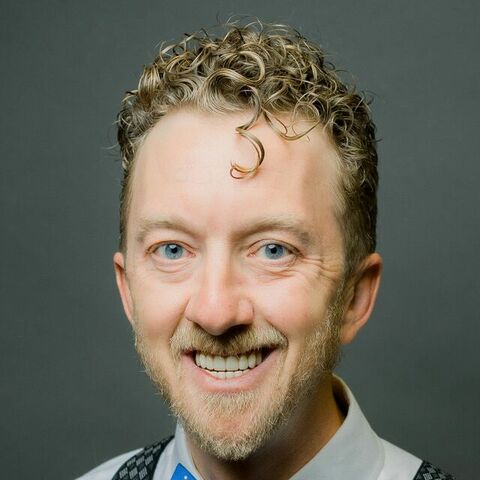
With Dr Justin Ross
You are an athlete. You train your body. You train your sport. But you may be neglecting one of the most important skills of them all. Your mind. This course is geared for athletes of all ability levels, participating in any type of sport; Elites, professionals, Olympians as well as recreational athletes, weekend warriors, and beginners, and helps you understand key sports psychology skills in an effort to translate those skills to a tangible practice you can implement alongside your training. The next 10 days of content focus on learning how to implement high performance sports psychology skills. Sessions include experiential practices that show the power of the mind as it relates to your body, engagement exercises geared on reflection and personal awareness, and meditative practices for learning how to channel focus, energy, and concentration. Sessions work together to build a pyramid of skills. Starting with the foundational sports psychology skills of motivation, goals and commitment, you are then guided through higher level skills that include emotional regulation, mindset, setting the mind, and mental toughness. The final session focuses on executing when it counts; putting the skills together in a cohesive manner for executing in tough training conditions or in competition.
Meet your Teacher
read more
10 Days
5.2k students
4.5 stars
12 min / day
Performance
English
4.5 (199)
Recent Reviews
John

September 3, 2026
I really appreciated this course especially the foundational exercises. More please!
Allison
December 19, 2024
Amazing course jam packed with really high quality information for top performance. Highly recommend!
Louise
February 14, 2024
Excellent course! I’m using the information as a musician struggling with the same performance issues. Put into practice, the enlightenment has already proved successful! Thank you, please extend your target audience a little wider.
Deven
February 1, 2024
Great class! I learned a lot about mindset and different ways to view things like nervousness and challenges that have been helping so far wit my pickleball game. Thanks, Justin!
Monique
December 3, 2023
Brilliant. Thank you for sharing. It’s been an invaluable toolkit of knowledge to help in preparing me for my blackbelt exam on 16 December. I will listen to key lessons again over the next sixteen days.
Dara
December 3, 2023
So useful for all performance pursuits!
HyoSung
October 1, 2023
Great stuff.
Bee
May 31, 2023
Amazing thank you so much. I have learnt things I can use in everyday life as well as my training 🙏😊
Julia
November 15, 2022
Really nice overview of sports psychology. I really enjoyed the course. It left me wanting more and realizing although I am aging and my physiology is declining I can offset some of that with increased mental performance. Would love to take a more advanced course or Part II in this!
Wakki
October 8, 2022
Thank you very much for your course ! Im about to go to a full contact karate tournament at the age of 46 and am now feeling confident and powerful! Thanks again!!
Robin
August 12, 2022
Very helpful! Thank you!
Marie
May 27, 2022
How do I relisten. I am a believer in repeating
Martha
October 21, 2021
Very helpful and enlightening
veronica
May 18, 2021
Ok course
Alex
April 27, 2021
Great course. Been looking for something to take my competitive edge to the next level.
Julie
March 27, 2021
Love it, thank you!!!
Meet
February 19, 2021
Nice
Paul
February 18, 2021
Exceptionally well done. Clear, concise and definitely helpful.
Colin
February 16, 2021
Very good.
Eliana
January 3, 2021
Great course! Using these strategies atm to study a subject that is way outside of my comfort zone, but connected to my dreams. Really helpful. Thank you for putting together this course!
More from Dr Justin Ross

Trusted by 37 million people. It's free.

Get the app


