
The world’s largest free audio library for everyday wellbeing
Real people. Real life. Real time.
Retreat categories
All RetreatsYoga RetreatsWellness RetreatsMeditation RetreatsYoga Teacher TrainingWomen's RetreatsYoga Retreats in BaliYoga Retreats in United KingdomYoga Retreats in AustraliaYoga Retreats in ItalyFind Your Perfect Retreat
Discover transformative Retreats led by Insight Timer's best teachers.Reconnect, recharge, and return renewed.
The world’s largest free audio library for everyday wellbeing
Blog categories
Mental Health and WellbeingTips and GuidesScience and ResearchTraditionSpiritualityAt WorkTop Articles
How to Meditate
Meditation is something everyone can do. Practicing can help improve your health and wellbeing.
Explore MeditationMeditation Timer
Free meditation timer with customizable intervals, bells, and ambient sounds.
Meditation Timer Online
COURSE
Where To Start? A Science-Based Introduction To Meditation
With Ksenia Safonova
What is meditation — really? Is it about stopping thoughts, calming the mind, or doing something “right”? This course offers a clear and gentle answer. “What Is Meditation? A Science-Based Introduction to Mindfulness” is a practical and accessible introduction to meditation, grounded in modern psychology and neuroscience — and designed for real life. In this course, you’ll explore meditation not as a technique to fix yourself, but as a way of becoming familiar with your inner experience: thoughts, emotions, sensations, and sounds — exactly as they are. Through short explanations and simple up to 5-minute practices, you will learn: • what meditation actually is (and what it is not) • why a busy or distracted mind is not a problem • how mindfulness supports attention, emotional balance, and inner stability • how meditation is understood today through scientific research • how to begin practicing in a gentle, non-effortful way The practices in this course include awareness of the body, breathing, and sounds — offering multiple easy entry points into meditation, especially for beginners. No prior experience is needed. There is nothing you need to believe in, achieve, or perfect. This course is an invitation to slow down, pause, and reconnect with the present moment — one short practice at a time.
Meet your Teacher
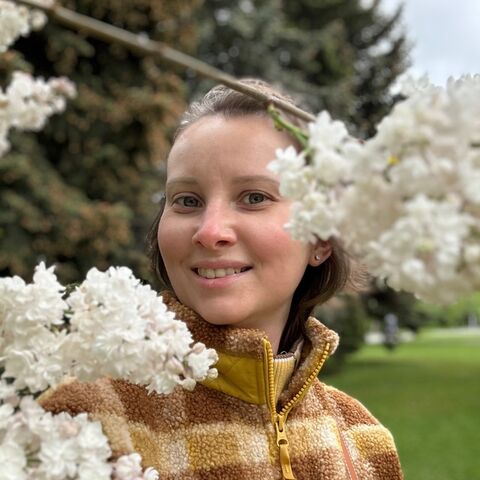
read more
6 Days
9 students
5.0 stars
3 min / day
Grounded
English
5.0 (1)
Recent Reviews
Paulo

January 28, 2026
Very nice! Thank You.
More from Ksenia Safonova

Trusted by 37 million people. It's free.

Get the app


