
The world’s largest free audio library for everyday wellbeing
Real people. Real life. Real time.
Retreat categories
All RetreatsYoga RetreatsWellness RetreatsMeditation RetreatsYoga Teacher TrainingWomen's RetreatsYoga Retreats in BaliYoga Retreats in United KingdomYoga Retreats in AustraliaYoga Retreats in ItalyFind Your Perfect Retreat
Discover transformative Retreats led by Insight Timer's best teachers.Reconnect, recharge, and return renewed.
The world’s largest free audio library for everyday wellbeing
Blog categories
Mental Health and WellbeingTips and GuidesScience and ResearchTraditionSpiritualityAt WorkTop Articles
How to Meditate
Meditation is something everyone can do. Practicing can help improve your health and wellbeing.
Explore MeditationMeditation Timer
Free meditation timer with customizable intervals, bells, and ambient sounds.
Meditation Timer Online
COURSE
Knowing Ourselves And Transcending Ourselves - Advanced Course
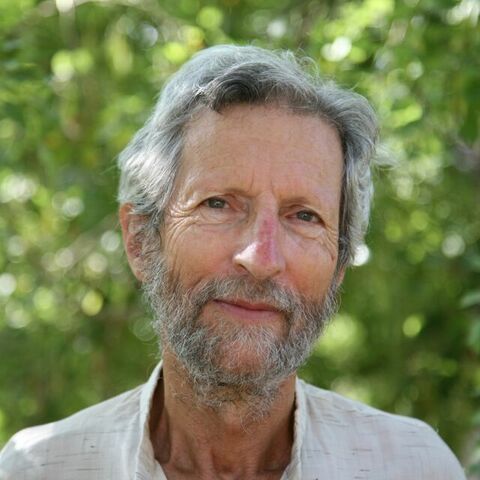
With Stephen Fulder
There is no question more engaging, universal and mysterious than the question: 'Who Am I?' This is not a theoretical question. Ignorance concerning who I really am, and the assumption that we are subjects separate from an external world against which we struggle, leads us to live automatically. We see ourselves in a shifting unreliable world to which we respond with our needs, desires, aversions and attachments. As soon as we start to question and explore who or what we are, a new landscape is revealed and our life can get dramatically more deep and interesting. We find ourselves in a world of paradox, mystery, and yet unimagined freedom. 'Who is in charge of my life?' 'What in me is changing and what is constant?' 'Which of the many voices within me can I rely on?' 'How can I let go of the sense of separation between me and the world?' 'How much can I change things?' ‘What is the experience of the limitless?’ Buddhist practice to discover the self and what is beyond helps us peel off layers of conditioning and beliefs and live more wisely, more lightly and more freely. We are actually more transparent than we first thought. This is the insight into anatta, non-self, and sunyata, emptiness. It removes the veil or filter through which we usually view the world, which then appears meaningful, joyful, and unlimited. In this course, we will explore these questions concerning self and world, by means of talks, meditations, and exercises. Please note: This track may include some explicit language.
Meet your Teacher
read more
8 Days
400 students
5.0 stars
69 min / day
Authenticity
English
5.0 (5)
Recent Reviews
Lody

June 10, 2026
Excellent teachings combined with insightful meditations. Many insights gained from this course. Much metta Stephen. 🙏🪷
More from Stephen Fulder

Trusted by 37 million people. It's free.

Get the app


