
The world’s largest free audio library for everyday wellbeing
Real people. Real life. Real time.
Retreat categories
All RetreatsYoga RetreatsWellness RetreatsMeditation RetreatsYoga Teacher TrainingWomen's RetreatsYoga Retreats in BaliYoga Retreats in United KingdomYoga Retreats in AustraliaYoga Retreats in ItalyFind Your Perfect Retreat
Discover transformative Retreats led by Insight Timer's best teachers.Reconnect, recharge, and return renewed.
The world’s largest free audio library for everyday wellbeing
Blog categories
Mental Health and WellbeingTips and GuidesScience and ResearchTraditionSpiritualityAt WorkTop Articles
How to Meditate
Meditation is something everyone can do. Practicing can help improve your health and wellbeing.
Explore MeditationMeditation Timer
Free meditation timer with customizable intervals, bells, and ambient sounds.
Meditation Timer Online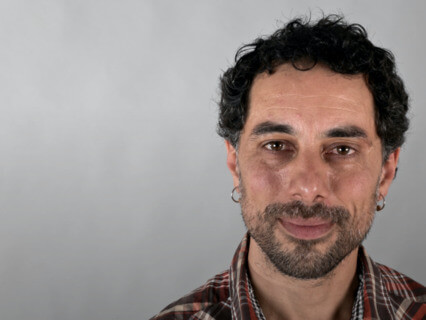
COURSE
Walking The Buddha's Path In A Time Of Crisis
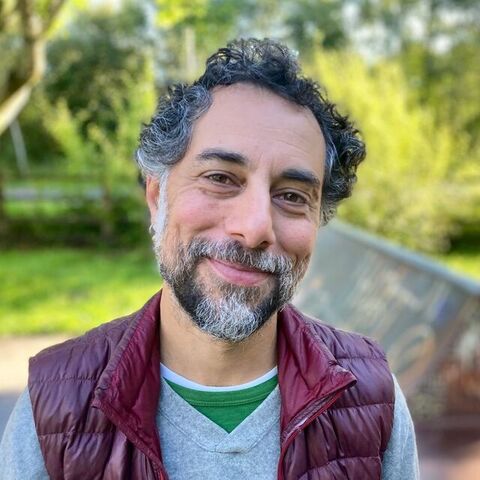
With Sean Oakes
Ordinary life is hard already, with everything we have to do, track, and take care of. Then along comes another crisis! As I’m writing this, the coronavirus pandemic is still growing in devastation around the world. People are out of work, the economy is crashing, loved ones are getting sick or dying, and many of us are confused and scared. Can meditation and spiritual practice help in a moment like this? It can, but not necessarily in the way we want. This course explores the Buddha’s radical approach to transforming despair into wisdom, hopelessness into confidence, and confusion into clarity. It’s for beginners but goes deep fast. We start with pain and end with a taste of liberation, and in the process learn how to move through life with more joy, peace of mind, and love.
Meet your Teacher
read more
10 Days
6.4k students
4.8 stars
17 min / day
Acceptance
English
Ask your teacher
This course includes 107 community questions and 5 audio replies from Sean Oakes. The community classroom and teacher audio replies are only available via the app.
4.8 (481)
Recent Reviews
Tim

September 22, 2026
Outstanding summary of the Buddhist system with great practical advice.
Jackie
March 17, 2026
Excellent program
Scott
May 20, 2024
Such a well structured course; I learned a lot from Dr. Oakes.
Julie
September 20, 2023
A wonderful, exceptionally concise overview of Buddhist practices in mindfulness and meditation.
EVE
August 20, 2023
WOW! This was transformational!
Jennifer
August 1, 2023
Wonderful course. My second time. It’s so inspiring and hopeful.
Kenneth
June 10, 2023
Thank you for a nice series… I appreciate your generosity!
Helen
June 3, 2023
There can be a moment in every life when these words, ideas and practices will resonate. I believe I have found mine. Namaste 🙏
Magdalena
March 30, 2023
Nice
Vivian
March 18, 2023
Thank you for this comprehensive course on buddhism, living in the kind of pain Im living, I find Buddhism is a path towards some kind of acceptance and maybe liberation, not of the actual circumstances but of the way to learn to live with it. Thank you 🙏🏼
Danielle
January 6, 2023
Wonderful course- perfect timing, again.❤️
Todd
October 9, 2022
My practice has been made more clear and intentional as a result of this course. And I now realize that this benefits not only me but the rest of the world as well. Thank you for your wisdom.
Yvonne
August 29, 2022
Extremely thought provoking - has changed my Perspective on a few old issues
Adela
November 16, 2021
I couldn't recommend this course enough! I believe (I hope) listening to it, and practicing meditation did and will continue to change my life for the better! (As well as those around me)
suzan
October 14, 2021
Your course was well thought out and logically,clearly presented. I have gained immeasurable knowledge for which I thank you .
George
October 5, 2021
Excellent course. Truly made me think.
Nicole
August 29, 2021
Very well thought out and presented. More an intellectual exploration than a practical guide. As someone who has been a budding Buddhist for over 50 years, I believe the Buddhist path is far more accessible to men than to women. This entails an understanding of my theory of containment and expulsion and far too much to delve into now. If you’re reading this and are curious feel free to contact me: Nicole Urdang.
Lisa
June 19, 2021
Wow. This is such a rich course. I wasn’t ready for it when I first started it, a year or so ago, because I wanted to go straight into guided meditation as soon as I hit play. When I was ready and came back, this course offered me so much to deepen my practice. Wonderful. Thank you! Thank you!
Glenda
May 30, 2021
I loved this course as it continued to build in each teaching. I found Day 9 and 10 especially powerful and will look for the references provided at the end. Thank you for these beautiful lessons!
Kathinka
April 25, 2021
I have been guided through this course, in a pleasant and clear way, and have become more aware of myself as part of a holistic perspective.
More from Sean Oakes
Trusted by 37 million people. It's free.

Get the app


