memberplus
The Way Of Peace
4.8
6-Tage-Kurs

The Way Of Peace

Von Henrik Lennartsson

Beginne Tag 1
Was du lernen wirst
In the world we surround ourselves with, we meet conflict often. Even when we’re not directly involved, we’re bombarded with news of weaponized violence and escalation—and we also face the smaller frictions of daily life: family tensions, workplace stress, online debates. Many people assume peace comes through victory. This course offers a deeper way. The Way of Peace is guided by the Dao De Jing and supported by modern approaches such as Adlerian psychology and Nonviolent Communication. Rather than pulling you into taking sides or escalating, it helps you respond from inner steadiness so you become a voice of peace. It can feel lonely not to align with one camp; this course is meant to strengthen your confidence that you can walk this path—and that you’re not alone. You won’t get one-size-fits-all answers (they don’t exist). Instead, you’ll receive a framework of insights, stories, and reflection exercises—plus a relaxed, meditative learning experience—that invites your full presence, heart, and emotions. The aim is not just cognitive understanding, but felt understanding: practical questions and insights you can use to return to your own center and act wisely in the moment. By the end, you’ll be better able to meet conflict—global or everyday—without being drawn into it, to interrupt cycles of escalation, and to let your calm create ripples of harmony in your relationships and beyond. This work matters for your life now, and for our shared future.

Henrik Lennartsson

Kristianstad, Sweden

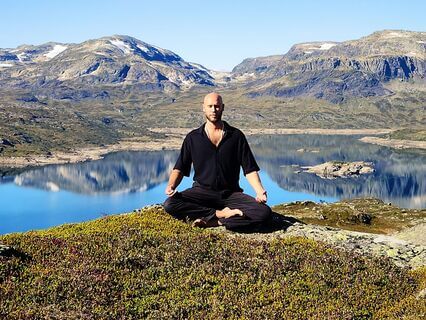
Henrik Lennartsson is a Sweden-based meditation teacher and facilitator whose work blends Taoist philosophy with modern psychology. Grounded in the Dao De Jing, university studies in cognitive neuroscience, and early training in psychology and NLP, he has spent years leading workshops in mindfulness, self-leadership, and authentic connection. His...

Lektion 1
When the World is Burning: Choosing Peace in the Storm
When the world is full of storms, conflict, and pressure to take sides, peace can feel impossible. Yet every act of aggression only awakens more resistance, while choosing awareness opens the door to another way. Through Taoist wisdom, stories, and the lens of Nonviolent Communication, we see that behind violence lie unmet needs, and that true strength may look like restraint. This chapter invites you to explore how even small choices—in words, actions, or silence—can plant seeds of peace in a world that demands division.
Lektion 2
The Inheritance of Hatred: How Violence Creates Violence
Violence rarely ends with the last battle—it echoes forward as memory, grief, and vows of revenge. Each act of harm plants a seed of hatred that may sprout generations later, keeping families and nations trapped in cycles of fear. True peace cannot be built on victory, because humiliation always breeds retaliation. Instead, we must learn to act with awareness—defending life if needed, but without hatred—so that we plant seeds of healing instead of repeating the inheritance of pain.
Lektion 3
The Easy Way Out: The Illusion of Safety in Violence
Fear often drives us to seek safety in forceful leaders, weapons, and walls—but this strength is deceptive. Violence always invites its mirror, creating spirals of escalation that may calm the present but sow greater danger for the future. True strength, as Taoist wisdom reminds us, lies in patience, proportion, and restraint: using only the minimum force necessary and seeking to reduce harm over time. This chapter explores why peace requires more courage than aggression, and how steadiness, clarity, and restraint create safety that endures.
Lektion 4
To Win is to Lose: Violence Is Never True Victory
Winning through violence is never true victory—it leaves scars, humiliation, and the seeds of the next conflict. Real strength lies not in conquest but in diplomacy, restraint, and the ability to protect without destroying dignity. To fight may sometimes be necessary, but every use of force is also an admission that peace-building failed somewhere earlier. This chapter shows why lasting security grows from fairness, credibility, and respect, turning “victory” from domination into the prevention of future wars.
Lektion 5
The Path to Inner Peace: Where True Strength Begins
Every outer conflict begins with an inner climate—restlessness, fear, or anger that spills into the world when our deeper needs remain unmet. Inner peace is not numbness but the ability to feel without being ruled by those feelings, to choose steadiness over reactivity. Taoist wisdom and modern psychology alike remind us that dignity, boundaries, and repair are part of this practice, as is caring for what we let into our minds. This inner harmony is what we are truly searching for, and through practice it can be found. Then the outer world shifts—less a battlefield to survive in, and more a living ground where we can be together in harmony with ourselves and with our neighbors. This chapter explores peace as a daily craft: breath by breath, choice by choice, building the inner ground that makes outer harmony possible.
Lektion 6
The Way of Peace: The Powerful Question
In every conflict, one question matters most: What action will create peace in the long run? True strength is not found in retaliation or domination, but in the courage to pause, set boundaries without contempt, and act with restraint. Peace demands patience and foresight, reducing future harm while preserving dignity and the possibility of repair. This chapter offers a compass for both individuals and leaders: to move beyond winning or punishing, and instead choose the path that ends cycles of conflict.

Neueste Bewertungen

4.75
8
TC H
TC
November 8, 2025
Wise & gentle & strong. I feel inspired by your words & teaching. I long for more.

Henrik Lennartsson's Collection

Trusted by 34 million people. It's free.

Insight Timer

Get the app