
The world’s largest free audio library for everyday wellbeing
Real people. Real life. Real time.
Retreat categories
All RetreatsYoga RetreatsWellness RetreatsMeditation RetreatsYoga Teacher TrainingWomen's RetreatsYoga Retreats in BaliYoga Retreats in United KingdomYoga Retreats in AustraliaYoga Retreats in ItalyFind Your Perfect Retreat
Discover transformative Retreats led by Insight Timer's best teachers.Reconnect, recharge, and return renewed.
The world’s largest free audio library for everyday wellbeing
Blog categories
Mental Health and WellbeingTips and GuidesScience and ResearchTraditionSpiritualityAt WorkTop Articles
How to Meditate
Meditation is something everyone can do. Practicing can help improve your health and wellbeing.
Explore MeditationMeditation Timer
Free meditation timer with customizable intervals, bells, and ambient sounds.
Meditation Timer Online
COURSE
Calm In Conflict ~ NVC’s 4-Step Model For Triggers & Emotional Balance
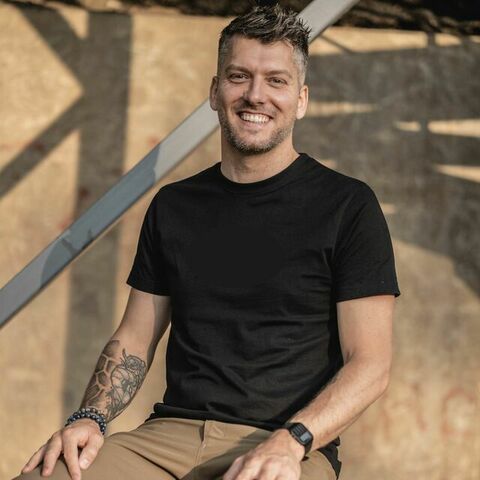
With Hans van Veen
“Peace requires something far more difficult than revenge or merely turning the other cheek; it requires empathizing with the fears and unmet needs that provide the impetus for people to attack each other. Being aware of these feelings and needs, people lose their desire to attack back because they can see the human ignorance leading to these attacks; instead, their goal becomes providing the empathic connection and education that will enable them to transcend their violence and engage in cooperative relationships.” ― Marshall B. Rosenberg Conflict can be intense, triggering and upsetting. Misunderstandings between human beings lead to so much suffering on our planet, from painful arguments, to devastating divorces, gang violence and war. So when someone requested me to make a separate course about this topic--specifically about the '4 step model' of Nonviolent Communication (NVC)--I heeded the call. The '4-component' or '4-step model' is deceptively simple. We can use this lens--discerning observations from interpretations, feelings from stories, needs from strategies and requests from demands--to see clearly what goes on, first in ourself, and second, between human beings in intense situations. What makes this model so effective is the increase in clarity that it provides, which in turn leads to more compassion and understanding. This is how conflict de-escalates, and anger can dissipate. But there are important disambiguations to be understood, and pitfalls to be avoided, if we are to fully reap the benefits of this profoundly transformative tool. You can do this course without any knowledge of NVC, but it will help to know a bit. In order to get a deeper introduction to NVC, you can check out my other courses, especially "Nonviolent Communication Level 1: Meet The Consciousness Of NVC". I hope you enjoy & benefit from this course. image: Getty audio: Samuel F. Johanns
Meet your Teacher
read more
6 Days
203 students
4.8 stars
12 min / day
Clarity
English
4.8 (24)
Recent Reviews
Fran

June 16, 2026
Thank you, NVC has opened a new way for me to achieve calm and peace in my life. I have more empathy and compassion for my partner’s toxic behavior. I have become more aware of my triggers. FYI, I have sent a NVC book to my grandson who is in prison.🙏
Heidi
April 7, 2026
There were some useful concepts there.
Laura
August 19, 2025
I really enjoyed this course and its focus on the four steps of conflict resolution. I am going to try really hard to observe when I am triggered and journal to break down my feelings and needs so I can communicate better. Thank you for sharing the lists of those with us. I look forward to the next course.
Maria
February 1, 2025
Thank you
Ieva
January 26, 2025
Simple, clear and veeery helpful!
More from Hans van Veen

Trusted by 37 million people. It's free.

Get the app


