A LITTLE PRINCESS Written by Frances Hodgson Burnett Performed by Stephanie Poppins Chapter 1 Once on a dark winter's day,
When the yellow fog hung so thick and heavy in the streets of London,
That the lamps were lighted and the shop windows blazed with gas as they do at night,
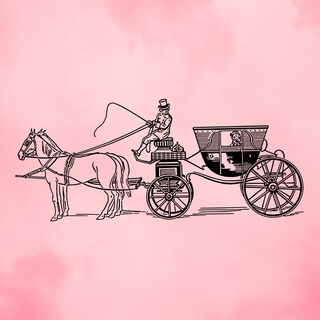
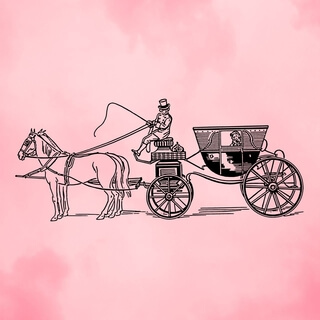
An odd-looking little girl sat in a cab with her father,
And was driven rather slowly through the big thoroughfares.
She sat with her feet tucked under her and leaned against her father,
Who held her in his arm as she stared out of the window at the passing people,
With a queer old-fashioned thoughtfulness in her big eyes.
She was such a little girl that one did not expect to see such a look on her small face.
It would have been an odd look for a child of twelve,
And Sarah Crewe was only seven.
The fact was,
However,
That she was always dreaming and thinking odd things,
And could not herself remember any time when she had not been thinking things about grown-up people And the world they belonged to.
She felt as if she had lived a long,
Long time.
At this moment she was remembering the voyage she had just made from Bombay with her father,
And the captain Crewe.
She was thinking of the big ship,
Of the Lascars passing silently to and fro on it,
Of the children playing about on the hot deck,
And of some of the young officer's wives Who used to try to make her talk to them and laugh at the things she said.
Principally she was thinking of what a queer thing it was that at one time,
One was in India in the blazing sun,
And then in the middle of the ocean,
And then driving in a strange vehicle through strange streets where the day was as dark as the night.
She found this so puzzling that she moved closer to her father.
Papa,
She said in a low,
Mysterious little voice,
Which was almost a whisper.
Papa.
What is it darling?
Captain Crewe answered,
Holding her close and looking down into her face.
What is Sarah thinking of?
Is this the place?
Sarah whispered,
Cuddling still closer.
Is it Papa?
Yes,
Little Sarah,
It is.
We have reached it at last.
And though she was only seven years old,
Sarah knew he felt sad when he said it.
It seemed to her many years since he had begun to prepare her mind for the place,
As she always called it.
Her mother had died when she was born,
So she had never known or missed her.
Her young,
Handsome,
Rich,
Petting father seemed to be the only relation she had in the world.
They had always played together and been fond of each other.
She only knew he was rich because she had heard people say so when they thought she was not listening.
And she had also heard them say that when she grew up she would be rich too.
She did not know all that being rich meant.
She had always lived in a beautiful bungalow and had been used to seeing many servants who made salams to her and called her Mrs.
Saab and gave her her own way in everything.
She had had toys and pets and an ayah who worshipped her,
And she had gradually learned that people who were rich had these things.
That,
However,
Was all she knew about it.
During her short life,
Only one thing had troubled her,
And that thing was the place she was to be taken to some day.
The climate of India was very bad for children,
And as soon as possible they were sent away from it,
Generally to England and to school.
She had seen other children go away and had heard their fathers and mothers talk about the letters they received from them.
She had known she would be obliged to go too,
Also,
And although sometimes her father's stories of the voyage in the new country had attracted her,
She had been troubled by the thought he could not stay with her.
Couldn't you go to that place with me,
Papa?
She had asked when she was five years old.
Couldn't you go to school too?
I would help you with your lessons.
But you will not have to stay for a very long time,
Little Sarah,
He had always said.
You will go to a nice house where there will be a lot of little girls and you will play together,
And I will send you plenty of books,
And you will grow so fast it will seem scarcely a year before you are big enough and clever enough to come back and take care of Papa.
She had liked to think of that.
To keep the house for her father,
To ride with him and sit at the head of his table when he had dinner parties,
To talk to him and read his books.
That would be what she would like most in the world,
And if one must go away to the place in England to attain it,
She must make up her mind to go.
She did not care very much for the other little girls,
But if she had plenty of books,
She could console herself.
She liked books more than anything else,
And was in fact always inventing stories of beautiful things and telling them to herself.
Sometimes she had told them to her father and he had liked them almost as much as she did.
Well,
Papa,
She said softly,
If we are here,
I suppose we must be resigned.
He laughed at her old-fashioned speech and kissed her.
He was really not at all resigned himself,
Though he knew he must keep that a secret.
His quaint little Sarah had been a great companion to him and he felt he should be a lonely fellow,
When on his return to India he went into his bungalow,
Knowing he need not expect to see this small figure in its white frock come forward to meet him.
So he held her very closely in his arms,
As the cab rolled into the big dull square,
In which stood the house,
Which was their destination.
It was a big dull brick house,
Exactly like all the others in its row,
But that on the front door there shone a brass plate on which was engraved,
In black letters,
Miss Minchin,
Select Seminary for Young Ladies.
Here we are,
Sarah,
Said Captain Crewe,
Making his voice sound as cheerful as possible.
Then he lifted her out of the cab and they mounted the steps and rang the bell.
Sarah often thought afterward the house was somehow exactly like Miss Minchin.
It was respectable and well furnished,
But everything in it was ugly and the very armchairs seemed to have hard bones in them.
In the hall everything was hard and polished.
Even the red cheeks of the moon face on the tall clock in the corner had a severe varnished look.
The drawing room into which they were ushered was covered by a carpet with a square pattern on it.
The chairs were square and a heavy marbled timepiece stood upon the heavy marble mantle.
As she sat down in one of the stiff mahogany chairs,
Sarah cast one of her quick looks about her.
I don't like it,
Papa,
She said.
But then I dare say soldiers,
Even brave ones,
Don't really like going into battle.
Captain Crewe laughed outright at this.
He was young and full of fun and he never tired of hearing Sarah's queer speeches.
Oh,
Little Sarah,
He said.
What shall I do when I have no one to say solemn things to me?
No one else is as solemn as you are.
But why do solemn things make you laugh so?
Inquired Sarah.
Because you are such fun when you say them,
He answered,
Laughing still more.
And then suddenly he swept her into his arms and kissed her very hard,
Stopping laughing all at once and looking almost as if tears had come into his eyes.
It was just then that Miss Minchin entered the room.
She was very like her house,
Sarah felt,
Tall and dull and respectable and ugly.
She had large,
Cold,
Fishy eyes and a large,
Cold,
Fishy smile.
It spread itself into a very large smile when she saw Sarah and Captain Crewe.
She had heard a great many desirable things of the young soldier from the lady who had recommended her school to him.
Among other things,
She had heard he was a rich father who was willing to spend a great deal of money on his little daughter.
It will be a great privilege to have charge of such a beautiful and promising child,
Captain Crewe,
She said,
Taking Sarah's hand and stroking it.
Lady Meredith has told me of her unusual cleverness.
A clever child is a great treasure in an establishment like mine.
Sarah stood quietly with her eyes fixed upon Miss Minchin's face.
She was thinking something odd,
As usual.
Why does she say I'm a beautiful child?
She was thinking,
I'm not beautiful at all.
Colonel Granger's little girl,
Isabelle,
Is beautiful.
She has dimples and rose-coloured cheeks and long hair the colour of gold.
I have short black hair and green eyes.
Besides which,
I'm a thin child and not fair in the least.
I'm one of the ugliest children I ever saw.
She is beginning by telling a story.
She was mistaken,
However,
In thinking she was an ugly child.
She was not in the least like Isabelle Grange,
Who had been the beauty of the regiment,
But she had an odd charm of her own.
She was a slim,
Supple creature,
Rather tall for her age and had an intense,
Attractive little face.
Her hair was heavy and quite black and only curled at the tips.
Her eyes were greenish-grey,
It is true,
But they were big,
Wonderful eyes with long black lashes.
And though she herself did not like the colour of them,
Many other people did.
Still,
She was very firm in her belief she was an ugly little girl and she was not at all elated by Miss Minchin's flattery.
I should be telling a story if I said she was beautiful,
She thought,
And I should know I was telling a story.
I believe I'm as ugly as she is in my way.
What did you say that for?
After she had known Miss Minchin longer,
She learned why she had said it.
She discovered that she said the same thing to each papa or mama who brought a child to her school.
Sarah stood near her father and listened while he and Miss Minchin talked.
She had been brought to the seminary because Lady Meredith's two little girls had been educated there,
And Captain Crewe had a great respect for Lady Meredith's experience.
Sarah was to be what was known as a parlour boarder,
And she was to enjoy even greater privileges than parlour boarders usually did.
She was to have a pretty bedroom and sitting room of her own.
She was to have a pony and a carriage,
And a maid to take the place of the ayah who had been her nurse in India.
I am not in the least anxious about her education,
Captain Crewe said with his gay laugh as he held Sarah's hand and patted it.
The difficulty will be to keep her from learning too fast and too much.
She's always sitting with her little nose burying into books.
She doesn't read them,
Miss Minchin.
She gobbles them up as if she were a little wolf instead of a little girl.
She's always starving for new books to gobble,
And she wants grown-up books.
Great big fat ones,
French and German as well as English.
History,
Biography and poets and all sorts of things.
Drag her away from her books when she reads too much.
Make her ride her pony in the row,
Or go out and buy a new doll.
She ought to play more with dolls.
Papa,
Said Sarah.
You see,
If I went out and bought a new doll every few days,
I should have more than I could be fond of.
Dolls ought to be intimate friends.
Emily is going to be my intimate friend.
Captain Crewe looked at Miss Minchin,
And Miss Minchin looked at Captain Crewe.
Who is Emily?
She inquired.
Tell her,
Sarah,
Captain Crewe said,
Smiling.
Sarah's green-grey eyes looked very solemn and quite soft as she answered.
She's a doll I haven't got yet,
She said.
She's a doll Papa is going to buy for me.
We're going out together to find her.
I've called her Emily.
She's going to be my friend when Papa is gone.
I want her to talk to about him.
Miss Minchin's large fishy smile became very flattering indeed.
What an original child,
She said.
What a darling little creature.
Yes,
Said Captain Crewe,
Drawing Sarah close.
She is a darling little creature.
Take great care of her for me,
Miss Minchin.
Sarah stayed with her father at his hotel for several days.
In fact,
She remained with him until he sailed away to India.
They went out and visited many big shops together and bought a great many things.
They bought indeed a great many more things than Sarah needed.
But Captain Crewe was a rash,
Innocent young man,
And he wanted his little girl to have everything she admired,
And everything he admired himself.
So between them they collected a wardrobe much too grand for a child of seven.
There were velvet dresses trimmed with costly furs,
And lace dresses and embroidered ones,
And hats with great soft ostrich feathers,
And ermine coats and muffs,
And boxes of tiny gloves,
And handkerchiefs and silk stockings in such abundant supplies that the polite young women behind the counters whispered to each other that the odd little girl with the big solemn eyes must be at least some foreign princess,
Perhaps the little daughter of an Indian Rajah.
And at last they found Emily,
But they went to a number of toy shops and looked at a great many dolls before they discovered her.
I want her to look as if she wasn't a doll really,
Sarah said.
I want her to look as if she listens when I talk to her.
The trouble with dolls,
Papa,
And she put her head on one side and reflected as she said it,
The trouble with dolls is that they never seem to hear.
So they looked at big ones and little ones,
At dolls with black eyes and dolls with blue,
At dolls with brown curls and dolls with golden braids,
Dolls dressed and dolls undressed.
You see,
Sarah said when they were examining one who had no clothes,
If when I find her she has no flocks,
We can take her to a dressmaker and have her things made to fit.
They will fit better if they're tried on.
After a number of disappointments,
They decided to walk and look in the shop windows and let the cab follow them.
They had passed two or three places without even going in,
When,
As they were approaching a shop which was really not a very large one,
Sarah suddenly started and clutched her father's arm.
Oh papa,
She cried,
There is Emily.
A flush had risen to her face and there was an expression in her green-grey eyes as if she had just recognised someone who was intimate with her and fond of.
She is actually waiting there for us,
She said,
Let's go into her.
Dear me,
Said Captain Crew,
I feel as if we ought to have someone to introduce us.
You must introduce me and I will introduce you,
Said Sarah,
But I knew her the minute I saw her so perhaps she knew me too.
Perhaps she had known her.
She had certainly a very intelligent expression in her eyes when Sarah took her in her arms.
She was a large doll,
But not too large to carry about easily.
She had naturally curling golden brown hair which hung like a mantle about her and her eyes were a deep clear grey-blue with soft thick eyelashes which were real eyelashes and not mere painted lines.
Of course,
Said Sarah looking into her face as she held her on her knee,
Of course papa,
This is Emily.
So Emily was bought and actually taken to a children's outfitter's shop and measured for a wardrobe as grand as Sarah's own.
She had lace frocks too and velvet and muslin ones and hats and coats and beautiful lace-trimmed underclothes and gloves and handkerchiefs and furs.
I should like her always to look as if she were a child with a good mother,
Said Sarah.
I am her mother,
Though I am going to make a companion of her.
Captain Crew would really have enjoyed this shopping tremendously but a sad thought kept tugging at his heart.
This all meant he was going to be separated from his beloved quaint little comrade.
He got out of his bed in the middle of that night and went and stood looking down at Sarah who lay asleep with Emily in her arms.
Her black hair was spread out on the pillow and Emily's golden brown hair mingled with it.
Both of them had laced ruffled nightgowns and both had long eyelashes which lay and curled up on their cheeks.
Emily looked so like a real child that Captain Crew felt glad she was there.
He drew a big sigh and pulled his moustache with a boyish expression.
Hey ho,
Little Sarah,
He said to himself.
I don't believe you know how much your daddy will miss you.
The next day he took her to Miss Minchin's and left her there.
He was to sail away the next morning.
He explained to Miss Minchin that his solicitors,
Mrs Barrow and Skipworth,
Had charge of his affairs in England and would give her any advice she wanted and that they would pay the bill she sent for Sarah's expenses.
He would write to Sarah twice a week and she was to be given every pleasure she asked for.
She is a sensible little thing and she never wants anything it isn't safe to give her,
He said.
Then he went with Sarah into her little sitting room and they bade each other goodbye.
Sarah sat on his knee and held the lapels of his coat in her small hands and looked long and hard at his face.
Are you learning me by heart,
Little Sarah?
He said,
Stroking her hair.
No,
She answered.
I know you by heart.
You are inside my heart.
And they put their arms around each other and kissed as if they would never let each other go.
When the cab drove away from the door,
Sarah was sitting on the floor of her sitting room with her hands under her chin and her eyes following it until it had turned the corner of the square.
Emily was sitting by her and she looked after it too.
When Miss Minchin sent her sister Miss Amelia to see what the child was doing,
She found she could not open the door.
I have locked it,
Said a queer,
Polite little voice from inside.
I want to be quite by myself,
If you please.
Miss Amelia was fat and dumpy and stood very much in awe of her sister.
She was really the better-natured person of the two,
But she never disobeyed Miss Minchin.
She went downstairs again looking almost alarmed.
I never saw such a funny old-fashioned child,
Sister,
She said.
She's locked herself in and she's not making the least particle of noise.
It's much better if she kicked and screamed as some of them do,
Miss Minchin answered.
I expected that a child as much spoilt as she was would set the whole house in an uproar.
If ever a child was given her own way in everything,
She is.
I've been opening her trunks and putting her things away,
Said Miss Amelia.
I never saw anything like them,
Sable and ermine on her coats and real valancine lace on her underclothing.
You have seen some of her clothes,
What do you think of them?
I think they're perfectly ridiculous,
Replied Miss Minchin sharply.
But they will look very well at the head of the line when we take the schoolchildren to church on Sunday.
She's being provided for as if she were a little princess.
And upstairs in the locked room,
Sarah and Emily sat on the floor and stared at the corner around which the cab had disappeared.
While Captain Crewe looked backward,
Waving and kissing his hand as if he could not bear to stop.
When Sarah entered the schoolroom the next morning,
Everybody looked at her with wide,
Interested eyes.
By that time,
Every pupil from Lavinia Herbert,
Who was nearly thirteen and felt quite grown up,
To Lottie Leigh,
Who was only just four and the baby of the school,
Had heard a great deal about her.
They knew very certainly she was Miss Minchin's show pupil and was considered a credit to the establishment.
One or two of them had even caught a glimpse of her French maid,
Mariette,
Who had arrived the evening before.
Lavinia had managed to pass Sarah's room when the door was open and had seen Mariette opening a box which had arrived late from some shop.
It was full of petticoats with lace frills on them.
Frills and frills,
She whispered to her friend Jessie as she bent over her geography.
I saw her shaking them out.
I heard Miss Minchin say to Miss Amelia her clothes were so grand they were ridiculous for a child.
My mama says children should be dressed simply.
She's got one of those petticoats on now.
I saw it when she sat down.
She has silk stockings on,
Whispered Jessie,
Bending over her geography also.
And what little feet!
I never saw such little feet.
Oh,
Sniffed Lavinia spitefully,
That is the way her slippers are made.
My mama says that even big feet can be made to look small if you have a clever shoemaker.
I don't think she's pretty at all.
Her eyes are such a queer colour.
She isn't pretty as other pretty people are,
Said Jessie,
Stealing a glance across the room.
But she makes you want to look at her again.
She has tremendously long eyelashes,
But her eyes are almost green.
Sarah was sitting quietly in her seat,
Waiting to be told what to do.
She had been placed near Miss Minchin's desk.
She was not abashed at all by the many pairs of eyes watching her.
She was interested and looked back quietly at the children who looked at her.
She wondered what they were thinking,
And if they liked Miss Minchin,
And if they cared for their lessons,
And if any of them had a papa at all like her own.
She had had a long talk with Emily about her papa that morning.
He's on the sea now,
Emily,
She'd said.
We must be very great friends to each other and tell each other things.
Emily,
Look at me.
You have the nicest eyes I ever saw,
But I wish you could speak.
She was a child full of imaginings and whimsical thoughts,
And one of her fancies was that there would be a great deal of comfort in even pretending Emily was alive and really heard and understood.
After Mariette dressed her in her dark blue schoolroom frock and tied her hair with a dark blue ribbon,
She went to Emily,
Who sat in a chair of her own,
And gave her a book.
You can read that while I'm downstairs,
She said,
And seeing Mariette looking at her curiously,
She spoke to her with a serious little face.
What I believe about dolls,
She said,
Is that they can do things that they will not tell us or let us know about.
Perhaps,
Really,
Emily can read and talk and walk,
But she will only do it when people are out of the room.
That is her secret.
You see,
If people knew that dolls could do things,
They'd make them work,
So perhaps they've promised each other to keep a secret.
If you stay in the room,
Emily will just sit there and stare.
But if you go out,
She will begin to read,
Perhaps,
Or go and look out of the window.
Then,
If she heard either of us coming,
She would just run back and jump into her chair and pretend she'd been there all the time.
Comme elle est drôle,
Mariette said to herself,
And when she went downstairs,
She told the head housemaid about it.
But she had already begun to like this little odd girl,
Who had such an innocent small face and such perfect manners.
She had taken care of children before who were not so polite.
Sarah was a very fine little person and had a gentle,
Appreciative way of saying,
If you please,
Mariette,
Thank you,
Mariette,
Which was very charming.
Mariette told the head housemaid she thanked her as if she were thanking a lady.
Elle a l'air d'une princesse cette petite,
She said.
Indeed,
She was very much pleased with her new little mistress and liked her place greatly.
After Sarah had sat in her seat in the schoolroom for a few minutes,
Being looked at by the pupils,
Miss Minchin rapped in a dignified manner upon her desk.
Young ladies,
She said,
I wish to introduce you to your new companion.
All the little girls rose in their places and Sarah rose too.
I shall expect you all to be very agreeable to Miss Crewe.
She has come to us from a great distance,
In fact,
From India.
As soon as lessons are over,
You must make each other's acquaintance.
The pupils bowed ceremoniously and Sarah made a little curtsy,
And then they sat down and looked at each other again.
Sarah,
Said Miss Minchin in her schoolroom manner,
Come here to me.
She had taken a book from the desk and was turning over its leaves.
Sarah went to her politely.
As your papa has engaged a French maid for you,
She began,
I conclude that he wishes you to make a special study of the French language.
Sarah felt a little awkward.
I think he engaged her,
She said,
Because he thought I would like her,
Miss Minchin.
I am afraid,
Said Miss Minchin with a slightly sour smile,
That you have been a very spoiled little girl and always imagine that things are done because you like them.
My impression is that your papa wished you to learn French.
If Sarah had been older or less punctilious about being quite so polite to people,
She could have explained herself in a very few words.
But as it was,
She felt a flush rising on her cheeks.
Miss Minchin was a very severe and imposing person,
And she seemed so absolutely sure Sarah knew nothing whatever of French,
That she felt as if it would be almost rude to correct her.
The truth was,
Sarah could not remember the time when she had not seemed to know French.
Her father had often spoken it to her when she had been a baby.
Her mother had been a French woman,
And Captain Crewe had loved her language.
So it happened that Sarah had always heard and been familiar with it.
I have never really learned French,
But she began trying shyly to make herself clear.
One of Miss Minchin's chief secret annoyances was that she did not speak French herself,
And was desirous of concealing the irritating fact.
She therefore had no intention of discussing the matter and laying herself open to innocent questioning by a new little pupil.
That is enough,
She said with polite tartness.
If you have not learned,
You must begin at once.
The French master,
Monsieur Dufarge,
Will be here in a few minutes.
Take this book and look at it until he arrives.
Sarah's cheeks felt warm.
She went back to her seat and opened the book.
She looked at the first page with a grave face.
She knew it would be rude to smile,
And she was very determined not to be rude.
But it was very odd to find herself expected to study a page which told her that le père meant the father and la mère meant the mother.
Miss Minchin glanced towards her scrutinizingly.
You look rather cross,
Sarah,
She said.
I'm sorry,
Do not like the idea of learning French?
I'm very fond of it,
Answered Sarah,
Thinking she would try again.
But.
.
.
You must not say but when you are told to do things,
Said Miss Minchin.
Look at your book again.
And Sarah did so,
And did not smile,
Even when she found that le fils meant the son and le frère meant the brother.
When Monsieur Dufarge comes,
She thought,
I can make him understand.
Monsieur Dufarge arrived very shortly afterward.
He was a very nice,
Intelligent,
Middle-aged Frenchman,
And he looked interested when his eyes fell upon Sarah,
Trying politely to seem absorbed in her little book of phrases.
Is this the new pupil for me,
Madame?
He said to Miss Minchin.
I hope it is my good fortune.
Her papa,
Captain Crewe,
Is very anxious she should begin the language,
But I'm afraid she has a childish prejudice against it.
She does not seem to wish to learn,
Said Miss Minchin.
I am sorry of that,
Mademoiselle,
He said kindly to Sarah.
Perhaps when we begin to study together,
I may show you it is a charming tongue.
Little Sarah rose in her seat.
She was beginning to feel rather desperate,
As if she were almost in disgrace.
She looked up into Monsieur Dufarge's face with her big grey-green eyes,
And they were quite innocently appealing.
She knew he would understand as soon as she spoke.
She began to explain quite simply in pretty and fluent French.
Madame had not understood.
She had not learned French exactly,
Out of books,
But her papa and other people had always spoken it to her,
And she had read it and written it,
As if she had read and written English.
Her papa loved it,
And she loved it because he did.
Her dear mama,
Who had died when she was born,
Had been French.
She would be glad to learn anything Monsieur would teach her,
But what she had tried to explain to Madame was that she already knew the words in this book,
And that she held out the little book of phrases to him.
When she began to speak,
Miss Minchin started quite violently and sat staring at her over her eyeglasses almost indignantly until she had finished.
Monsieur Defarge began to smile,
And his smile was one of great pleasure.
To hear this pretty childish voice speaking his own language so simply and charmingly made him feel almost as if he were in his native land,
Which in dark foggy days in London sometimes seemed worlds away.
When she had finished,
He took the phrasebook from her with a look almost affectionate,
But he spoke to Miss Minchin.
"'Ah,
Madame,
' he said,
"'there is not much I can teach her.
She has not learned French.
She is French.
Her accent is exquisite.
' "'You ought to have told me,
' exclaimed Miss Minchin,
Much mortified,
Turning to Sarah.
"'I tried,
' said Sarah.
"'I suppose I did not begin right.
' Miss Minchin knew she had tried,
And that it had not been her fault that she was not allowed to explain,
And when she saw that the pupils had been listening and that Lavinia and Jessie were giggling behind their French grammars,
She felt infuriated.
"'Silence,
Young ladies,
' she said severely,
Wrapping upon the desk.
"'Silence at once!
' And she began from that minute to feel rather a grudge against her show-pupil.
" On that first morning,
When Sarah sat at Miss Minchin's side,
Aware that the whole schoolroom was devoting itself to observing her,
She had noticed very soon one little girl about her own age who looked at her very hard with a pair of light,
Rather dull blue eyes.
She was a fat child who did not look as if she was the least clever,
But she had a good naturally pouting mouth.
Her flaxen hair was braided in a tight pigtail,
Tied with a ribbon,
And she had pulled this pigtail round her neck and was biting the end of the ribbon,
Resting her elbows on the desk as she stared wonderingly at the new pupil.
When Monsieur Defarge began to speak to Sarah,
She looked a little frightened,
And when Sarah stepped forward and,
Looking at him with the innocent appealing eyes,
Answered him without any warning,
In French,
The fat little girl gave a startled jump and grew quite red in her awed amazement.
Having wept hopeless tears for weeks in her efforts to remember that la mère meant the mother and le père the father when one spoke sensible English,
It was almost too much for her to suddenly find herself listening to a child her own age who seemed not only quite familiar with these words,
But apparently knew any number of others and could mix them up with verbs as if they were mere trifles.
She started so hard and bit the ribbon on her pigtail so fast that she attracted the attention of Miss Minchin who,
Feeling extremely cross at the moment,
Immediately pounced upon her.
"'Miss St John!
' she exclaimed severely.
"'What do you mean by such conduct?
Remove your elbows,
Take your ribbon out of your mouth and sit up at once!
' Upon which Miss St John gave another jump and when Lavinia and Jessie tittered,
She became redder than ever.
So red,
Indeed,
That she almost looked as if tears were coming into her poor dull childish eyes and Sarah saw her and was so sorry for her that she began to rather like her and want to be her friend.
It was a way of hers always to want to spring into any fray in which someone was made uncomfortable or unhappy.
"'If Sarah had been a boy and lived a few centuries ago,
' her father used to say,
"'she would have gone about the country with her sword drawn,
Rescuing and defending everyone in distress.
She always wants to fight when she sees people in trouble.
' So she took rather a fancy to fat,
Slow little Miss St John and she kept watching toward her through the morning.
She saw that lessons were no easy matter to her and that there was no danger of her ever being spoiled by being treated as a show pupil.
Her French lesson was a pathetic thing.
Her pronunciation made even Monsieur Defarge smile in spite of himself and Lavinia and Jessie and the more fortunate girls either giggled or looked at her in worrying disdain.
But Sarah did not laugh.
She tried to look as if she did not hear when Miss St John called Le Bon Pain,
Le Bon Pang.
She had a fine,
Hot little temper of her own and it made her feel rather savage when she heard the titters and saw the poor,
Stupid,
Distressed child's face.
"'It isn't funny really,
' she said between her teeth as she bent over her book.
"'They ought not to laugh.
' When lessons were over and the pupils gathered together in groups to talk,
Sarah looked for Miss St John and finding her bundled rather disconsolately in the window seat,
She walked over to her and spoke.
She only said the kind of thing little girls always say to each other by way of beginning an acquaintance.
But there was something nice and friendly about Sarah and people always felt it.
"'What is your name?
' she said.
To explain Miss St John's amazement,
One must recall that a new pupil is for a short time a somewhat uncertain thing and of this new pupil the entire school had talked the night before until it fell asleep quite exhausted by excitement and contradictory stories.
A new pupil with a carriage and a pony and a maid and a voyage from India to discuss was not an ordinary acquaintance.
"'My name's Ermengarde St John,
' she answered.
"'Mine is Sarah Crewe,
' said Sarah.
"'Yours is very pretty.
It sounds like a storybook.
' "'Do you like it?
' fluttered Ermengarde.
"'I like yours.
'" Miss St John's chief trouble in life was that she had a clever father.
Sometimes this seemed to her a dreadful calamity.
If you have a father who knows everything,
Who speaks seven or eight languages and has thousands of volumes which he has apparently learnt by heart,
He frequently expects you to be familiar with the contents of your lesson books at least and it is not improbable that he will feel you ought to be able to remember a few incidents of history and to write a French exercise.
Ermengarde was a severe trial to Mr St John.
He could not understand how a child of his could be a notably and unmistakably dull creature who never shone in anything.
"'Good heavens!
' he had said more than once as he stared at her.
"'There are times when I think she's as stupid as her Aunt Eliza.
'" If her Aunt Eliza had been slow to learn and quick to forget a thing entirely when she had learned it,
Ermengarde was strikingly like her.
She was the monumental dunce of the school and it could not be denied.
"'She must be made to learn,
' her father said to Miss Minchin.
Consequently,
Ermengarde spent the greater part of her life in disgrace or in tears.
She learned things and forgot them or if she remembered them she did not understand them so it was natural that,
Having made Sarah's acquaintance,
She should sit and stare at her with profound admiration.
"'You can speak French,
Can't you?
' she said respectfully.
Sarah got onto the window seat which was a big deep one and tucking up her feet sat with her hands clasped round her knees.
"'I can speak it because I've heard it all my life,
' she answered.
"'You could speak it if you'd always heard it.
' "'Oh no,
I couldn't,
' said Ermengarde.
"'I never could speak it.
' "'Why?
' inquired Sarah curiously.
Ermengarde shook her head so that the pigtail wobbled.
"'You heard me just now,
' she said.
"'I'm always like that.
"'I can't say the words,
They're so queer.
' She paused a moment and then added with a touch of awe in her voice,
"'You are clever,
Aren't you?
' Sarah looked out of the window into the dingy square where the sparrows were hopping and twittering on the wet iron railings and the sooty branches of the trees.
She reflected a few moments.
She had heard it said very often that she was clever and she wondered if she was,
And if she was,
How it had happened.
"'I don't know,
' she said.
"'I can't tell.
' Then seeing a mournful look on the round,
Chubby face,
She gave a little laugh and changed the subject.
"'Would you like to see Emily?
' she inquired.
"'Who's Emily?
' Ermengarde answered,
Just as Miss Minchin had done.
"'Come up to my room and see,
' said Sarah,
Holding out her hand.
They jumped down from the window seat together and went upstairs.
"'Is it true?
' Ermengarde whispered as they went through the hall.
"'Is it true you have a playroom all to yourself?
' "'Yes,
' Sarah answered.
"'Papa asked Miss Minchin to let me have one because,
"'well,
It was because when I play I make up stories and tell them to myself "'and I don't like people to hear me.
"'It spoils it if I think people listen.
' They had reached the passage leading to Sarah's room by this time and Ermengarde stopped short,
Staring and quite losing her breath.
"'You make up stories?
' she gasped.
"'Can you do that as well as speak French,
Can you?
' Sarah looked at her in simple surprise.
"'Why,
Anyone can make up things,
' she said.
"'Haven't you ever tried?
' She put her hand warningly on Ermengarde's.
"'Let us go very quietly to the door,
' she whispered.
"'Then I'll open it quite suddenly.
Perhaps we may catch her.
' She was half laughing but there was a touch of mysterious hope in her eyes which fascinated Ermengarde although she had not the remotest idea what it meant or whom it was she wanted to catch or why she wanted to catch her.
Whatsoever she meant,
Ermengarde was sure it was something delightfully exciting.
So,
Quite thrilled with expectation,
She followed her on tiptoe along the passage.
They made not the least noise until they reached the door.
Then Sarah suddenly turned the handle and threw it wide open.
Its opening revealed the room quite neat and quiet,
A fire gently burning in the grate and a wonderful doll sitting in a chair by it,
Apparently reading a book.
"'Oh,
She got back to her seat before we could see her,
' Sarah exclaimed.
"'Of course they always do.
They're as quick as lightning.
' Ermengarde looked from her to the doll and back again.
"'Can she walk?
' she asked breathlessly.
"'Yes,
' answered Sarah.
"'At least I believe she can.
At least I pretend I believe she can.
"'And that makes it seem as if it were true.
Have you never pretended things?
' "'No,
' said Ermengarde.
"'Never.
Tell me about it.
' She was so bewitched by this odd new companion that she actually stared at Sarah instead of at Emily,
Notwithstanding that Emily was the most attractive doll person she had ever seen.
"'Let her sit down,
' said Sarah,
"'and I'll tell you.
It's so easy that when you begin,
You can't stop.
"'You just go on and go on doing it always,
And it's beautiful.
"'Emily,
You must listen.
This is Ermengarde St.
John.
"'Emily.
Ermengarde.
Ermengarde,
This is Emily.
"'Would you like to hold her?
' "'Oh,
May I?
' said Ermengarde.
"'May I really?
She is beautiful.
' And Emily was put into her arms.
Never in her doll-short life had Miss St.
John dreamed of such an hour as the one she spent with a queer new pupil before they heard the lunch bell ring and were obliged to go downstairs.
Sarah sat upon the half-rug and told her strange things.
She sat rather huddled up,
And her green eyes shone and her cheeks flushed.
She told stories of the voyage and stories of India,
But what fascinated Ermengarde the most was her fancy about the dolls who walked and talked and who could do anything they chose when the human beings were out of the room,
But who must keep their powers a secret and so flew back to their places like lightning when people returned to the room.
"'We couldn't do it,
' said Sarah seriously.
"'You see,
It's a kind of magic.
' Once,
When she was relating the story of the search for Emily,
Ermengarde saw her face suddenly change.
A cloud seemed to pass over it and put out the light in her shining eyes.
She drew her breath in so sharply that made it a funny,
Sad little sound,
And then she shut her lips and held them tightly closed,
As if she was determined either to do or not to do something.
Ermengarde had an idea that if she had been like any other little girl,
She might have suddenly burst out sobbing and crying,
But she did not.
"'Have you a pain?
' Ermengarde ventured.
"'Yes,
' Sarah answered after a moment's silence.
"'But it's not in my body.
' Then she added something in a low voice which she tried to keep quite steady,
And it was this.
"'Do you love your father more than anything else in the whole world?
' Ermengarde's mouth fell open a little.
She knew it would be far from behaving like a respectable child at a select seminary to say it had never occurred to you you could love your father,
That you would do anything desperate to avoid being left alone in his society for ten minutes.
Indeed she was greatly embarrassed.
"'I scarcely ever see him,
' she stammered.
"'He's always in the library reading things.
' "'I love mine more than all the world ten times over,
' said Sarah.
"'That is what my pain is.
He's gone away.
' She put her head quietly down on her little huddled-up knees and sat very still for a few minutes.
"'She's going to cry out loud,
' thought Ermengarde fearfully.
But Sarah did not.
Her short black locks tumbled about her ears and she sat still.
Then she spoke without lifting her head.
"'I promised him I would bear it,
' she said.
"'And I will.
You have to bear things.
"'Think what soldiers bear.
"'Papa is a soldier.
"'If there was a war he'd have to go marching "'and he'd have to bear thirstiness and perhaps even deep wounds "'and he'd never say a word,
Not one word.
' Ermengarde could only gaze at her,
But she felt that she was beginning to adore her.
She was so wonderful and different from everyone else.
Presently Sarah lifted her face and shook back her black locks with a queer little smile.
"'If I go on talking and talking,
' she said,
"'and telling you things about pretending,
I shall bear it better.
"'You don't forget,
But you do bear it better.
' Ermengarde did not know why a lump came into her throat and her eyes felt as if tears were in them.
"'Lavinia and Jessie are best friends,
' she said rather huskily.
"'I wish we could be best friends.
"'Could you have me for yours?
"'You're clever and I'm the stupidest girl in the school,
But I do so like you.
' "'I'm glad of that,
' said Sarah.
"'It makes you thankful when you're liked.
"'Yes,
We will be friends.
"'And I'll tell you what,
' a sudden gleam lit her face,
"'I can help you with your French lessons.
'" If Sarah had been a different kind of a child,
The life she led at Miss Minchin Select's seminary for the next ten years would not have been at all good for her.
She was treated more as if she were a distinguished guest at the establishment than if she were a mere little girl.
If she had been a self-opinionated,
Domineering child,
She might have become disagreeable enough to be unbearable through being so much indulged and flattered.
If she had been an indolent child,
She would have learned nothing.
Privately,
Miss Minchin disliked her,
But she was far too worldly a woman to do or say anything which might make such a desirable pupil wish to leave her school.
She knew quite well that if Sarah wrote to her papa to tell him she was uncomfortable or unhappy,
Captain Crewe would remove her at once.
Miss Minchin's opinion was that if a child were continually praised and never forbidden to do what she liked,
She would be sure to be fond of the place where she was so treated.
Accordingly,
Sarah was praised for her quickness at her lessons,
For her good manners,
For her amiability to her fellow pupils,
For her generosity if she gave sixpence to a beggar out of her full little purse.
The simplest thing she did was treat it as if it were a virtue,
And if she had not had a disposition and a clever little brain,
She might have been a very self-satisfied young person.
But the clever little brain told her a great many sensible and true things about herself and her circumstances,
And now and then she talked those things over to Ermengarde as time went on.
Things happen to people by accident,
She used to say.
A lot of nice accidents have happened to me.
It just happened that I always liked lessons and books and I could remember things when I learned them.
It just happened I was born with a father who was beautiful and nice and clever and could give me everything I liked.
Perhaps I have not really a good temper at all,
But if you have everything you want and everyone is kind to you,
How can you help but be good-tempered?
I don't know.
Looking quite serious.
How shall I ever find out whether I am really a nice child or a horrid one?
Perhaps I'm a hideous child and no one will ever know,
Just because I never have any trials.
Lavinia has no trials,
Said Ermengarde stolidly,
And she's horrid enough.
Sarah rubbed the end of her little nose reflectively as she thought the matter over.
Well,
She said at last,
Perhaps,
Perhaps that is because Lavinia is growing.
This was the result of a charitable recollection of having heard Miss Amelia say Lavinia was growing so fast she believed it affected her health and temper.
Lavinia was,
In fact,
Very spiteful.
She was inordinately jealous of Sarah.
Until the new pupil's arrival,
She had felt herself the leader in the school.
She had led because she was capable of making herself extremely disagreeable if the others did not follow her.
She domineered over the little children and assumed grand heirs with those big enough to be her companions.
She was rather pretty and had been the best-dressed pupil in the procession when the select seminary walked out two by two,
Until Sarah's velvet coats and sable muffs appeared,
Combined with drooping ostrich feathers,
And were led by Miss Minchin at the head of the line.
This at the beginning had been bitter enough,
But as time went on it became apparent that Sarah was a leader too,
And not because she could make herself disagreeable,
But because she never did.
There's one thing about Sarah Crook Jessie had enraged her best friend by saying honestly.
She's never grand about herself the least bit,
And you know she might be,
Lavi.
I believe I couldn't help being just a little if I had so many fine things and was made such a fuss over.
It's disgusting the way Miss Minchin shows her off when parents come.
Dear Sarah must come into the drawing room and talk to Mrs.
Muggrave about India,
Mimicked Lavinia in her most highly favoured imitation of Miss Minchin.
Dear Sarah must speak French to Lady Pitkin,
Her accent is so perfect.
She didn't learn her French at the seminary at any rate,
And there's nothing so clever in her knowing it.
She says herself she didn't learn it at all,
She just picked it up because she always heard her papa speak it.
And as to her papa,
There's nothing so grand about being an Indian officer.
Well,
Said Jessie slowly,
He's killed tigers.
He killed the one in the skin Sarah has in her room.
That's why she likes it so.
She lies on it and strokes its head and talks to it as if it was a cat.
She's always doing something silly,
Snapped Lavinia.
My mama says that way of hers of pretending things is silly,
She says she'll grow up eccentric.
It was quite true that Sarah was never grand.
She was a friendly little soul,
And shared her privileges and belongings with a free hand.
The little ones who were accustomed to being disdained and ordered out of the way by mature ladies aged ten to twelve,
Were never made to cry by this one so envied of them by all.
She was a motherly young person,
And when people fell down and scraped their knees,
She ran and helped them up and patted them,
Or found in her pocket a bonbon,
Or some other article of a soothing nature.
She never pushed them out of her way,
Or alluded to their years as humiliation,
And a blot upon their small characters.
If you were four,
You were four,
She said severely to Lavinia on occasion of her having,
It must be confessed,
Slapped Lottie and called her a brat.
But you will be five next year,
And sixth the year after that,
And opening large convicting eyes,
It only takes sixteen years to make you twenty.
Dear me,
Said Lavinia,
How we can calculate!
In fact,
It was not to be denied that sixteen and four made twenty,
And twenty was an age the most daring were scarcely old enough to dream of.
So the younger children adored Sarah.
More than once she had been known to have a tea party made up of these despised ones in her own room.
And Emily had been played with,
And Emily's own tea service used,
The one with cups which held quite a lot of much-sweetened wheat tea and had blue flowers on them.
No one had seen such a very real doll's tea set before.
From that afternoon,
Sarah was regarded as a goddess and a queen by the entire alphabet class.
Lottie Lay worshipped her to such an extent that if Sarah had not been a motherly person,
She would have found her tiresome.
Lottie had been sent to school by a rather flighty young papa who could not imagine what else to do with her.
Her young mother had died,
And as the child had been treated like a favourite doll or a very spoiled pet monkey or lap dog ever since the first hour of her life,
She was a very appalling little creature.
When she wanted anything,
Or did not want anything,
She wept and howled.
And as she always wanted the things she couldn't have and did not want the things that were best for her,
Her shrill little voice was usually to be heard uplifted in wails in one part of the house or other.
Her strongest weapon was that in some mysterious way she had found out that a very small girl who had lost her mother was a person who ought to be pitied and made much of.
She had probably heard some grown-up people talking her over in the early days after her mother's death.
So it became her habit to make great use of this knowledge.
The first time Sarah took her in charge was one morning when,
On passing a sitting room,
She heard both Miss Minchin and Miss Amelia trying to suppress the angry wails of some child who,
Evidently,
Refused to be silenced.
She refused so strenuously,
Indeed,
That Miss Minchin was obliged to almost shout in a stately and severe manner to make herself heard.
"'What is she crying for?
' she almost yelled.
"'Oh,
Oh,
Oh!
' Sarah heard.
"'I haven't got any.
.
.
Mama!
' "'Oh,
Lottie!
' screamed Miss Amelia.
"'Darling,
Don't cry!
Please don't!
' "'Oh,
Oh,
Oh!
' Lottie howled tempestuously.
"'I haven't got any.
.
.
Mama!
' "'She ought to be whipped!
' Miss Minchin proclaimed.
"'You shall be whipped,
You naughty child!
' Lottie wailed more loudly than ever.
Miss Amelia began to cry.
Miss Minchin's voice rose above it all until it almost thundered.
Then suddenly she sprang up from her chair in impotent indignation and flounced out of the room,
Leaving Miss Amelia to arrange the matter.
Sarah had paused in the hall,
Wondering if she ought to go into the room,
Because she had recently become a friendly acquaintance with Lottie and might be able to quiet her.
When Miss Minchin came out and saw her,
She looked rather annoyed.
She realised that her voice,
As heard from inside the room,
Could not have sounded either dignified or amiable.
"'Oh,
Sarah!
' she exclaimed,
Endeavouring to produce a suitable smile.
"'I stopped,
' explained Sarah,
"'because I knew it was Lottie and I thought perhaps I could make her be quiet.
"'May I try,
Miss Minchin?
' "'If you can,
You're a clever child,
' answered Miss Minchin,
Drawing in her mouth sharply.
Then,
Seeing that Sarah looked slightly chilled by her asperity,
She changed her manner.
"'But you are clever in everything,
' she said in her approving way.
"'I dare say you can manage her.
Go in!
' And she left.
When Sarah entered the room,
Lottie was lying upon the floor,
Screaming and kicking her small fat legs violently,
And Miss Amelia was bending over her in consternation and despair,
Looking quite red and damp with heat.
Lottie had always found when in her own nursery at home that kicking and screaming would always be quieted by any means she insisted on.
Poor plump Miss Amelia was trying first one method,
Then another.
"'Poor darling,
' she said one moment.
"'I know you haven't any,
Mama.
Poor—' Then in another.
"'If you don't stop,
Lottie,
I'll shake you,
Poor little angel.
"'There,
There,
You wicked,
Bad,
Detestable child.
"'I'll smack you,
I will.
' Sarah went to them quietly.
She did not know at all what she was going to do,
But she had a vague inward conviction that it would be better not to say such different kinds of things quite so helplessly and excitedly.
"'Miss Amelia?
' she said in a low voice.
"'Miss Minchin says,
May I try to make her stop?
May I?
' Miss Amelia turned and looked at her hopelessly.
"'Oh,
Do you think you can?
' she gasped.
"'I don't know whether I can,
' answered Sarah still in her half-whisper,
"'but I will try.
' Miss Amelia stumbled up from her knees with a heavy sigh,
And Lottie's fat little legs kicked as hard as ever.
"'If you will steal out of this room,
' said Sarah,
"'I will stay with her.
' "'Oh,
Sarah,
' almost whimpered Miss Amelia,
"'we never had such a dreadful child before.
"'I don't believe we can keep her.
' But she crept out of the room and was very much relieved to find an excuse for doing it.
Sarah stood by the howling,
Furious child for a few moments and looked down at her without saying anything.
Then she sat down flat on the floor beside her and waited.
Except for Lottie's angry screams,
The room was quite quiet.
This was a new state of affairs for Miss Leigh,
Who was accustomed,
When she screamed,
To hear other people protest and implore and command and coax by turns.
She opened her tight-shut,
Streaming eyes to see who this person was,
And it was only another little girl.
But it was the one who owned Emily and all the nice things.
And she was looking at her steadily,
As if she were merely thinking.
Having paused for a few seconds to find this out,
Lottie thought she must begin again.
But the quiet of the room and of Sarah's odd,
Interested face made her first howl rather half-hearted.
I haven't any ma-ma,
She announced,
But her voice was not so strong.
Sarah looked at her still more steadily,
But with a sort of understanding in her eyes.
Neither have I,
She said.
This was so unexpected that it was astounding.
Lottie actually dropped her legs,
Gave a wriggle and lay and stared.
A new idea will stop a crying child when nothing else will.
Also it was true that while Lottie disliked Miss Minchin,
Who was cross,
And Miss Amelia,
Who was foolishly indulgent,
She rather liked Sarah,
Little as she knew her.
She did not want to give up her grievance,
But her thoughts were distracted from it,
So she wriggled again and after a sulky sob she said,
Where is she?
Sarah paused a moment.
Because she had been told that her ma-ma was in heaven,
She had thought a great deal about the matter,
And her thoughts had not been quite like those of other people.
She went to heaven,
She said,
But I'm sure she comes out sometimes to see me,
Though I don't see her.
So does yours.
Perhaps they can both see us now.
Perhaps they're both in this room.
Lottie sat bolt upright and looked about her.
She was a pretty little curly-haired creature,
And her round eyes were like wet forget-me-nots.
If her ma-ma had seen her during the last half hour,
She might not have thought her the kind of child who ought to be related to an angel.
Sarah went on talking.
Perhaps some people might think what she said was rather like a fairy story,
But it was all so real to her own imagination that Lottie began to listen in spite of herself.
She'd been told her ma-ma had wings and a crown,
And she'd been shown pictures of ladies in beautiful night-white gowns,
Who were said to be angels.
But Sarah seemed to be telling a real story about a lovely country where real people were.
There are fields and fields of flowers,
She said,
Forgetting herself as usual when she began,
And talking rather as if she were in a dream.
Fields and fields of lilies.
And when the soft wind blows over them,
It wafts the scent of them into the air,
And everyone always breathes it because the soft wind is always blowing.
And little children run around in the lily fields and laugh and make little wreaths.
And the streets are shining,
And no one is ever tired,
However long they walk for.
They can float anywhere they like,
And there are walls made of pearl and gold all around the city,
But they're low enough for the people to go in and lean on them and look down to the earth and smile,
And send beautiful messages.
Whatsoever story she had begun to tell,
Lottie would no doubt have stopped crying,
And had been fascinating into listening.
But there was no denying this story was prettier than most others.
She dragged herself closer to Sarah,
And drank in every word until the end came,
Far too soon.
When it did come,
She was so sorry that she put up her lip ominously.
I want to go there,
She cried.
I haven't any mama in this school.
Sarah saw the danger signal and came out of her dream.
She took hold of the chubby hand and pulled her close to her side with a coaxing little laugh.
I will be your mama,
She said.
We will play that you are my little girl,
And Emily shall be your sister.
Lottie's dimples began to show themselves.
Shall she?
She said.
Yes,
Answered Sarah,
Jumping to her feet.
Let us go and tell her,
And then I'll wash your face and brush your hair.
To which Lottie agreed quite cheerfully,
And trotted out of the room and upstairs with her without seeming even to remember the whole of the last hour's tragedy had been caused by the fact she had refused to be washed and brushed for lunch,
And Miss Minchin had been called in to use her majestic authority.
And from that time,
Sarah was an adopted mother.